



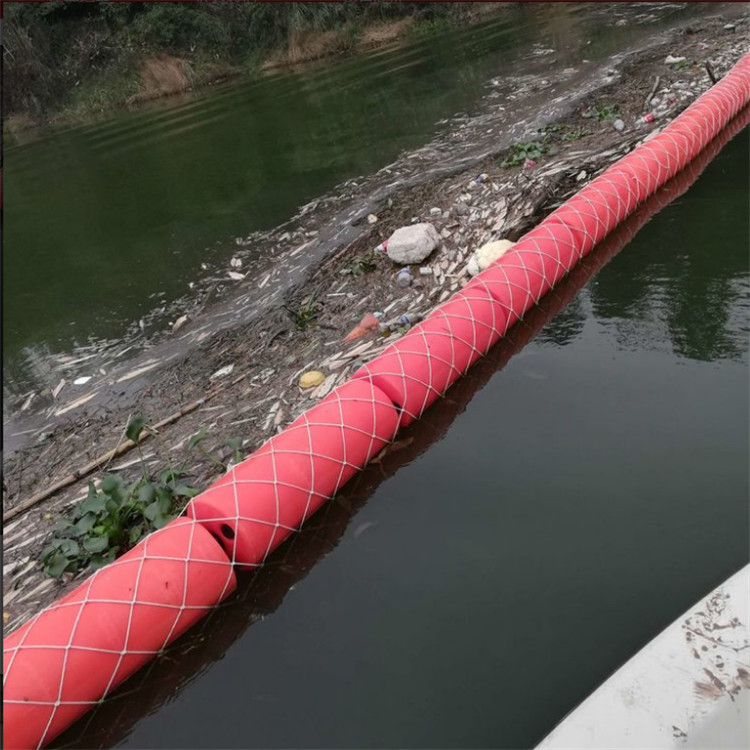





The blockage of the debris screen reduces the original water passage area, exacerbating the water resistance of the screen structure, leading to increased head loss in front of the screen. This causes the pump station's operation to require higher lift, power, and extended duration, thereby increasing operational costs.
Construction of various hydraulic structures and advancements in construction techniques have increased water resource utilization and promoted development across regions. However, during the normal operation of hydraulic structures, due to the large volume of water they handle, and the possibility of floating debris in the rivers,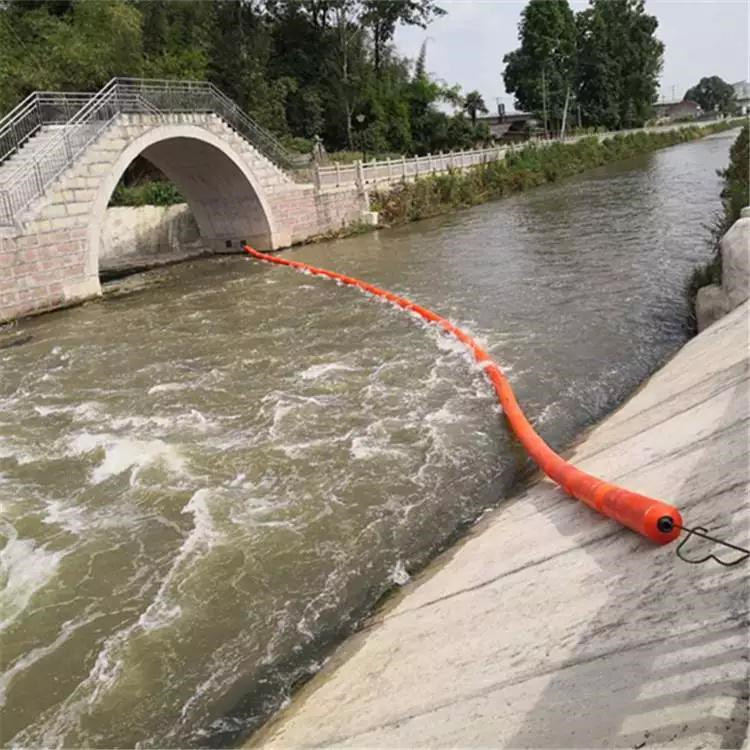 The company has dedicated itself to the water purification and treatment field for many years, offering comprehensive solutions for water purification and treatment entities, as well as an impeccable quality inspection system, ensuring our product quality can provide the best service to a wide range of customers. Additionally, we have a strong R&D team and technical backbone, capable of designing the most suitable pollution control solutions based on customer needs. We welcome customers to visit our factory, share your valuable suggestions, and allow us to gain the best experience and ideas to serve an even broader customer base!
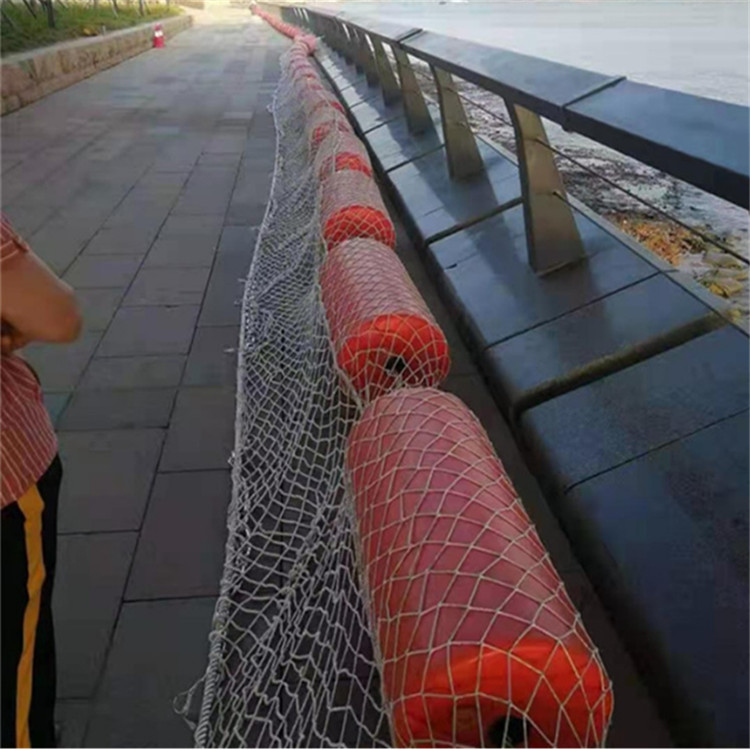
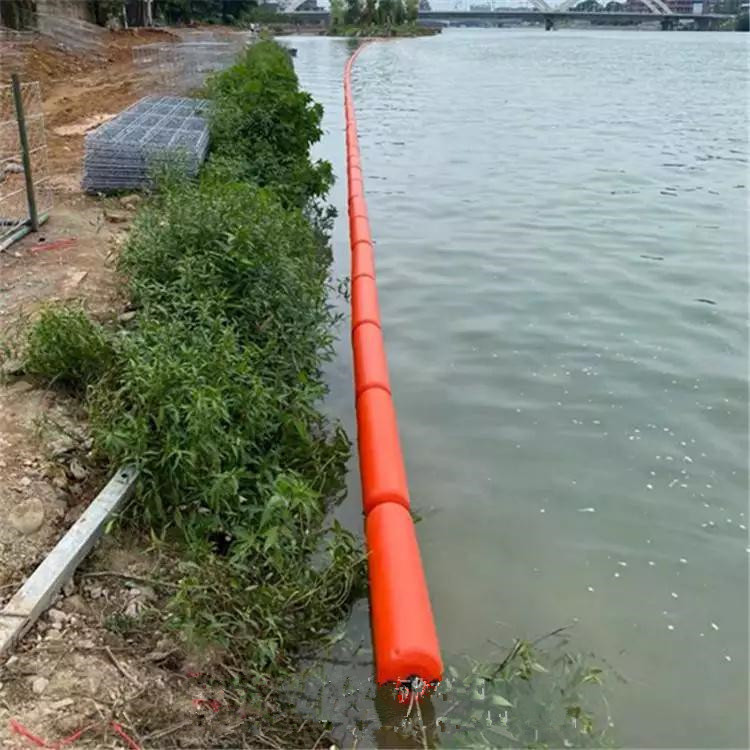
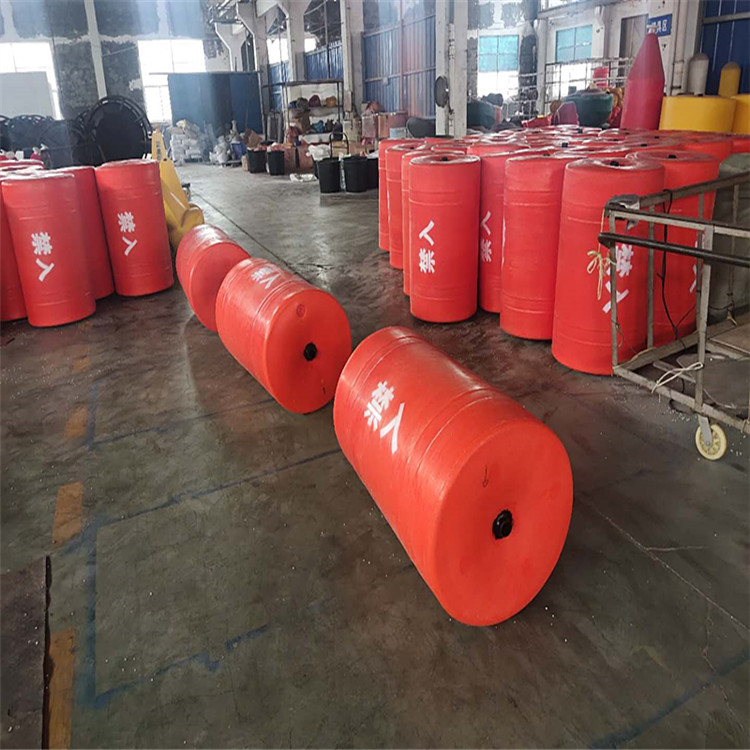
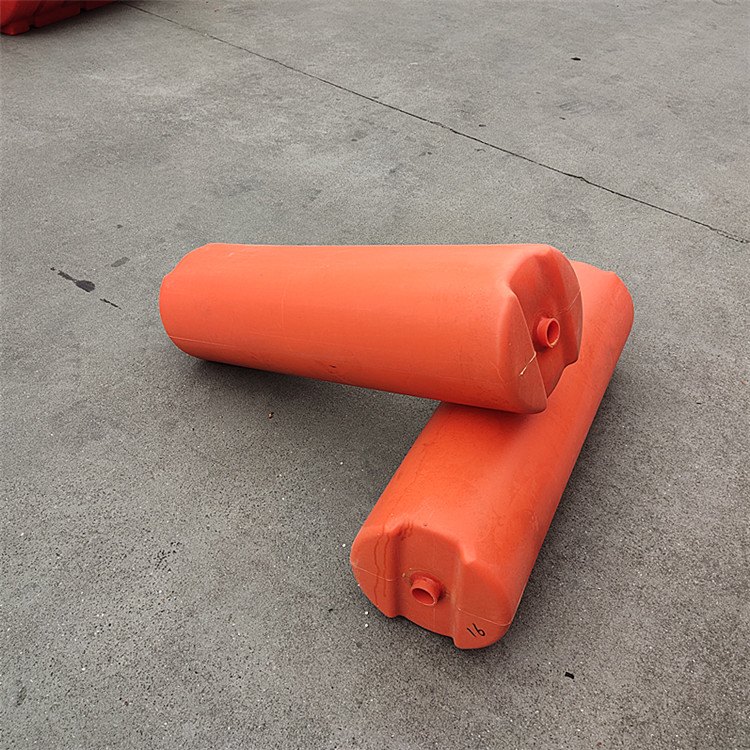
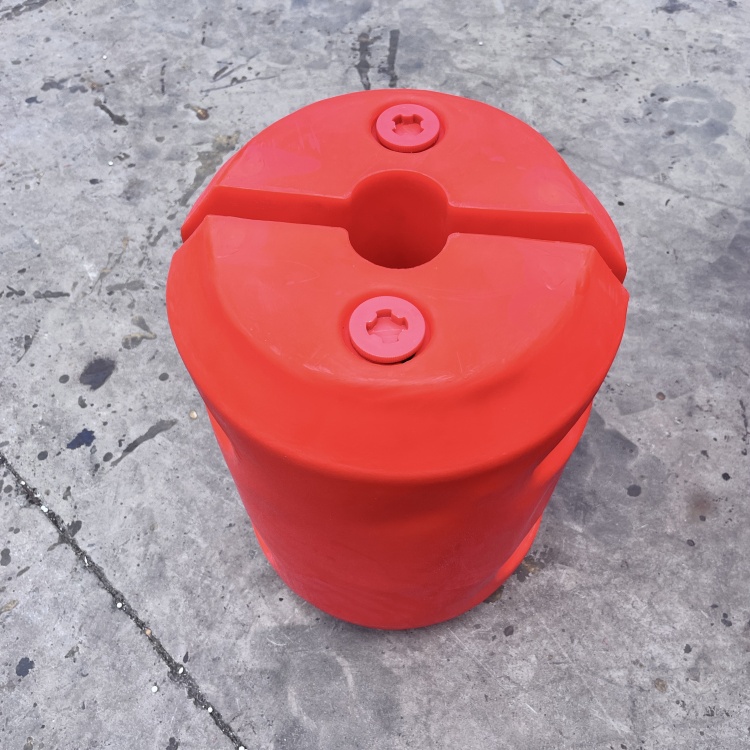
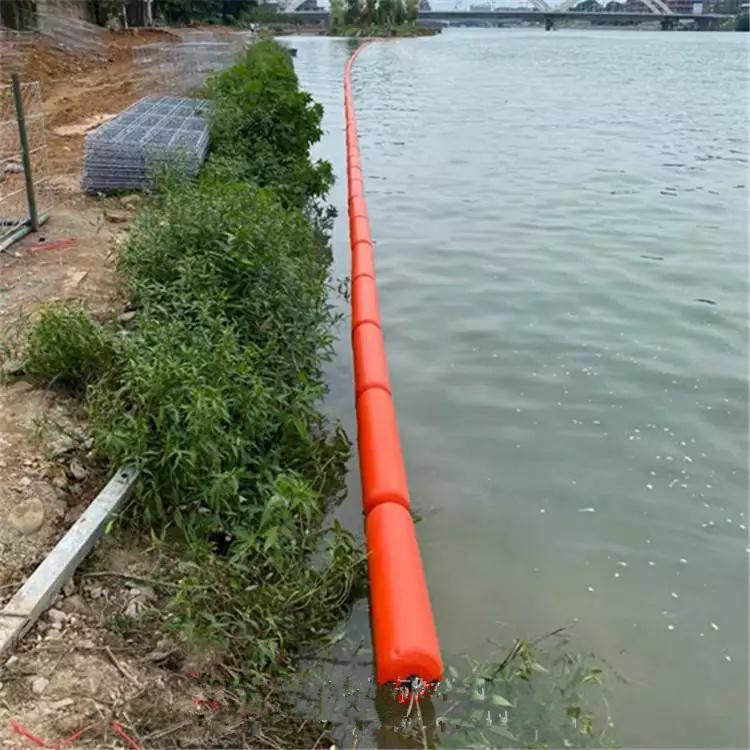
1. Polyethylene Silt Trap Buoy Equipment - Fully reliable, with the silt trap made of polyethylene material. The buoy's outer shell is made from imported food-grade long-life polyethylene, filled with high-quality polyurethane foam. The buoy is highly flexible, and the shell is extremely strong. It won't crack even when struck by strong tree debris during the flood season!
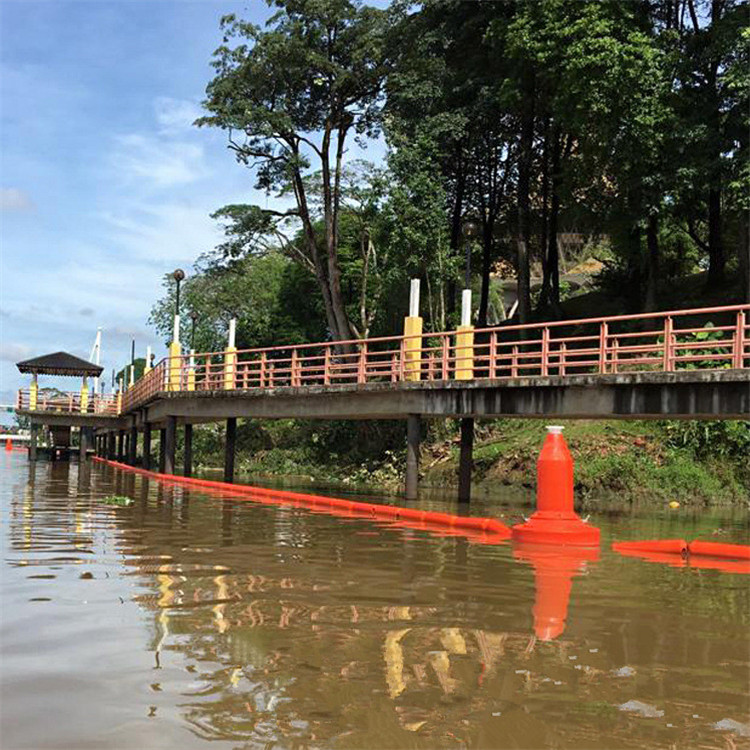
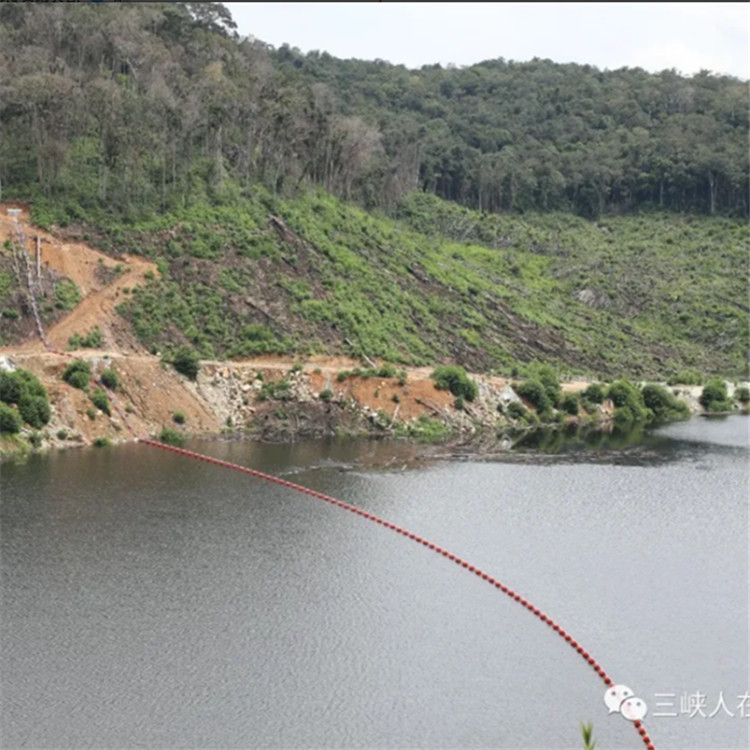
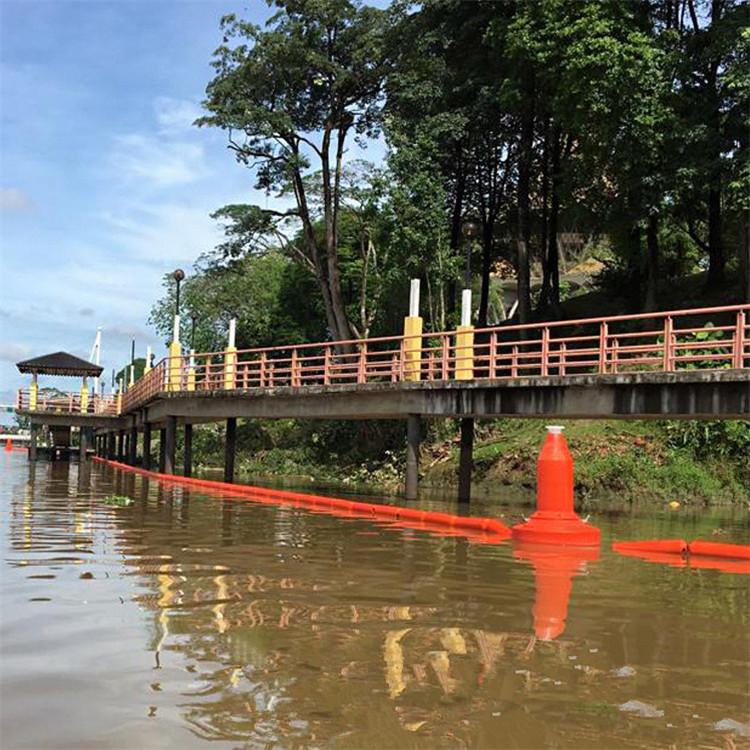
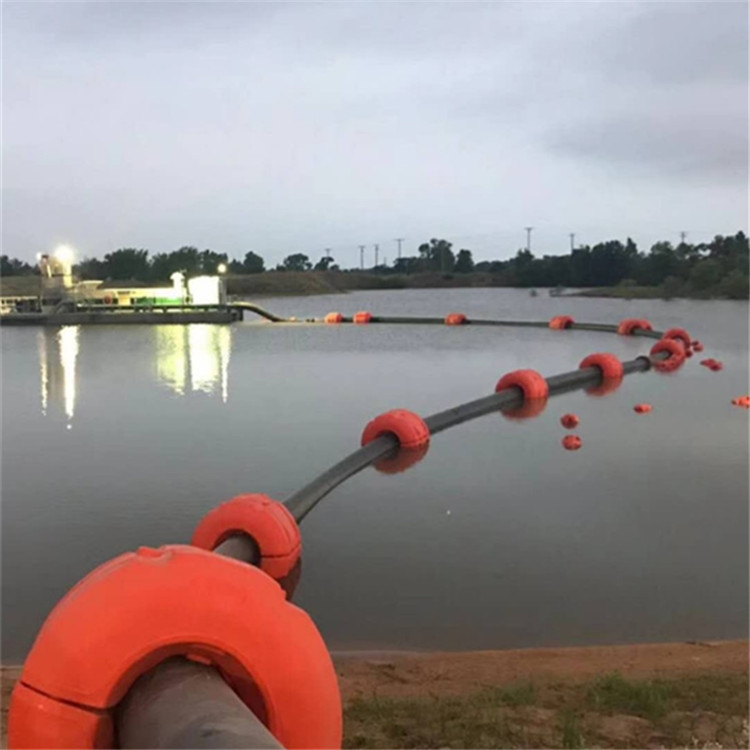
The product is robust and reasonable. Since its production and sales, it has been widely used. Due to its application in environmental protection projects, reservoir water sources, inland waterways, waterways, marine aquaculture, offshore construction, and beaches, the long-lasting warning and pollution-blocking effect is commendable, earning recognition and positive reviews from a wide range of users!
Methods for removing floating debris at power station intake primarily include manual or mechanical cleaning, and hydroelectric power dispatch and operation. The raw material used is polyethylene (linear low-density polyethylene, LLDPE), which is discharged downstream through drainage structures (drainage openings), and floating boom barriers are set up, etc.
WeChat Official Account

Scan to follow Official Account