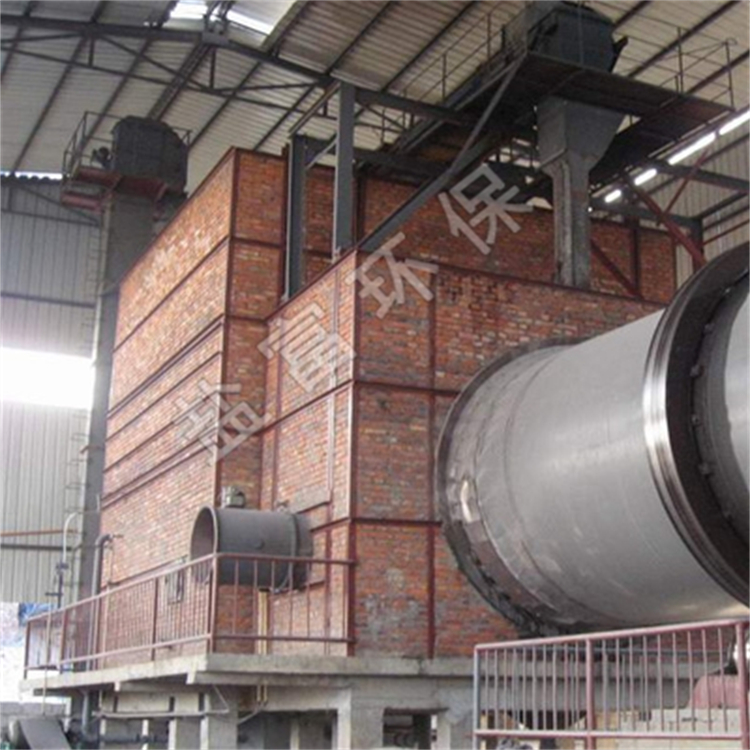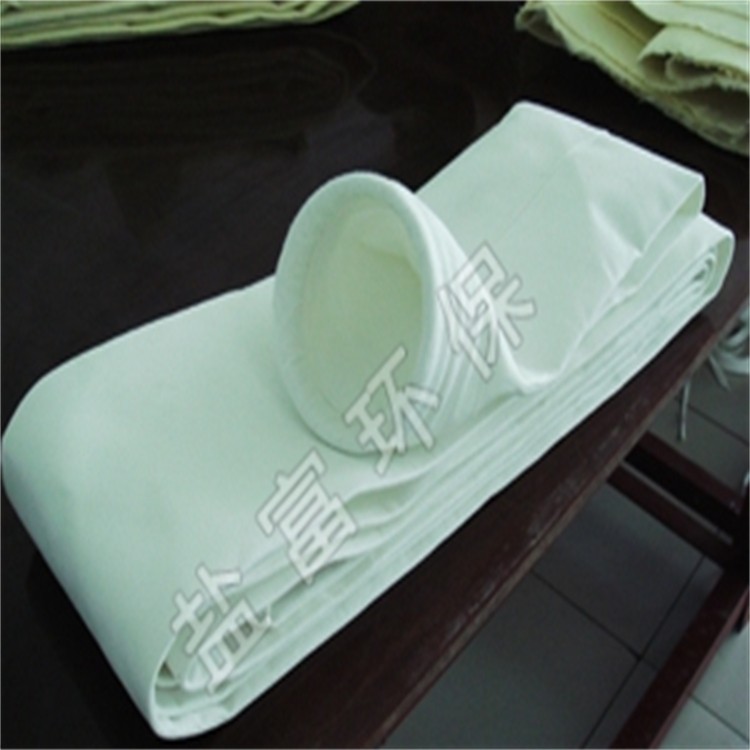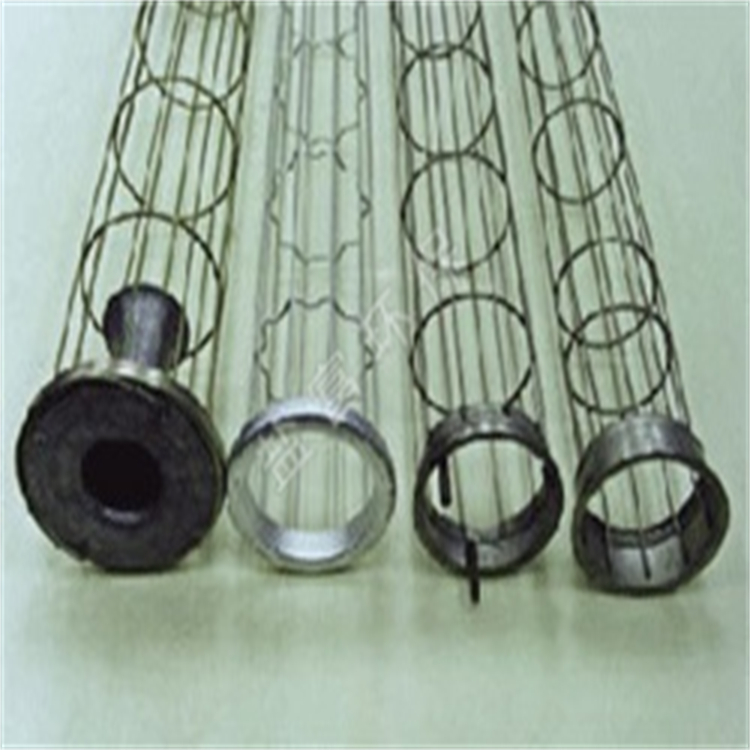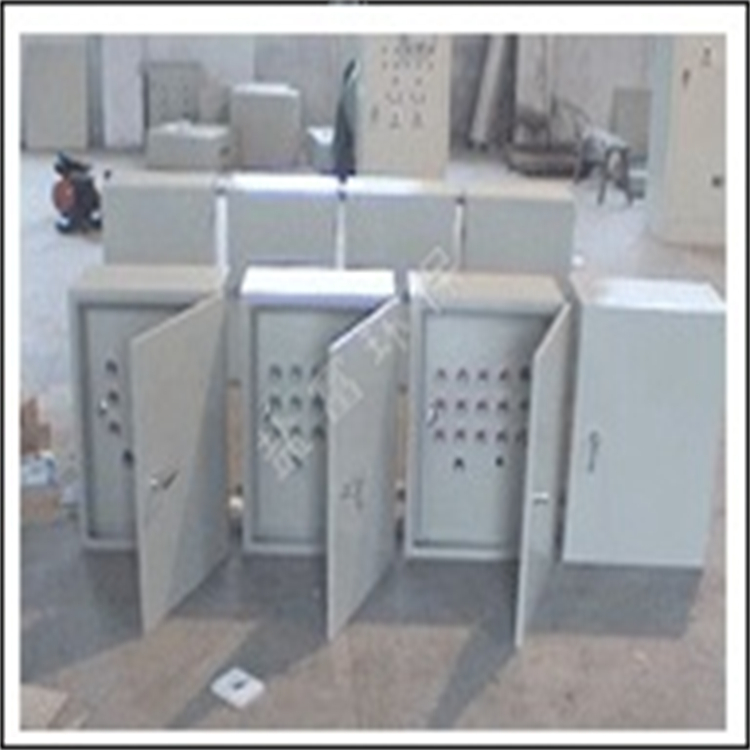

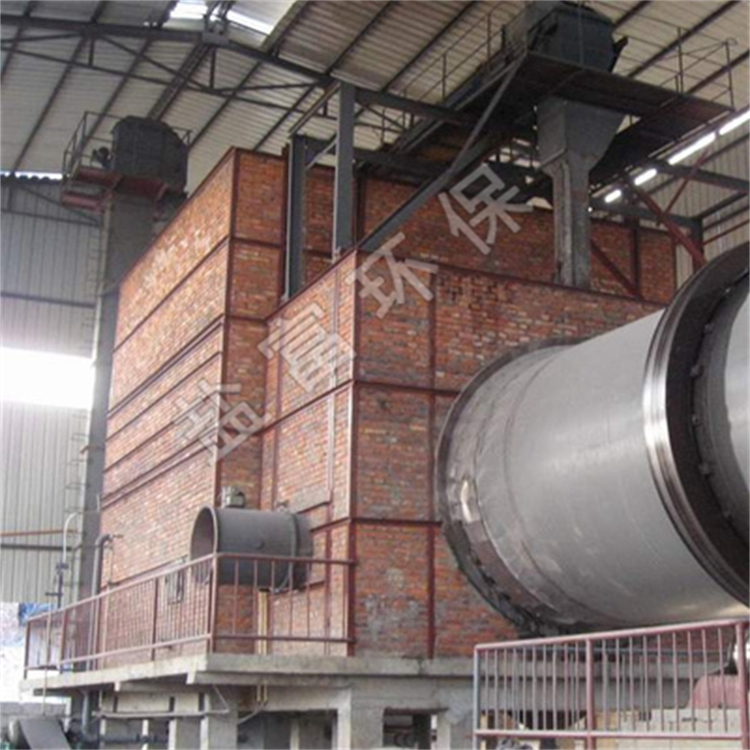

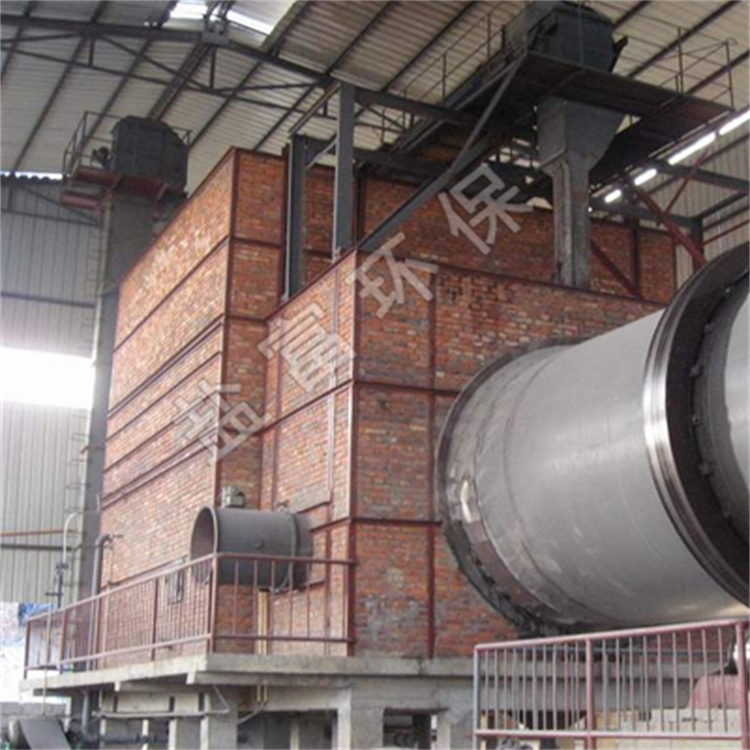







I. Overview The FTL type boiling furnace feeds 0-10mm (controlled at 3-8mm) coal (raw coal after screening) mechanically onto the distributor plate inside the furnace. High-pressure air causes the coal particles and furnace materials to boil. Since the coal particles occupy only about 1% of the furnace material, the large contact area with air and the high relative movement speed during the boiling combustion process result in a longer time from the raw coal entering the furnace to being discharged. This allows for the stable combustion of high-ash, low-calorific-value poor coal, which is difficult to burn thoroughly in other furnace types, achieving a high degree of combustion. Therefore, the uniform temperature and high combustion efficiency are its main advantages:
1. Highly adaptable to various types of fuel, capable of burning poor-quality coal and slag (with a calorific value of 6270 kJ/kg or more)
2. Combustion efficiency exceeds 95%.
3. Uniform heating of the furnace. Long service life, simple fuel preparation.
4. Flexible operation. Good adjustment performance; the furnace heats up quickly, and after a shutdown, it can reach full load operation within 20 to 30 minutes upon restart.
5. Uniform heating with stable temperature, which can increase the output of the dryer by 50-70%, save coal by over 50% compared to other furnaces, and have slag carbon content less than 1%, making it an excellent blending material for cement.
6. Low labor intensity, easy to automate.
II. Technical Performance & Features
1. Pressure equalization chamber with two-stage combustion, featuring a U-shaped combustion section that allows for the separation and collection of unburned fine carbon particles, and also extends the time for their combustion to complete. (When two-stage combustion is not employed, the coal particles entering the furnace should be less than 10mm, or limited to 0-5mm if specified.)
2. The air distribution device utilizes a large pitch variable diameter hood, offering excellent fluidization quality and combustion process, minimizing the impact of uneven air distribution caused by side wall benefits.
3. Utilize a large excess air coefficient to enhance air stirring within the furnace, intensify combustion, ensure complete burning of coal inside, even temperature distribution, and easy control.
4. Employed a rational suspended section structure, with lower airflow velocity, reduced fine ash carryover, and heating flue gas temperatures up to 1050°C, with over 90% of coal particles burned out.
III. Main Technical Parameters
| Serial Number | Model | Heating Capacitykj/h) Heating capacity | Standard Coal Consumptionkg/h) Standard coal consumption | Matching Powerkw) Matching power |
| 1 | FTL-1 | 1×10⁶ | 150 | 12.7 |
| 2 | FTL-2 | 2×10⁶ | 300 | 20.2 |
| 3 | FTL-3 | 3×10⁶ | 450 | 27.1 |
| 4 | FTL-4 | 4×10⁶ | 600 | 37.1 |
| 5 | FTL-5 | 5×10⁶ | 750 | 48.6 |
| 6 | FTL-6 | 6×10⁶ | 900 | 56.6 |
| 7 | FTL-8 | 8×10⁶ | 1200 | 81.6 |
| 8 | FTL-10 | 10×106 | 1500 | 86.6 |
| 9 | FTL-12 | 12×106 | 1800 | 101.6 |
| 10 | FTL-14 | 14×106 | 2100 | 122.7 |
| 11 | FTL-16 | 16×106 | 2400 | 144.7 |
| 12 | FTL-20 | 20×106 | 3000 | 166.0 |
| 13 | FTL-24 | 24×106 | 3600 | According to process |
| 14 | FTL-25 | 25×106 | 3750 | |
| 15 | FTL-30 | 30×106 | 4500 |