








I. Overview
With the acceleration of China's industrialization process, various mineral raw materials, such as bentonite, kaolin, and clay, have played a crucial role as the foundation of industry. These mineral raw materials, having been deeply buried underground for a long time, contain a certain amount of inherent moisture and are highly plastic, which makes their subsequent utilization inconvenient. Therefore, they must undergo rapid drying and dehydration treatment to meet industry standards for final moisture content before they can be used on a large scale in industrial production. The entire production line adopts a high-temperature process, with the drying main unit externally utilizing multi-layer insulation technology. Internally, it is equipped with specialized material lifting and cleaning devices based on the characteristics of minerals to prevent material adhesion to the walls, ensuring efficient heat exchange and rapid drying of the material. This process also reduces costs, allowing for full control over the drying time and temperature of the material. For every ton of material dried, approximately 10 kilograms of coal can be saved, significantly lowering operational costs and enhancing overall economic benefits.
Section II: Performance Features of Mineral Drying Machine
1. The interior of the equipment is made from wear-resistant manganese steel plate, which is 3-4 times more wear-resistant than ordinary steel plates.
2. The raw material moisture content is 15%, the final moisture content after treatment is ensured to be below 0.5-1%, and it is used for various drying engineering products such as cement plant slag powder, dry-mixed mortar production lines, etc.
3. Utilizes a dedicated insulation system, boosting thermal efficiency by over 40% compared to traditional dryers.
4. Broad fuel compatibility, capable of using low-grade coal.
5. No air leakage, completely resolves the sealing difficulties.
6. The discharge temperature ≤ 60 degrees; it can be directly stored in the raw material warehouse without the need for cooling in the cooling shed.
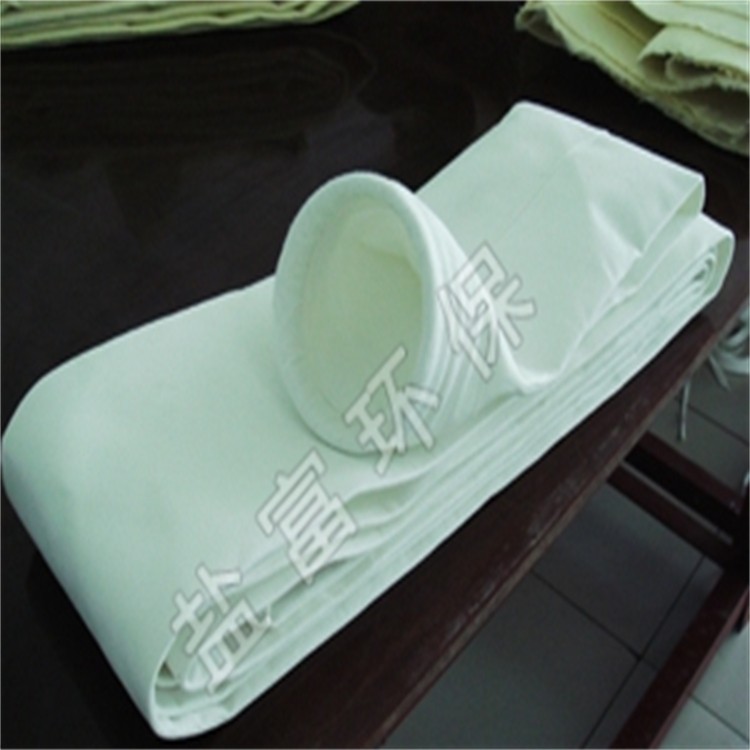
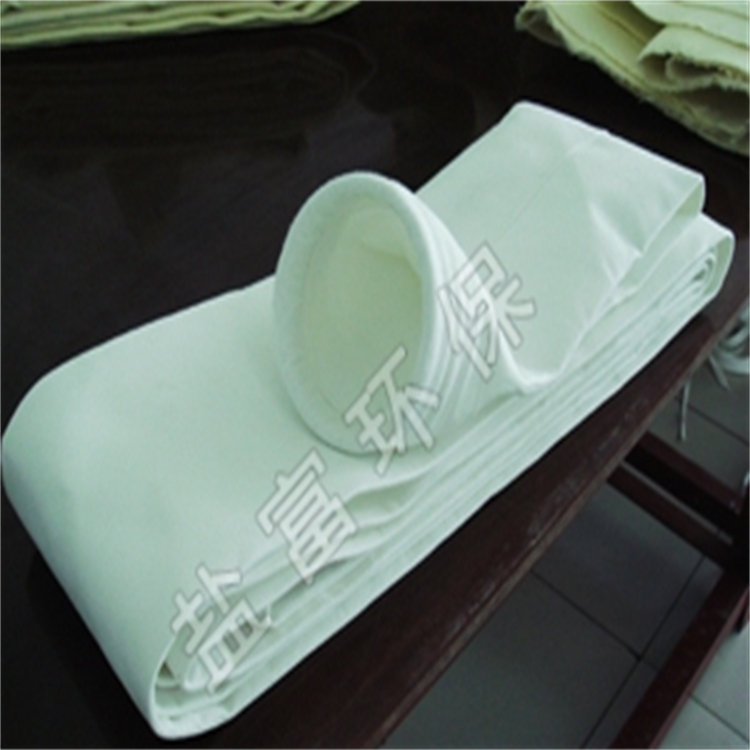
7. Outer cylinder temperature ≤ 60°C, exhaust gas temperature < 120°C, dust removal equipment bags have a service life twice as long.
Section 3: Working Principle of Mineral Drying Machine
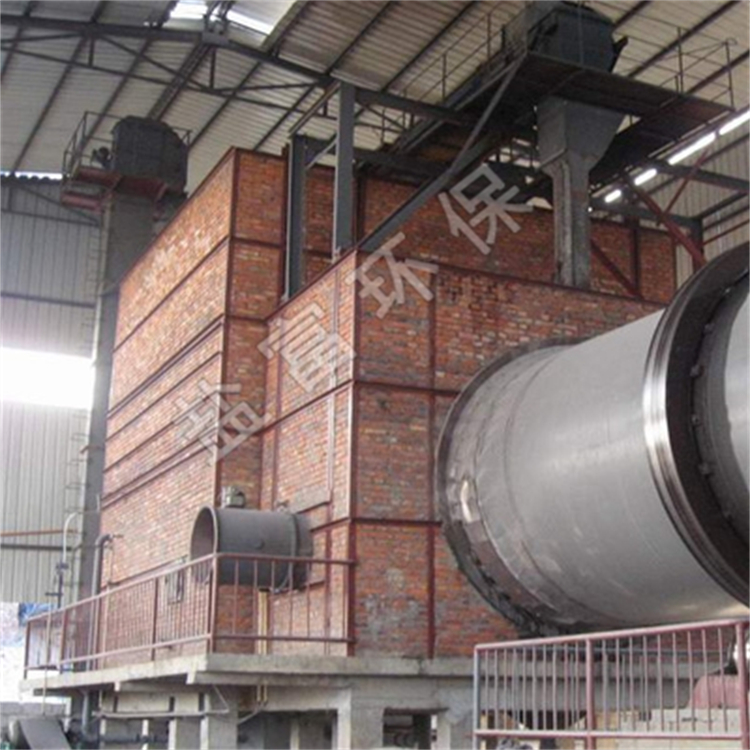
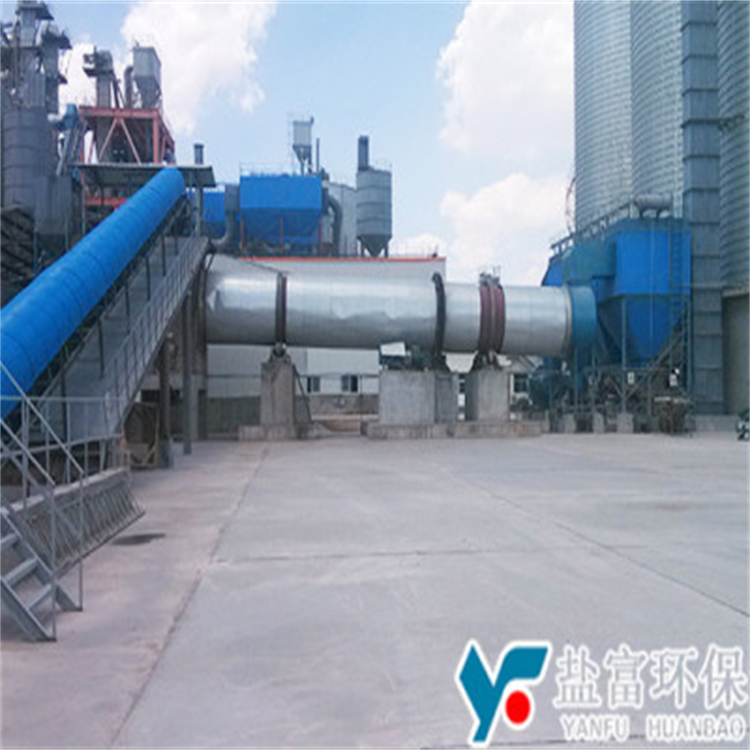
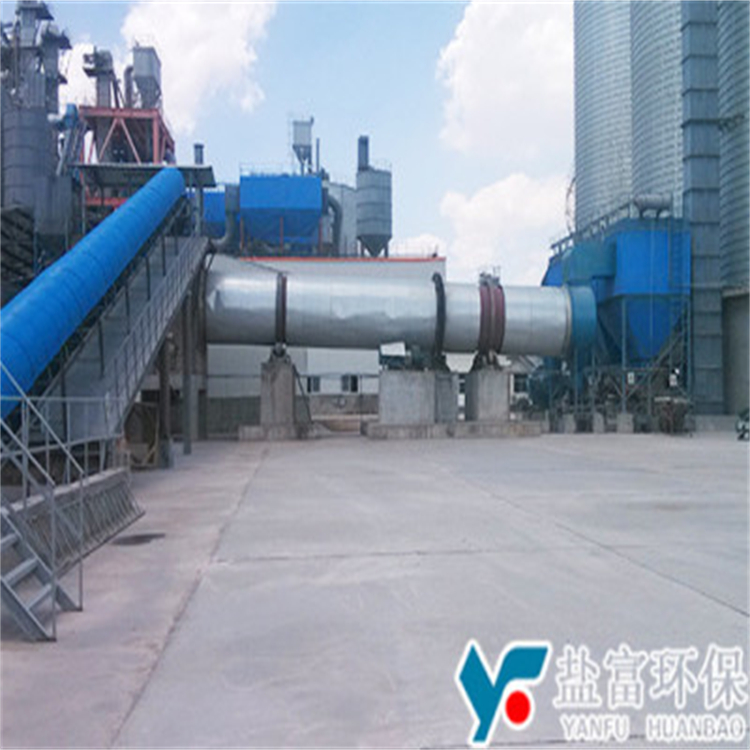
Mineral raw materials are conveyed to the hopper by belt conveyors or bucket elevators, then they enter the drying system through the feeding mechanism. The conveying device installed in the drier lifts the material to the top and drops it, during which it is broken by the high-speed rotating blades inside the drier. This process is repeated until the material reaches the outlet. At the same time, hot air generated by a high-temperature heat source enters the drier and comes into full contact with the material, quickly drying it before being discharged by the conveyor at the discharge end. The drier is internally fitted with various types of baffles arranged at different angles, from front to back. A door ring and spiral baffle are set at the feeding end to prevent backflow, with supporting belts mounted externally. The drier is supported on the supporting wheel assembly by means of front and rear belts, with a stop wheel on the rear assembly to control the axial movement of the drier. The rotation of the drier is achieved through a drive mechanism that moves the fixed gears on the drier with a small gear. This system is equipped with an energy-saving heat source, achieving a heat utilization rate of over 90%. The drying main unit can be single-layer or multi-layer structured, without the need for direct heating from a flame source. Instead, clean hot air is directed through professional exhaust channels by the heat source. This also prevents deformation and damage to the drum body caused by material impact. It ensures long-term operation capabilities, capable of drying high-moisture content materials to below 0.5% moisture. The entire unit is more space-efficient than traditional equipment. It applies multiple forces to the material within the machine, such as centrifugal force, impact force, and friction, while also enhancing the beneficial use of the heat source, realizing large-scale utilization of mineral raw materials. The covers at both ends of the main unit are highly sealed, providing energy and environmental savings; electricity consumption is only 30% of similar products, and coal consumption is only 50%. Moreover, the dried material meets all specifications higher than the national standards.
Section 4: Mineral Drying Machine Structure Composition
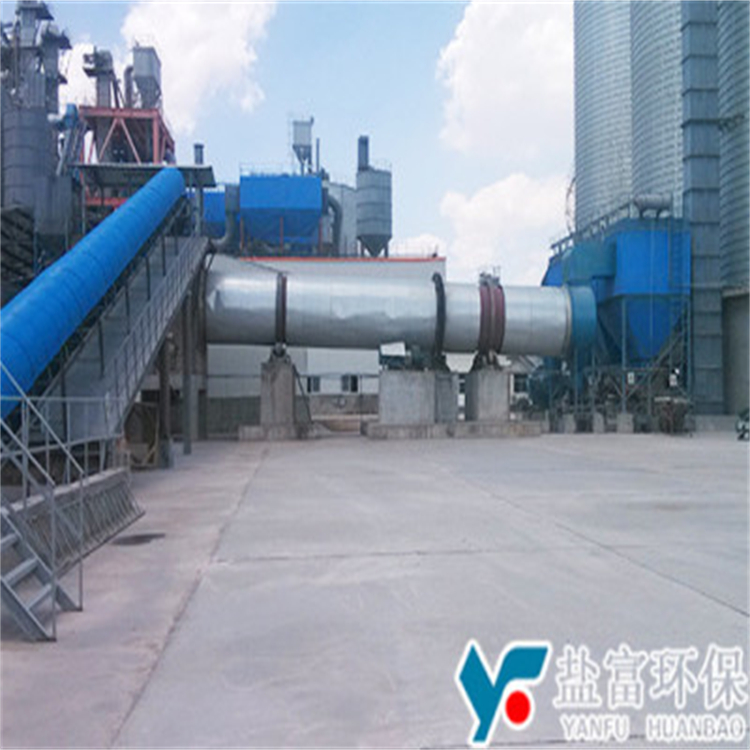
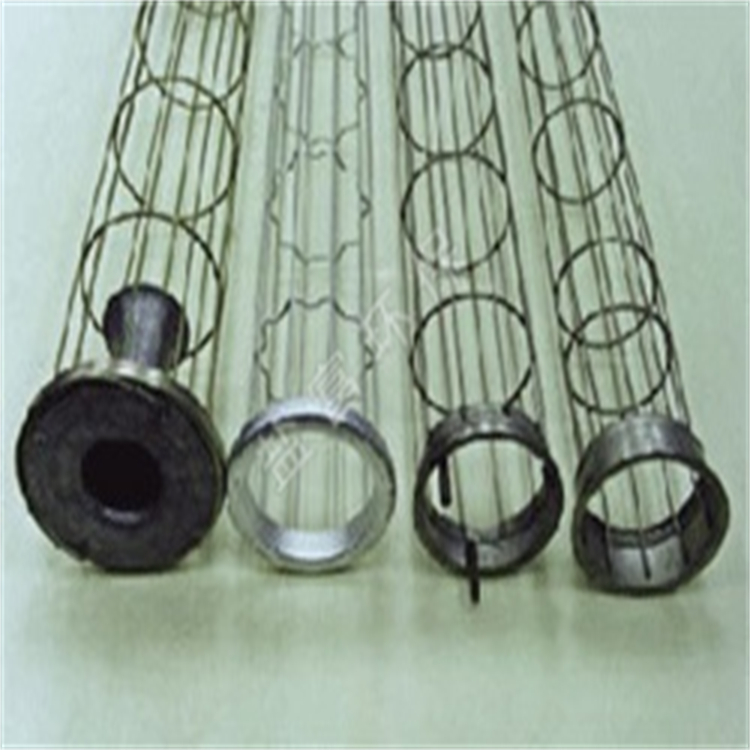
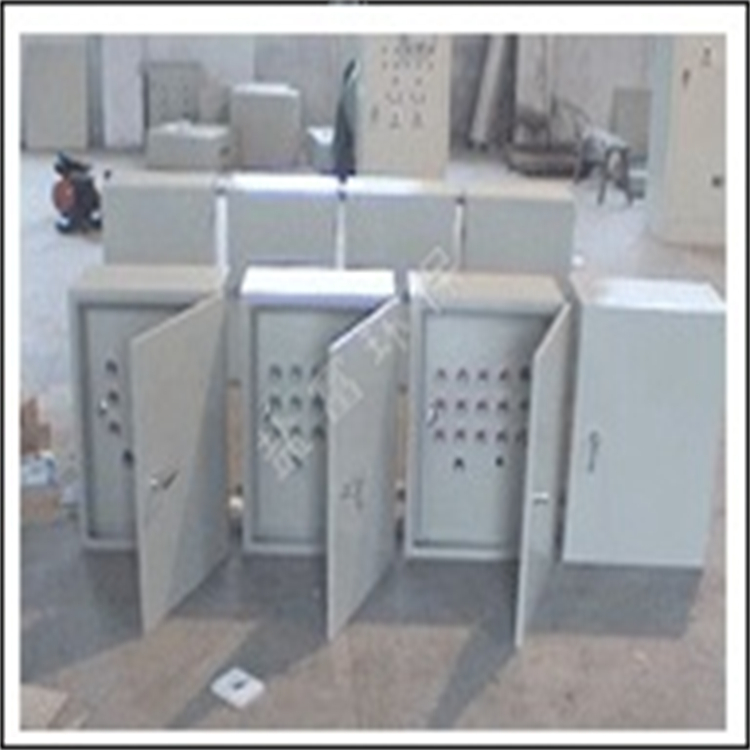
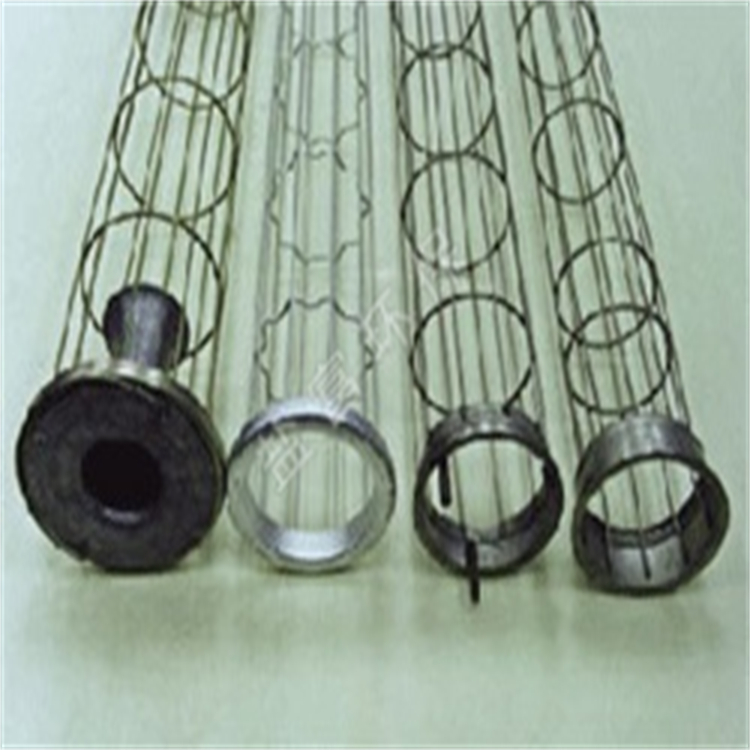
System Structure Components: 1. Coal or Gas-Fired Heat Source 2. Feed Conveyor Belt 3. Feeding System 4. Drying Main Unit (Single or Triple Cylinder) 5. Discharging System 6. Drafting System 7. Dust Removal System 8. Control System
5. Technical Parameters of Mineral Drying Machine