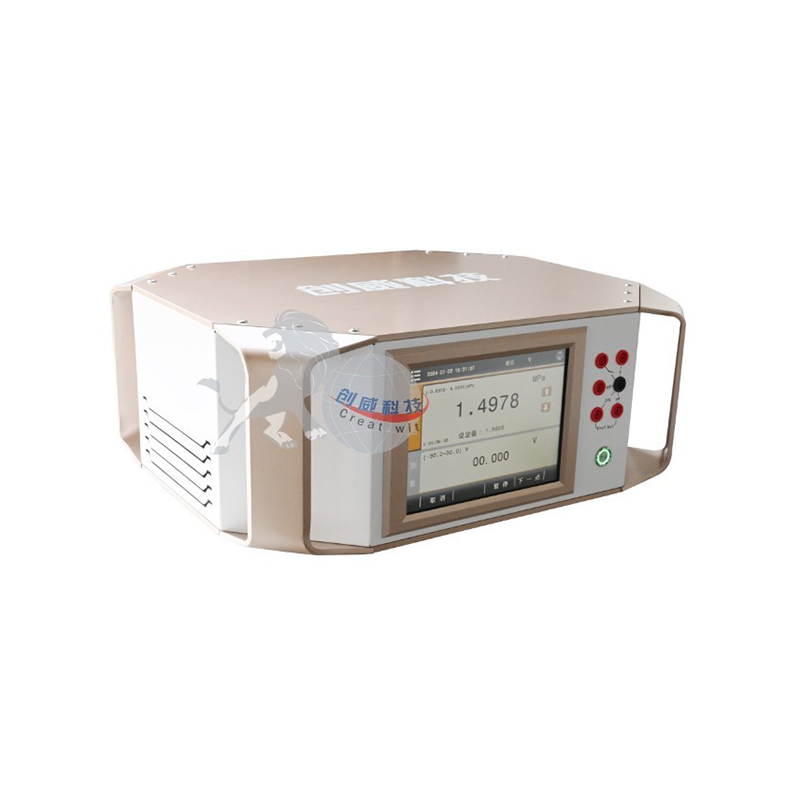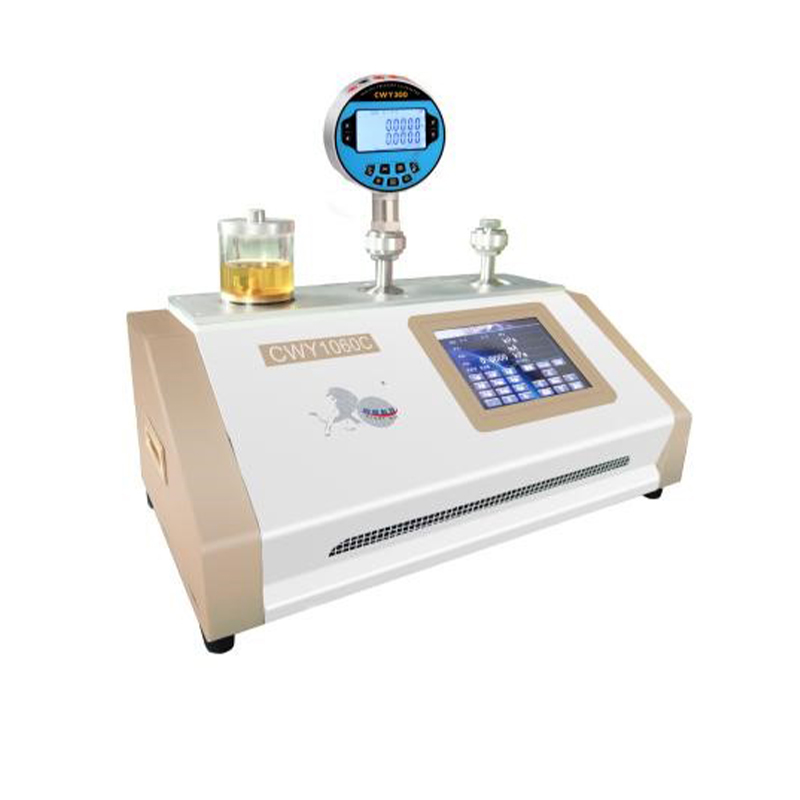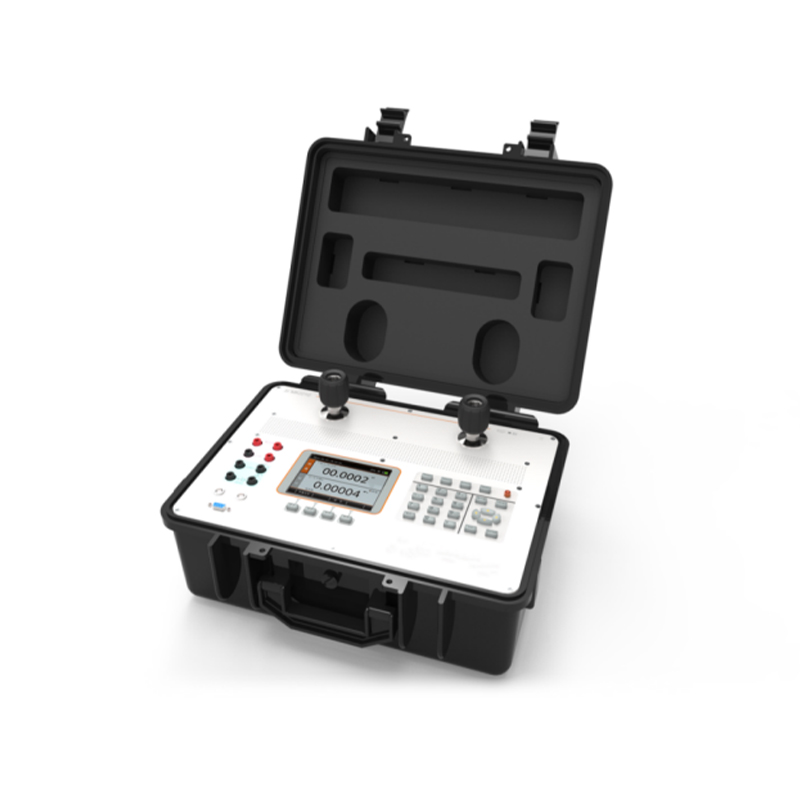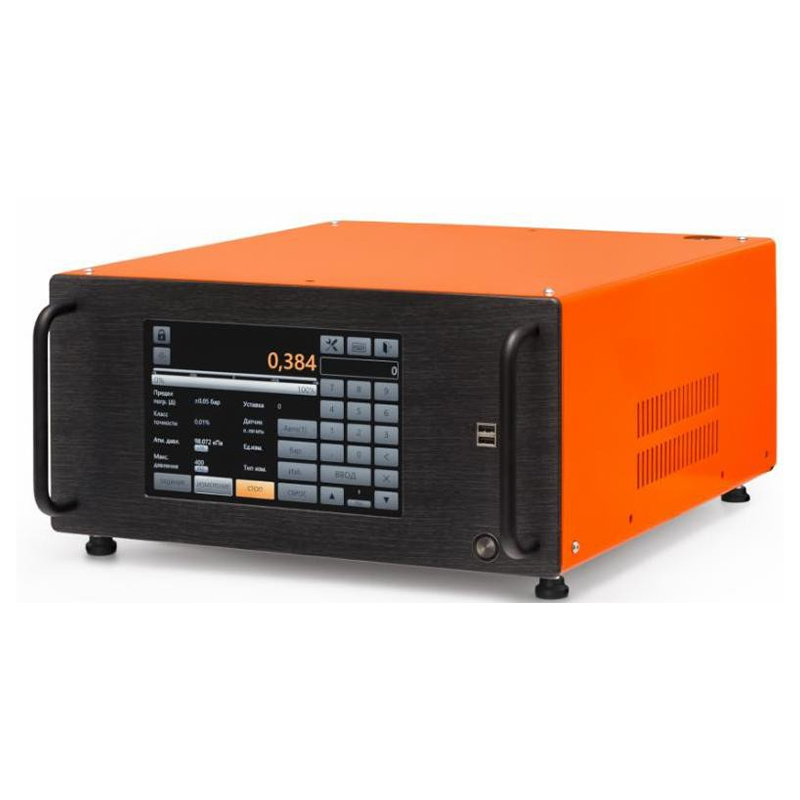







Overview:
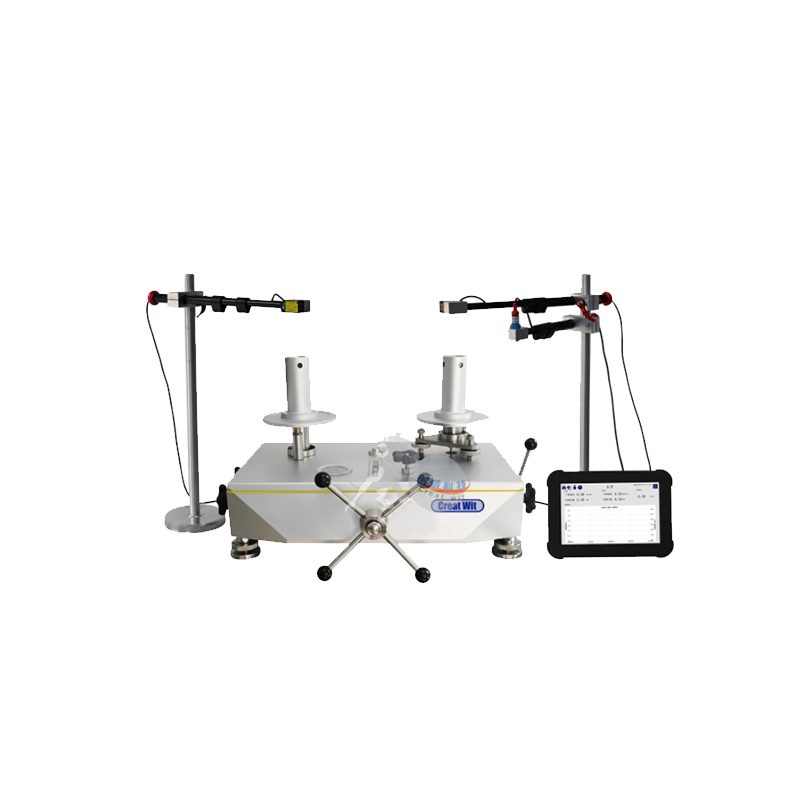
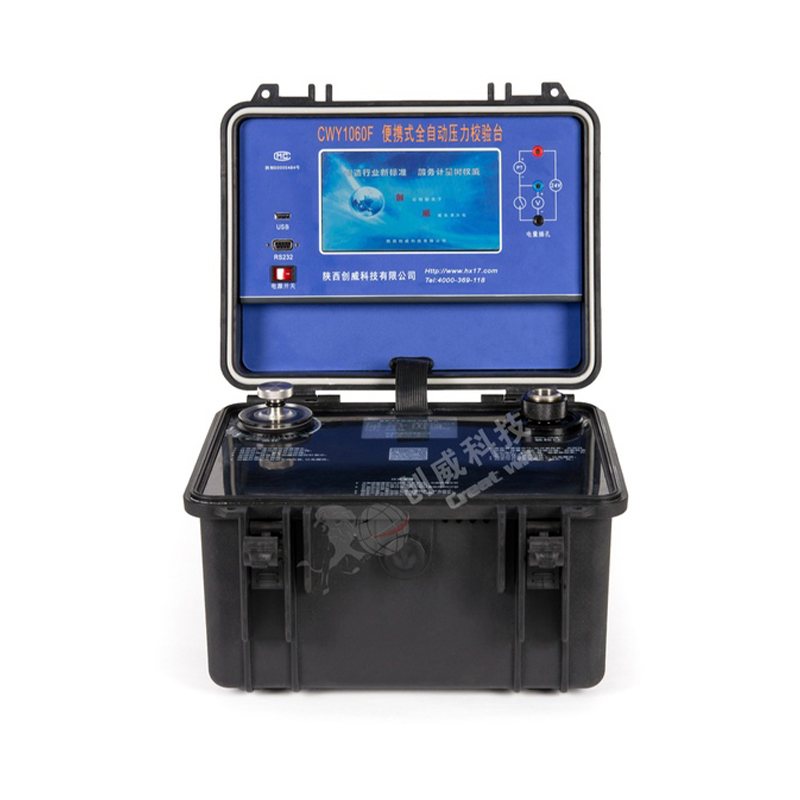
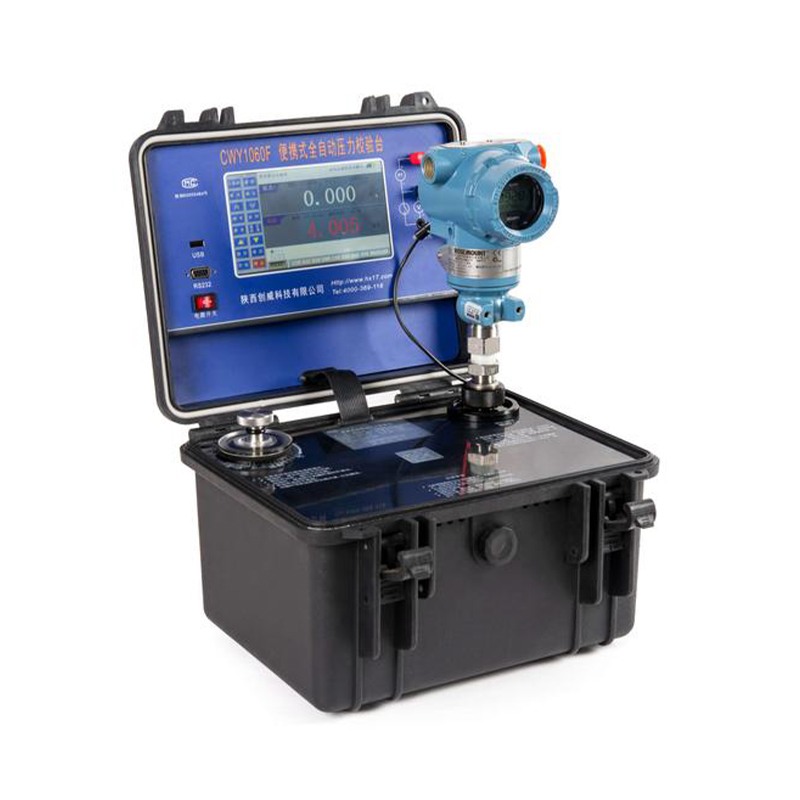
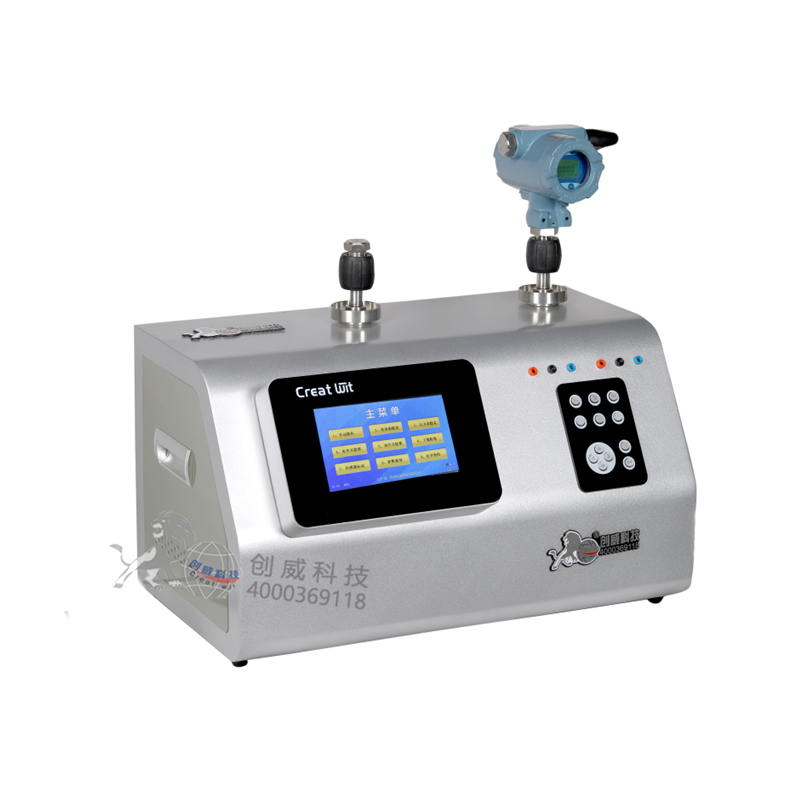
The CWY series integrated main and auxiliary liquid piston pressure gauges are measuring piston systems, primarily used for establishing standards in metrological verification institutions and for calibrating lower-level piston pressure gauges. They are also suitable for calibrating instruments such as digital pressure gauges, pressure sensors, pressure transmitters, and pressure gauges.
Work Conditions:
Ambient Temperature:
Accuracy Grade
0.005 grade
0.01 grade
0.02 grade
Ambient Temperature
(20±0.5)℃
(20±0.5)℃
(20±1)℃
2) Environmental Humidity: Relative humidity below 80%
3) Power Voltage: AC 220V Frequency: 50Hz
Technical Features
1) Meets the technical requirements of the national metrological verification regulations for JJG59-2022 "Liquid Piston Pressure Gauge" and JJG99-2022 "Weighing Pallets".
2) Measurement Range:

3) Accuracy Grades: 0.005 Grade, 0.01 Grade, 0.02 Grade
4) Piston System
① Piston Material: Both the piston rod and cylinder are made of tungsten carbide, which is resistant to pressure and temperature changes, offering a long service life.
② Piston Structure: New design with anti-break and anti-friction features, piston rod has bearing limiters for both upper and lower limits to prevent metal shavings from causing the piston to jam due to friction.
③ Working Medium: For pressure gauges with a measurement range of 60MPa and above, use dodecanedioic acid di(2-ethylhexyl) ester; for pressure gauges with a measurement range of 0.6MPa and 6MPa, use transformer oil and aviation...OilMixed oil;
④ Piston System Modular Design: Easy for installation, disassembly, storage, and inspection; multiple piston modules can share a single base with corresponding range weights.
⑤ Standard piston configuration with temperature sensor, display resolution 0.01℃
⑥ Standard pistons and inspected piston ends are equipped with a separate horizontal adjustment device. Pistons are fitted with a horizontal indicator, achieving an indication accuracy of 2′.
5) Weights Set
① Standard configuration includes 2 sets of kg weight sets and 1 set of MPa weight sets; additional sets of weights can be customized according to customer requirements, with an accuracy less than 0.001%.
② Weighing material: 304 Austenitic Stainless Steel, non-magnetic.
③ Load method of weights: For ranges of 60MPa and above, weights are loaded on the hoist basket, with a low center of gravity for the weights, ensuring smooth piston rotation; for ranges of 6MPa and below, weights are directly loaded on the large tray, resulting in a longer duration of piston rotation.
④ Weight correction: Adjusted according to the local gravitational acceleration of use.
6) Taiwan Body
The weight of the weights endured by the piston system is directly applied to the thickened panel, ensuring stable and reliable operation of the piston system.
② The new structure foot has a high load-bearing capacity, preventing slippage without deformation, minimizing the impact on the horizontal stability of the base when adding weights.
③ The standard oil cup capacity is 180ml. The equipment's left side panel features an oil drain port. To change the oil, simply rotate the oil drain screw to quickly expel waste oil. Additionally, the oil cup is equipped with an oil filter to prevent impurities from entering the oil circuit and causing a pressure gauge blockage. Generally, the liquid level should be lower than the oil cup position at the inspected interface.
All parts are treated for rust prevention to avoid rust on critical sealing components leading to pressure leaks.
⑤ The working position of the regulator can be displayed in real-time on the surface of the base, allowing users to predict the adjustable volume of the regulator.
⑥ The pressure system utilizes a pre-pressure pump for pre-pressure and a pressure regulator for additional pressure, with the regulator's handwheel not moving forward or backward during pressure adjustments, saving workspace and offering more convenient operation; the pressure regulation process is easy and quick.
⑦ Pressure pump with a range of 60MPa and above features anti-overpressure and overload protection. It prevents irreversible damage to the pump if the operator forgets to close the shut-off valve, or if the system pressure reaches the maximum of 160MPa and the operator mistakenly opens the shut-off valve, no damage to the equipment will occur.
⑧ The horizontal bubble on the table surface can be adjusted with a standard piston, allowing the inspected piston to be individually leveled through three leveling knobs on the table without affecting the standard piston's level.
⑨ Both the standard piston and the inspected piston are equipped with piston cutoff valves, allowing for individual cutoff of the standard end and the inspected end.
⑩ Individual base, the mainframe with a pressure rating of at least 100MPa for a 60MPa unit, manual fine adjustment available, step size less than 0.1MPa.
7) Laser Displacement Indicator Device
Piston Pressure Gauge Laser Displacement Indicator, a graphical device indicating piston displacement and motion path. It operates based on the laser triangulation distance measurement principle, real-time detecting the piston's motion path and direction, and displaying its status graphically on the screen. It serves as an auxiliary device for piston pressure gauge calibration, mainly replacing the traditional light projection indicator. It boasts high precision and sensitivity in piston position measurement, intuitive graphical display, ease of operation, and other advantages.
High-precision laser distance sensor employing triangulation method to detect piston displacement.
② Piston displacement measuring range: ±30mm (0~60)mm
Resolution: 0.01mm
④ Graphical dual-path detection of main and auxiliary piston displacement trajectories, real-time displacement curve display, touch operation
⑤ The speed sensor automatically detects the piston duration.
⑥ The laser distance sensor can detect the descending speed of the piston.
⑦ Built-in piston area calculation program for the monitor
⑧ Export calibration records via USB or directly connect to a printer for printing.
9. The displacement sensor is connected to the collector via an analog signal (0~5V), while the speed measurement sensor is connected to the collector via a switch signal.
⑩ The collector connects to the host via an RS232 interface, and the device software is written using a cross-platform architecture (such as Qt, etc.), allowing it to run on different operating systems, facilitating customized functionalities.
⑪ A standard piston kit includes one quick-release telescopic laser displacement bracket; the inspected piston kit includes one quick-release telescopic laser displacement bracket and one piston rotation duration measurement bracket.