






Detailed description
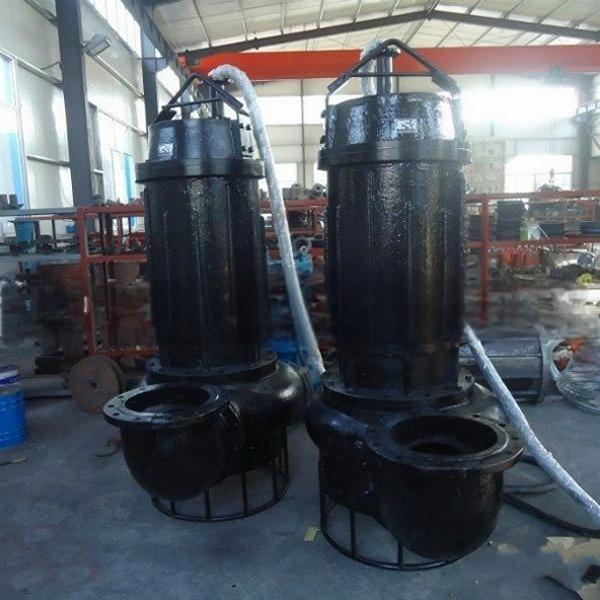
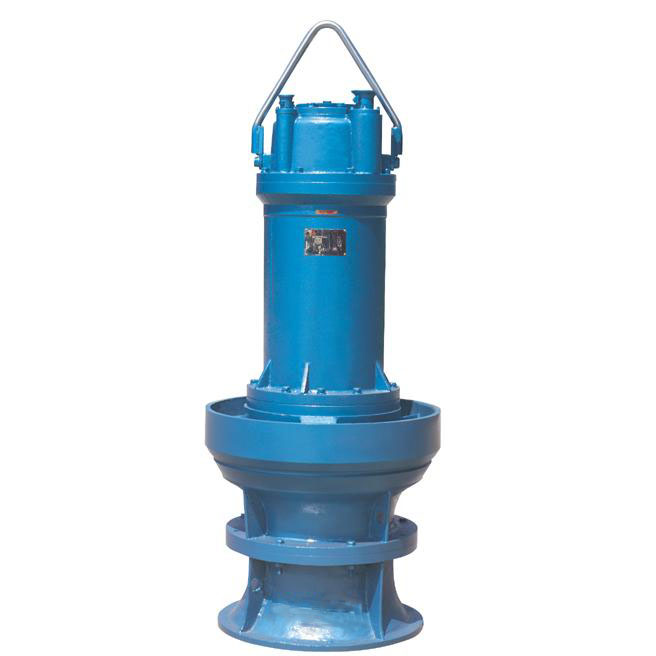
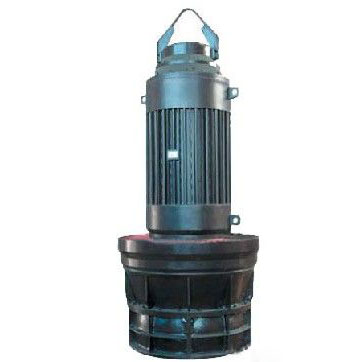
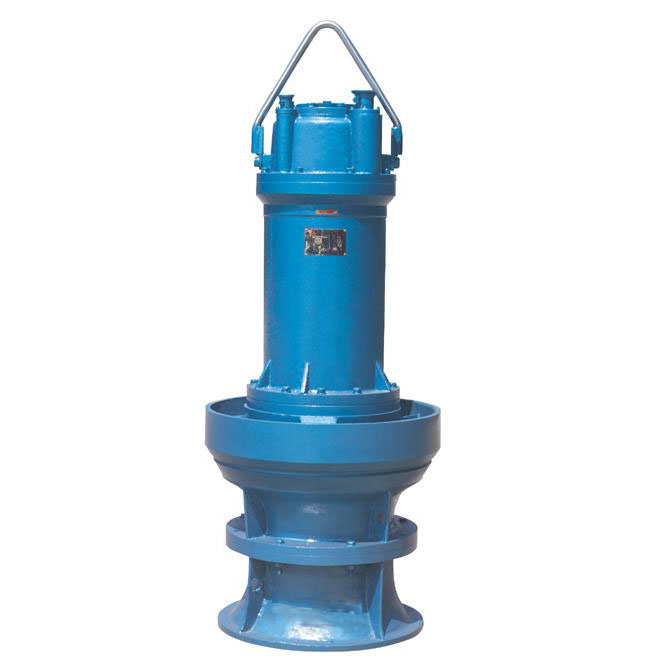
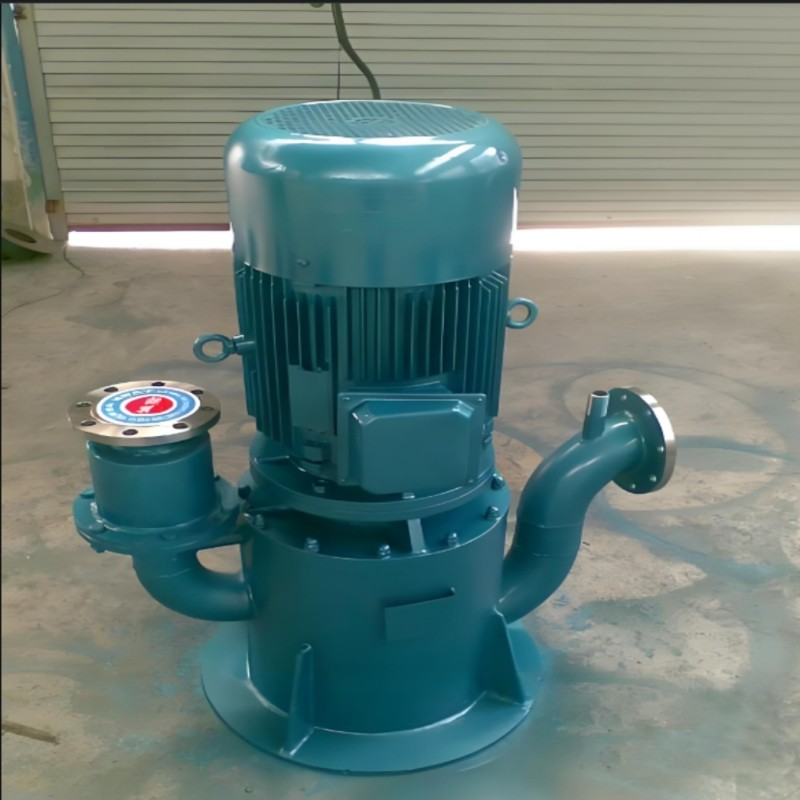
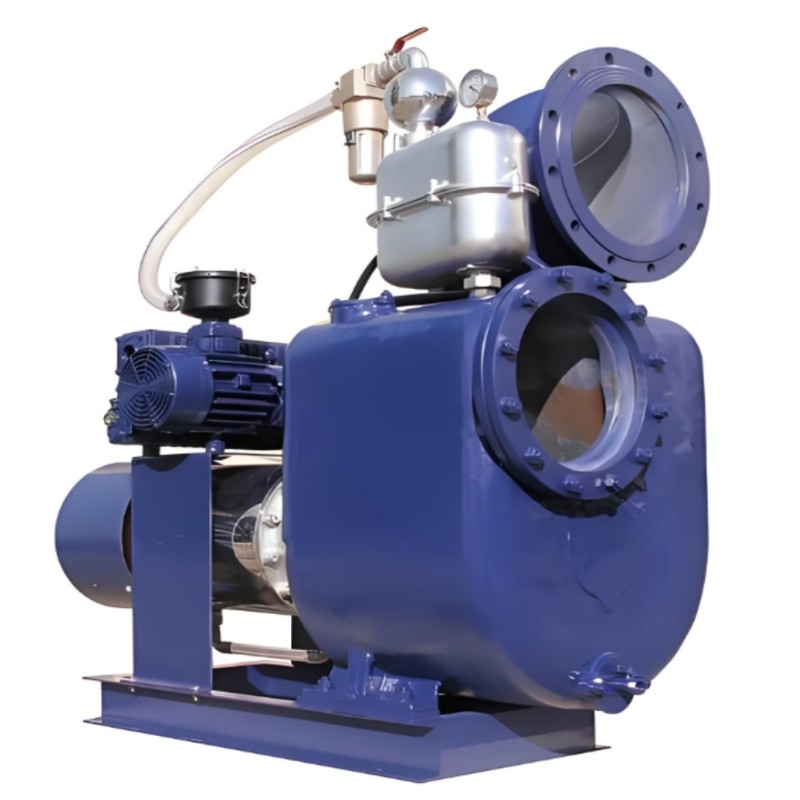
The ZLB and ZLQ models are single-stage vertical axial flow pumps. They are suitable for conveying clean water, wastewater, or slightly corrosive liquids, with the temperature of the conveyed liquid generally not exceeding 50°C. This type of pump is a high-flow, low-head pump, which can be used in salt factories, aquaculture, water supply and drainage, wastewater treatment, power plant circulating water supply, farmland irrigation and drainage, shipyard water level control, and other hydraulic engineering projects. It can also be used in metallurgy, chemical industries, and other sectors (special requirements can be designed separately), with a wide range of applications.
II. Structural Features:
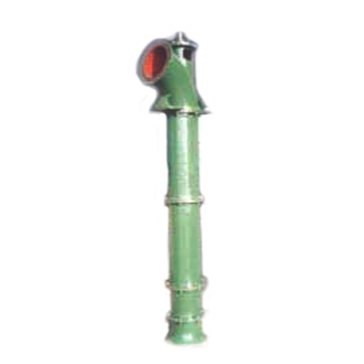
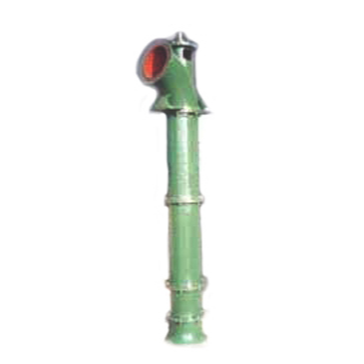
Vertical axial flow pumps can be designed in a dual foundation tiered structure or a single foundation direct coupling structure with the motor.
A. Double-base vertical layered structure
1. The pump is mainly composed of the pump body, transmission unit, and drive shaft, etc.
1) The axial flow pump consists of an inlet bell mouth, impeller, guide vane body, outlet elbow, shaft, bearings, stuffing box seals, etc. The ends of the pump shaft are supported by upper and lower pairs of water-lubricated rubber bearings and Spherical Roller bearings, with the shaft neck surface plated with hard chrome.
2) Each end of the pump shaft is equipped with a set of nuts, which are respectively fixed to the impeller hub and the coupling. During operation, all axial forces are borne by thrust bearings within the transmission unit. The axial displacement of the pump rotor is adjusted by a circular nut within the transmission unit.
3) The axial force of the axial flow pump, the weight of the drive unit and the motor, as well as the weight of the rotor, are all supported by the floor foundation of the supporting drive unit. The weight of the pump casing is borne by the foundation.
4) A middle drive shaft is installed between the vertical motor and the pump, with the motor end equipped with an elastic coupling and the pump end with a rigid coupling. The motor installation elevation is agreed upon by the user and the manufacturer.
5) The drive shaft length is typically used within the dimensions specified in the installation outline diagram. If it exceeds the specified size, a intermediate bearing is required.
6) Axial flow pump discharge channels typically use a straight-conical diffuser discharge pipe, equipped with an outlet valve at the end.
2. The impeller has undergone static balancing verification.
3. For cylindrical impeller design, it is typically integrated with the inlet trumpet. The blade installation angle is set according to customer requirements and installed in one go; customers are not allowed to change it arbitrarily. For spherical impeller chambers, customers can adjust the blade installation angle during shutdown as needed.
4. The gap between the outer edge of the impeller and the impeller chamber is approximately 0.1% of the impeller's outer diameter. When transporting wastewater and impurities, this gap should be appropriately increased.
5. Direction of Rotation: When viewed from above the motor, the pump rotates in a clockwise direction.
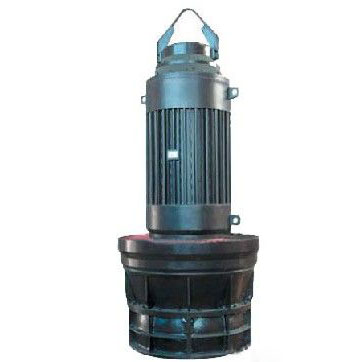
B. Direct motor and pump single foundation structure
1. The pump is directly connected to the motor via the motor bracket, with the outlet designed above or below the foundation layer as per engineering requirements.
2. The axial water thrust of the pump becomes an internal force of the unit, not transmitted to the foundation, greatly reducing the design strength requirements for the foundation load.
3. Pumps are easy to install, align, and maintain; no intermediate drive shaft is required.
4. Axial flow pumps can be designed with either a removable rotor section or a whole removable unit.
5. Pump shafts can be equipped with protective tubes for protection, and clean water is used for lubrication and cooling of sliding bearings to accommodate conditions with particulate-containing media.
6. Axial flow pump inlet flow channels can utilize elliptical inlet channels to enhance anti-cavitation and equipment efficiency.