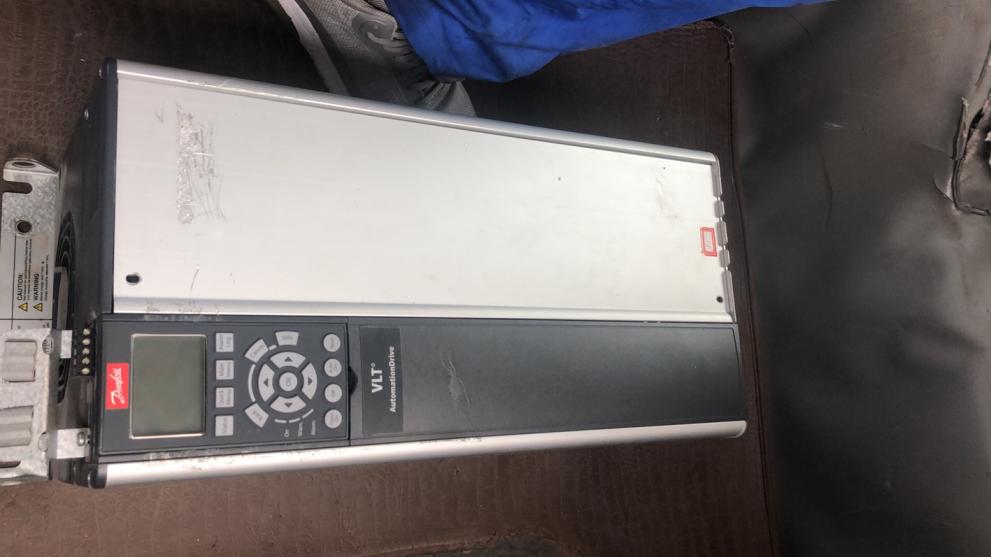

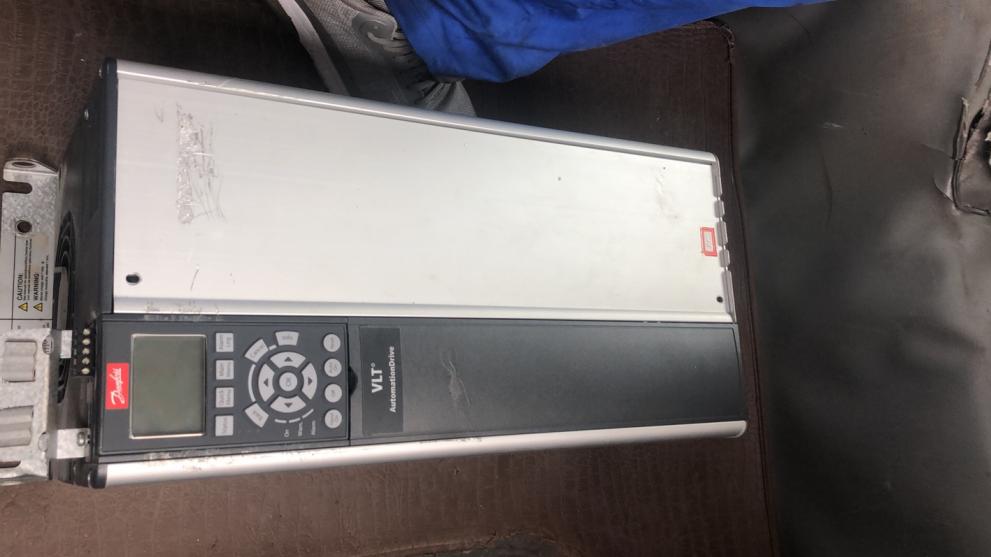
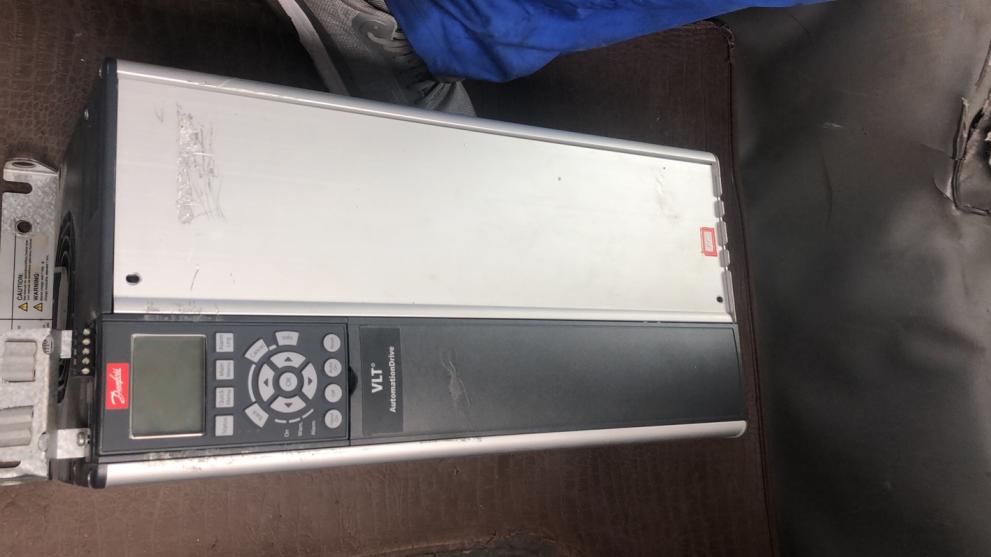



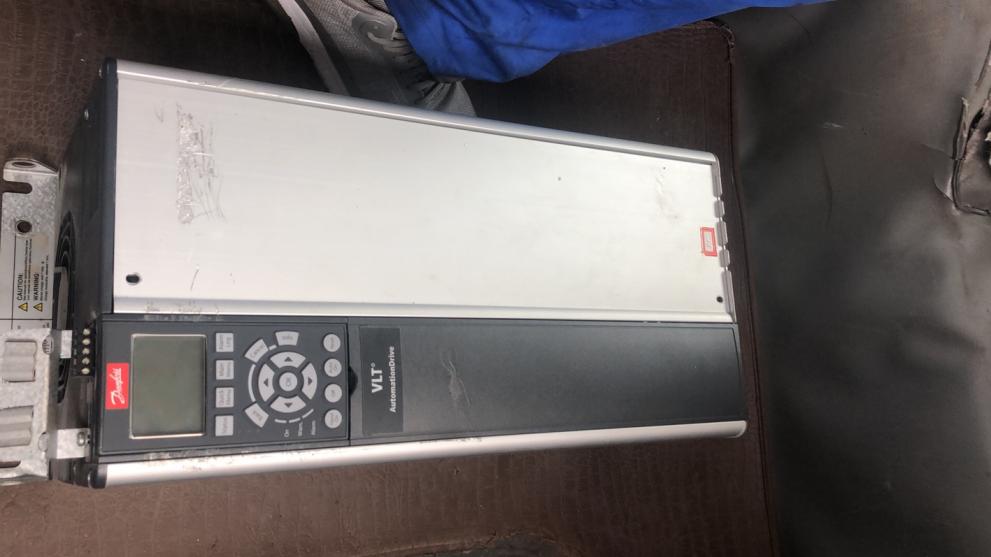





For the maintenance of Danfoss VLT series variable frequency inverters, the following is a step-by-step detailed guide and precautions:
1. Preliminary Inspection and Safety Measures
Power-off operation: Ensure the variable frequency inverter is completely disconnected from power, and then disconnect the main power supply and wait for the capacitors to discharge (at least 5 minutes, confirm no residual voltage with a multimeter).
Appearance Inspection:
Inspect for any visible burn marks, capacitor bulging, circuit board discoloration, or component damage.
Check if the cooling fan is operating normally and if the ventilation openings are blocked.
2. Common Fault Diagnosis
# A. Power Issues
Symptoms: No display upon power on, power indicator light is not illuminated.
Possible Causes:
Fray melt (check input side).
Rectifier modules (such as diodes, IGBTs) breakdown (tested with a multimeter in the diode mode).
Power Supply Failure (Check auxiliary power output voltage, such as 24V, 5V).
# B. Overcurrent/Overload Fault
Error codes: such as E.Overcurrent, E.Overload.
Troubleshooting Steps:
Inspect motor winding insulation (Megger test, insulation resistance should be >1MΩ).
Check for any short circuits or groundings in the cables.
Is the load stuck (confirm mechanical smoothness by manually rotating the motor shaft).
# C. Overheating Fault
Processing:
Clean the radiator and fans to ensure the air ducts are clear.
Check if the environmental temperature exceeds 40°C.
If the fan does not rotate, replace it with a fan of the same model (note voltage compatibility, such as 24VDC).
D. Communication Failure
Error Code: E.Communication, E.Bus Fault.
Investigation:
Check if the RS485/Modbus wiring is correct (no short circuit on A/B lines, terminal resistance matches).
Confirm if the communication chip on the control panel (such as MAX485) is damaged.
3. Key Component Inspection
Electrolytic Capacitors: Bulging or leakage requires replacement (Note: