








I. Product Introduction
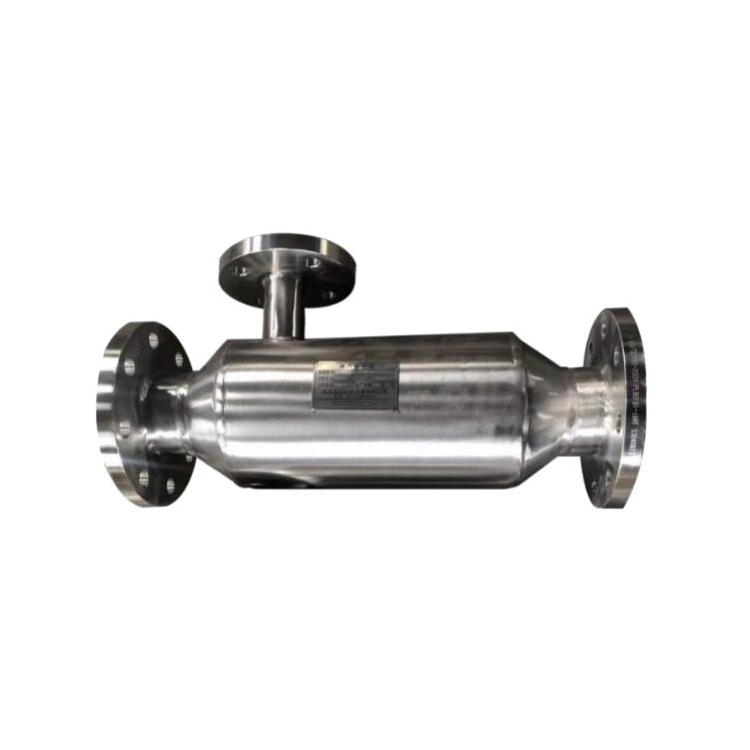
The SQS-type steam-water mixer is a new energy-saving and environmentally friendly product developed by our company. It heats water by directly mixing steam with water, featuring low noise, no vibration, high heat exchange efficiency, and energy conservation. It is widely used in domestic and industrial hot water heating systems, as well as in deoxygenation systems. Long-term operational practice has proven the product's excellent performance. Especially after our company supplies accessories like reducers, various valves, instruments, water pumps, and temperature controllers to the users, it not only brings convenience to the users but also ensures the smooth operation of the system.
II. Structure and Working Principle
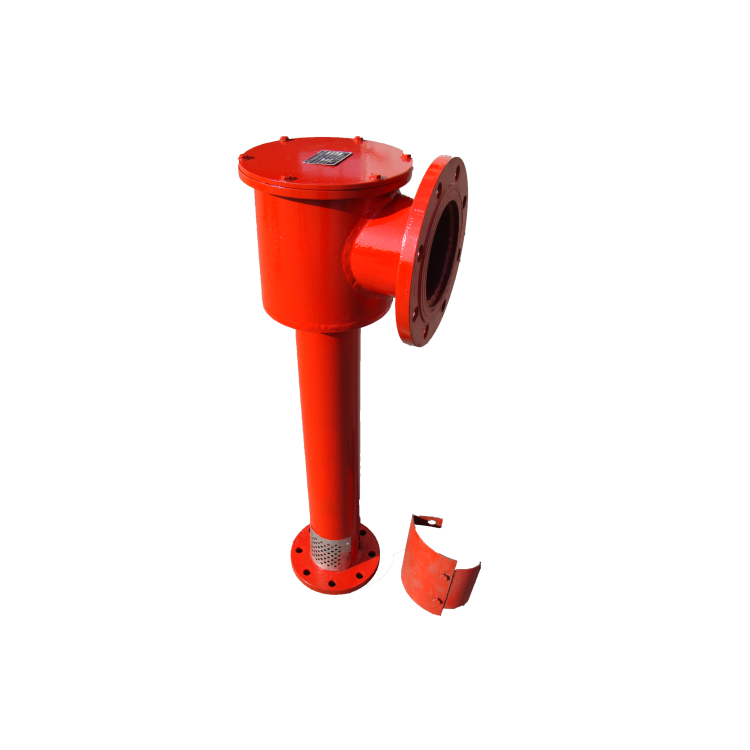
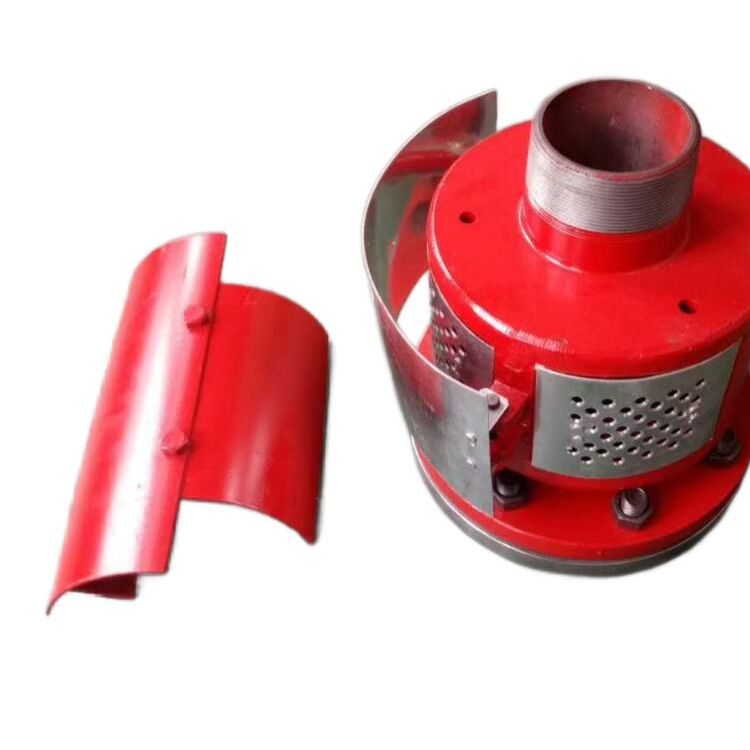
The soda water mixer is primarily composed of parts such as the nozzle, housing, and sieve plate. When heated water passes through the nozzle in a Laval shape, steam enters the water through numerous diagonal nozzles on the tube wall from the outside of the soda water mixer nozzle, instantly and effectively mixing with the water in high-speed flow to achieve the heating purpose. Adjusting the steam side valve allows for obtaining hot water at the desired temperature.

Section 3: Selection Reference
The SQS type air-water mixer is suitable for heating systems in air conditioning, heating, and domestic hot water. Select the heater based on the actual steam consumption corresponding to the water flow rate.
1. When the mixer is not supplied with steam, the water head loss at the rated flow is 5mH2O. After steam is introduced, the water head loss can be considered at 1mH2O.
2. Steam pressure exceeds water pressure by more than 0.05 MPa.
3. When using a mixer for the domestic hot water system, an intermediate water tank should be set up; it cannot be directly connected to the shower to prevent accidental incidents.
4. The mixer is suitable for installation on the suction side of the pump.

IV. SQS Type Beverage Blender Installation and Usage
1. The mixer can be installed horizontally or vertically upwards; the steam inlet should be upwards or horizontal.
2. Equipped with valves, pressure gauges, and thermometers both at the front and rear of the mixer for easy observation and adjustment of the heater's operating conditions.
3. When starting the mixer, water should be turned on first, followed by steam; when shutting down, the steam supply should be turned off first, then the water.