






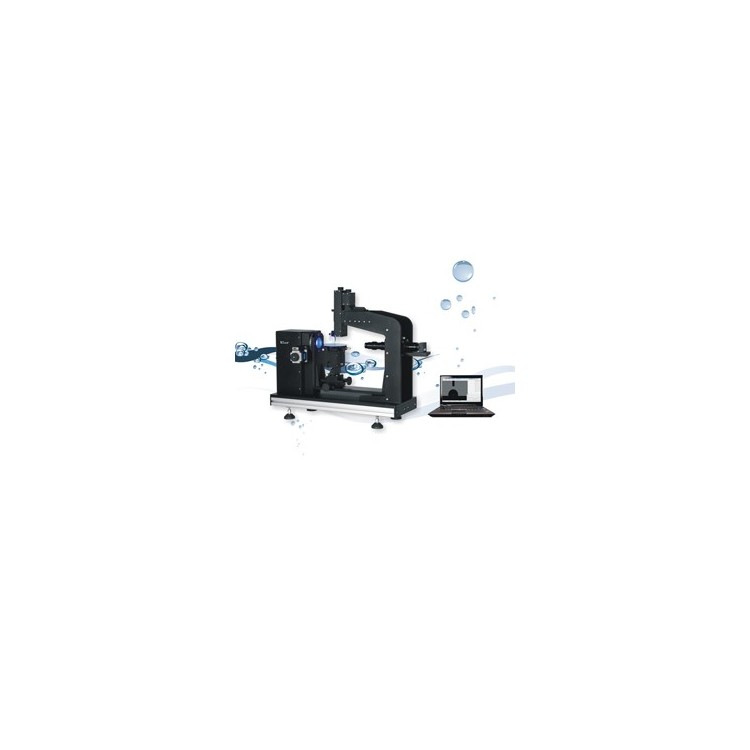

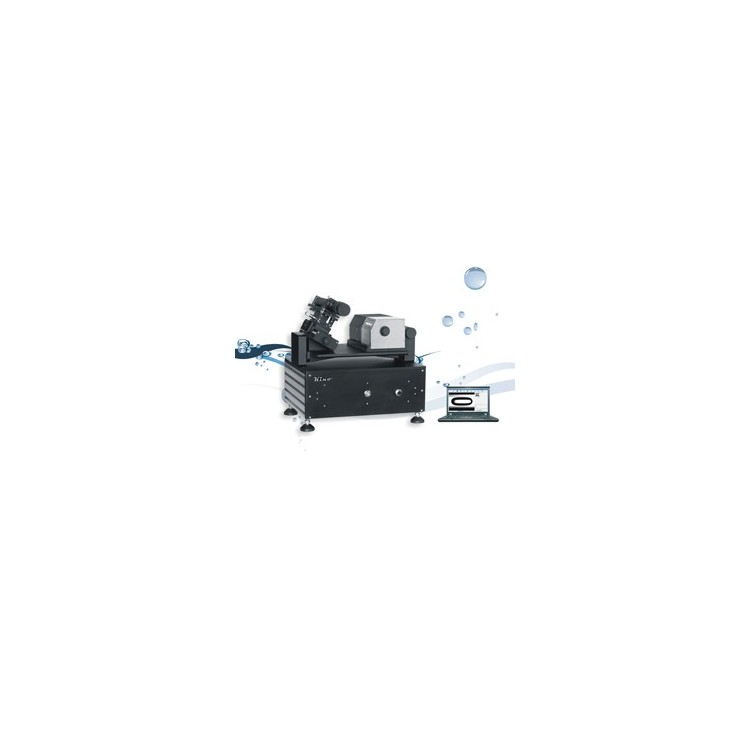
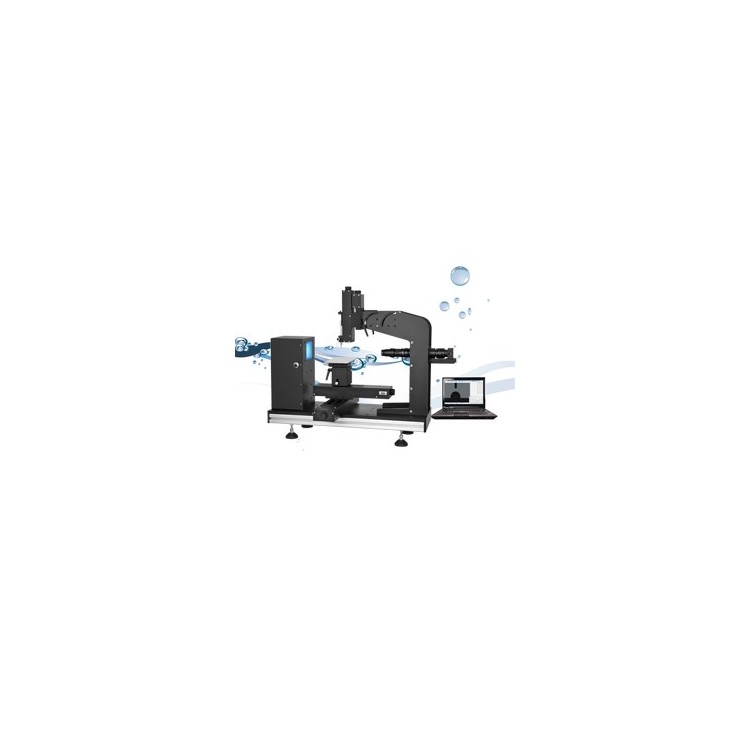

The high-temperature, high-pressure rotating drop interfacial tension and interfacial rheometer TX500HP is specifically designed for testing the interfacial rheological properties of surfactants under ultra-high pressure and high-temperature conditions, as well as interfacial tension (oil-water or oil-water-vapor) and surface tension (oil-vapor). This instrument can reach a pressure of up to 100 MPa and has a testing temperature range of -10 to 200°C. It is widely applicable for testing the interfacial chemical properties that change with pressure and temperature, particularly suitable for simulating the actual downhole operating conditions of high pressure and high temperature during the third stage oil recovery in oilfields. It can measure oil-water interfacial tension values up to 10-7mN/ m. Additionally, with a dedicated atmosphere interface, it can analyze the liquid-liquid-gas interfacial tension values under various pressure and temperature conditions, such as the interfacial tension values of surfactant aqueous solutions, crude oil, and carbon dioxide or natural gas.
The interface rheological test is conducted by altering the motor speed with either a sine or sawtooth wave. By modifying the centrifugal speed of the tested crude oil, the interfacial tension value between the crude oil and surfactant, as well as the diameter and surface area values, are changed. The phase angle and amplitude offset of the waveform are analyzed by examining the motor speed variation curve and the interfacial tension variation curve, as well as the droplet diameter variation curve. This analysis further reveals the dynamic interfacial tension changes of the surfactant, the viscoelastic coefficient, and the elastic modulus of the crude oil, among other parameters.
Principle:
The increment of system free energy when the unit interfacial area is increased under isothermal and isobaric conditions is referred to as interfacial tension. This system originates from the different attractive forces between the molecules on either side of the interface and the molecules on the interface itself. Unlike the usual interfacial tension tests, the rotating drop test technique can achieve measurements for low andChao LowAnalysis of interface tension, where conventional methods such as the Platinum Plate method, Platinum Ring method, pendant drop method, and stop drop method all fail to achieve such measurement values.
Generally, we refer to 10-2-10-1Low interfacial tension is referred to as mN/m, while reaching 10-3Interfacial tension below mN/m is referred to as ultra-low interfacial tension. To determine...Low ChaoInterface Tension: It requires manually altering the balance between gravity and the system's interface tension, so that at equilibrium, the droplets are closer to the ideal shape for measuring the interface tension value. This can be achieved by rotating the system, thereby increasing the effect of the centrifugal force field. This is what is referred to as the rotating drop.Chao LowPrinciple of interfacial tension test.
Actual Sample:
Generally, the interfacial tension value decreases with an increase in pressure and temperature. As shown in the figure, the interfacial tension between wastewater and kerosene with water clearly shows a decrease in diameter and volume. However, in the comparative image of interfacial tension between crude oil and surfactant aqueous solution, it can be seen that under increased pressure conditions, the interfacial tension value between crude oil and surfactant aqueous solution significantly increases (diameter thickens, shape becomes nearly spherical). This phenomenon indicates that different surfactants have varying temperature and pressure conditions for their action. Some surfactants do not function under high temperature and high pressure conditions, and no longer lower the liquid-liquid interfacial tension value. The ultra-high temperature, high-pressure rotating drop interfacial tension instrument provides users with an effective tool for evaluating the mechanism of lowering surface tension or interfacial tension under high temperature and high-pressure conditions, particularly crucial for the study of improved oil recovery in the oilfield industry.