






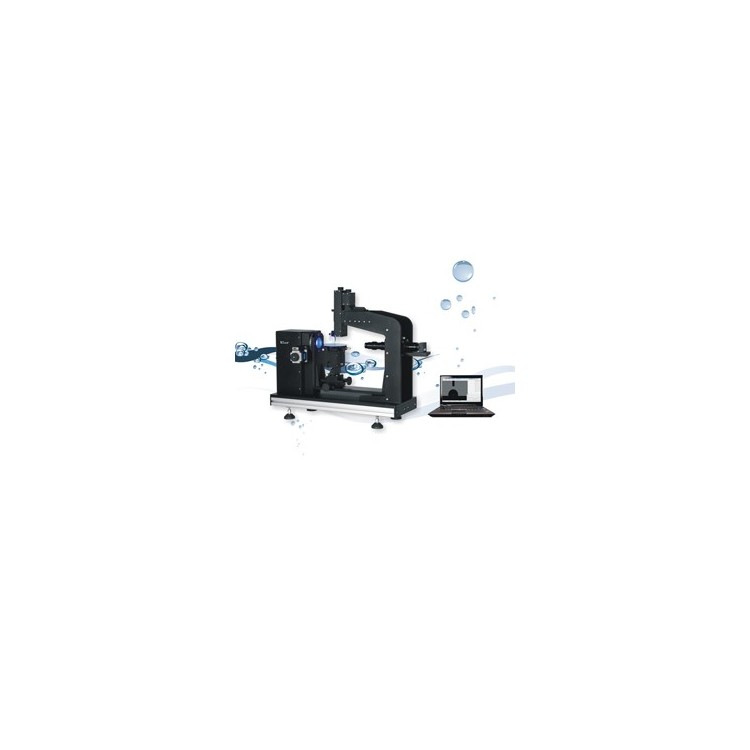

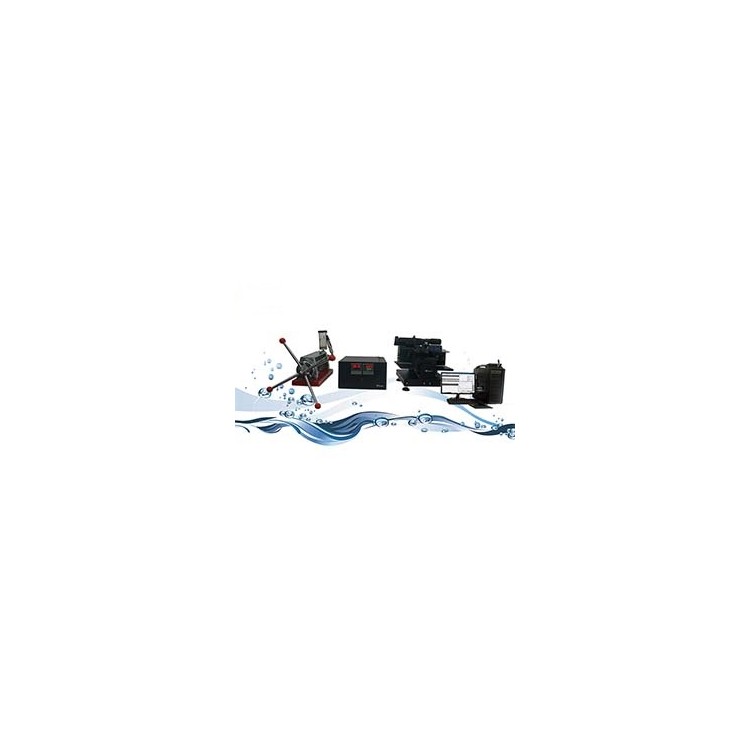
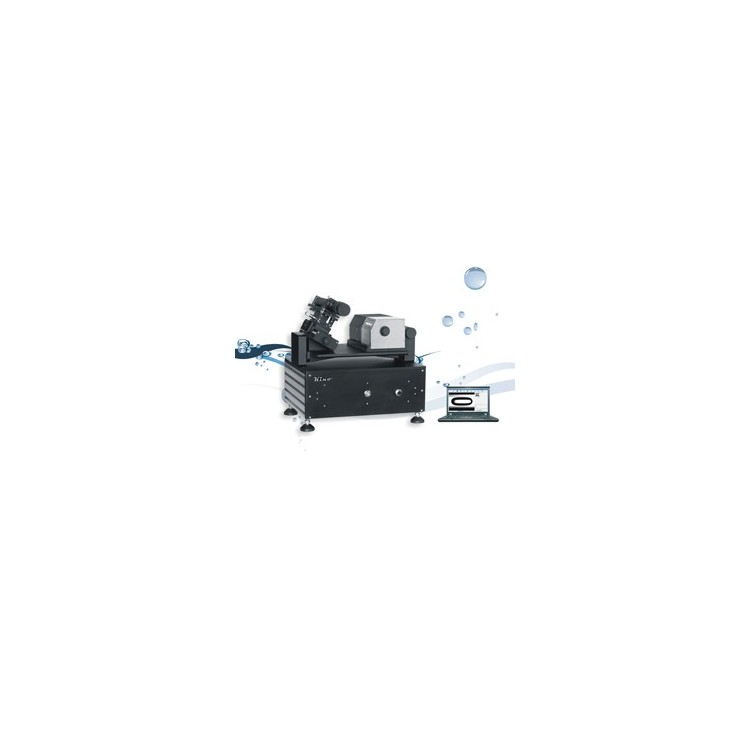
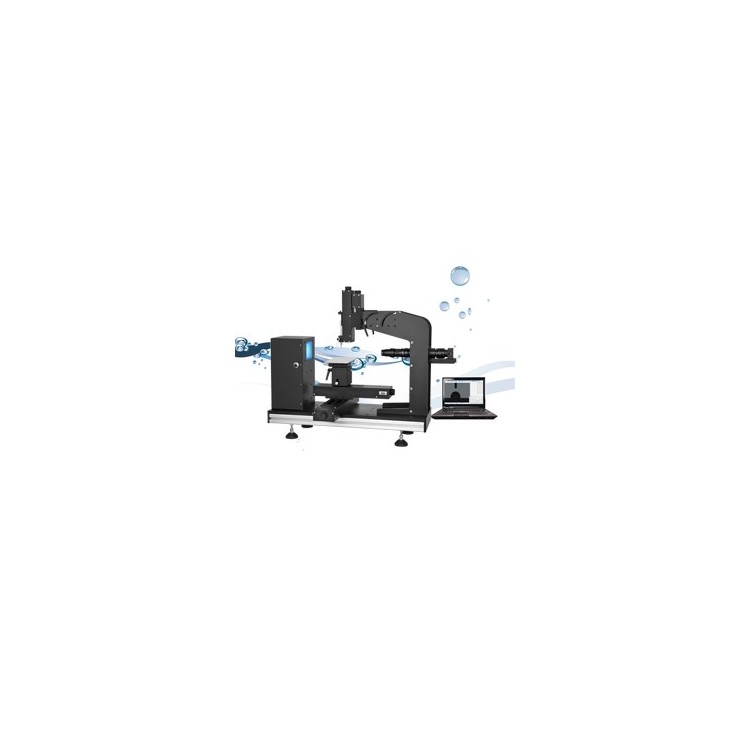
The High-Temperature High-Pressure Rotating Drop Interfacial Tensiometer TX500HP is specifically designed for measuring interfacial tension (oil-water or oil-water-liquefied gas) and surface tension (oil-gas) under ultra-high pressure and high-temperature conditions. This instrument can reach a pressure of up to 100MPa and has a testing temperature range of -10 to 200°C. It is widely applicable for testing the interfacial physicochemical properties that change with pressure and temperature, particularly suitable for simulating the actual high-pressure, high-temperature conditions of crude oil and ternary, binary fluids during the third stage of oil recovery in oil fields, as well as for testing the interfacial tension between crude oil and an oil displacer-liquefied gas. The oil-water interfacial tension values measurable by this instrument can reach up to 10-7mN/ m. Additionally, with a dedicated atmosphere interface, it can analyze the liquid-liquid-gas interfacial tension values under different pressure and temperature conditions, such as the interfacial tension values of surfactant aqueous solutions, crude oil, and carbon dioxide or natural gas.
Principle:
The increment of system free energy when the unit interfacial area is increased under isothermal and isobaric conditions is referred to as interfacial tension. This system originates from the different attractive forces of molecules on both sides of the interface to the molecules on the interface. Unlike the interfacial tension tests under normal conditions, the rotating drop test technique can achieve the analysis of low interfacial tension, while methods such as the platinum plate method, platinum ring method, pendant drop method, and stop drop method, etc., cannot achieve such measurements.
Generally, we consider 10-2-10-1Low interfacial tension is referred to as mN/m, while reaching 10-3Interfacial tension below mN/m is referred to as ultra-low interfacial tension. To determine...Chao LowInterface Tension: It requires manually altering the balance between gravity and the system's interface tension to make the droplets closer to the ideal shape for measuring the interface tension value. This can be achieved by rotating the system, thereby increasing the effect of the centrifugal force field. This is the principle behind the rotating drop method for low interface tension testing.
Actual Sample:
Typically, the interfacial tension value decreases with the increase of pressure and temperature. As shown in the figure, the interfacial tension of wastewater and kerosene with water clearly shows a decrease in diameter and volume. However, in the comparison image of the interfacial tension between crude oil and surfactant aqueous solution, it can be seen that under conditions of increased pressure, the interfacial tension value between crude oil and surfactant aqueous solution significantly increases (diameter becomes thicker, shape becomes nearly spherical). This phenomenon indicates that there are differences in the temperature and pressure conditions under which different surfactants act. Some surfactants do not exhibit their surface-active mechanism under high temperature and high pressure conditions and no longer reduce the liquid-liquid interfacial tension value. The ultra-high temperature, high-pressure rotating drop interfacial tension meter provides users with an effective tool for evaluating the mechanism of reducing surface tension or interfacial tension under high temperature and high-pressure conditions, which plays a crucial role in the research on improving oil recovery in the oilfield industry.