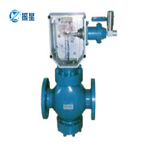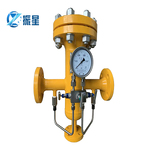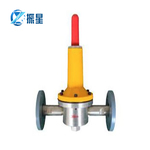








I. Product Introduction
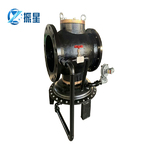
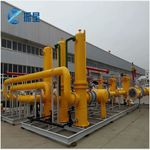
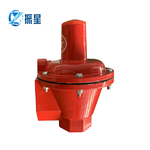
1. Application: This regulator is widely used for natural gas and other non-corrosive gases (can be assembled into pressure regulating skids, stations, etc.). Used for indirect...Natural GasUnits, gas boilers, community gas supply, and pressure reduction for large kilns.
2. Features: Large flow capacity: Fast response, low pressure difference, high stability precision; Simple structure, easy maintenance.
II. Main Technical Parameters
Import Pressure P1: 0.01~0.4 MPa
Export Pressure P2: 5~300 KPa
Rated Flow Rate: 500~25,000 Nm³/h (This product features low import pressure and high flow rate)
Stabilization Accuracy δP2: ±15%
Shut-off Pressure Pb: ≤1.2P2
Operating Temperature: -20°C to 60°C
Nominal Pipe Size: DN300
Section 3: Structural Diagram
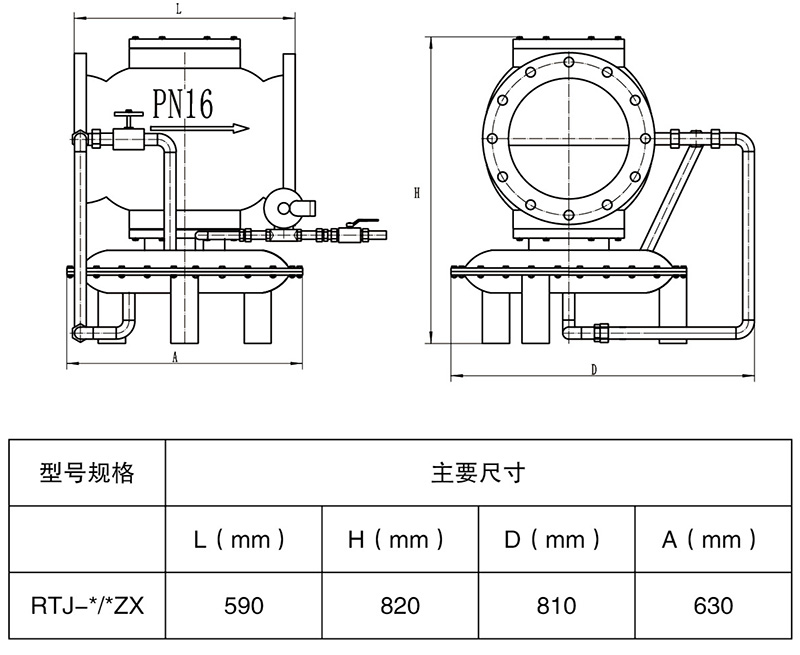
4. Structure and Principle
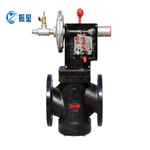
The RTJ-*/*ZX type pressure regulator is an indirect-acting regulator, consisting of a diaphragm, actuator, and valve body. The regulator's diaphragm divides the control valve into two chambers. One chamber is connected to the downstream outlet pressure (P2), while the other chamber is connected to the load pressure (P3) adjusted by the actuator based on the outlet pressure. Due to the insufficient pressure difference between the load pressure (P3) and the outlet pressure (P2), the main valve spring exerts force on the diaphragm, pushing the valve towards the closed position. As the load pressure (P3) on one side of the diaphragm gradually becomes greater than the sum of the spring and outlet pressure, the valve opens. When the pressures on both sides are balanced, the valve remains open, and the adjusted pressure is the system's set outlet pressure. Changes in the required gas flow will alter the outlet pressure. The valve opens or closes under the control of the load pressure (P3) regulated by the actuator to deliver the required gas flow, thereby ensuring the stability of the outlet pressure.
Section 5: Installation
Installer the pressure regulator
(1) Horizontal installation required; the outlet pipe diameter of the regulator must not be smaller than the inlet pipe diameter of the regulator. To ensure normal operation of the regulator, a single filter must be installed upstream.
(2) To ensure safety, a high-pressure cutoff valve must be installed upstream of the regulator.
(3) The signal pipes for regulators and cut-off valves should be installed at a location with a more stable outlet pressure (usually the outlet pressure has been adjusted according to the specific pressure requirements of the user before shipment).
(4) During operation, valves should be opened extremely slowly under any circumstances to prevent strong air flow from damaging downstream equipment of the pressure regulator.
2. Pressure Regulator Installation
The equipment installation is very simple; just connect the进出口 flanges to the gas pipeline network and ground it statically. Note that the flanges should not be forced into place. After the equipment is installed, the external pipes should undergo pressure and gas tightness tests. All valves on the equipment should be closed during the test (the equipment has been strictly tested before shipment), otherwise it may cause damage to the equipment.
Section 6: Usage, Maintenance, and Care
1. Utilize
After installation, first slightly open the import and export valves, then fully open them once the pressure stabilizes.
2. Maintenance
Based on the degree of purification of the gas quality, schedule maintenance every 3-6 months to remove dirt, with particular attention to cleaning the valve openings. Timely replacement of seals, diaphragms, O-rings, and other components is required; after maintenance, ensure all parts are intact and assembled correctly, ensuring smooth operation and clear signaling lines. After maintenance and installation, use soap water to check for any leaks in all connected sealing points. Reset the inlet and outlet pressures after the maintenance.
3. Maintenance
Please replace the seal when you find that the valve gasket and rubber seal have obvious expansion and deformation.
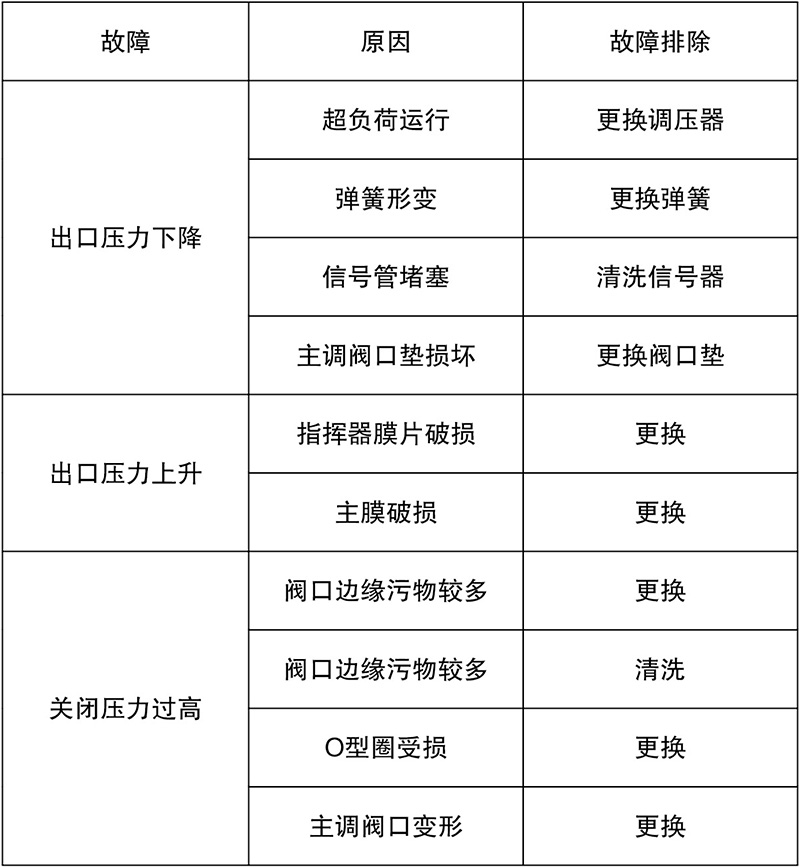
7. Causes of Failure and Solutions
Section 8: Order Instructions:
Customers must provide the following parameters when placing an order:
1. Gas Types
2. Gas import/export pressure range (max value, normal value, min value)
3. Gas Flow Rate
4. Special requirements in the optional features;
5. Other customer requirements
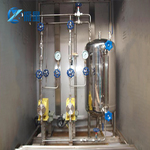
6. Our factory can design and produce various pressure-reducing cabinets and assembled configurations according to customer requirements.