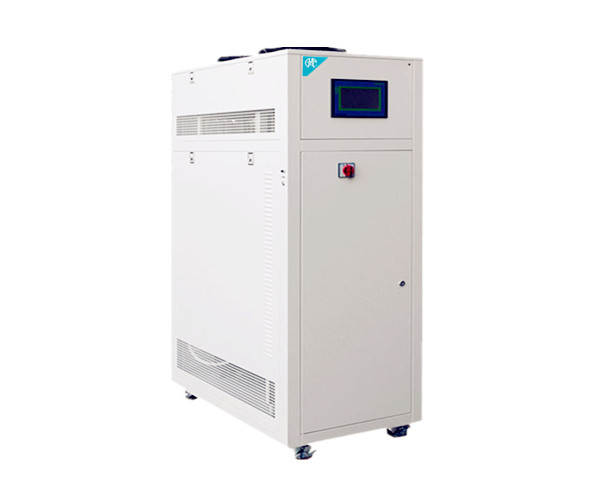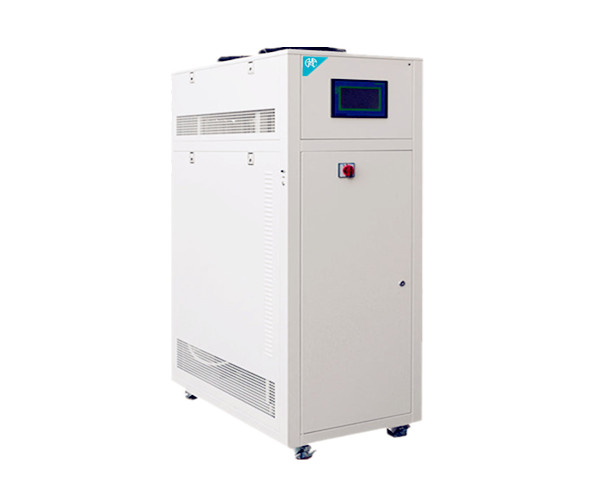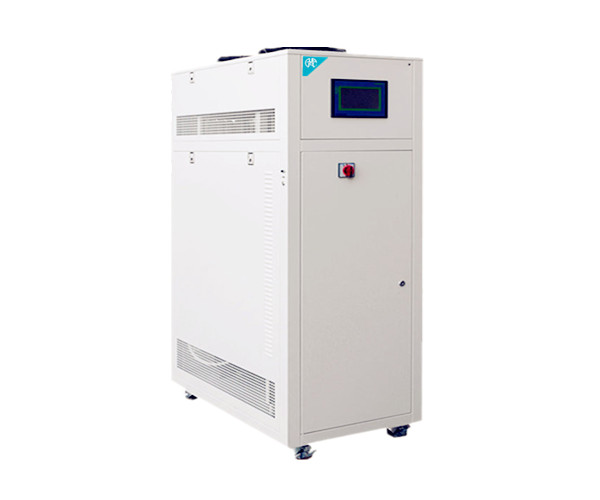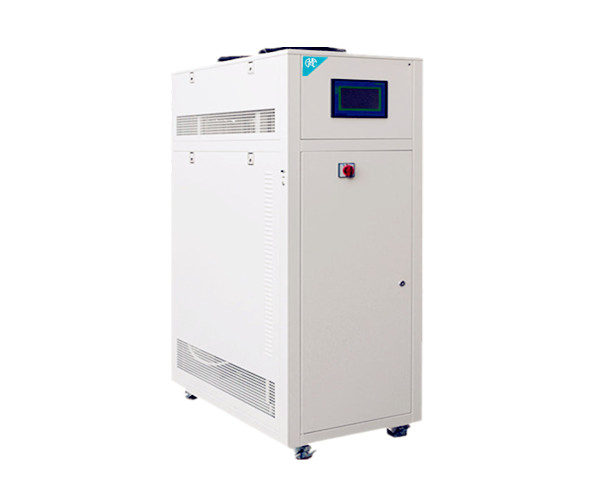



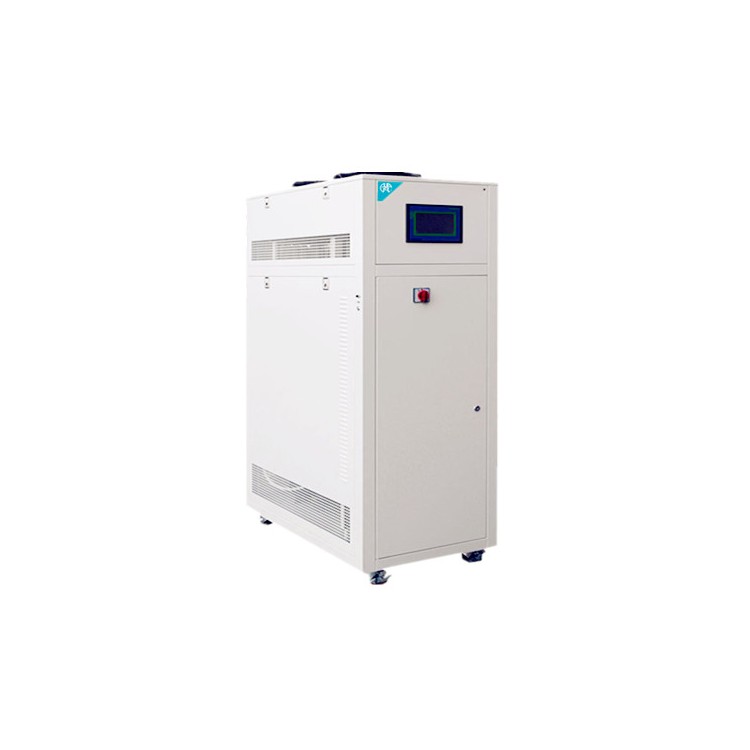
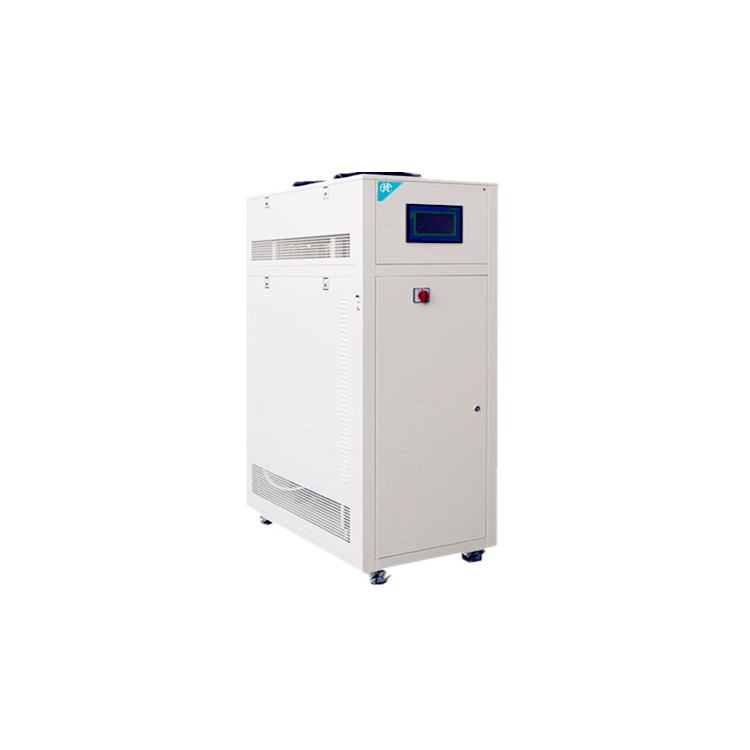
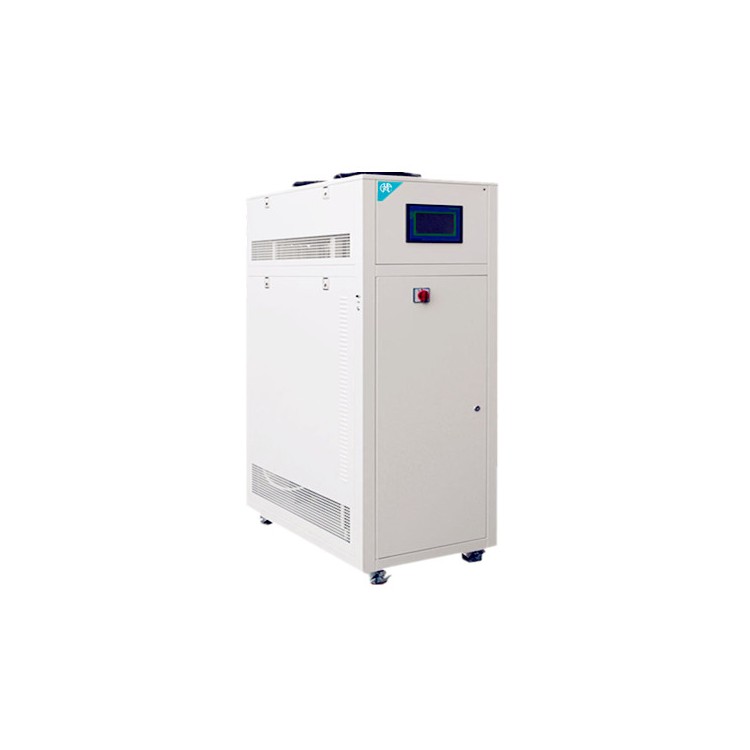
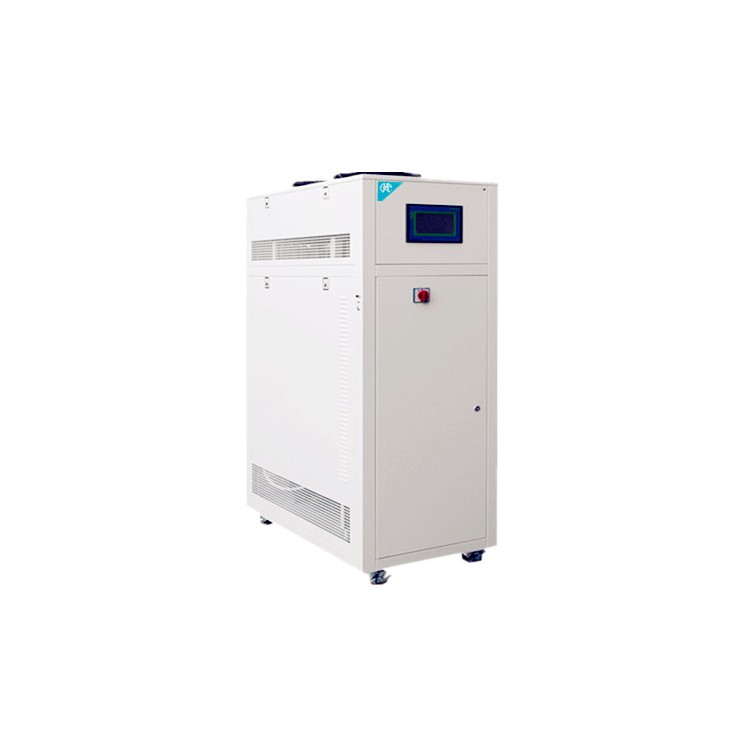







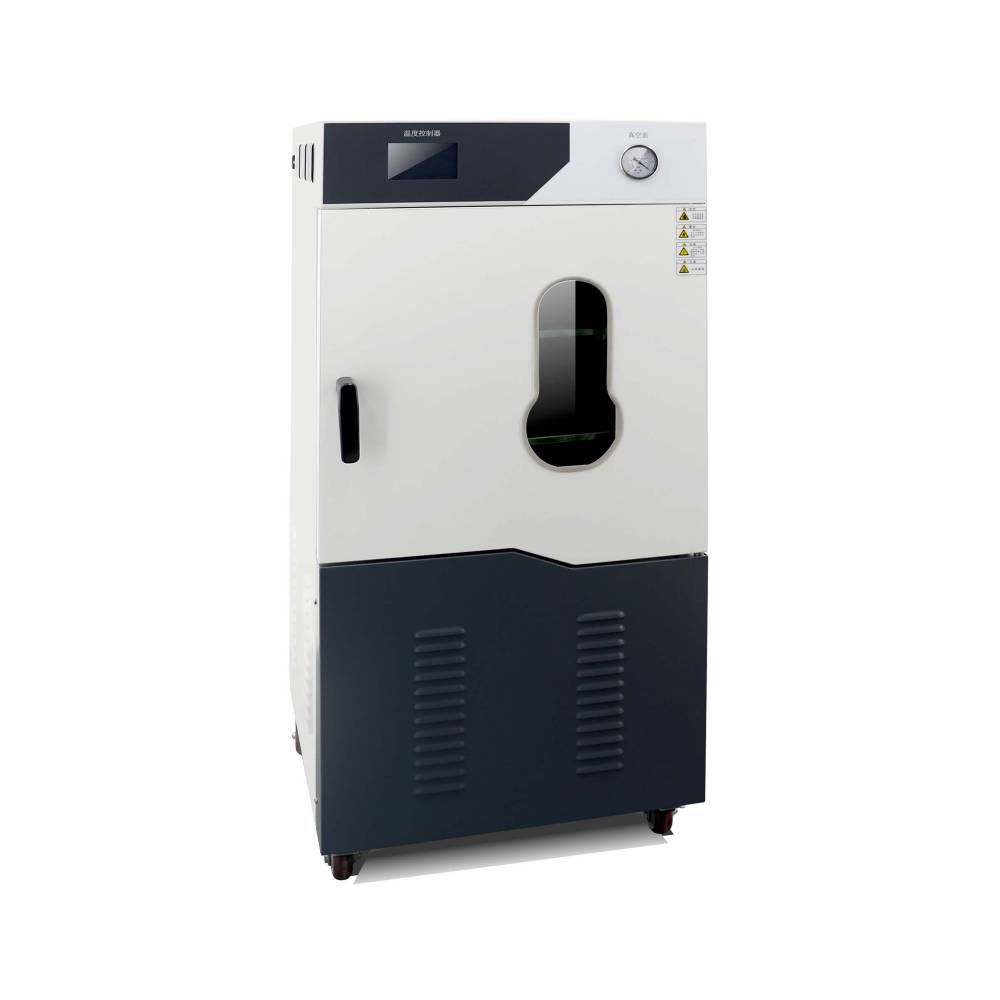
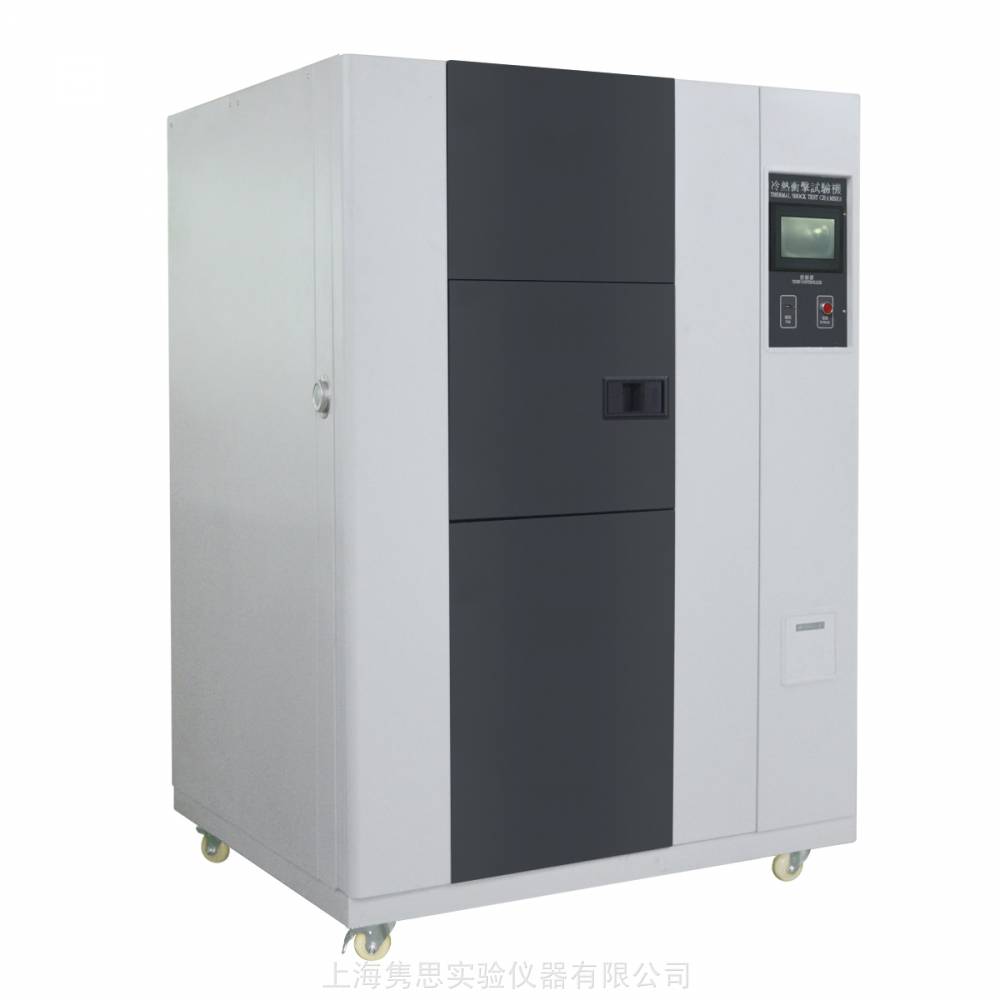
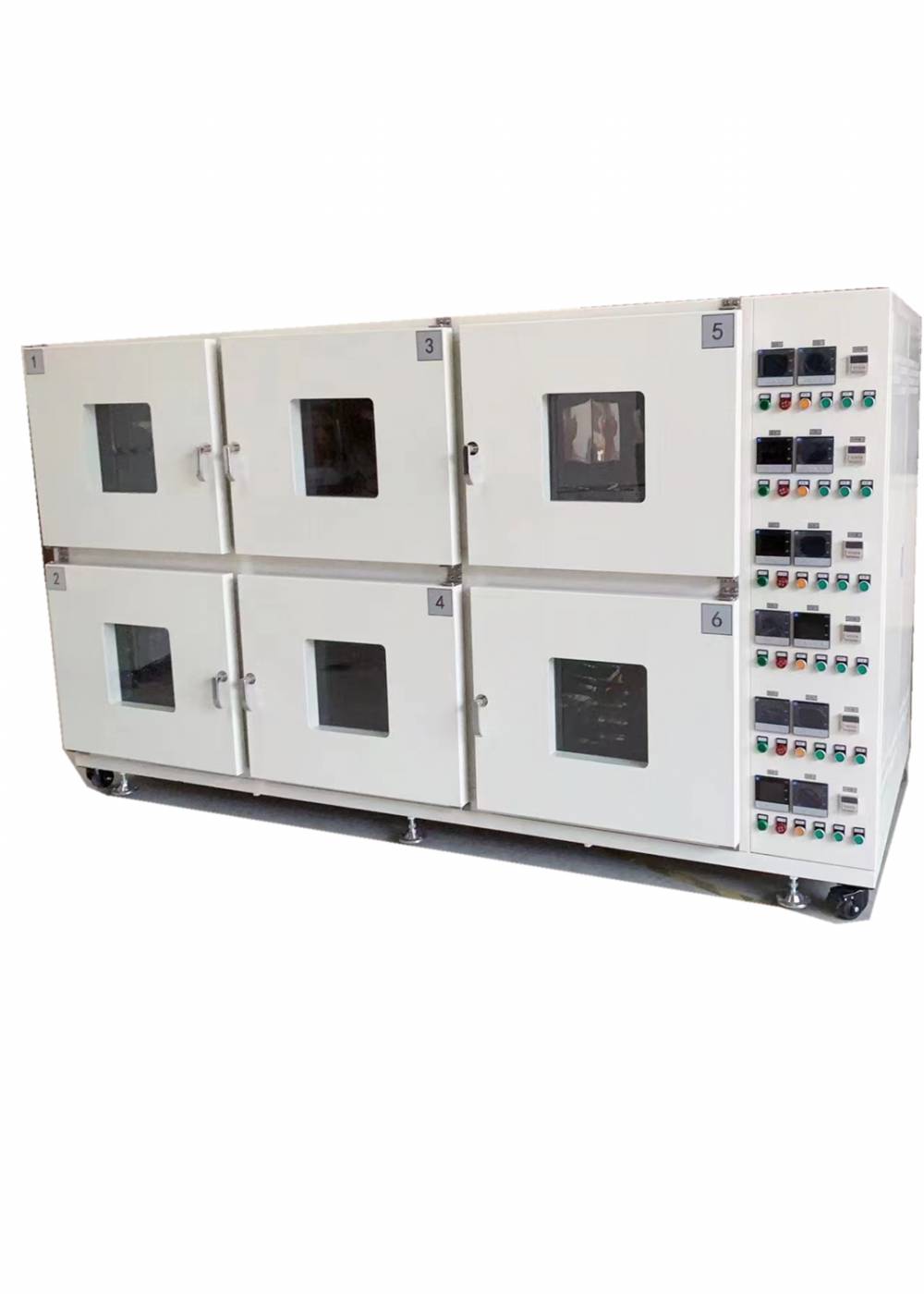
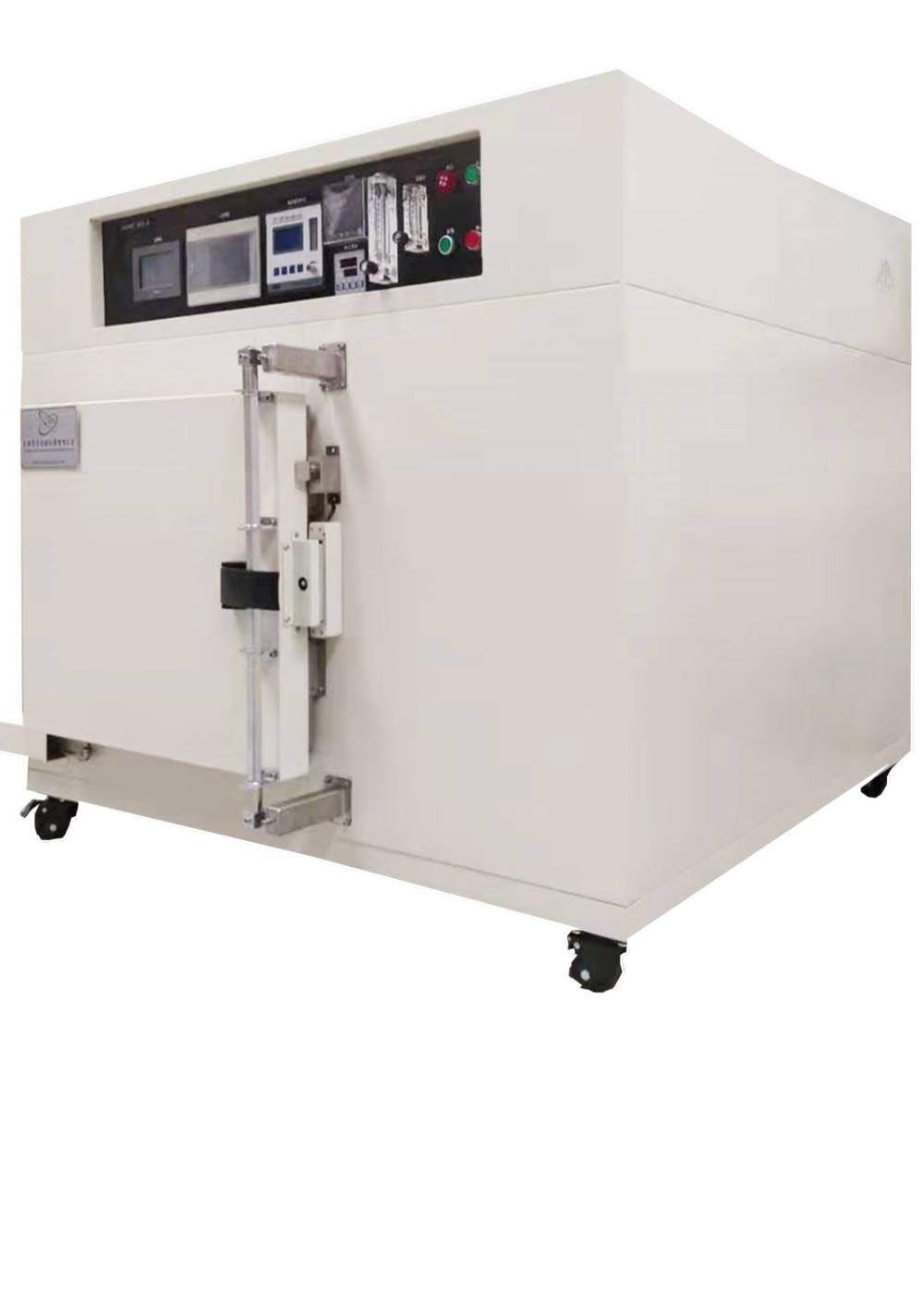
Ultra-Low Temperature Impact Box - Wide Temperature Range from -100 to 100°C Impact Test Chamber - -100°C Impact Test BoxPerformance:
Cooling Method: Mechanical Refrigeration
Studio size: 500×400×500mm (Depth×Width×Height)
Dimensions; Actual dimensions apply.
Control System: Balanced Temperature Control System (BTC)
High-temperature chamber: 60°C to 200°C
Preheat Time: Approximately 20 minutes
Low temperature room: -150℃ to 30℃
Preheat Time: 20'C to 15℃ - approximately 100 minutes
Test Temperature Range: -100℃ to 100℃
Recovery Time: Within 5 minutes
Exposure Time:
Exposure to high temperatures for 30 minutes
Exposure to low temperatures for 30 minutes
Temperature Fluctuation: ±1.0℃
Temperature Deviation: ≤+2.0℃
Anti-condensation agent
Controller: Touchscreen
Compressor Brand: Imported
Refrigerants: Eco-friendly Refrigerants
Cooling Method; Water Cooling
Test hole; 1 on the left.
Meets the relevant national and military standard testing requirements.
Ultra-Low Temperature Impact Box - Wide Temperature Range (-100~100°C) Shock Test Box, Principle of -100°C Impact Testing Box:
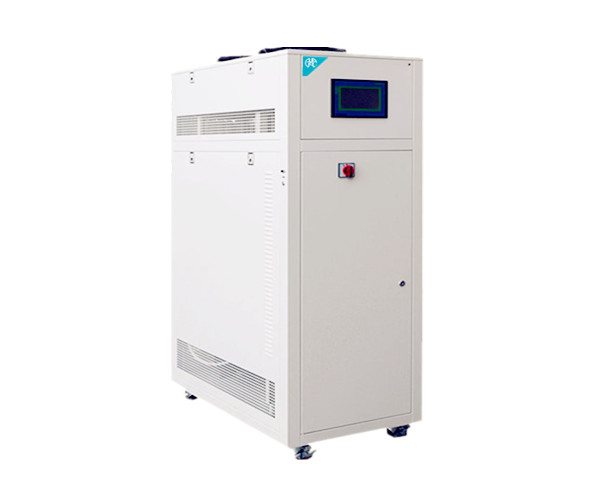
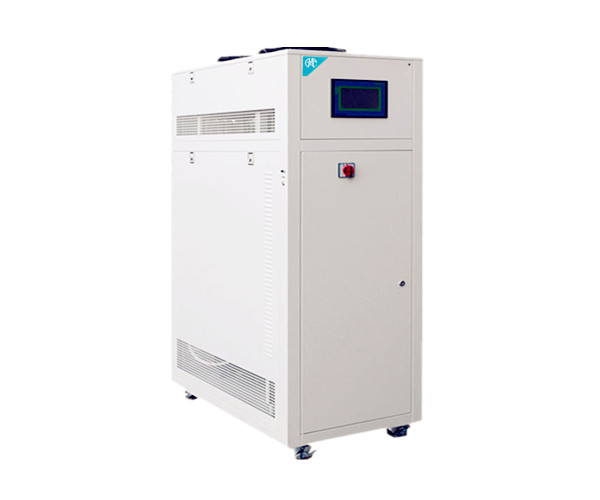
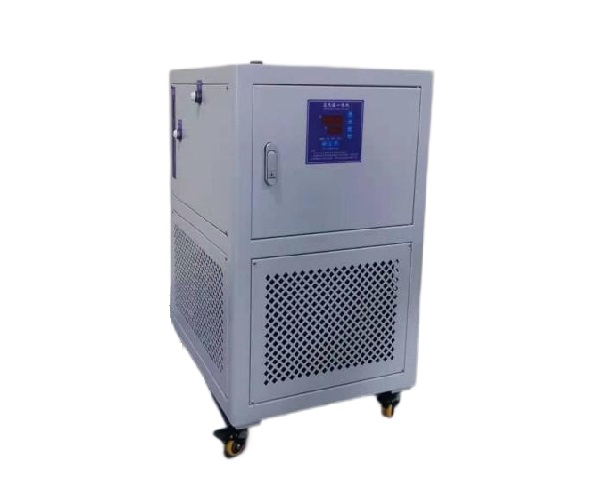
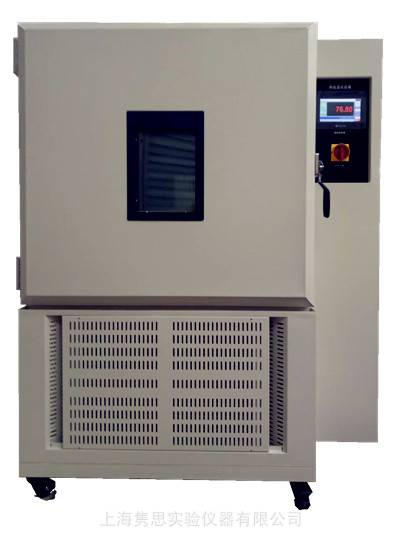
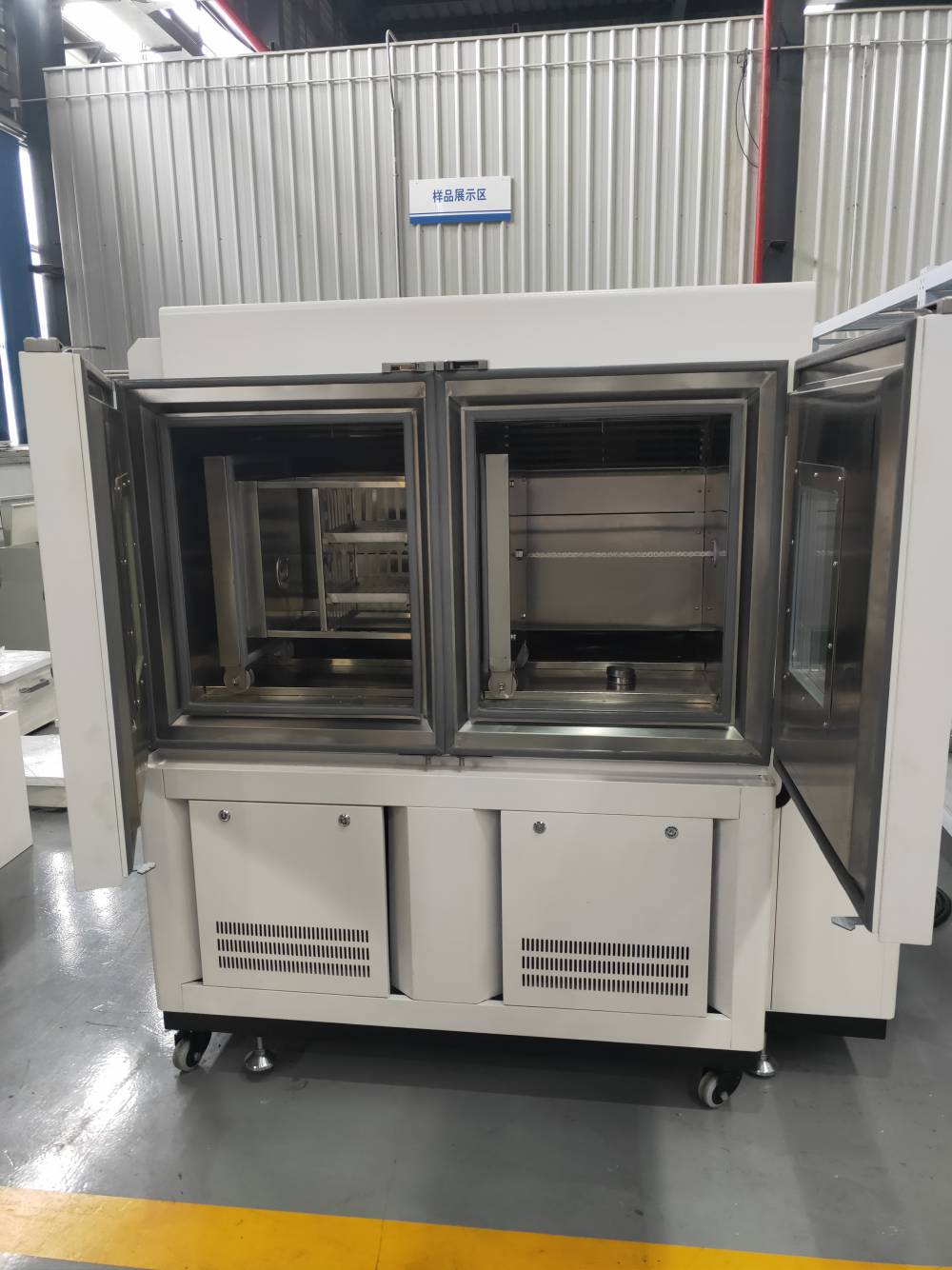
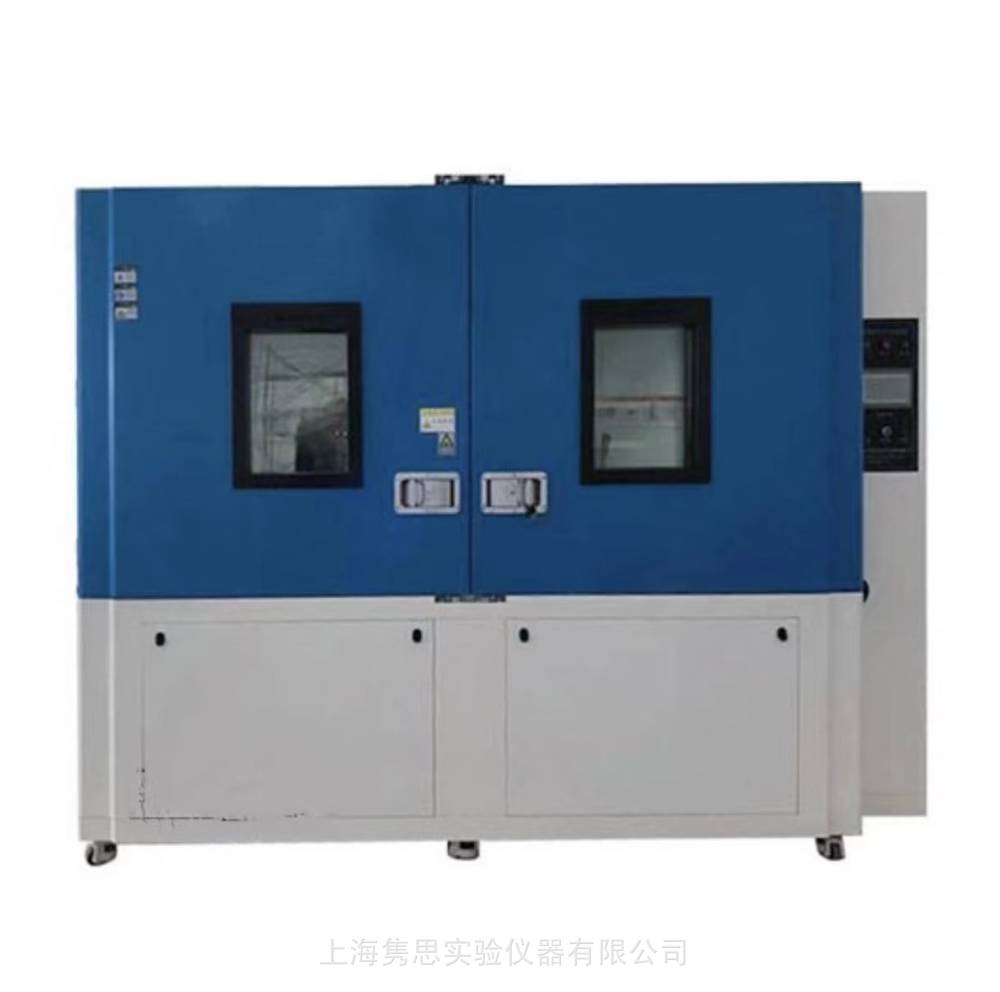
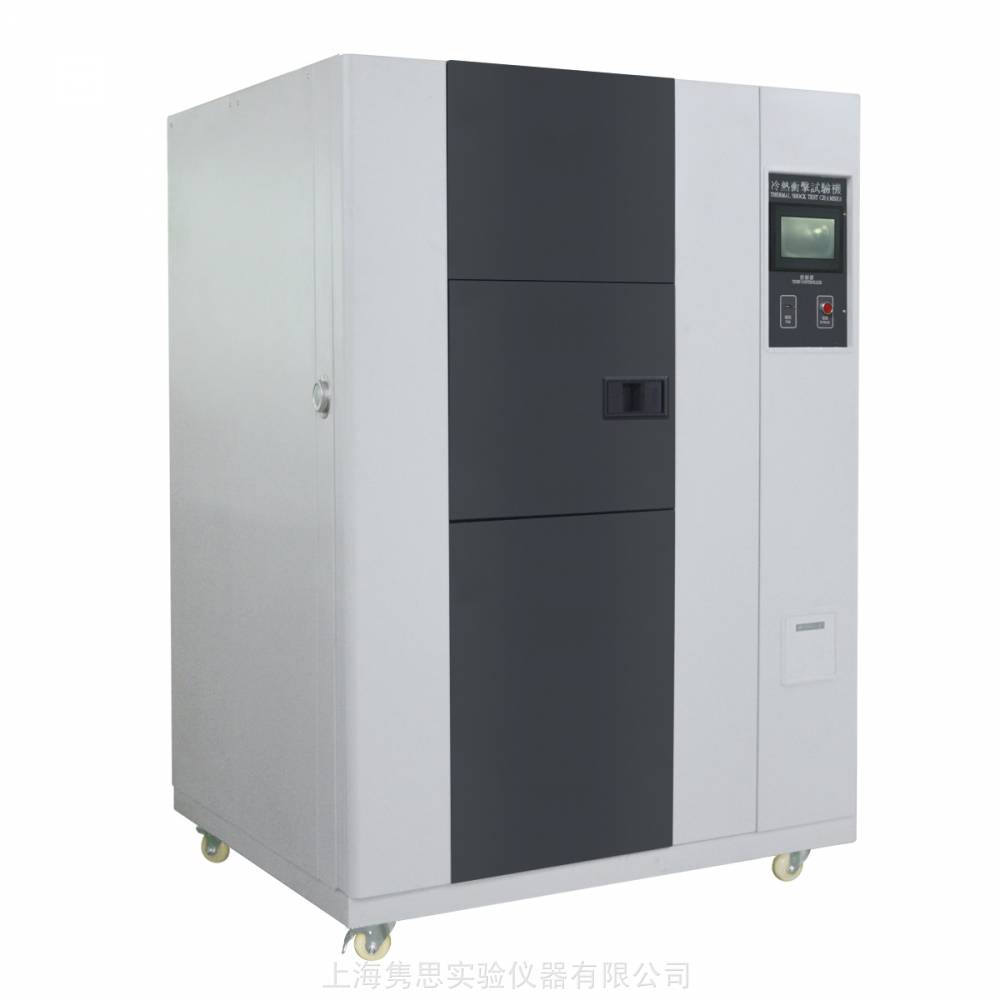
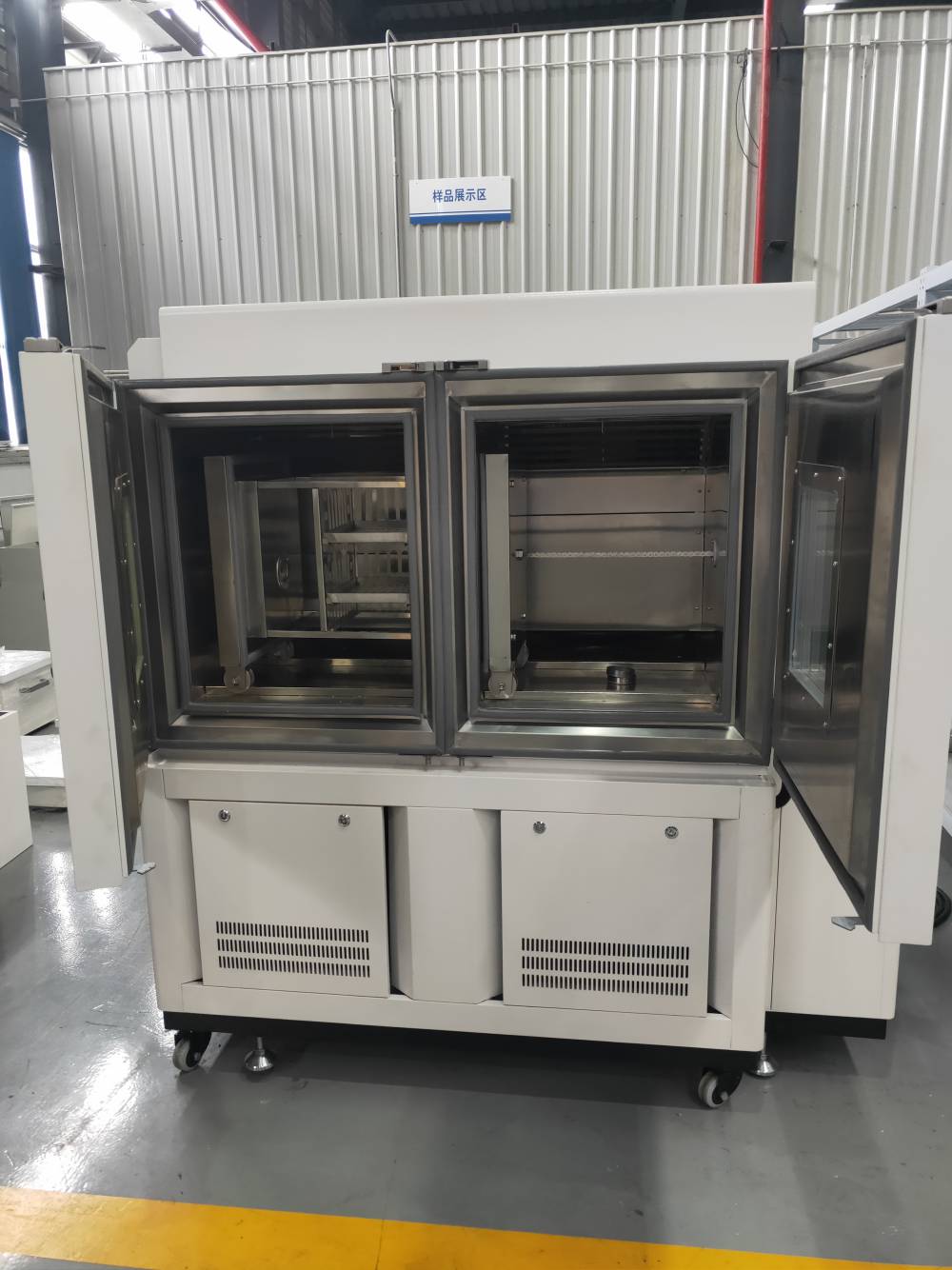
The High and Low Temperature Shock Test Chamber is primarily composed of six parts: the structural system, refrigeration system, heating system, air conditioning system, control system, and safety system. The structural system includes the test chamber, freezing chamber, and electrical control chamber. The test product is placed in the test chamber to endure various high and low temperature tests. The freezing chamber is used for installing refrigeration components, and the electrical control chamber is for the installation of electrical control components. The outer shell of the chamber is made of cold-rolled steel plate with electrostatic spray painting, and the inner shell is made of high-quality 304 stainless steel plate. The door is equipped with a large observation window in the middle, along with observation lights, allowing users to clearly see the test conditions of the samples. The overall appearance is aesthetically pleasing. The insulation layer consists of rigid polyurethane foam and ultra-fine glass wool, offering high strength, excellent thermal insulation, and high-temperature resistance. The main temperature control instrument uses a self-developed PLC touch screen humidity and temperature control instrument, with user-friendly operation and ease of use. The input is equipped with a digital calibration system, with built-in common thermocouple and thermistor non-linear calibration tables for stable measurement. It features PDI intelligent adjustment, 0.03 level humidity and temperature display accuracy, and multiple alarm modes. Heating and cooling are independent, using a cold and hot counter-control temperature method (optional for cold quantity control method, energy-saving up to 30%). It uses steam humidification and refrigeration dehumidification methods (optional for dry air blowing dehumidification system, capable of handling low temperature and low humidity conditions such as -30℃ 30%, 5℃ 5%, etc., to avoid frost formation on the product surface during rapid cooling). The refrigeration system uses a fully imported compressor unit, selecting single-stage refrigeration (-80℃) or single-stage self-heat recovery refrigeration (-150℃) based on different extreme temperature positions, with an automatic control and safety protection coordinated system.
Ultra-Low Temperature Impact Box - High and Low Temperature Impact Box from -100 to 100°C; Application: Impact testing at -100°C
Ultra-Low Temperature Impact Tester, -100~100°C High and Low Temperature Impact Tester is an essential testing equipment for industries such as metal, plastic, rubber, and electronics. It is used to test the structural or composite materials' ability to withstand extreme high and low temperatures in a continuous environment. This allows for the detection of chemical changes or physical damage caused by thermal expansion and contraction of the sample in the shortest possible time.