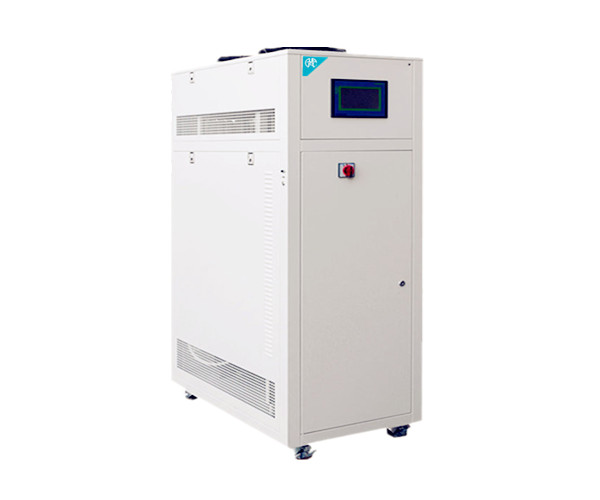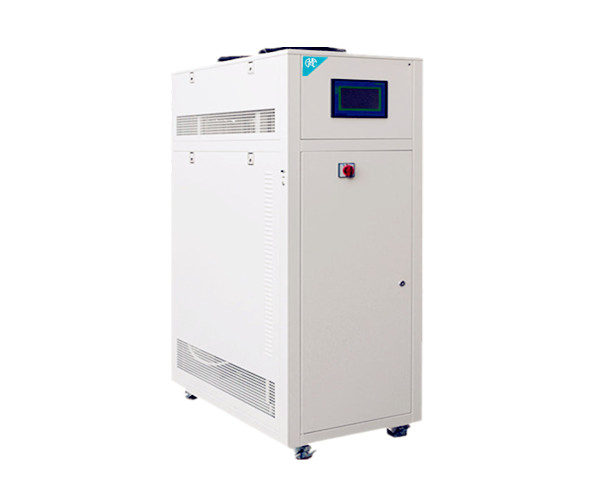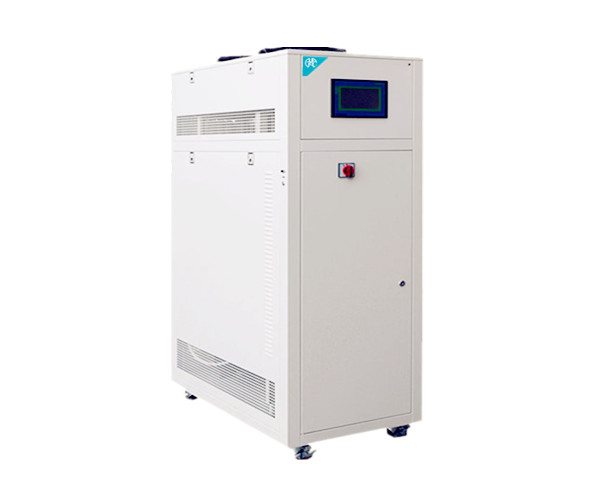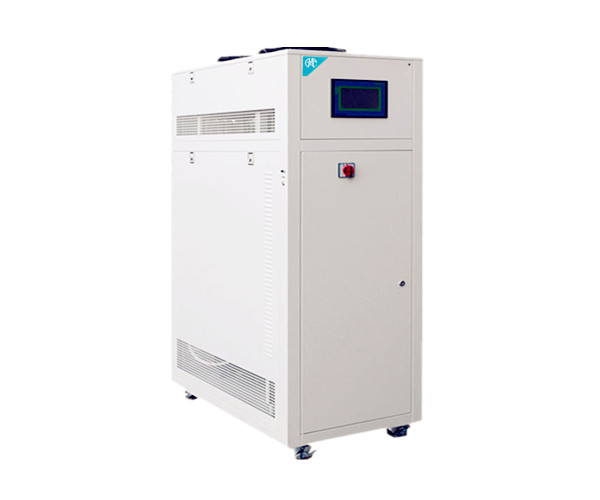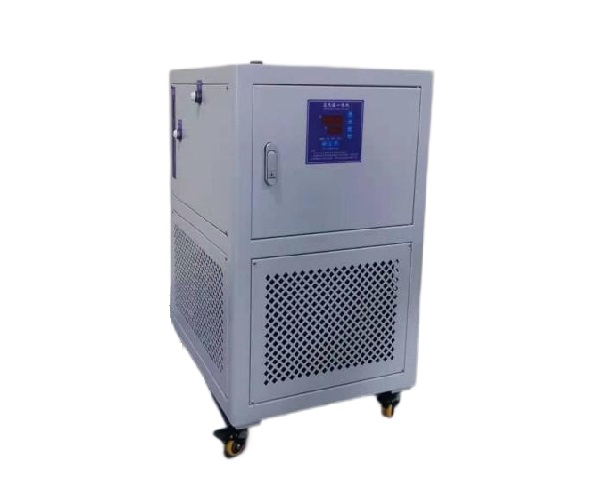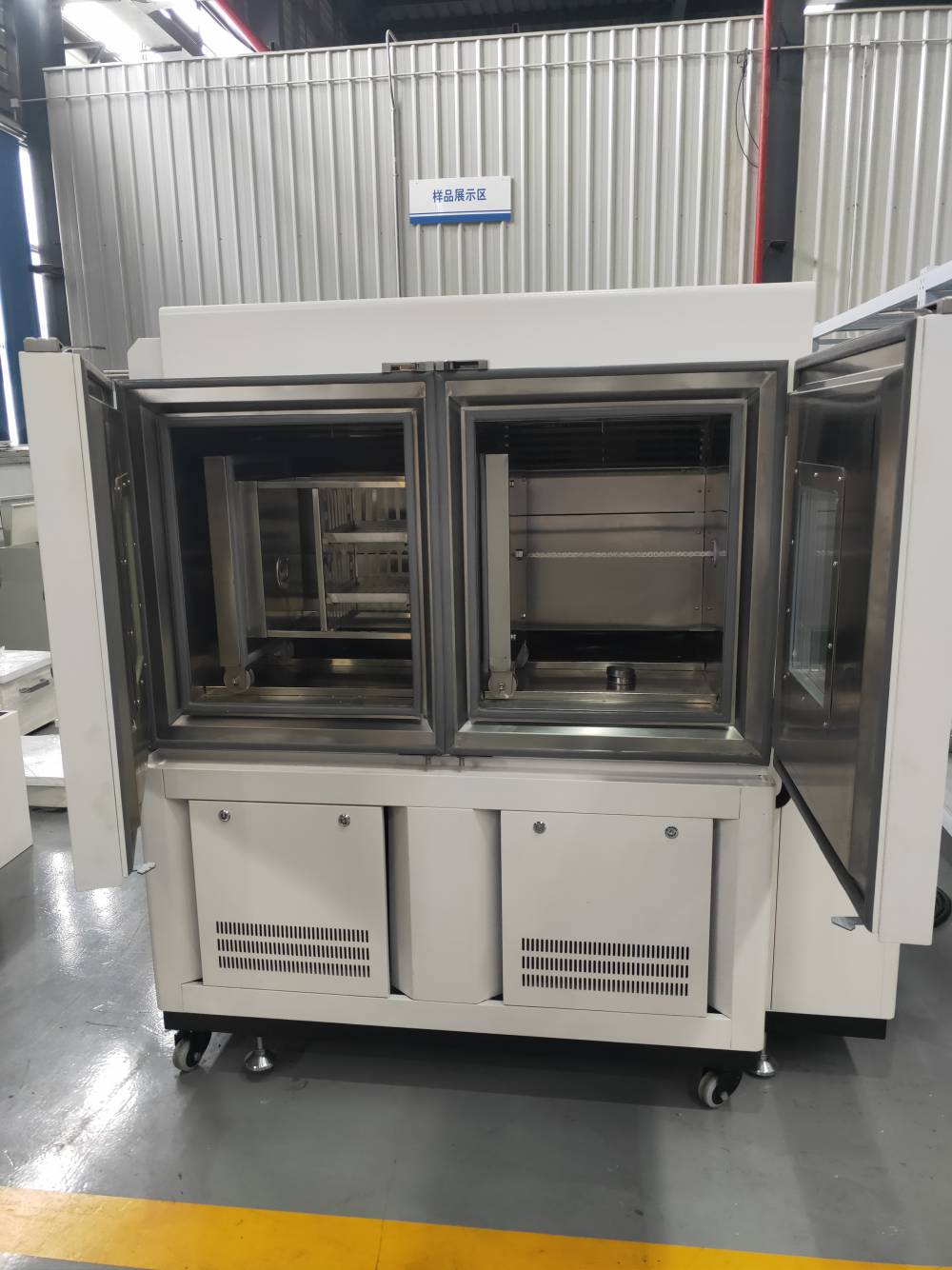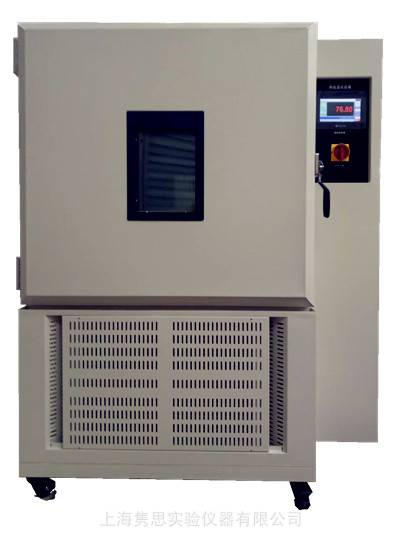


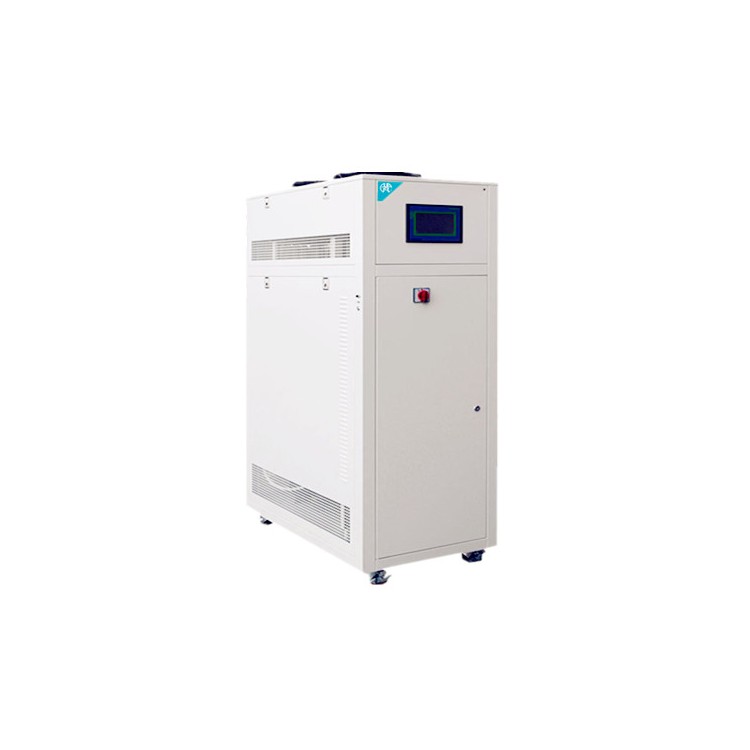
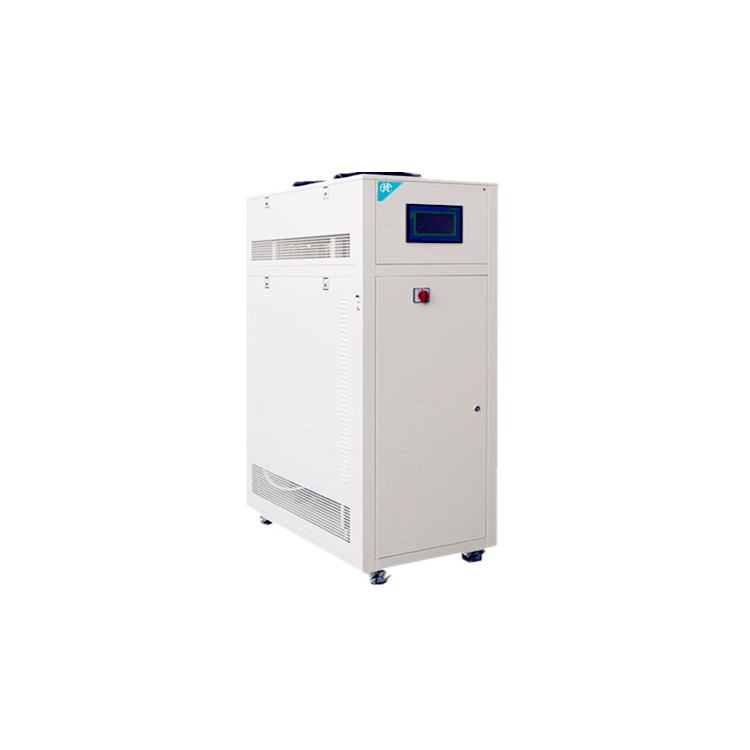
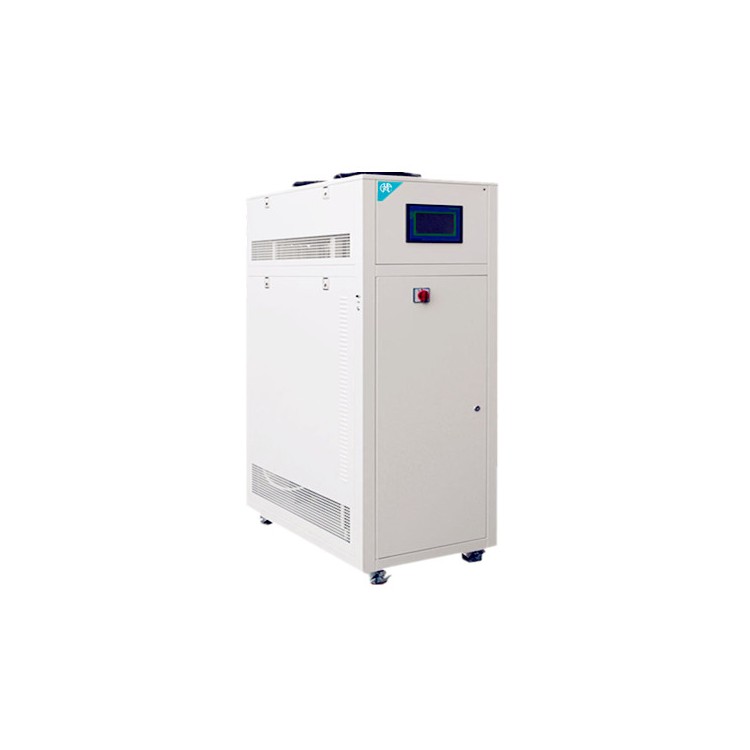
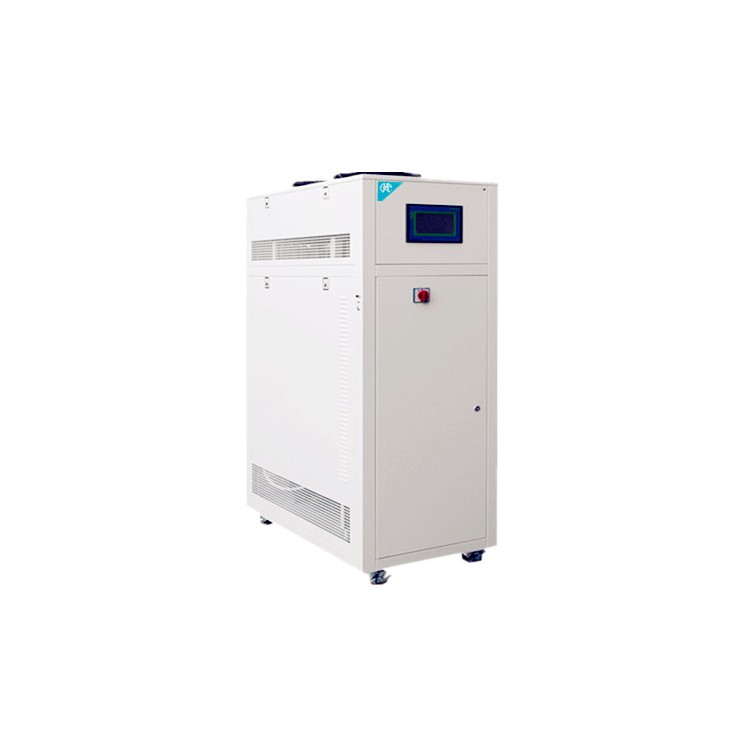







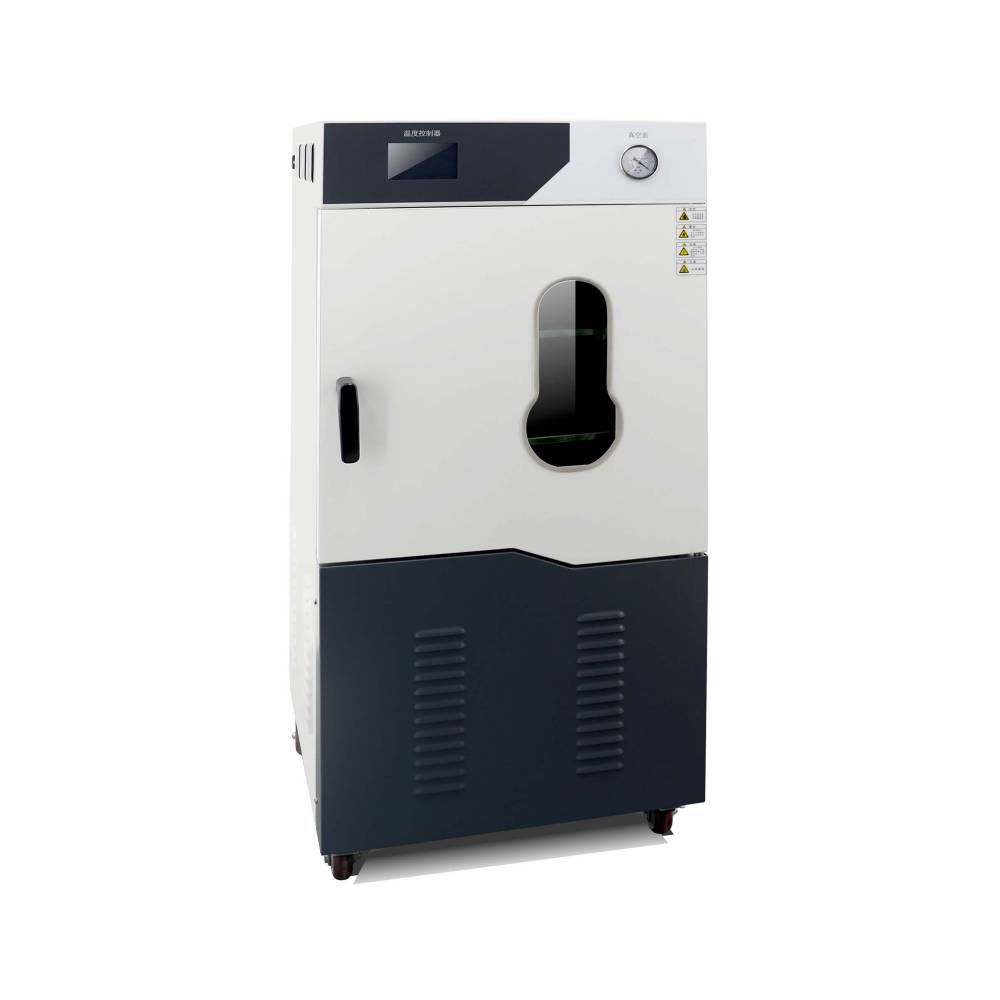
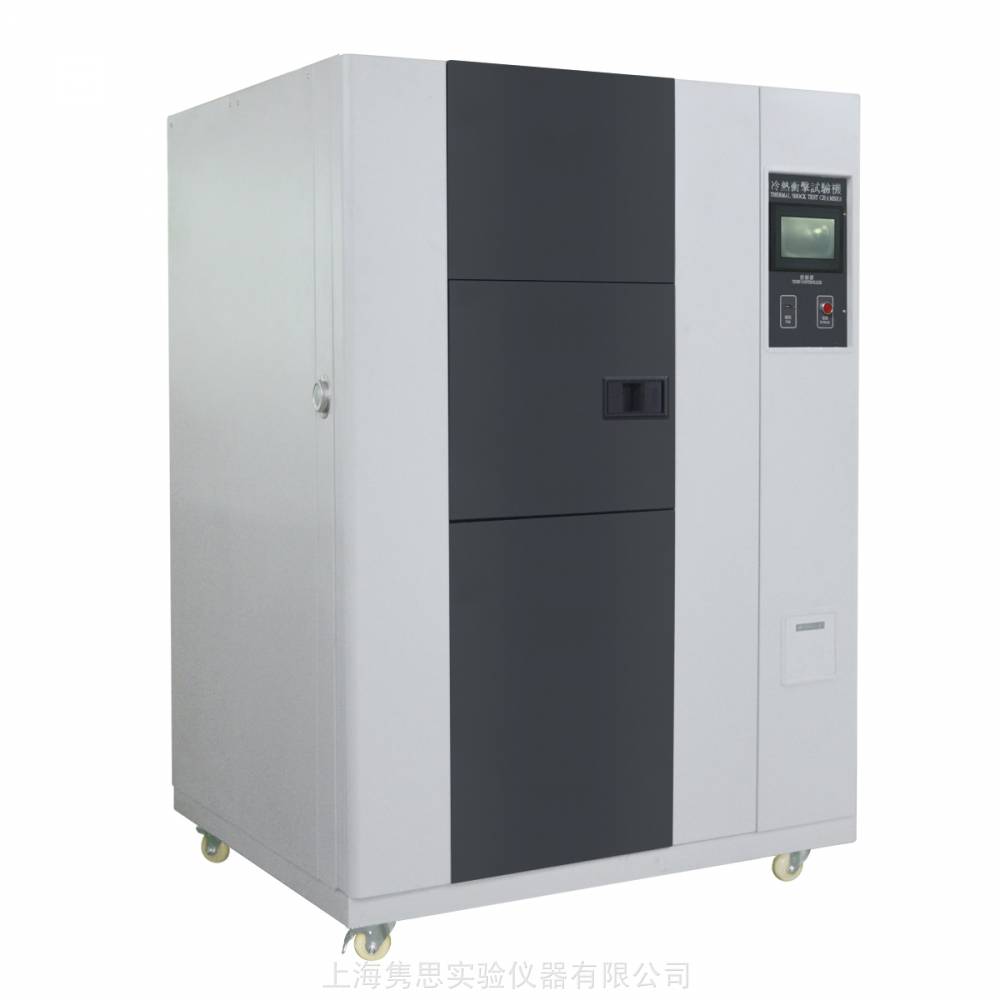
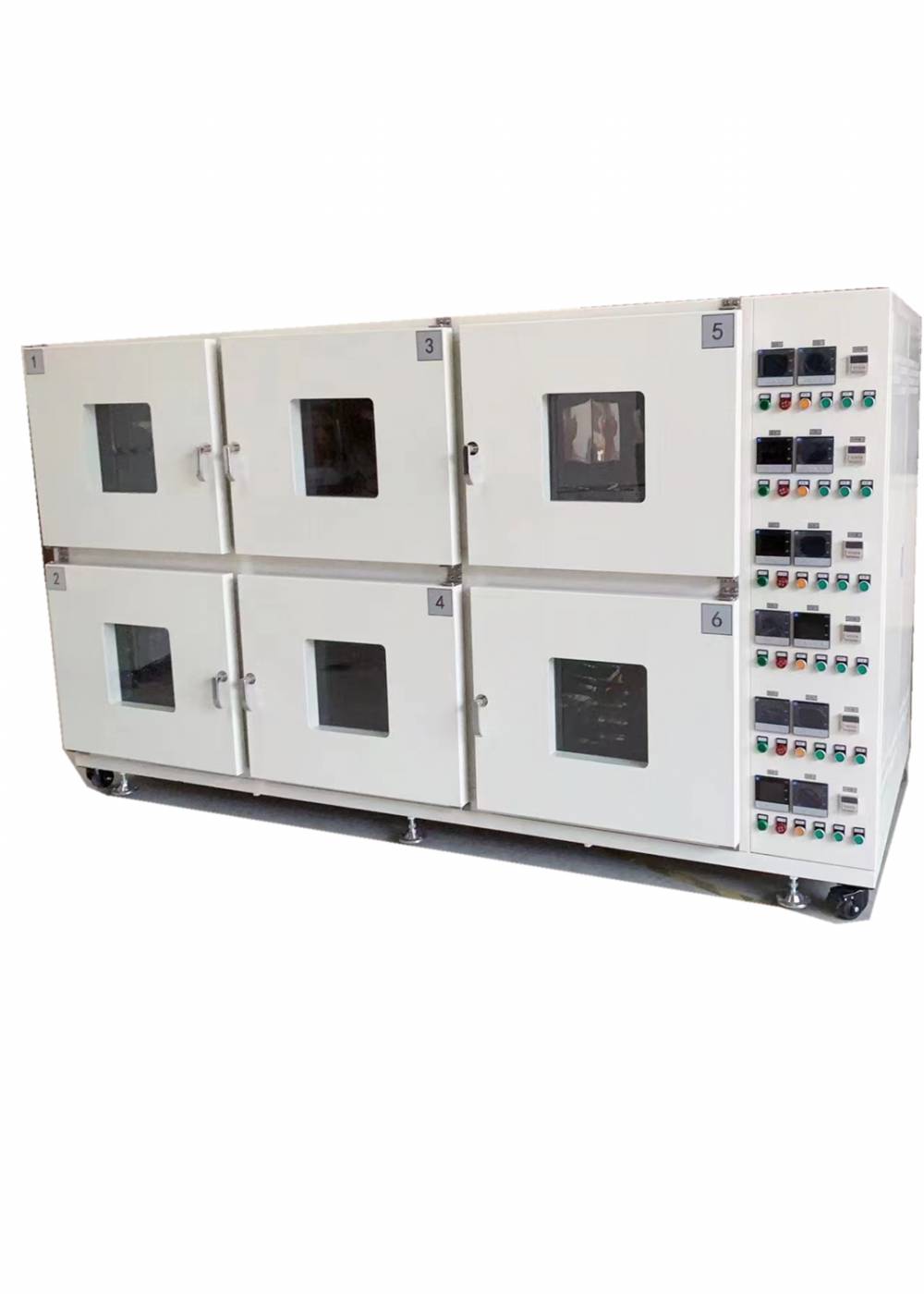
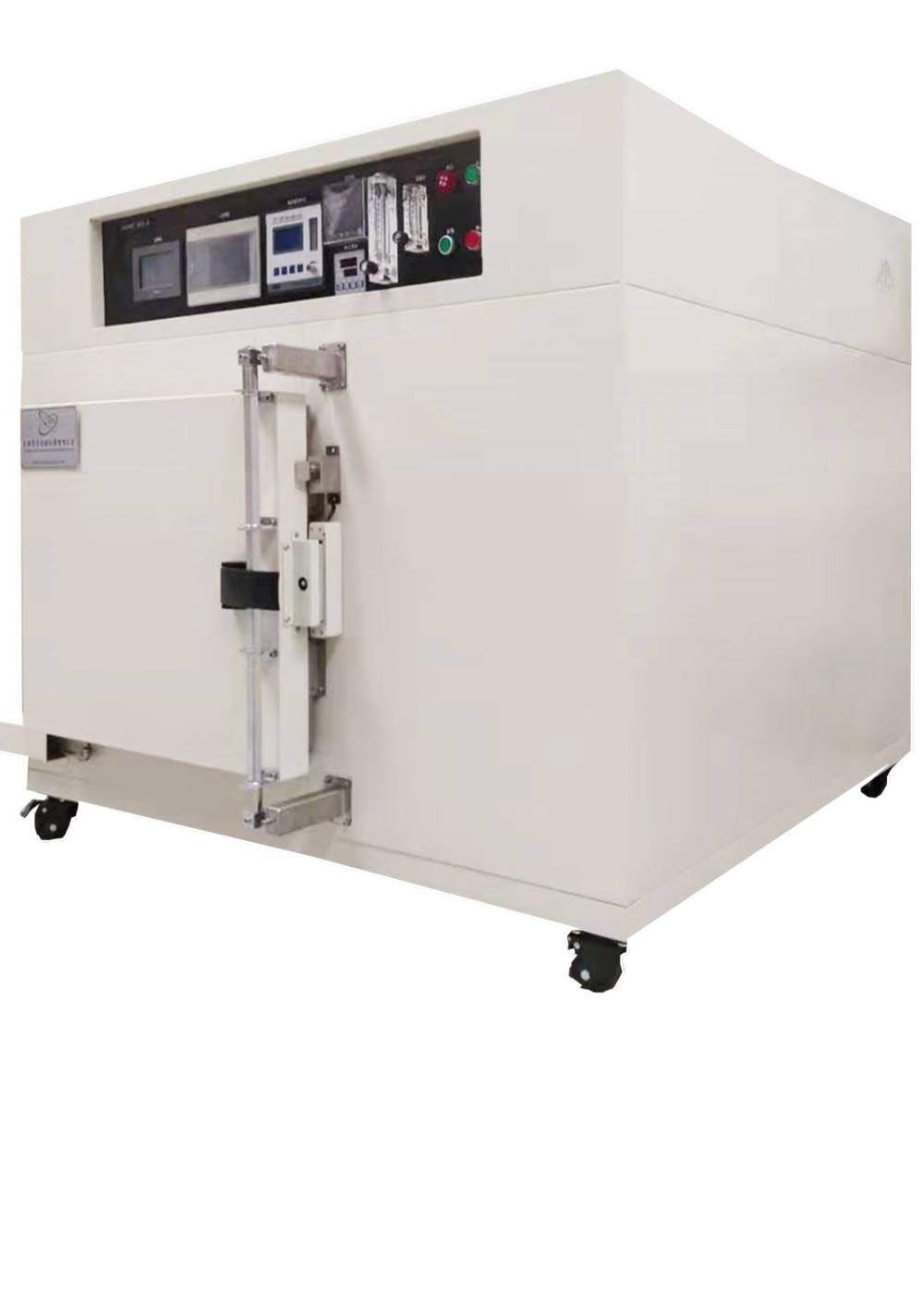
150L Customized Ultra-Low Temperature Test Chamber for Non-Standard Applications
The ultra-low temperature test chamber utilizes our independently developed "intelligent controller," which integrates the environmental conditions of the test chamber (such as temperature) and the operational conditions of the test samples inside, to automatically open or close the solenoid valve. This achieves control over the refrigeration output (low temperature) or heater output (high temperature).
GB10592-2008 Technical Conditions for High and Low Temperature Test Chambers
GB/T 2423.1-2008 Basic Environmental Test Procedures for Electrical and Electronic Products - Test A: Low Temperature Test Method
GB/T 2423.2-2008 Basic Environmental Test Procedures for Electrical and Electronic Products - Test B: Method for High Temperature Test
GJB150.3 High-Temperature Test
GJB150.4 Low Temperature Test
The above standards and specifications shall be replaced by the new ones if they are superseded, and the new standards and specifications shall be implemented. Any other agreements between the parties shall be executed as per the agreement.
Customized 150L Non-standard Ultra-Low Temperature Test Chamber Technical Specifications
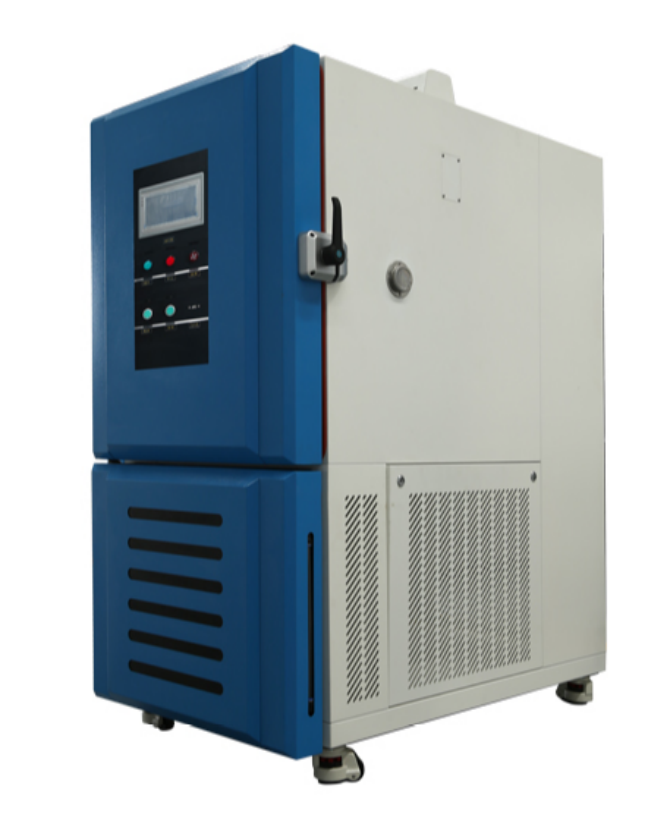
Internal Dimensions: 400×500×500mm, available in 250L/500L/1000L options, customizable as needed
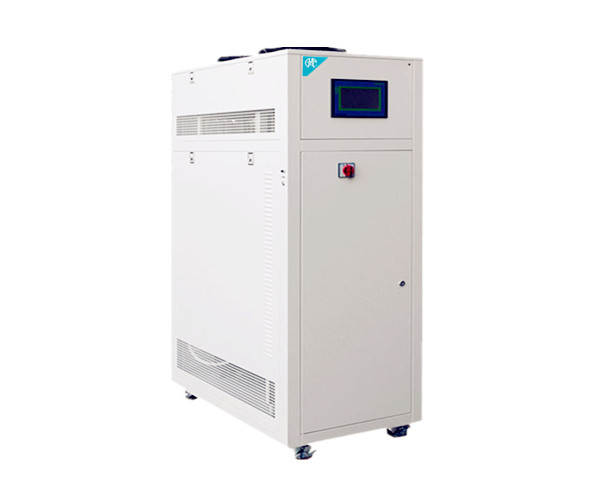
External dimensions: 1100×800×1850mm
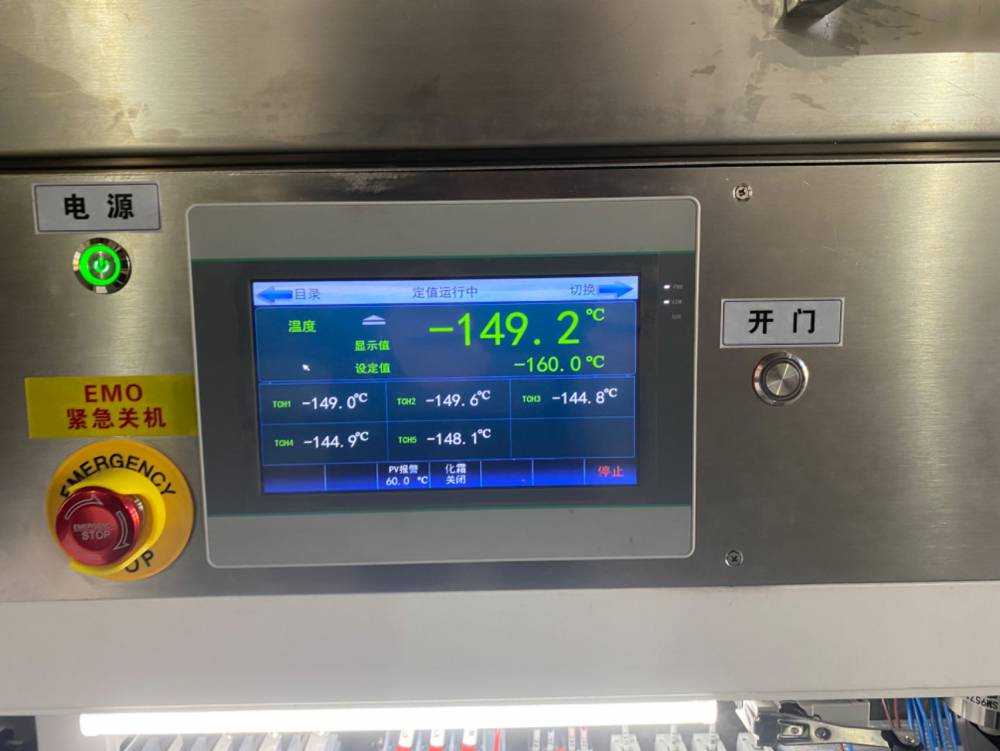
Temperature Range: -150/-120/-100℃ to +100℃
Temperature Fluctuation: ≤±0.5℃
Uniformity of temperature: ≤±2℃
Temperature Deviation: ≤±2℃
Rise Rate: Average 2°C/min throughout
Cooling Rate: Average 1.5℃/min throughout
Cooling Method: Air-cooled
Power: 380V/50Hz
Features of ultra-low temperature test chambers
The ultra-low temperature test chamber employs advanced single-stage self-overflow refrigeration technology, utilizing a single commercial compressor for the fractional distillation mixed refrigerant. This technology achieves -120℃ refrigeration with a multi-component mixed refrigerant, matching the three-stage self-overflow refrigeration effect of the traditional system using three compressors. It greatly simplifies the refrigeration system structure, reduces initial investment costs, minimizes energy consumption during operation, and improves system reliability. The refrigeration system cleverly separates lubricating oil and mixed refrigerant through fractional distillation, ensuring no oil clogging issues in the low-temperature range. The structure is simple, operation is stable, energy efficiency is high, and it is suitable for miniaturization.