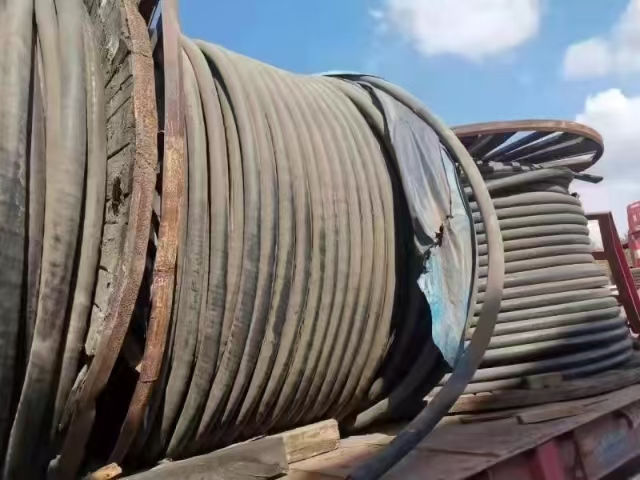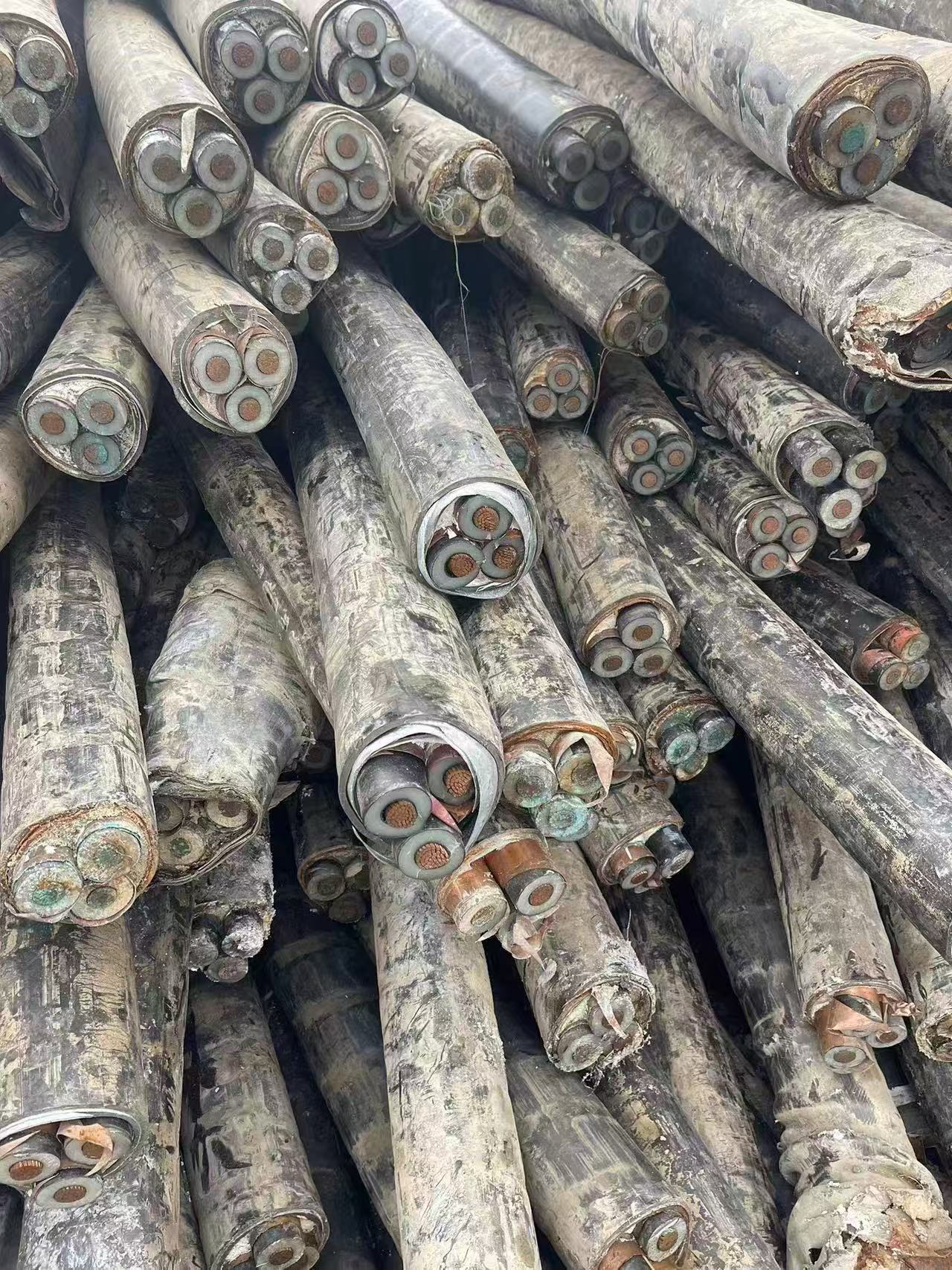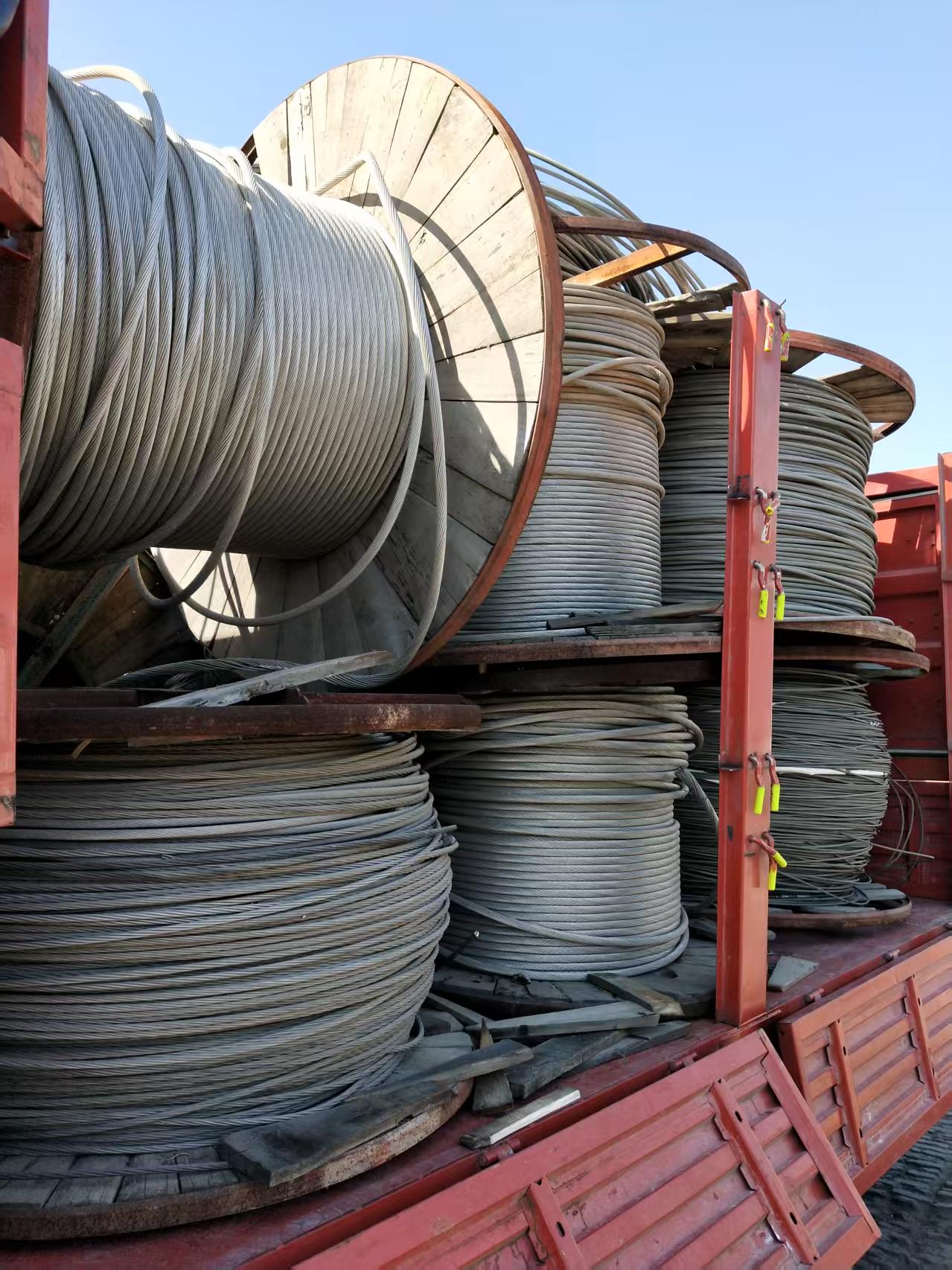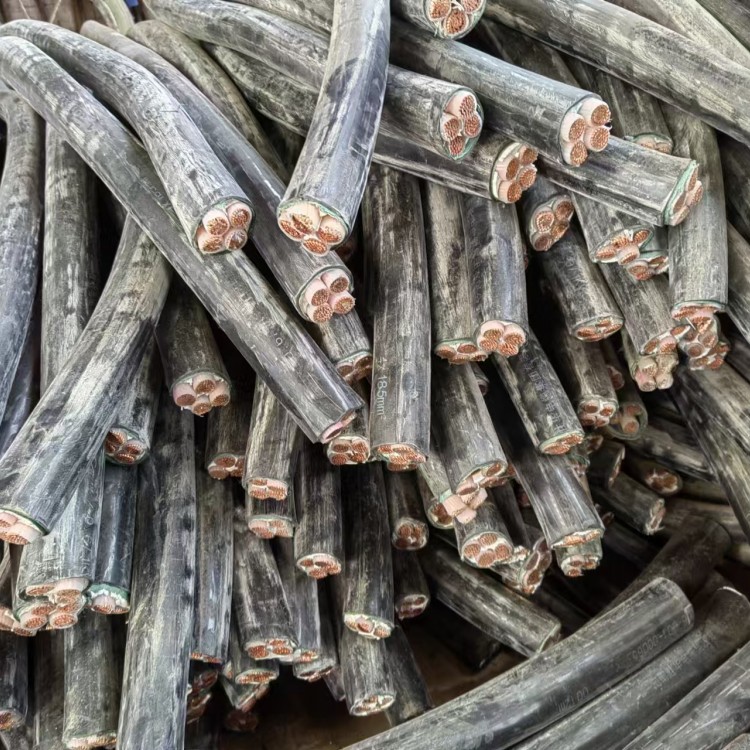

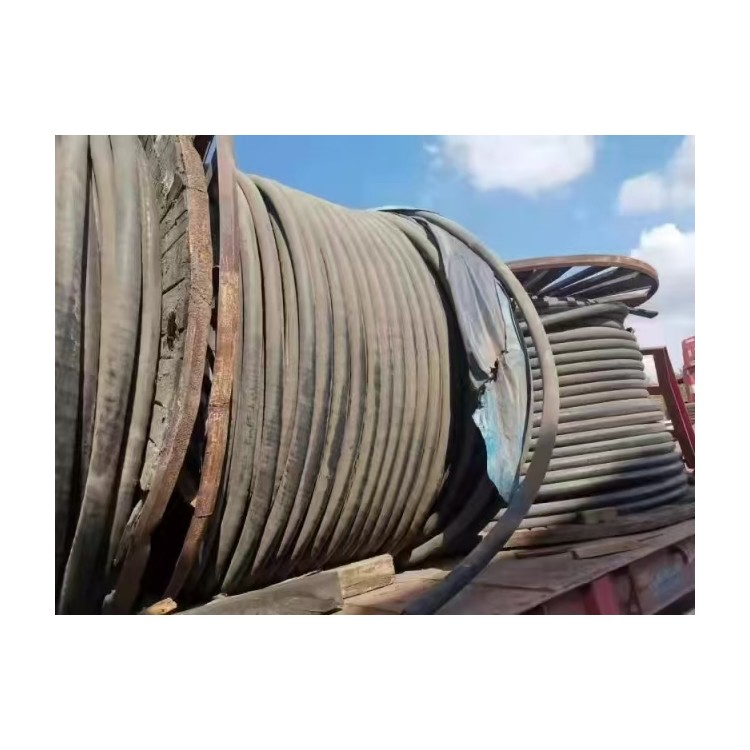


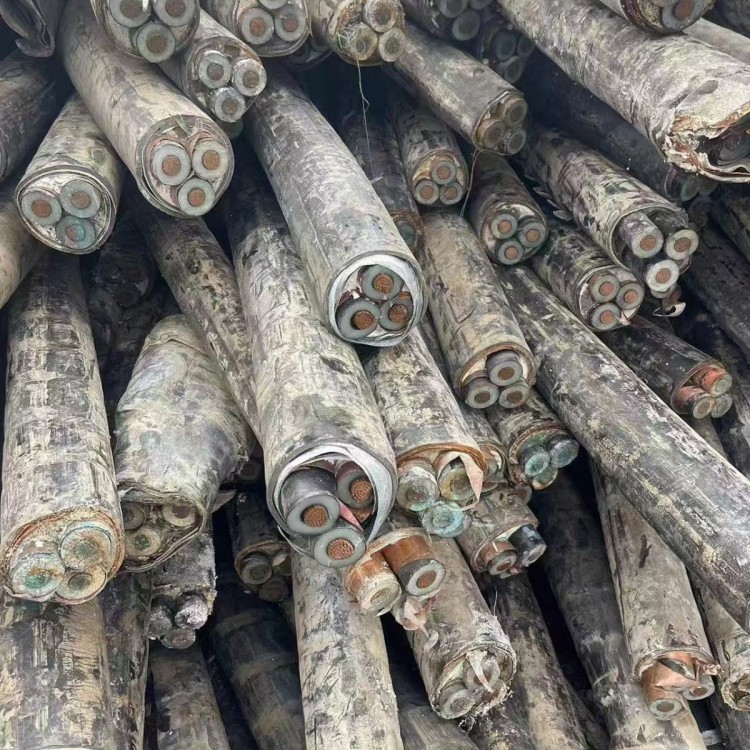
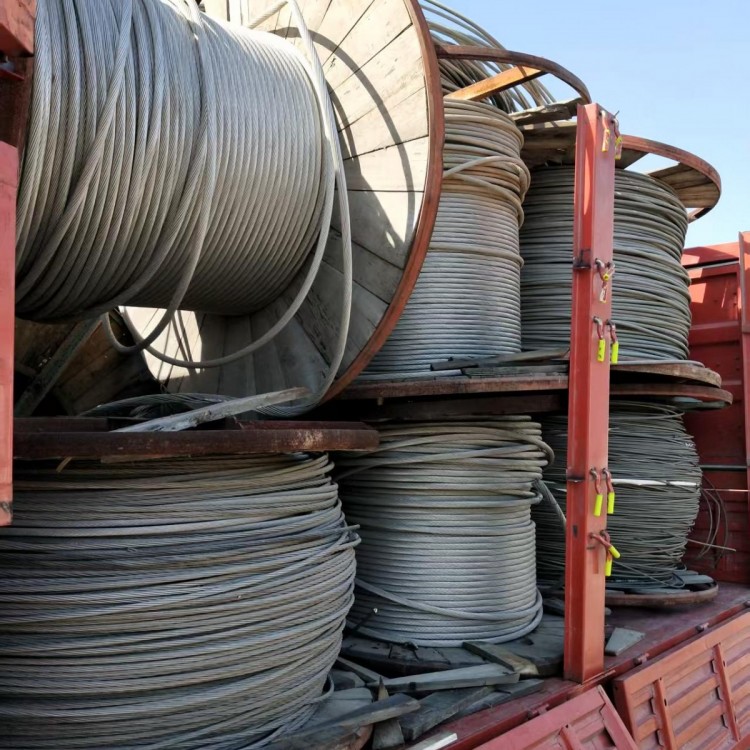











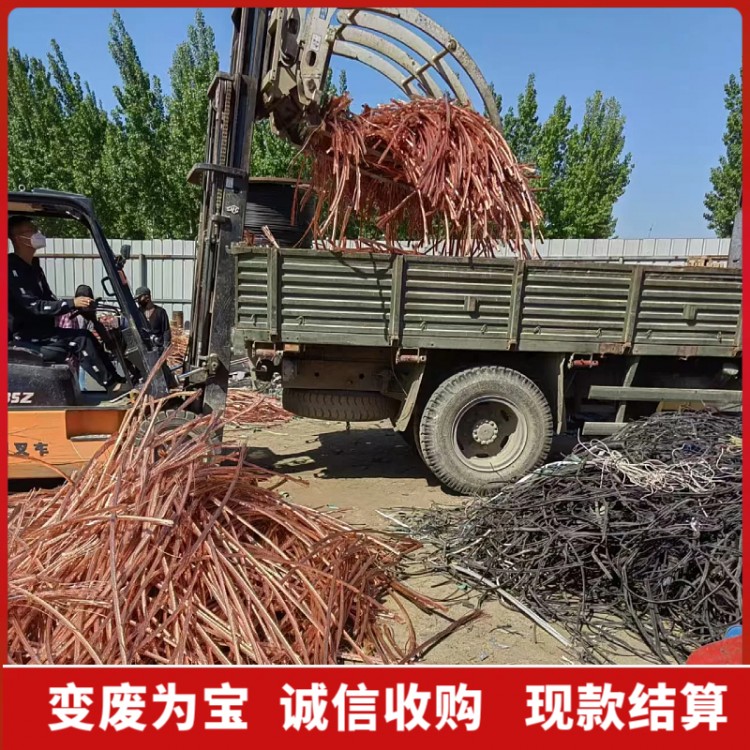
The applications of cable wires are very extensive, which has led to the development of the cable recycling industry. There are two main categories of usage: optical cables and copper cables. For copper cables, 100 ohm unshielded twisted pair and 100 ohm coaxial cables are primarily chosen. For optical cables, 62.5/125um multimode fibers and 10/125um single-mode fibers are primarily used. That is to say, the common copper wire, aluminum wire, and so on.
Copper and fiber optic cables, multi-purpose branch cables, can be further divided into two types: reclaimed waste wire and cable, and outdoor and indoor cables. These cables differ in both performance and construction. Copper and fiber optic cables can also be categorized into two basic types: outdoor cables (including six types of FTP shielded cables) and indoor cables. These cables vary in function and construction. Cables designed for indoor use have an air-core inside with a flame-retardant jacket on the outside. Such cables can also be used in environments with harmful gases. Outdoor cables are commonly used between buildings, meeting the specific environmental requirements of the installation site. Common installation methods include underground cables (installed in pipes), buried in tunnels and holes, containing either hollow or solid cables with a protective sheath. Directly buried cables are laid in trenches without pipe protection and are equipped with additional protective layers. Aerial cables are suspended on poles between buildings.
Basic performance of waste cable recycling grounding wire is to effectively propagate electromagnetic waves (fields) according to electromagnetic field theory: The grounding wire is a transmission line for guiding and broadcasting, where electromagnetic waves propagate in a prescribed direction, achieving the conversion of electromagnetic field energy during the propagation along the line.
Generally, its basic performance is summarized into six key points:
(1) Electrical Performance Guidelines include electrical properties, electrical insulation properties, and transmission properties. Electrical insulation properties typically refer to cable products, with the main recycling project being insulation resistance, dielectric constant, dielectric loss, and voltage withstand characteristics. Transmission properties mainly refer to high-frequency transmission properties and anti-interference properties.
(2) Mechanical properties include tensile strength, elongation, flexibility, elasticity, softness, vibration resistance, wear resistance, and impact resistance, among others.
(3) Thermal properties include the product's heat resistance grade, operating temperature, thermal and dissipative characteristics of electrical cables, current-carrying capacity, short-circuit and overload capabilities, thermal deformation and heat shock resistance of synthetic materials, thermal expansion of materials, and dripping performance of impregnated or coated materials.
(4) Corrosion resistance includes resistance to electrochemical corrosion, biological and bacterial侵蚀, chemical substances (oils, acids, alkalis, chemical solvents, etc.) erosion, and salt fog performance.
(5) Weather resistance refers to the ability of recycled wire and cable products and their constituent materials to maintain their original properties (sunlight resistance, cold resistance, mold prevention, and moisture resistance) under the influence of mechanical (should) stress, electrical stress, thermal stress, and other external factors, as well as under various climatic conditions.
(6) Other performance includes the physical properties of certain materials (such as hardness and creep resistance of metals, compatibility of polymers) and certain special uses of the product (such as flame retardancy, resistance to atomic radiation, insect resistance, transmission, and energy damping).