












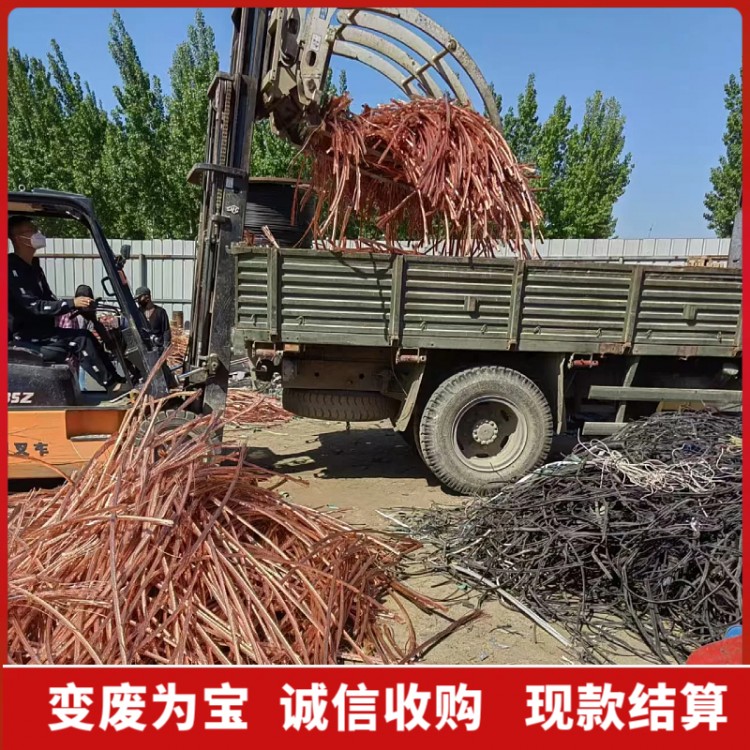
Introduction to Copper Scrap Recycling: Lately, environmental issues have garnered significant attention and are becoming increasingly important. Now, let's discuss the methods of sorting copper scrap after recycling. How is it categorized? Let's take a look together.
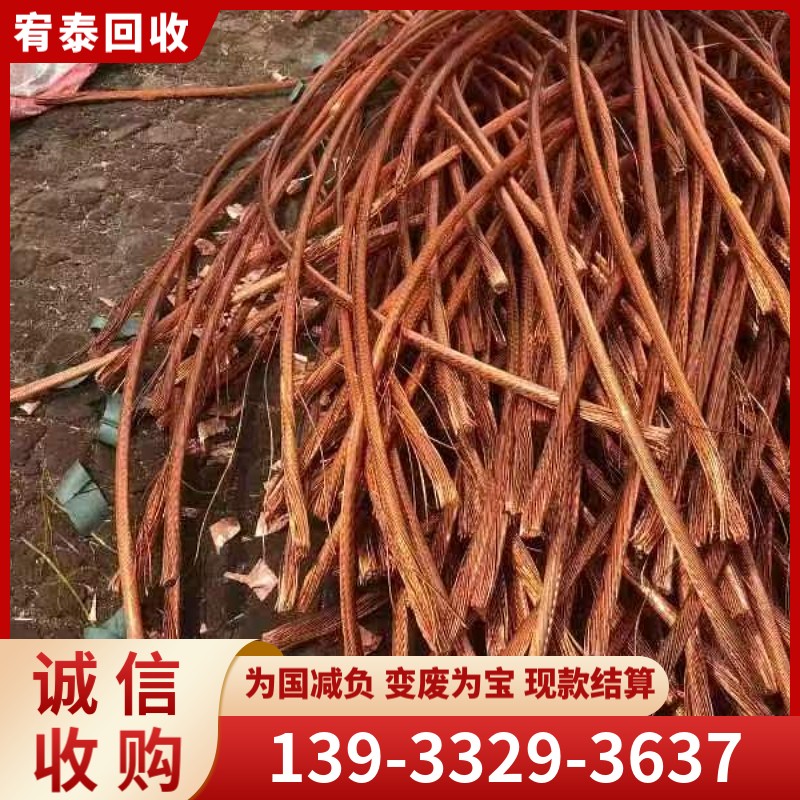
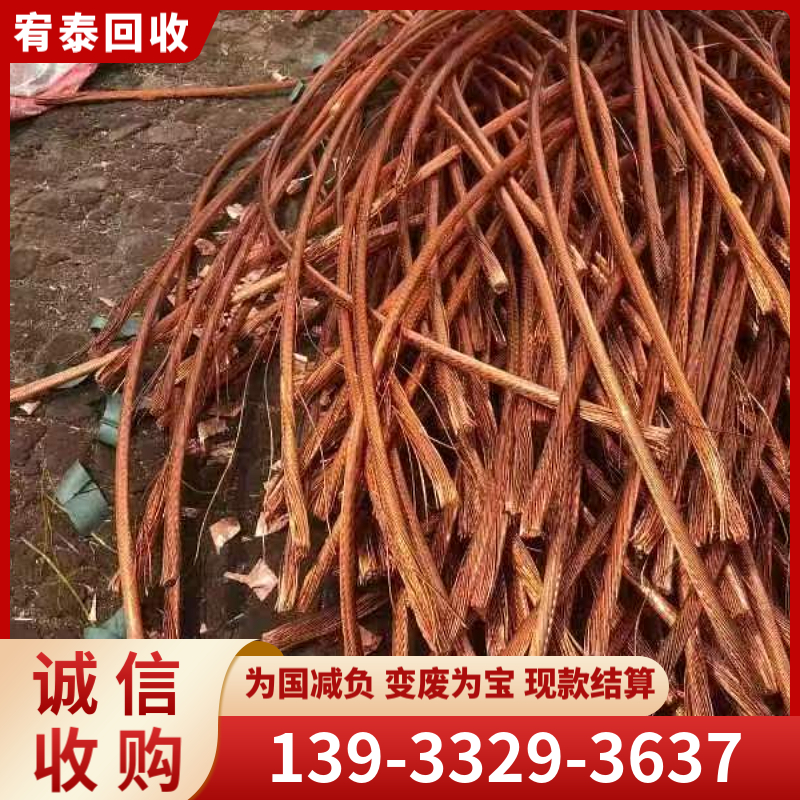
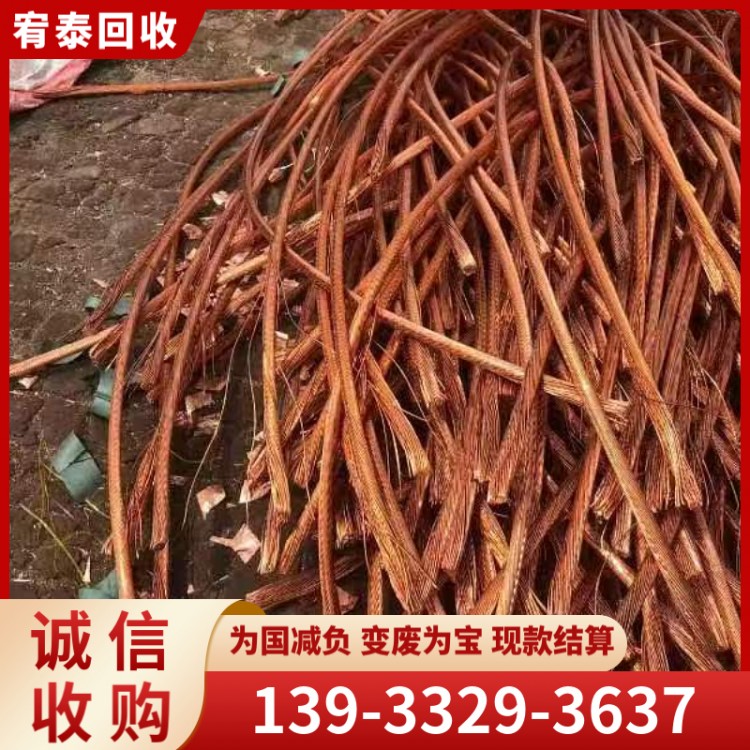
1. Pure copper wire, bare, uncoated, and without alloys. Surface is non-oxidized, free of burrs, with a wire diameter of not less than 1.6mm.
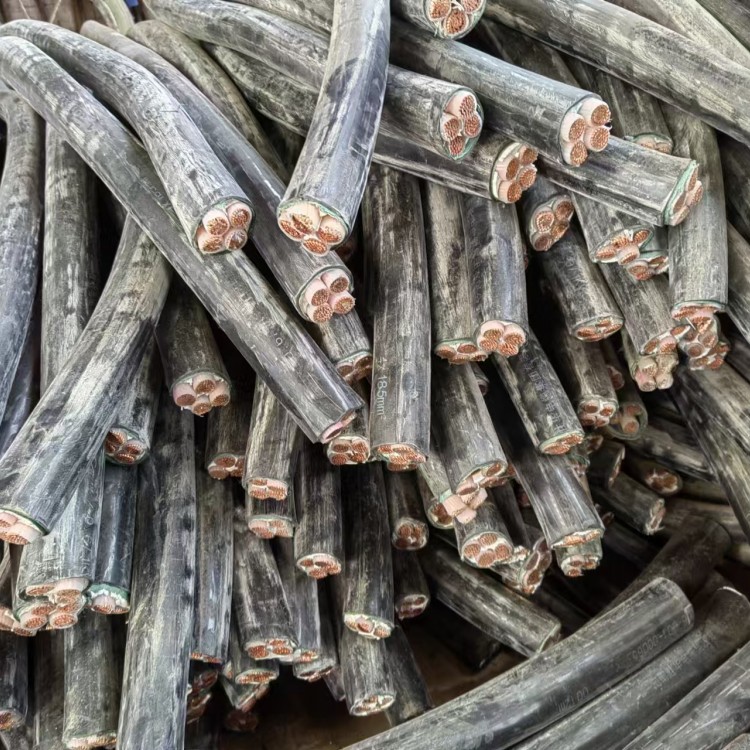
Pure copper wire and copper cable without cleanliness, color, coating, tin, and alloys. Free from bristles and fragile copper wire that has been overheated.
Section 3: Includes copper wire without alloy, containing impurities, with a copper content of 96% (not less than 94%). Copper wire with excessive lead and tin plating, soldered wire, brass and bronze wire, excessive oil, waste steel and non-metals, brittle over-baked wire, insulated copper wire, and excessive fine wire must be removed properly if necessary.
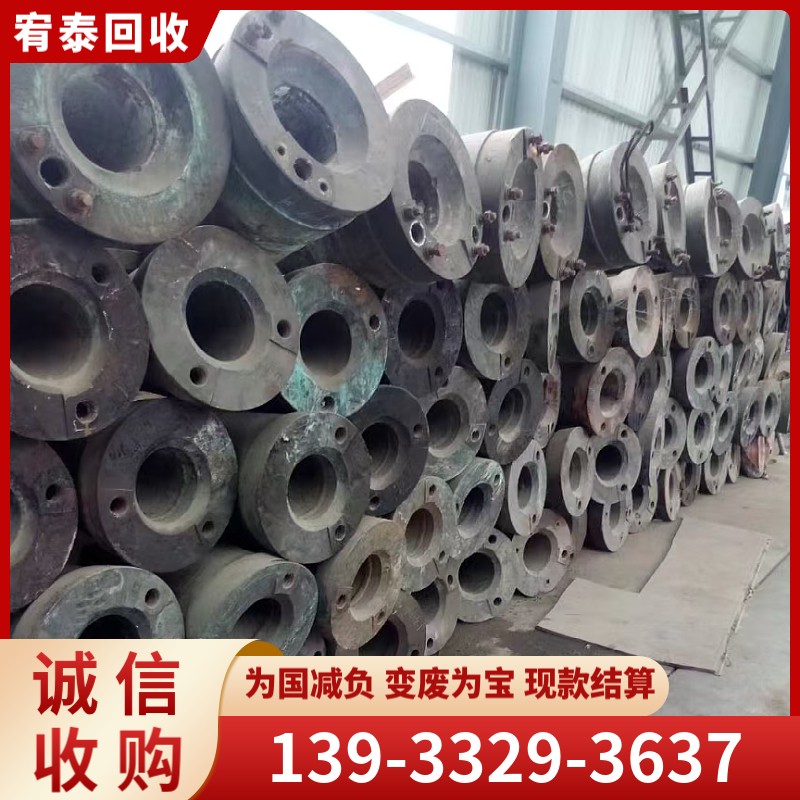
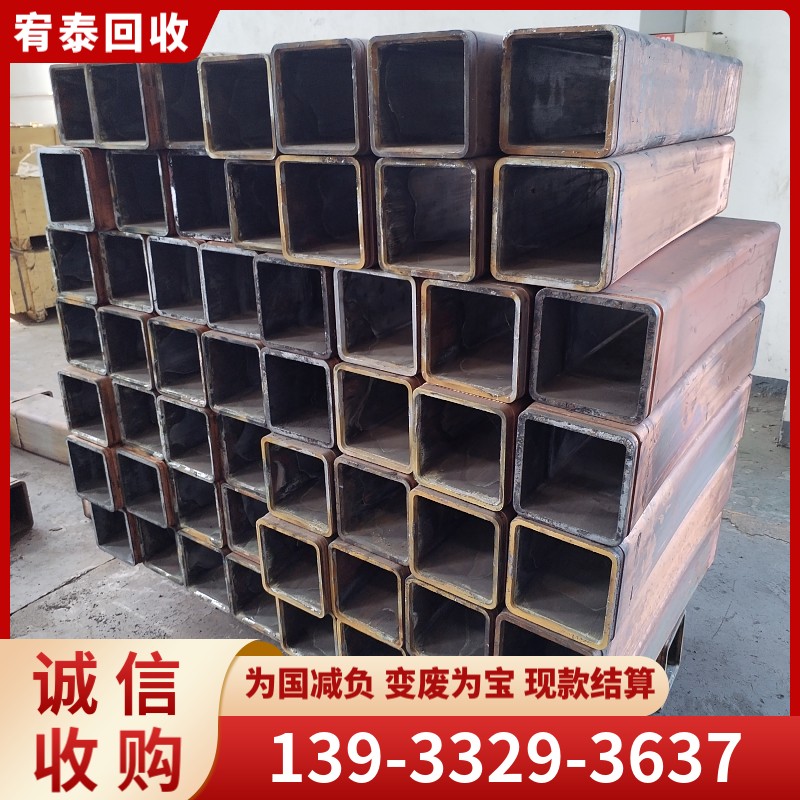
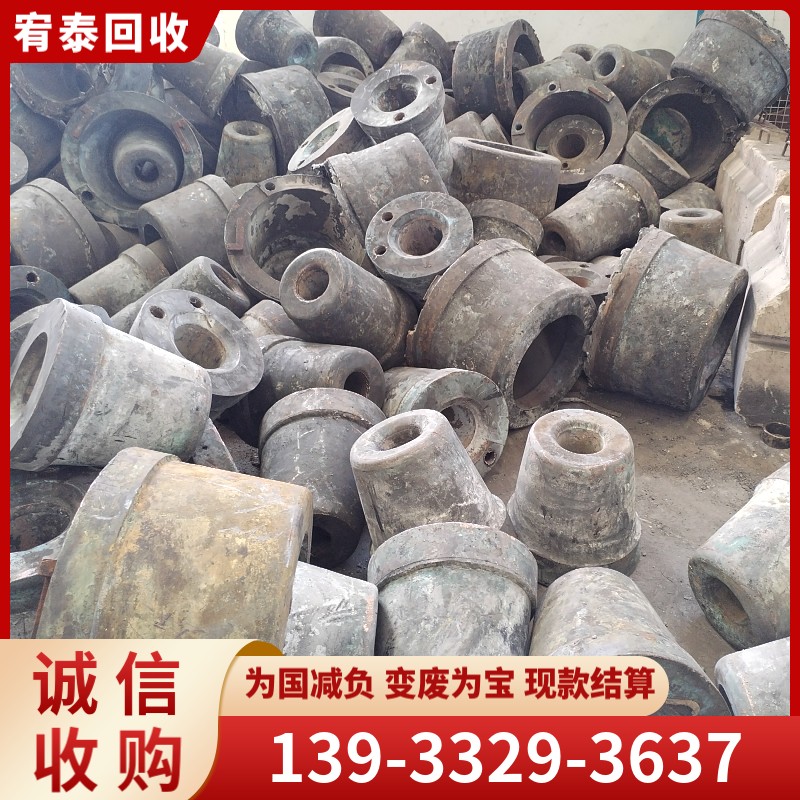
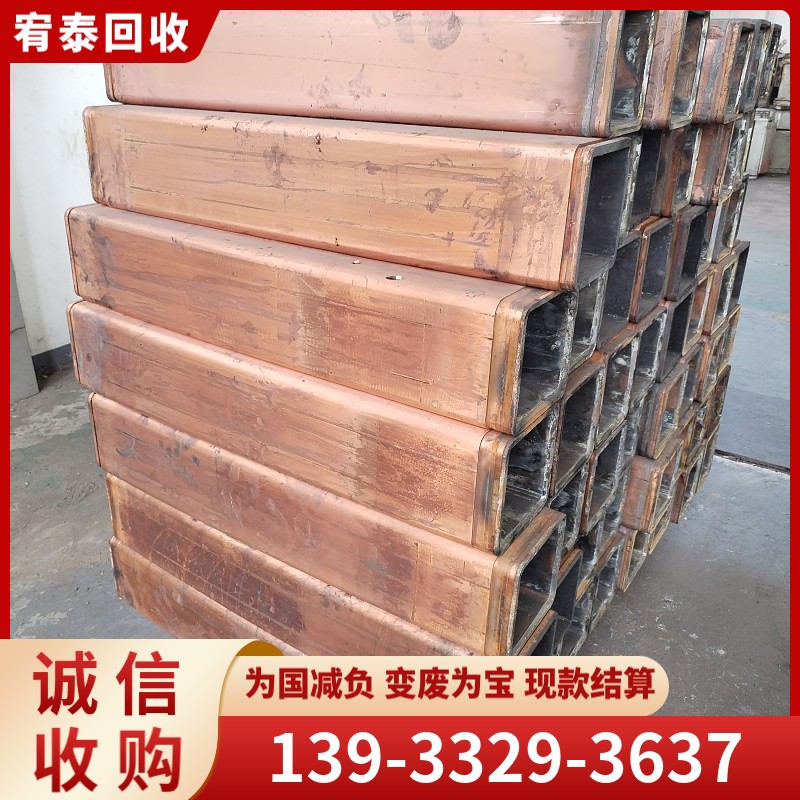
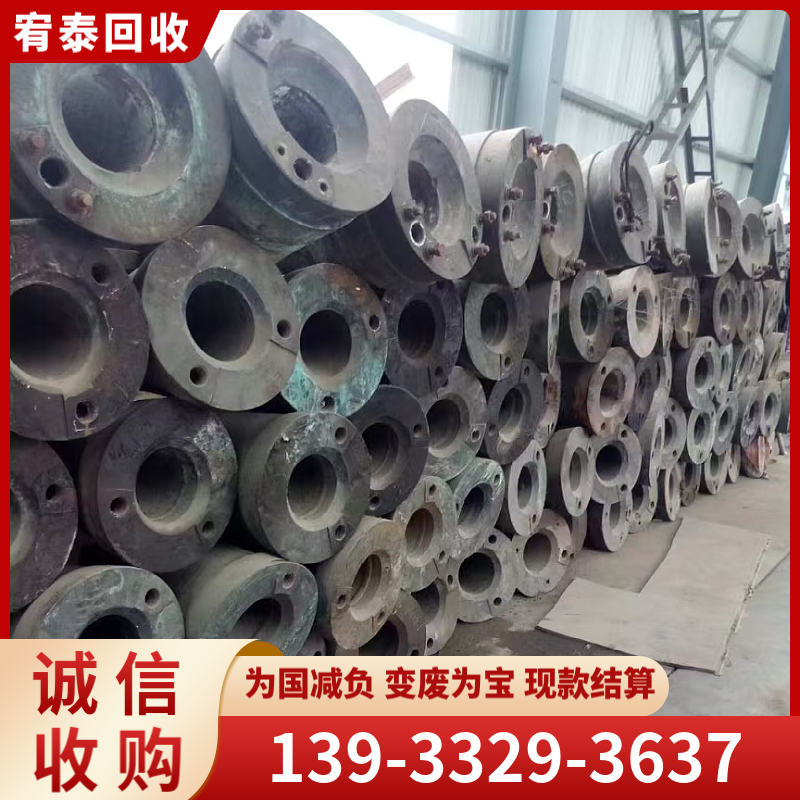
Four, includes various copper scrap. Firstly, it encompasses the waste materials, cut-offs, defective materials, semi-finished products, wire materials, and scrap from copper processing factories and copper manufacturing plants. Secondly, it also covers discarded copper bare wires and copper tubes, as well as other copper products, but no scale, oil stains, coatings, or the like are permitted. Furthermore, the copper scrap should not contain any impurities or copper alloys, and it is also not allowed to have burrs, chips, filings, or copper sheets with a thickness less than 1mm.
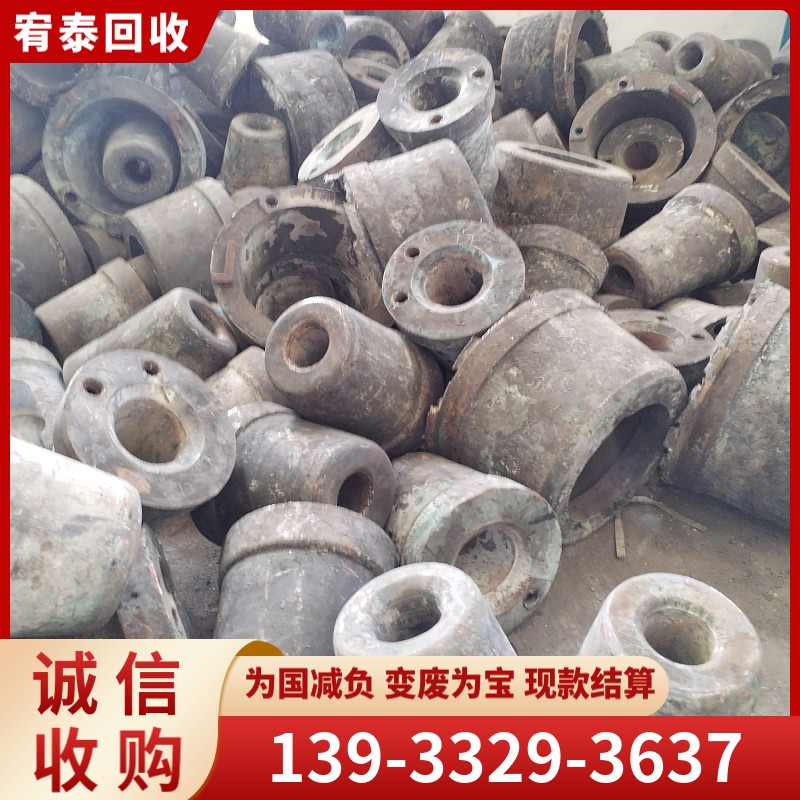
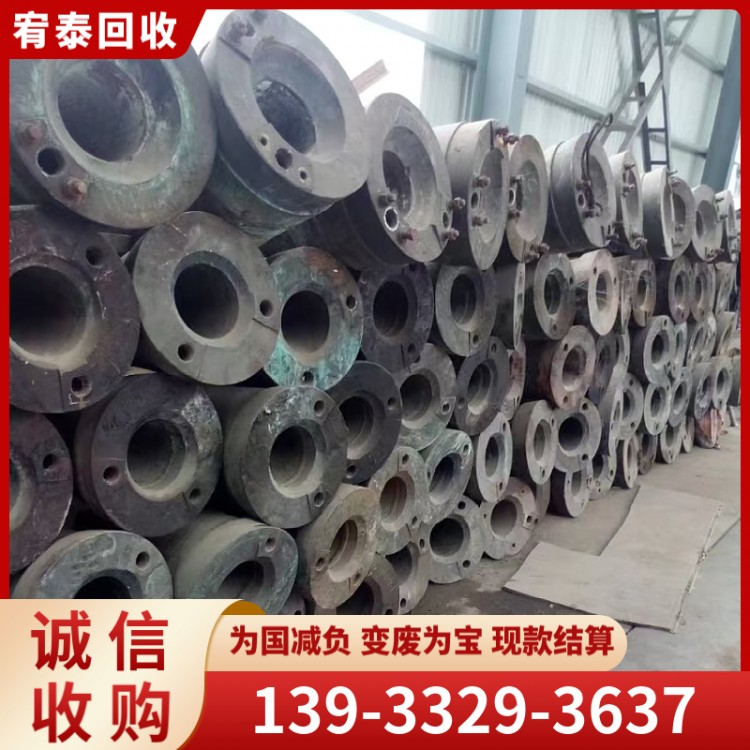
These are all referred to as bronze. The type most commonly recovered in the market is called mixed bronze, with a copper content of around 80%; brass is also a frequently recovered scrap metal variety. General brass contains 59% pure copper, known as 59 brass, with the remaining components primarily being zinc; this type of copper is also called mixed brass.