






I. Overview
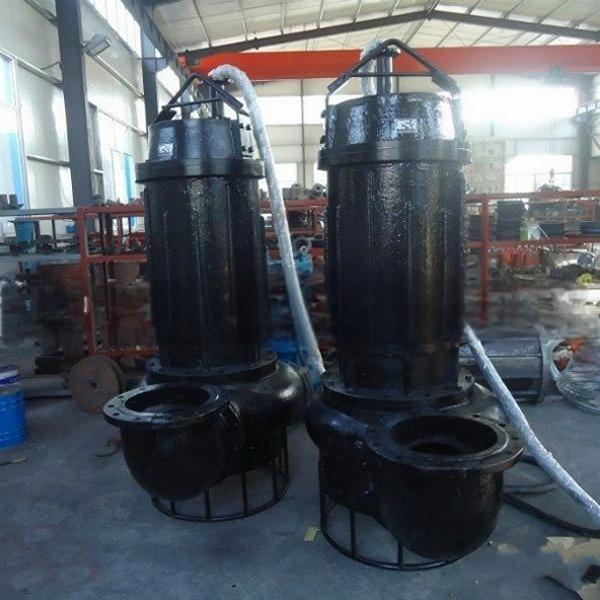
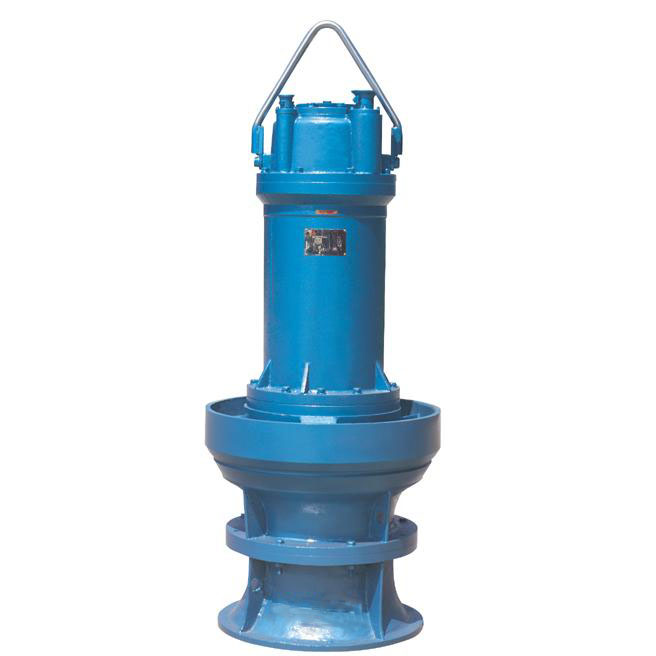
Submersible axial flow pumps are the upgraded version of the traditional axial flow pumps—motor assembly. As the motor number is integrated with the pump and operates submerged in water, they possess a series of unparalleled advantages compared to the traditional units.
· Due to the motor and pump being integrated as one unit, there's no need for a time-consuming and labor-intensive axis alignment assembly process at the installation site, making field installation very convenient.
· Due to underwater operation, the construction and civil engineering of the pump station can be significantly simplified, reducing the installation area and saving 30-40% of the total construction cost of the pump station.
· Pumps operate in water, with water flowing around the motor, resulting in low noise and optimal cooling conditions for the motor. An underground pump station can be constructed if necessary to maintain the ground's environmental aesthetics.
· Easy to operate, reliable in performance, and convenient for maintenance.
· Using axial flow submersible pumps is the most thorough method to address the construction of pump stations and flood control issues in areas along rivers and lakes with large fluctuations in water levels, eliminating the need for long shafts between the pumps, thus enhancing operational safety and reliability.
This pump is widely applicable in industrial and agricultural conveying, urban water supply, mild wastewater discharge, and water transfer projects.
Model Description
II. Structural Features
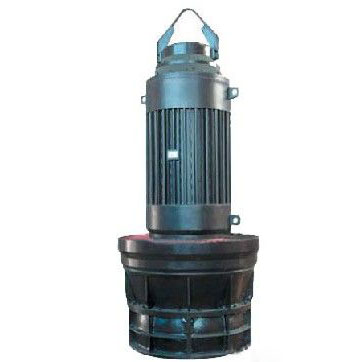
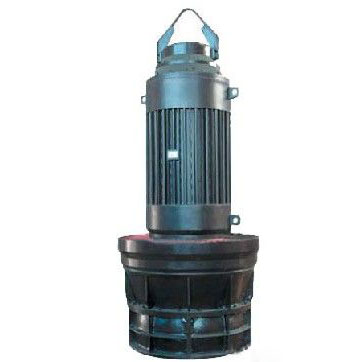
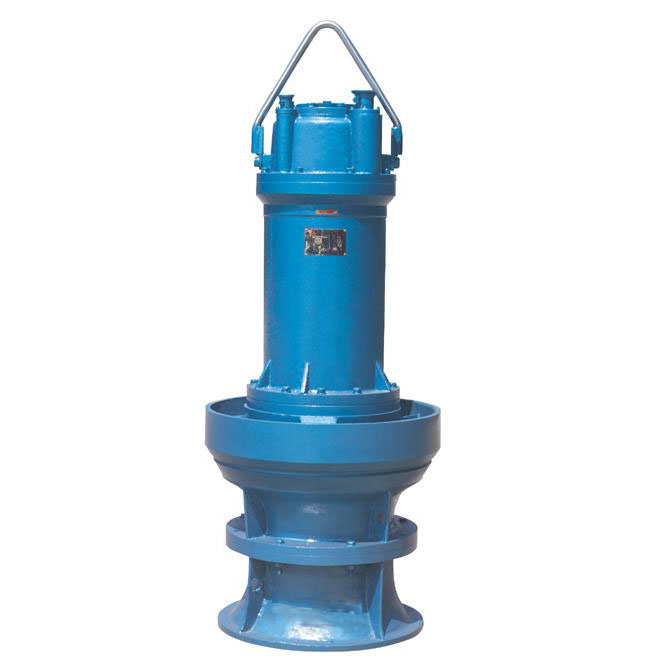
The QZ Submersible Axial Flow Pump structure is depicted in the figure. The submersible motor of the submersible pump is located above the pump, featuring a dry-type structure with F-grade insulation, reliable mechanical and auxiliary seals, and protection against leakage and internal winding temperature rise. Equipped with a large control cabinet, it operates safely, reliably, and has wide adaptability to water quality and environment. The adjustable blades offer a broad range of head and flow rate changes, making it a replacement for traditional axial flow pumps.