








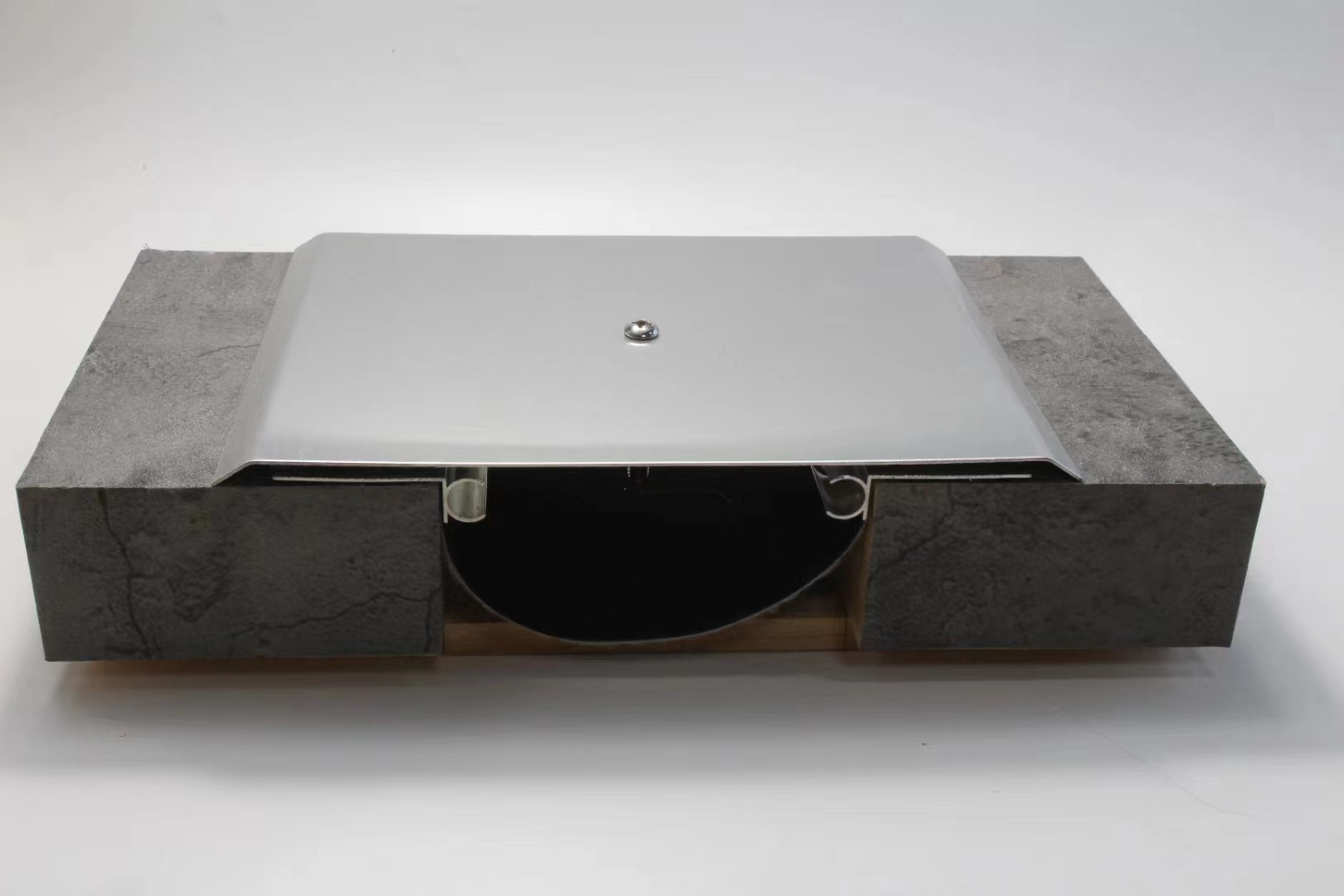
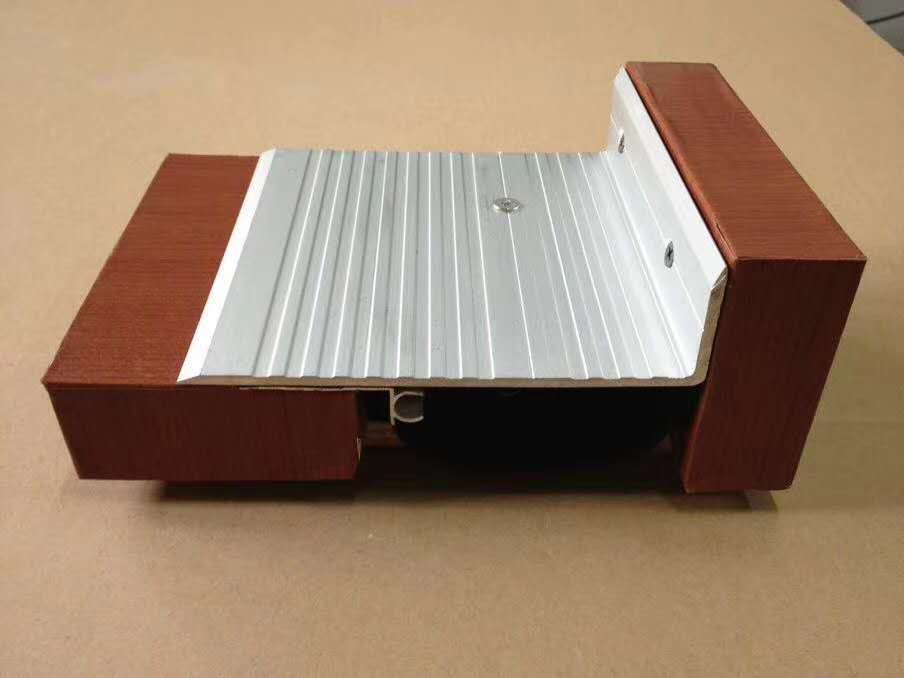
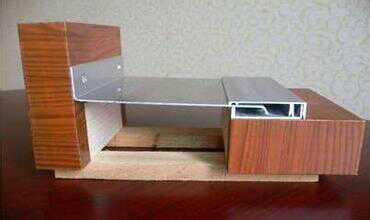
Roof deformation joint construction
1. Construction Process: Surface cleaning and trimming → Priming → Filling material in expansion joints → Additional layer → Cover plate at expansion joint section → Cleaning and inspection/repair
(1) Surface preparation and trimming: Inspect the base quality for compliance and clean it accordingly. Promptly repair any defects.
(2) Priming Agent for Spraying Substrate: Apply the primer to the dried eaves substrate to ensure a strong bond between the membrane and the base.
(3) Filling Material for Expansion Joints: Fill The seams should be filled with polystyrene foam plastic.
(4) Additional Layer: Apply 1 to 2 layers of roll material additional layer at the corners where the sides bend.
(5) For the horizontal deformation joints, the rolled materials should be fully adhered to the wall, then covered with another layer of rolled materials above. The upper layer should be firmly adhered to the layer below, with the excess material hanging down into the joint as much as possible. A polystyrene foam rod should be placed on top, followed by another layer of rolled material, which should also hang down at both ends and be firmly adhered to the layer. In high-low span deformation joints, the rolled material on the low span should be laid to the low span wall and then covered with an additional layer of rolled material to seal it. One end of this layer should be adhered to the rolled material laid to the wall, while the other end is nailed into the凹槽 of the high span wall with a strip, sealed with sealing material, with the excess material hanging down into the joint as much as possible.
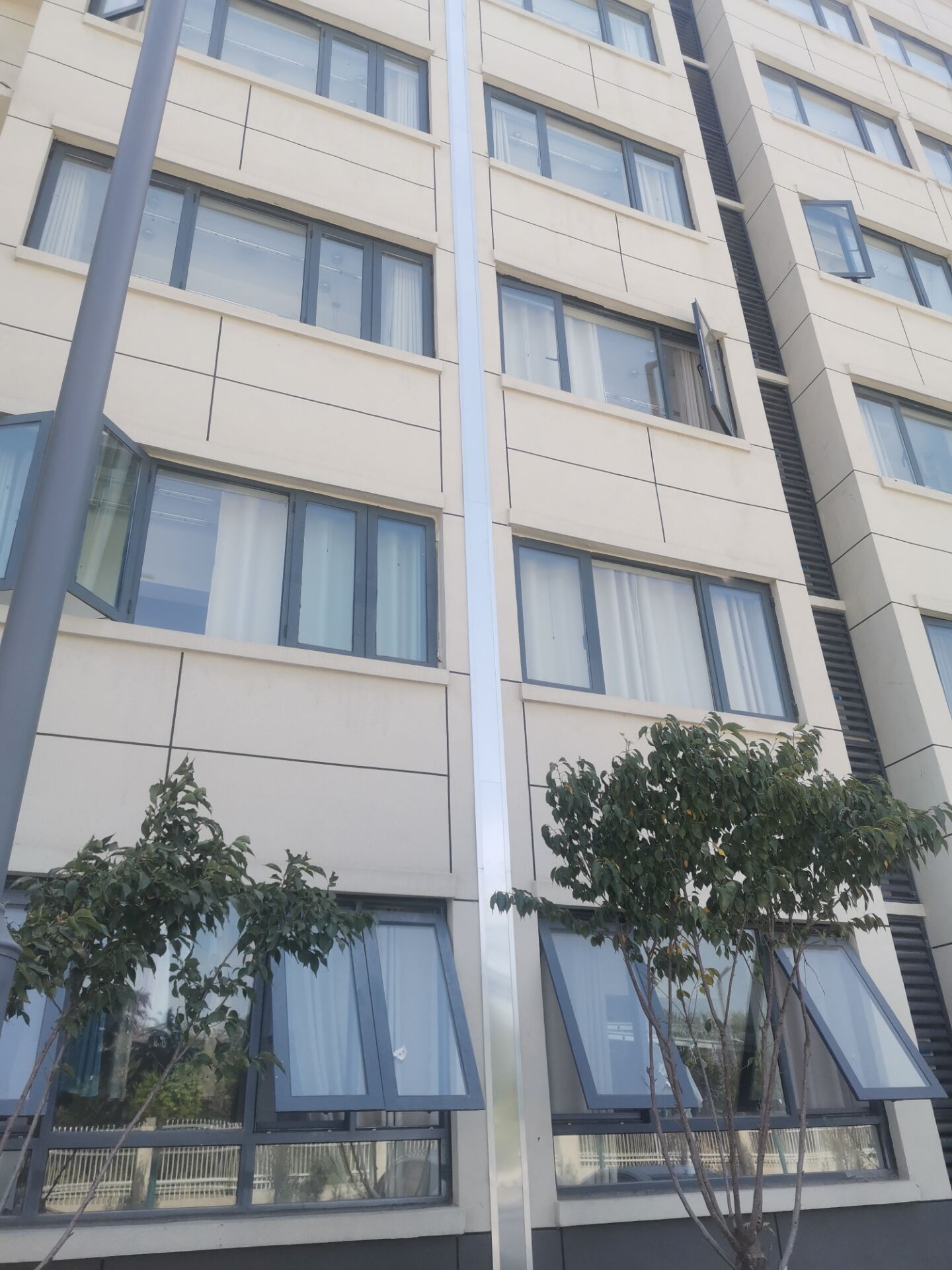
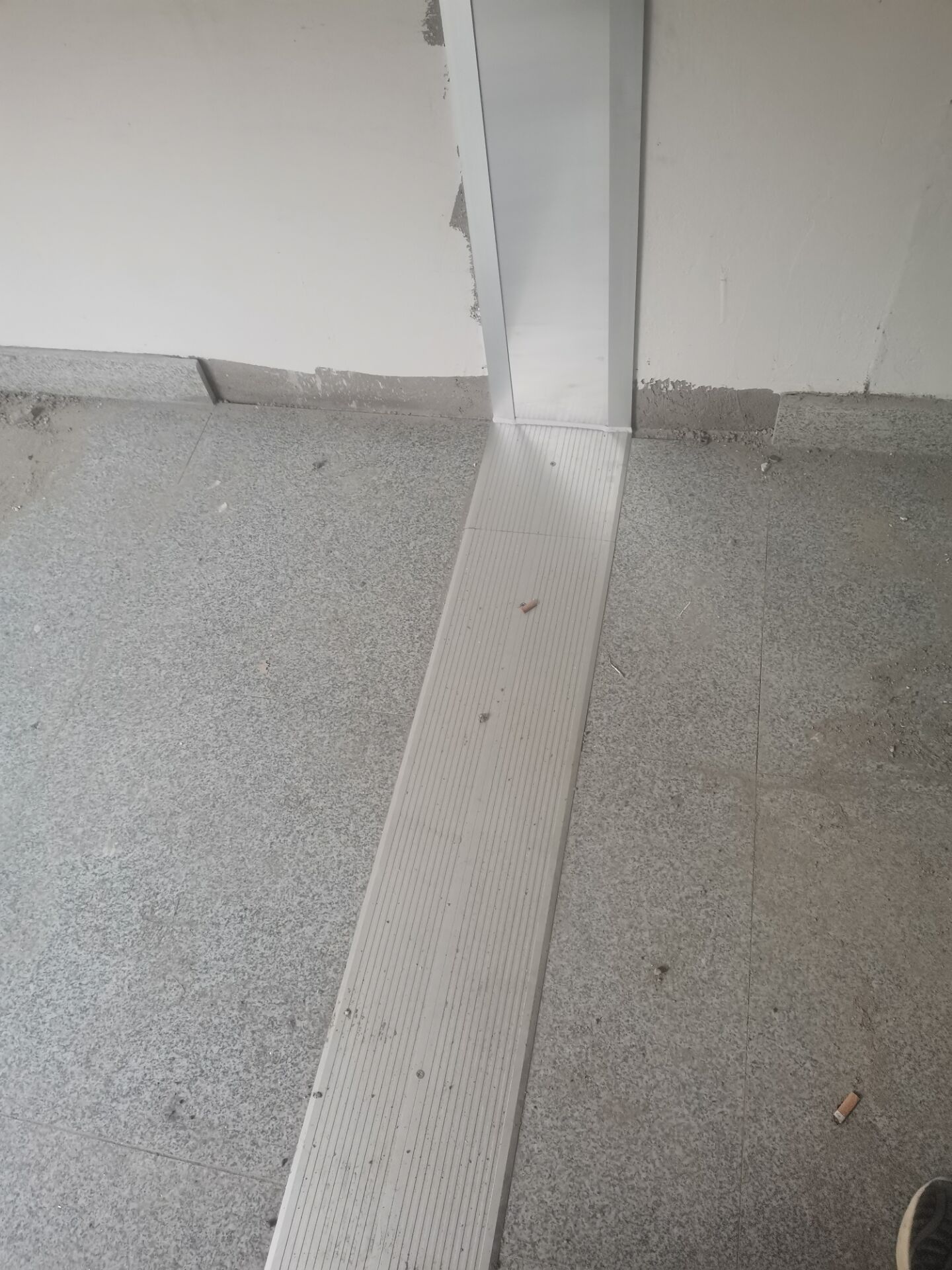
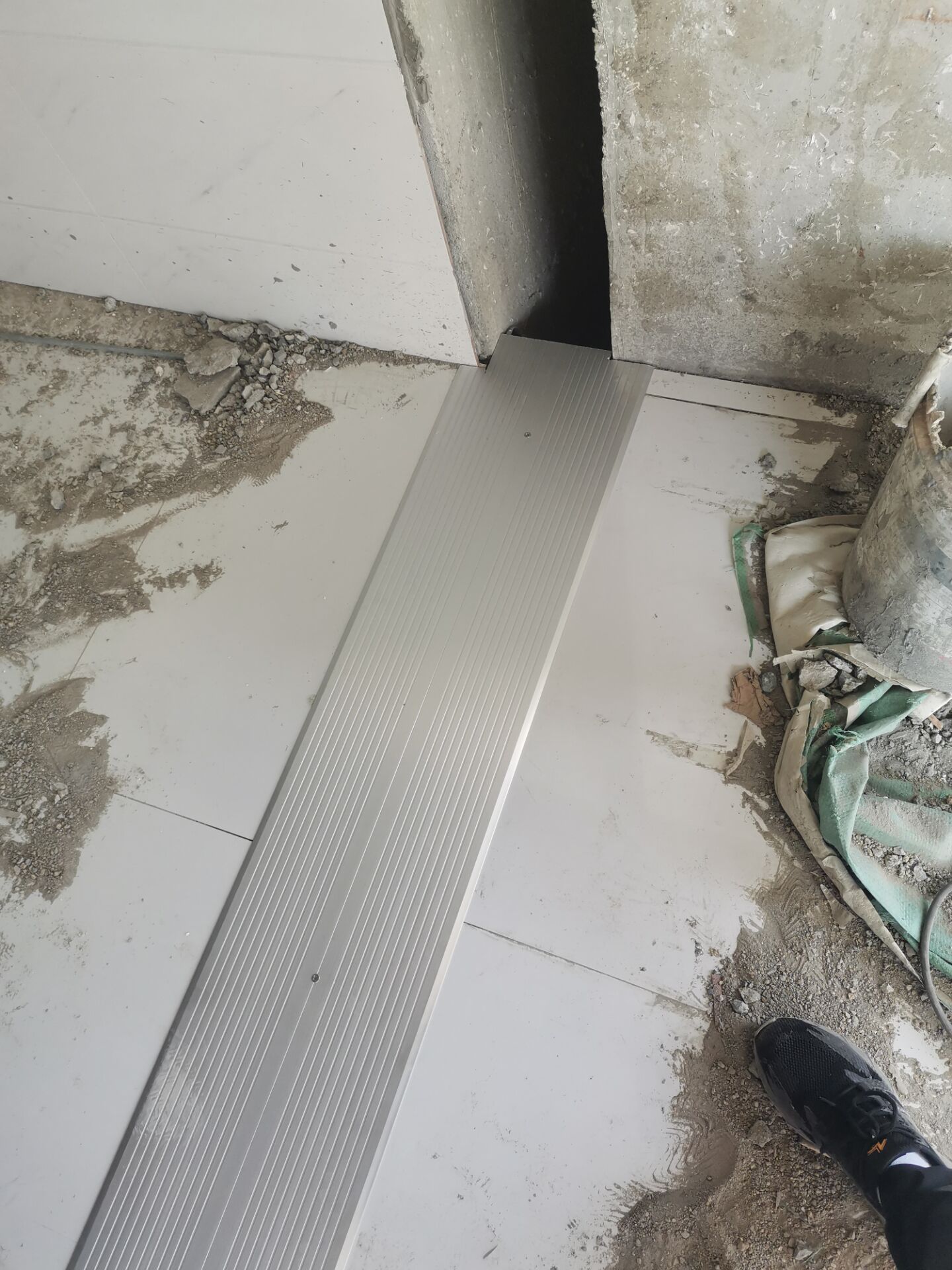
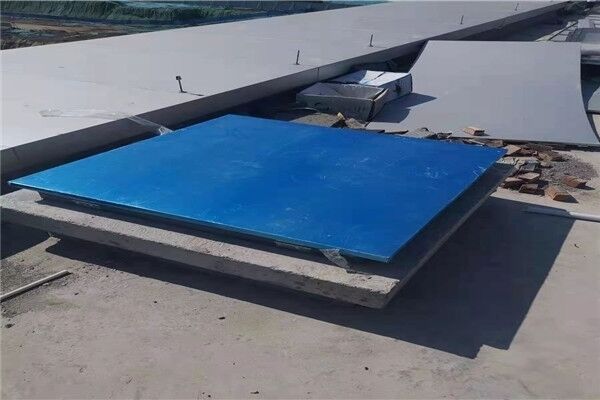
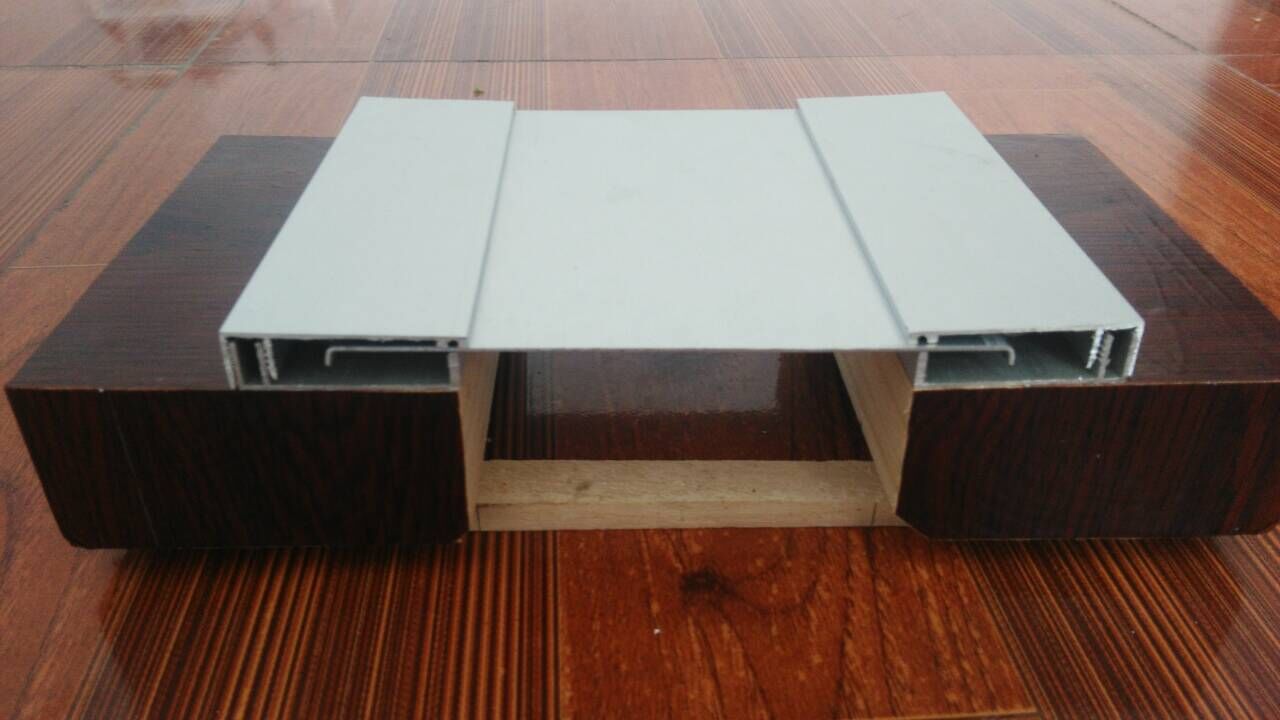
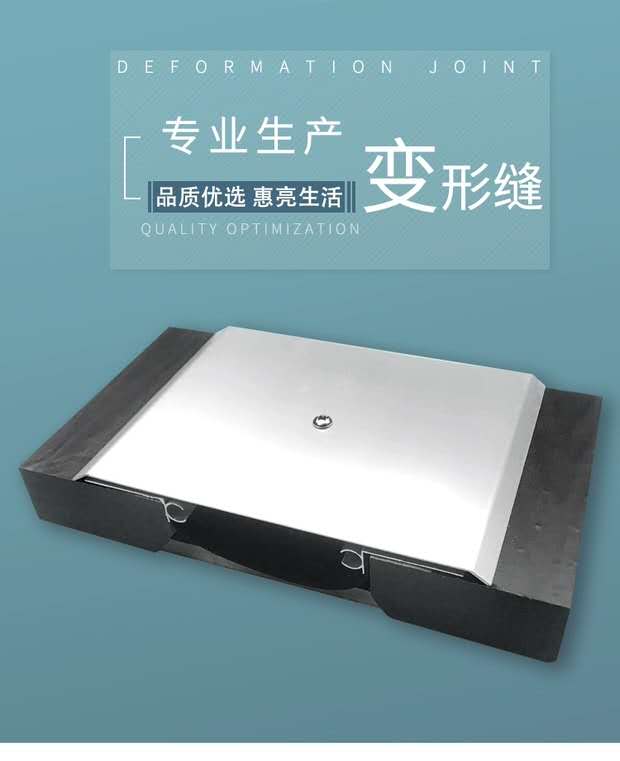
(6) End Cover Plates for Expansion Joints: In equal-height expansion joint types, concrete or metal cover plates are added to the expansion joint section; in high and low span expansion joint types, metal composite high molecular weight cover plates are nailed and pressed on top of the concave groove of the high-span wall, with the ends sealed using sealing materials.