
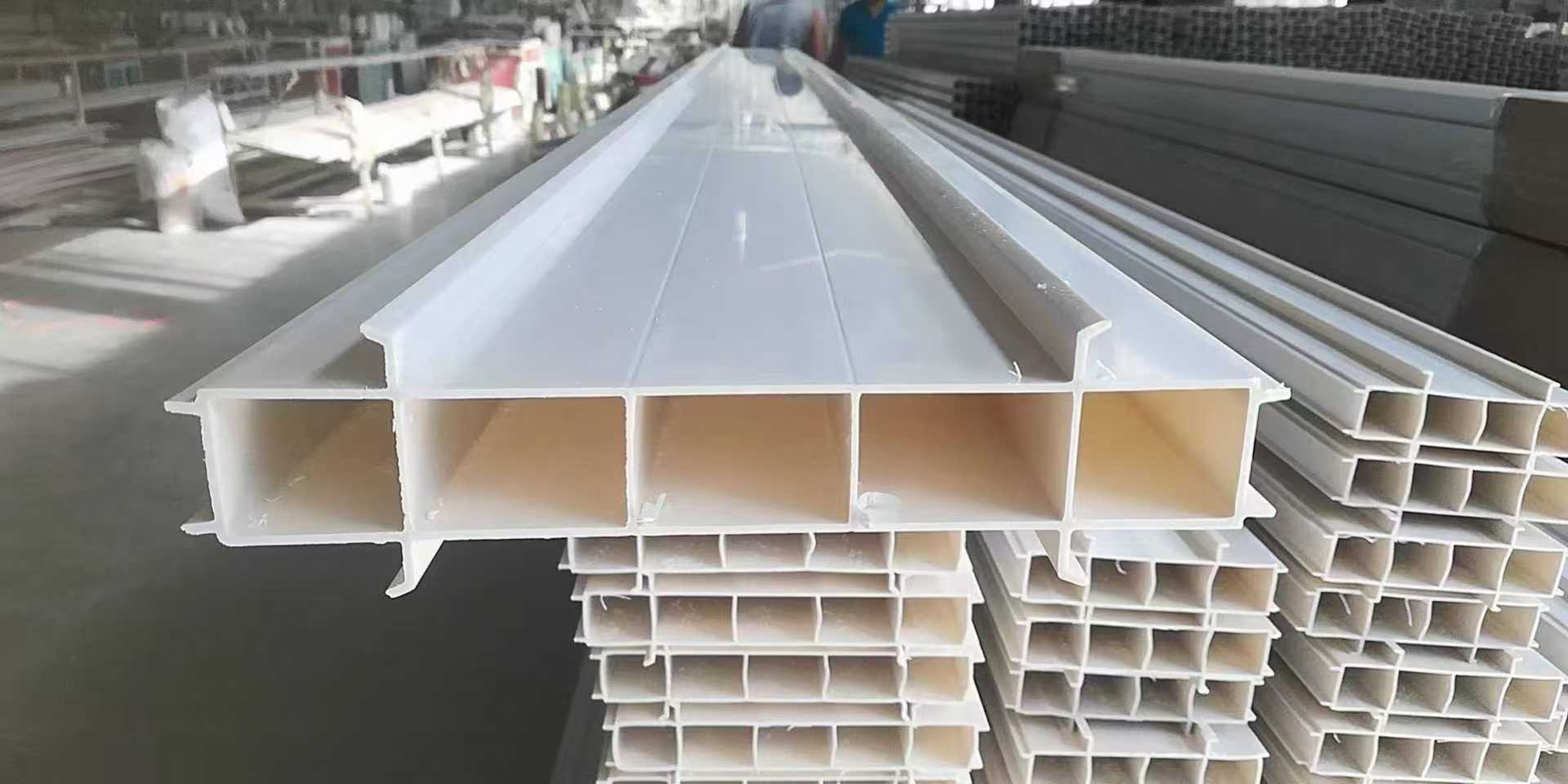

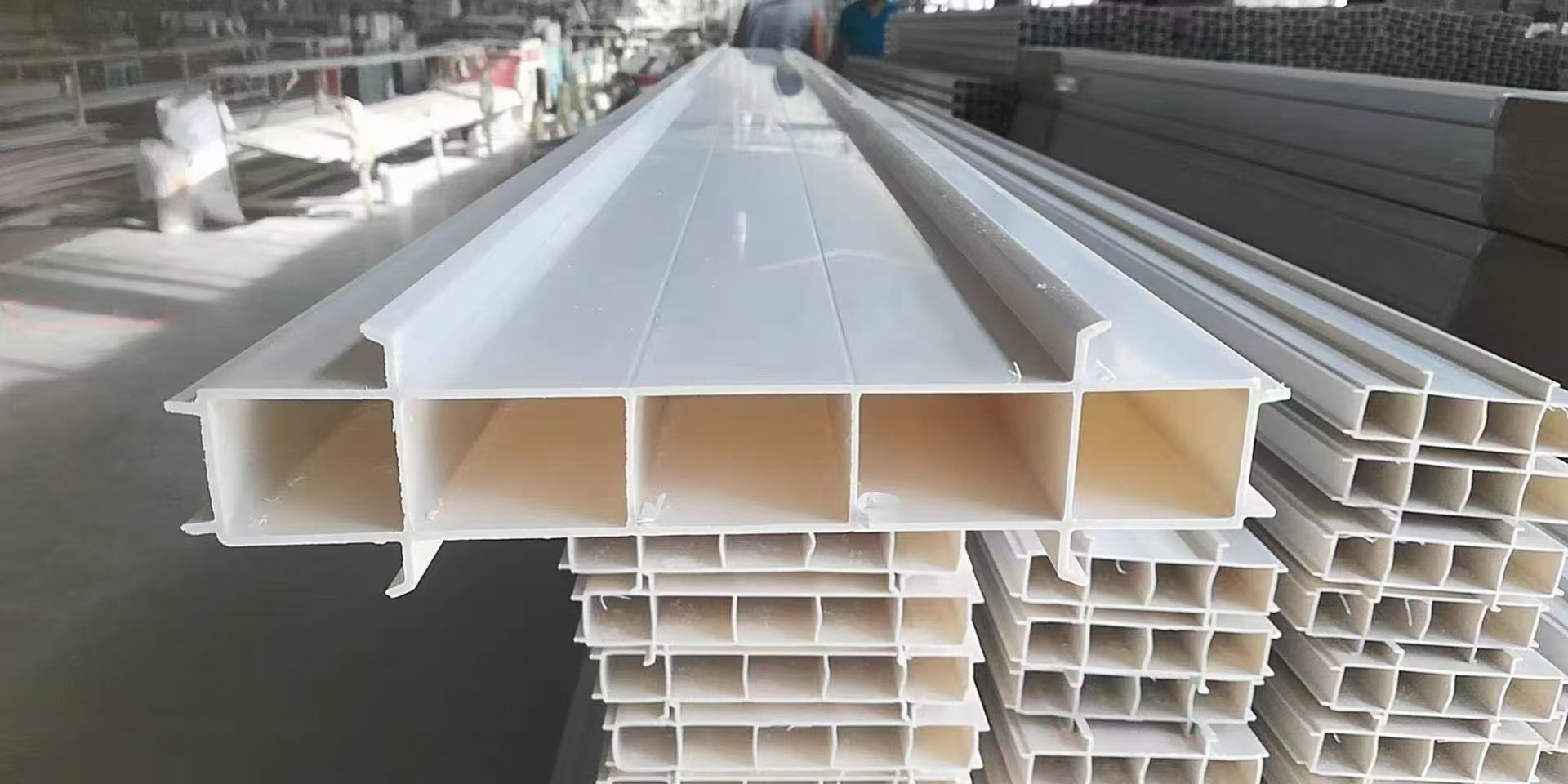


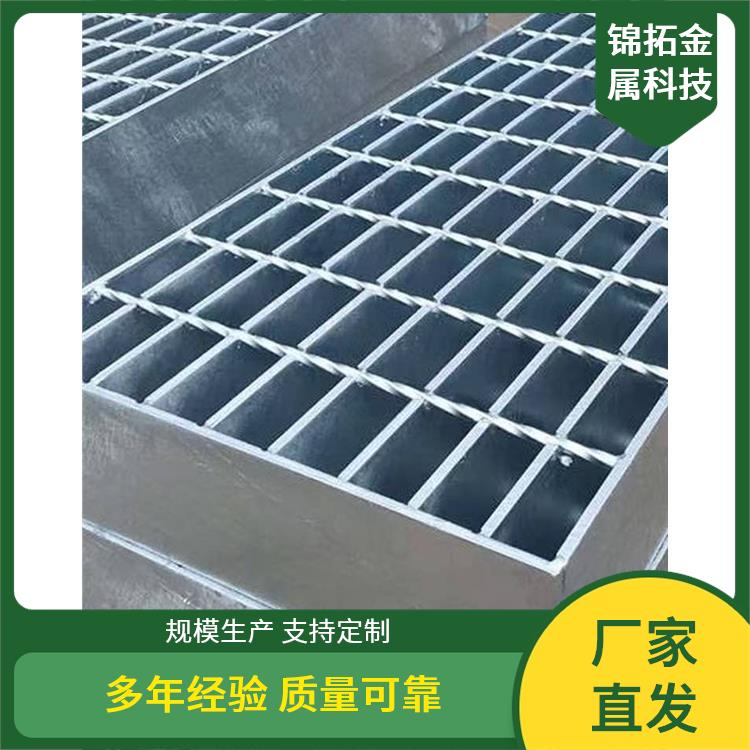





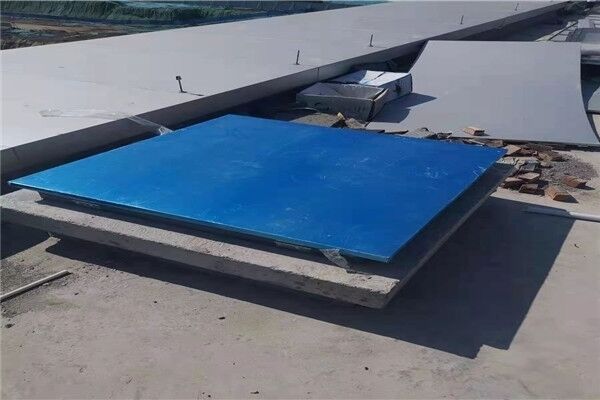
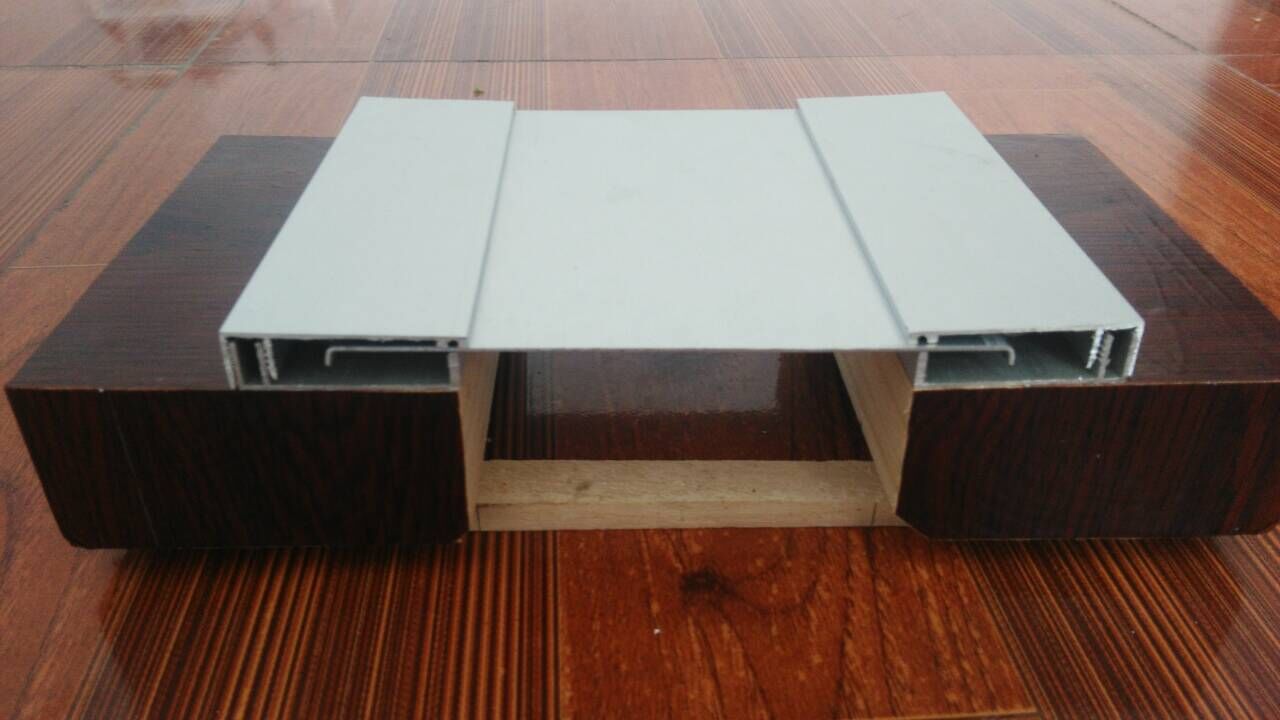
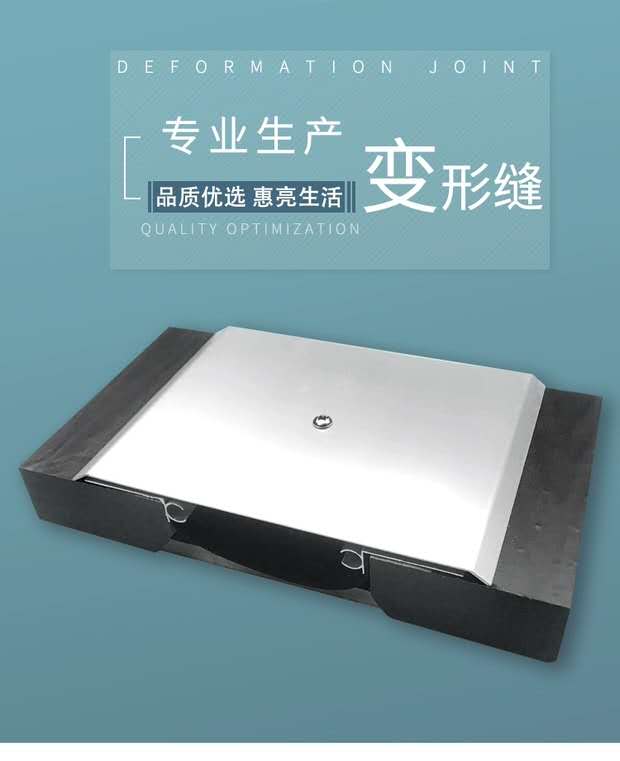
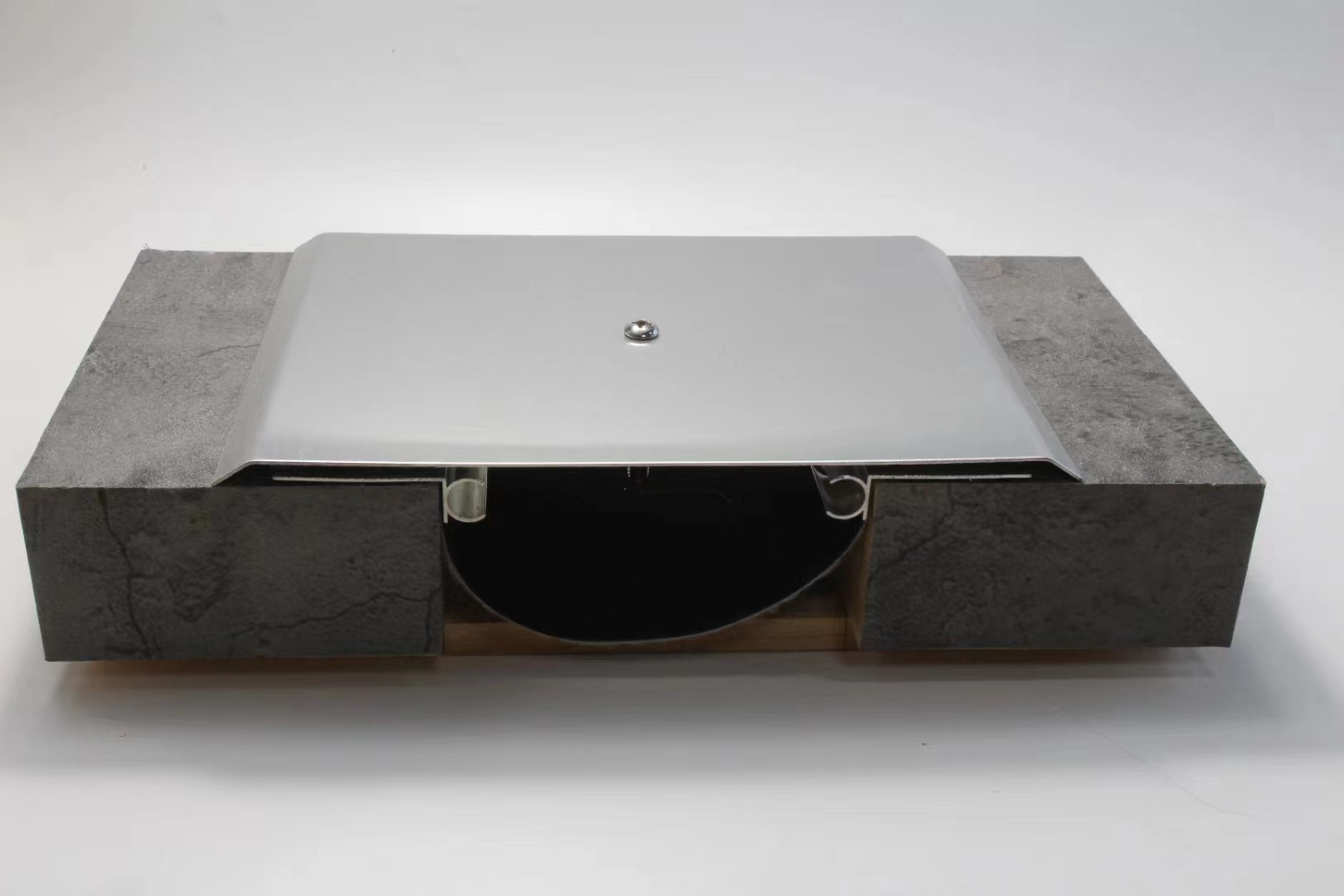
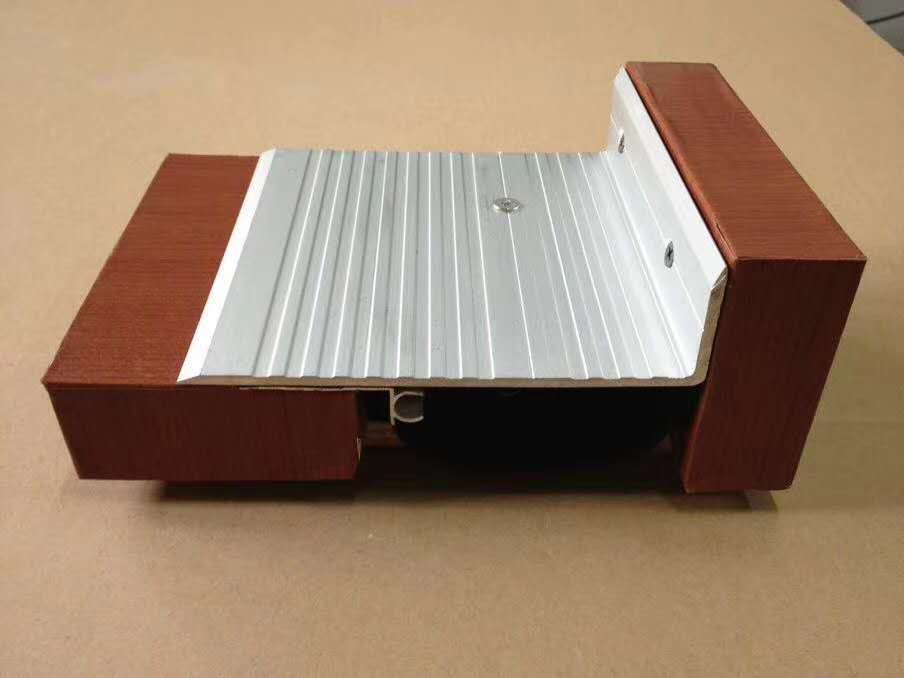
Beijing PVC Structural Joints Board, Beijing Structural Joints Board Manufacturer. Concrete structural joints are one of the common issues in construction projects, posing serious threats to the use of buildings and the economic interests of the contractors. This article delves into the measures for preventing and controlling concrete structural joints during on-site construction and briefly introduces the remedial methods for structural joints.
1. Pouring Operation: During pouring, the vibrator rod should be inserted quickly and withdrawn slowly. Properly control the vibration time according to the different slump of concrete to avoid over-vibration or missed-vibration. It is recommended to adopt double-vibration and double-smoothing techniques to exclude bleeding, moisture within the concrete, and air bubbles.
2. Concrete Curing: In the prevention and control of cracks in concrete structures, the early curing of freshly poured concrete is particularly important to minimize shrinkage as much as possible. Mainly, it involves maintaining the components in a moist environment. For large-volume concrete, it is advisable to use water storage or running water curing when possible. The curing period is 14-28 days.
3. Concrete Temperature Control and Insulation: For thick, large-volume concrete, it is crucial to consider the issue of cement hydration heat during construction. Implement necessary temperature control measures (such as embedding heat dissipation holes, water drainage, etc.) to avoid the concentration of hydration heat peaks and reduce the peak values. After pouring and shaping, take necessary water retention and insulation measures, such as covering the surface with film and wet burlap for maintenance, to prevent temperature structural cracks caused by significant temperature differences between the inside and outside of the concrete.
4. Avoid watering concrete in the rain or during strong winds.
5. Early backfilling of soil for underground structural concrete is beneficial in reducing structural cracks.
6. During summer, attention should be given to the pouring temperature of concrete. Use low-temperature molds and maintenance, and if necessary, ice blocks can be used after testing to lower the temperature of the concrete raw materials.
In addition, to prevent cracking in concrete structures, preventive measures should be taken in aspects such as the production and manufacturing of concrete, construction, and structural design. For instance, under the premise of reasonable design, the concrete mix should also be properly proportioned, especially during construction, where the correct construction methods must be employed to effectively prevent cracking.
WeChat Official Account

Scan to follow Official Account