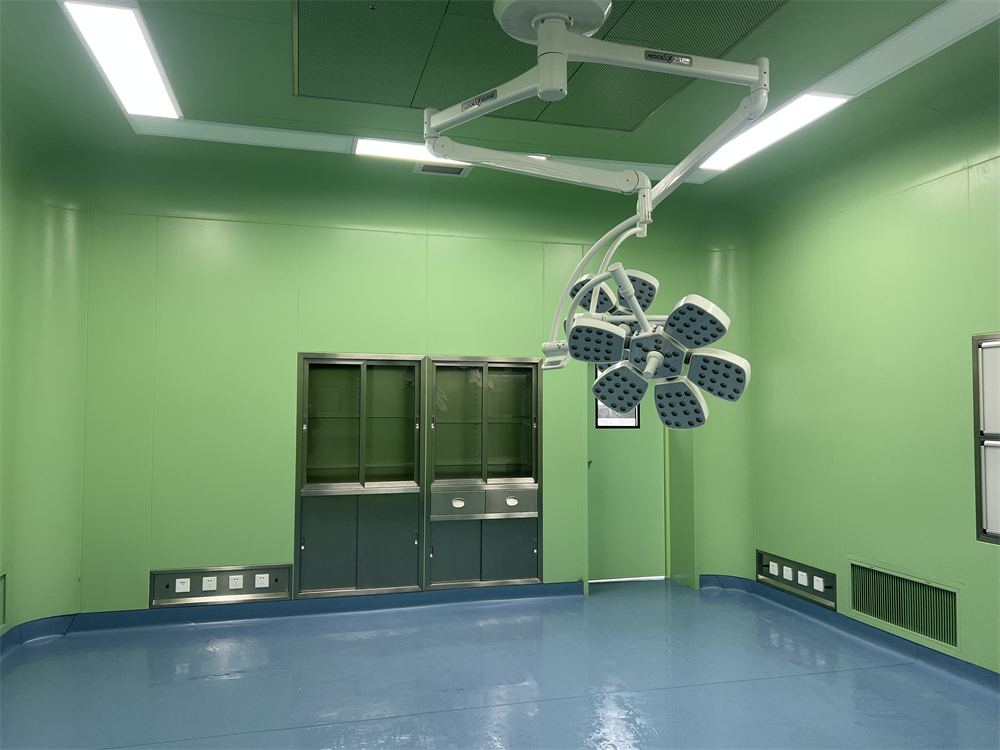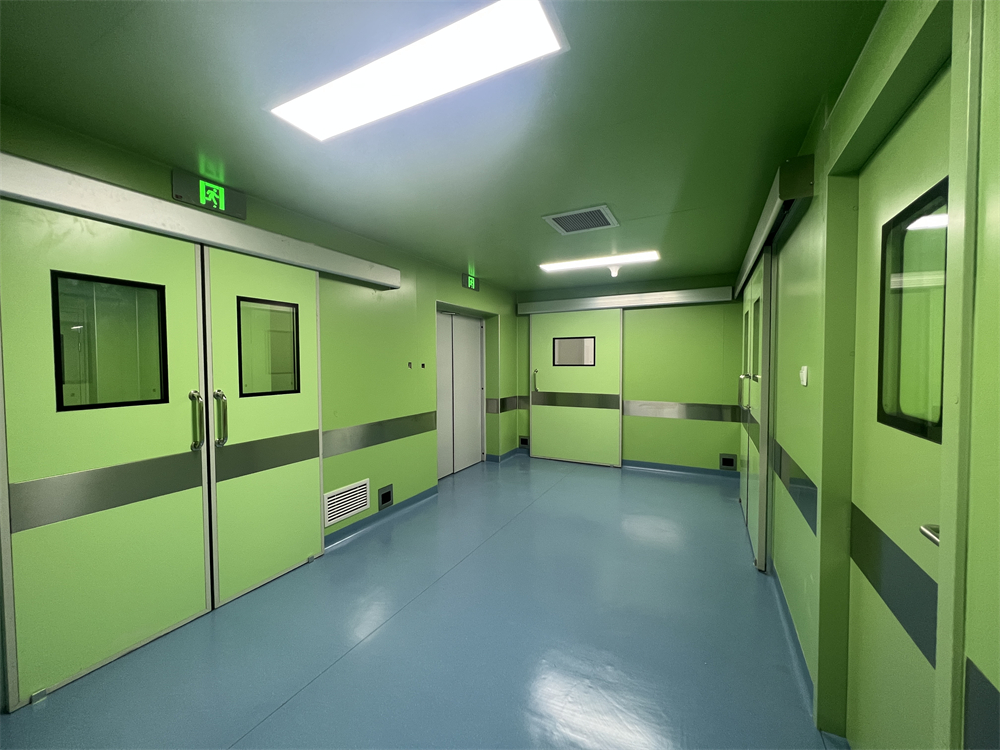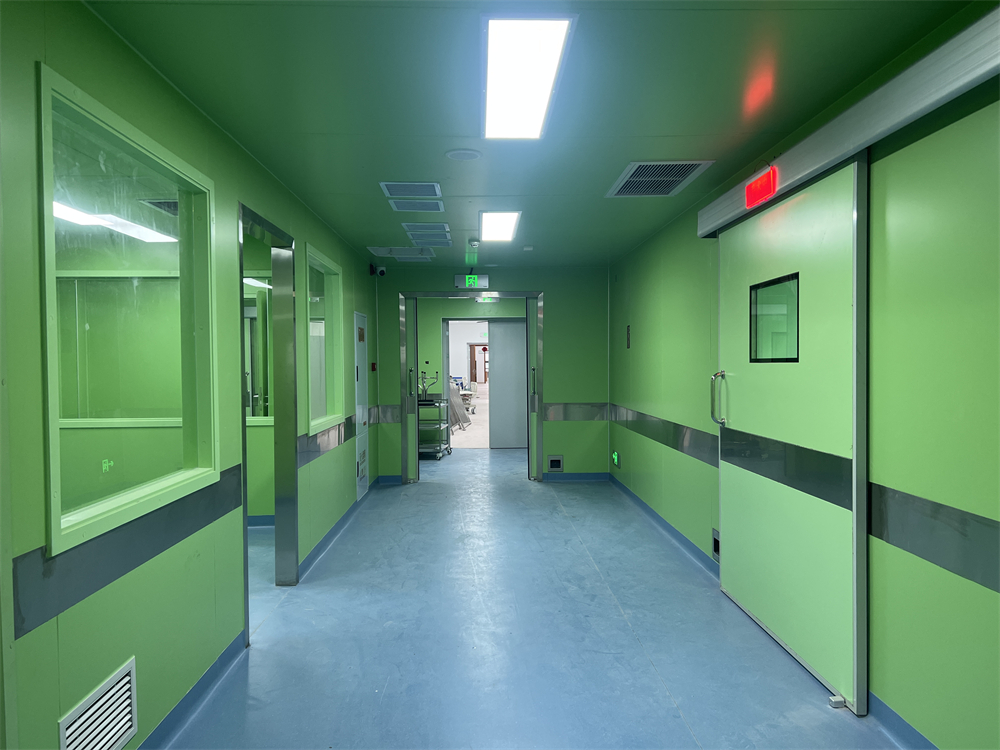

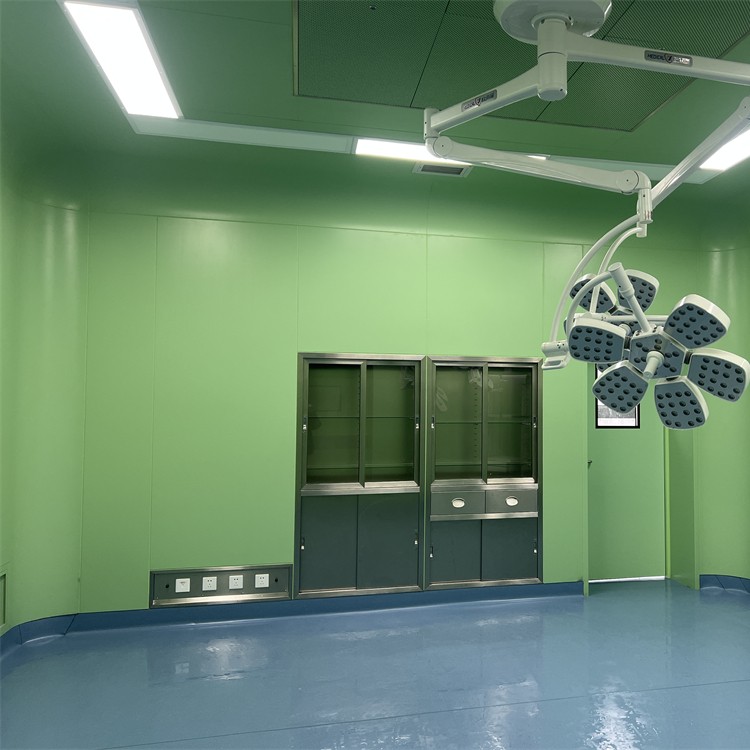
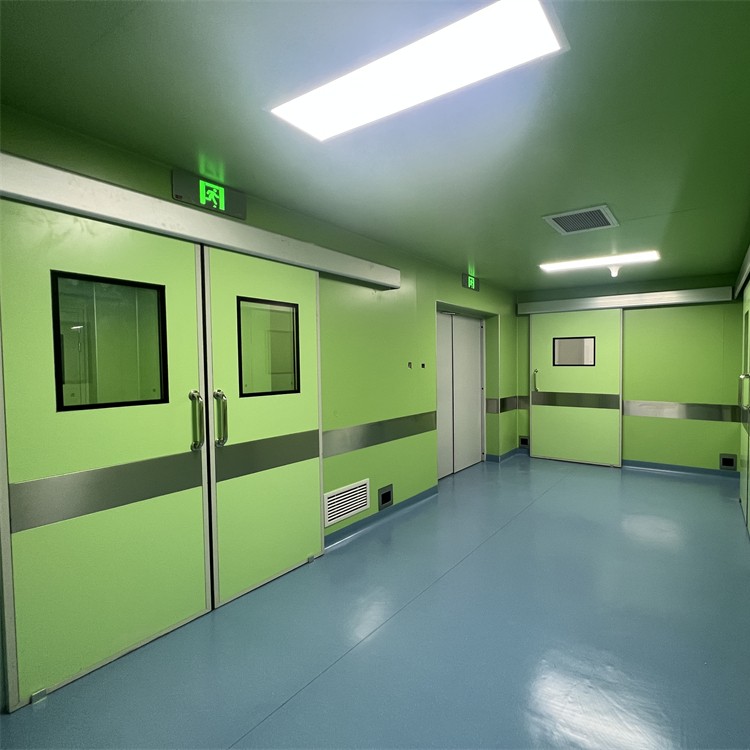
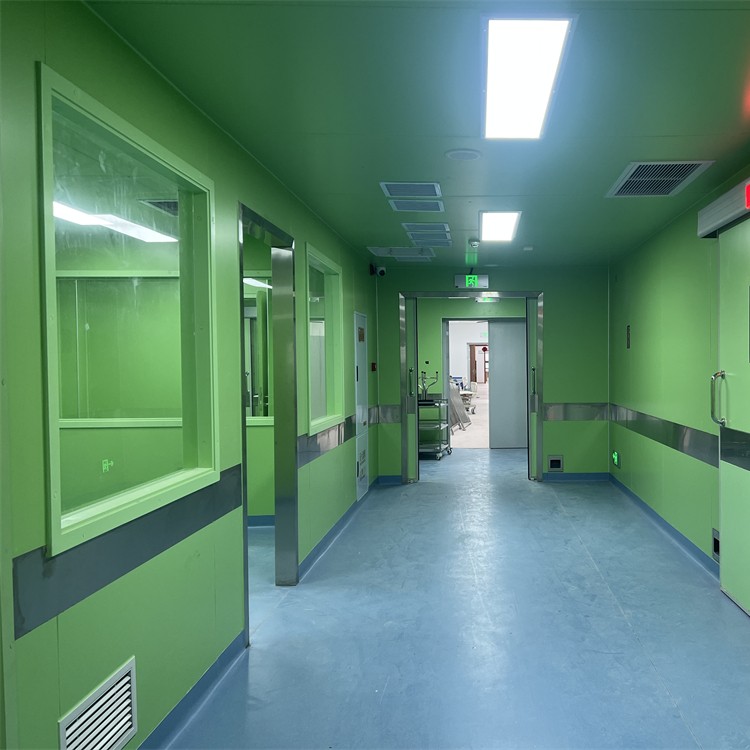











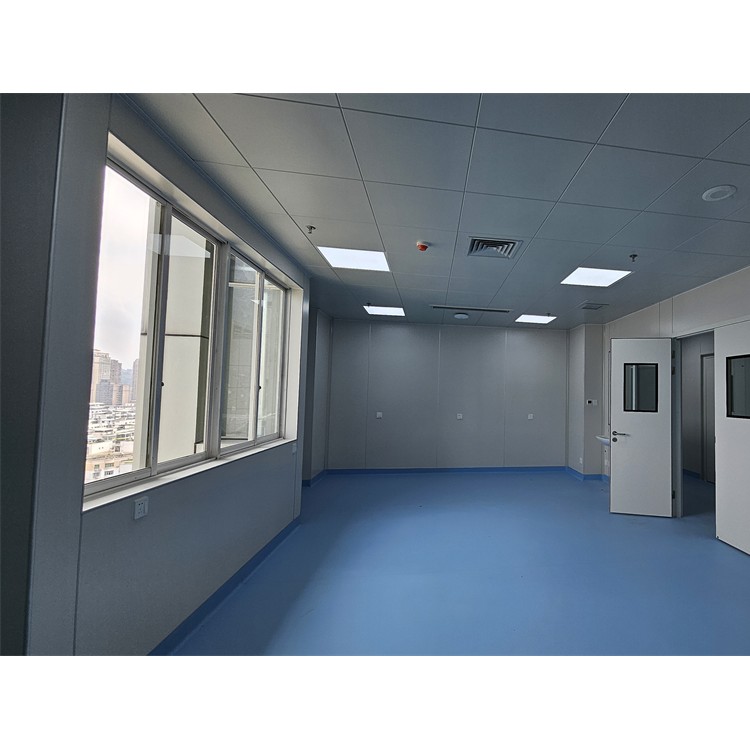
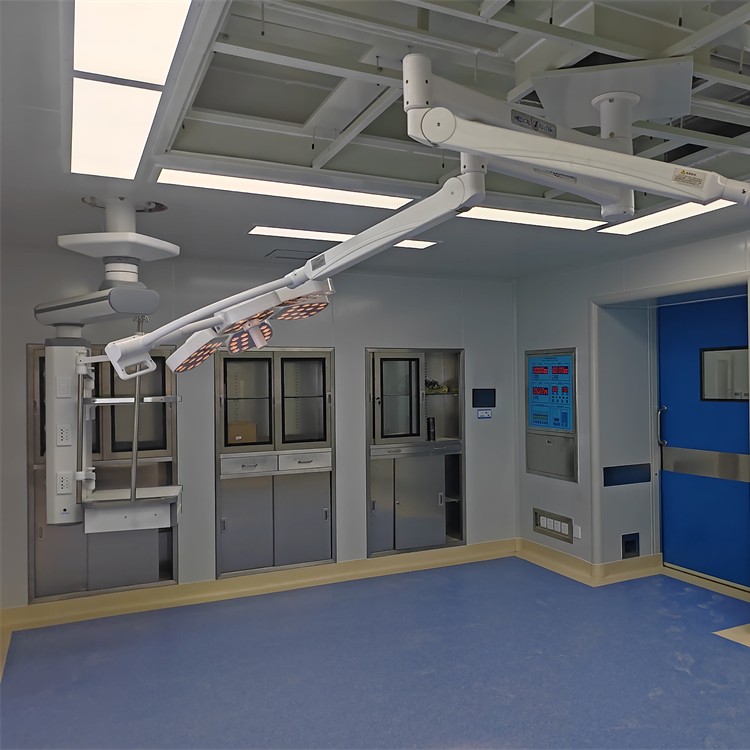
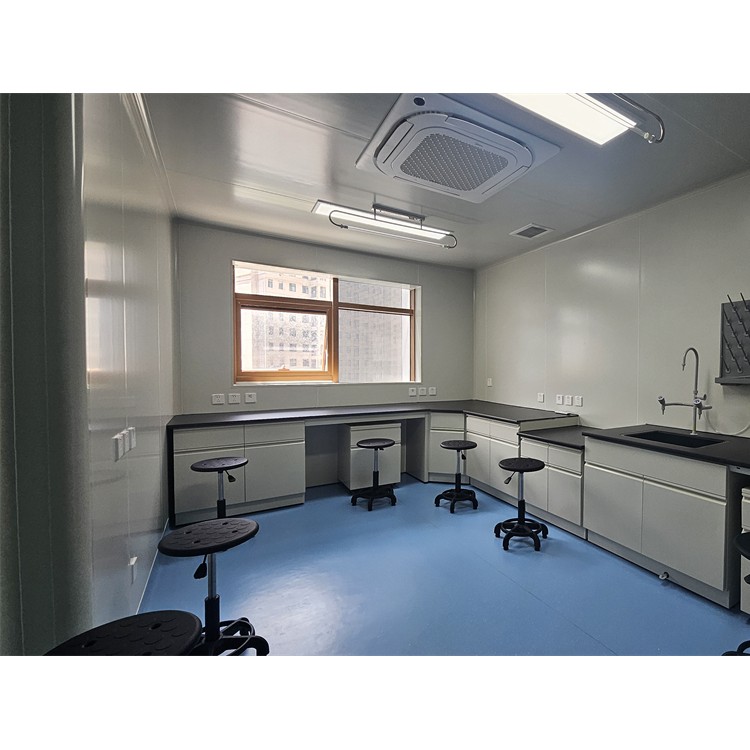
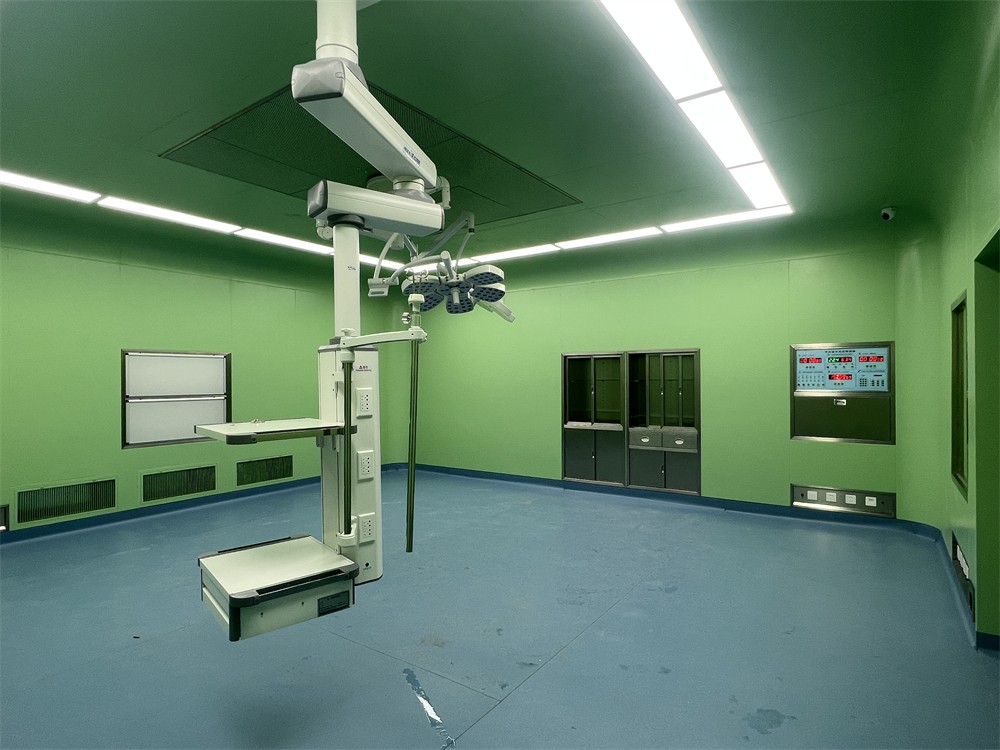
Key points for laminar flow operating room purification to ensure cleanliness and safety.
Principle of Air Purification
The air purification in a laminar flow operating room mainly relies on high-efficiency filters to remove dust, bacteria, and other microorganisms from the air, achieving a clean environment. The filters combine mechanical and electrostatic filtration methods, with mechanical filtration primarily relying on fiber filter nets to intercept larger dust particles, while electrostatic filtration attracts minute dust particles and bacteria through the electric field.
Part II: Air Purification Process
Prior to entering the laminar flow operating room, air must first pass through a coarse efficiency filter to trap larger dust particles.
2. Further filtered by a medium-efficiency filter to remove fine dust particles.
3. Finally, the microorganisms are adsorbed through an efficient filter.
4. Distribute clean air evenly into the operating room through the air outlet.
5. Air from the operating room is drawn into the return air duct through the return air opening and then exhausted outdoors after passing through the filter.
Section 3: Air Purification Effect
The air purification effect of a laminar flow operating room largely depends on the performance and replacement frequency of the filters, the sealing of the operating room, and the operational status of the air conditioning system. Generally, the air cleanliness level of a laminar flow operating room should reach ISO 5 or higher, meaning the number of bacteria in each cubic meter of air does not exceed 100 cfu.
IV. Maintenance and Management of Purification Equipment
Regularly inspect the integrity of the filters, and replace them promptly if any damage is found.
2. Regularly conduct performance tests on filters to ensure their normal operation.
3. Regularly clean or replace components of the air conditioning system, such as air handling units and cooling towers.
4. Regularly inspect the operating room for airtightness, ensuring no gaps.
5. Monitor and maintain the air conditioning system to ensure its proper operation.
V. Personnel Management
Personnel entering the laminar surgery room should wear clean suits, masks, hats, and gloves; change shoes or wear shoe covers.
Maintain strict control over the number of people entering the operating room to minimize personnel movement.
3. Avoid significant movements and talking during the surgical process to minimize the generation of droplets.
4. Conduct regular training for operating room staff to enhance their awareness of asepsis and operational skills.
VI. Environmental Management
Maintain a clean and orderly arrangement of items within the operating room.
2. Regularly clean and disinfect areas such as operating tables, walls, and floors.
3. Regulate indoor temperature and humidity to meet surgical requirements.
4. Regularly test and culture indoor air for bacteria to ensure cleanliness and sterility.