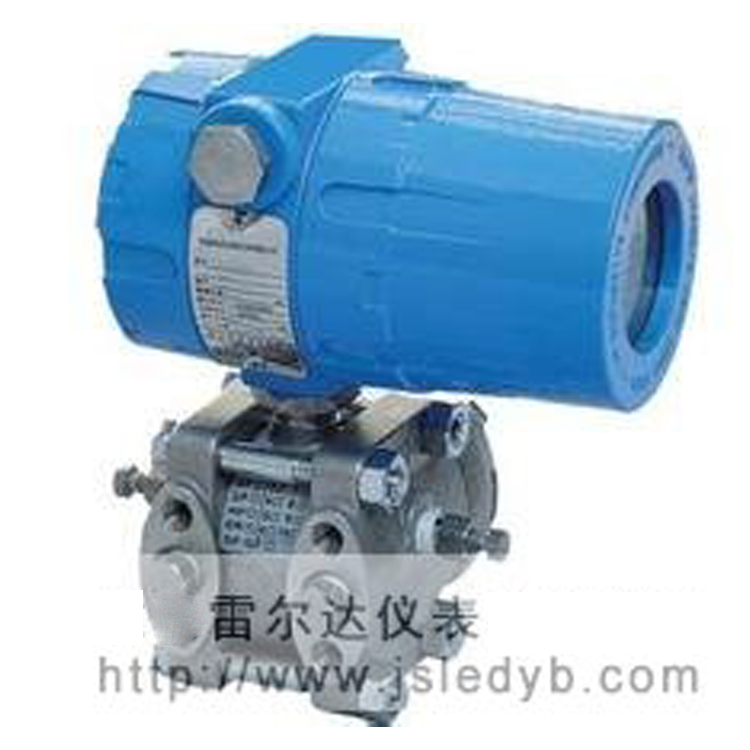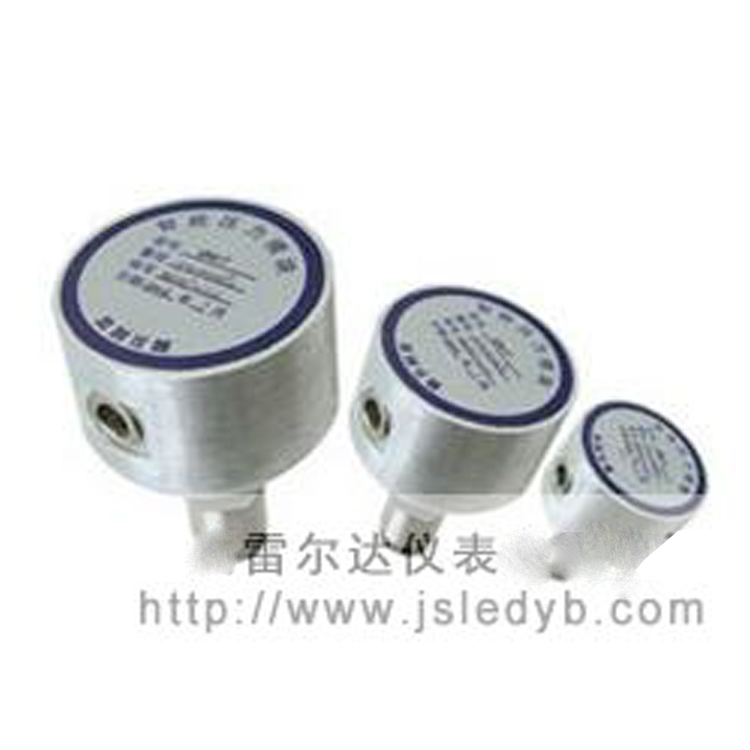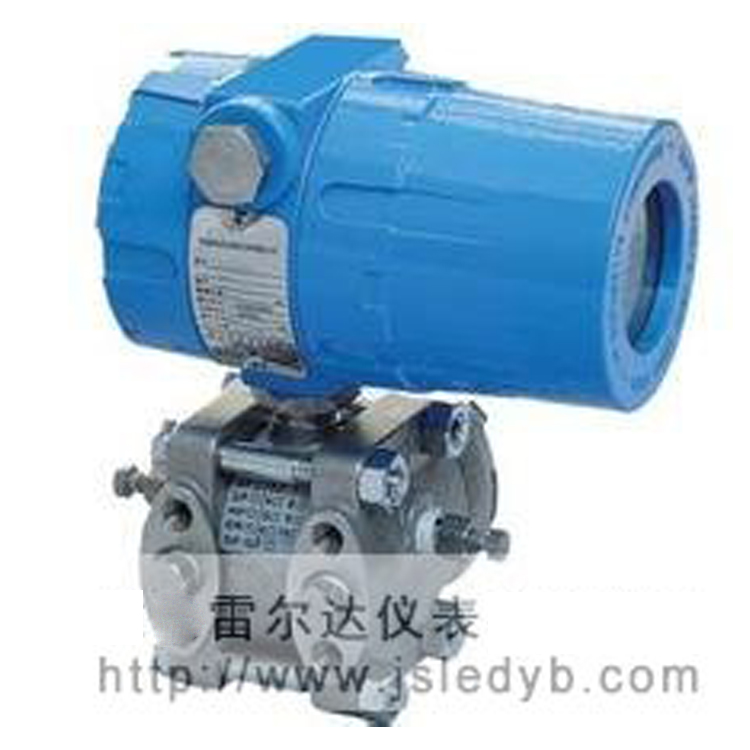

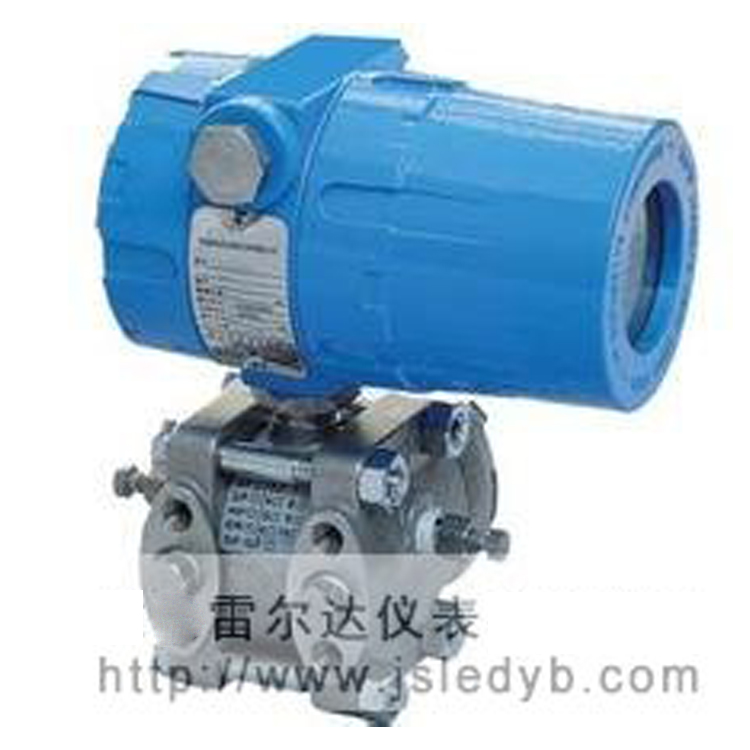


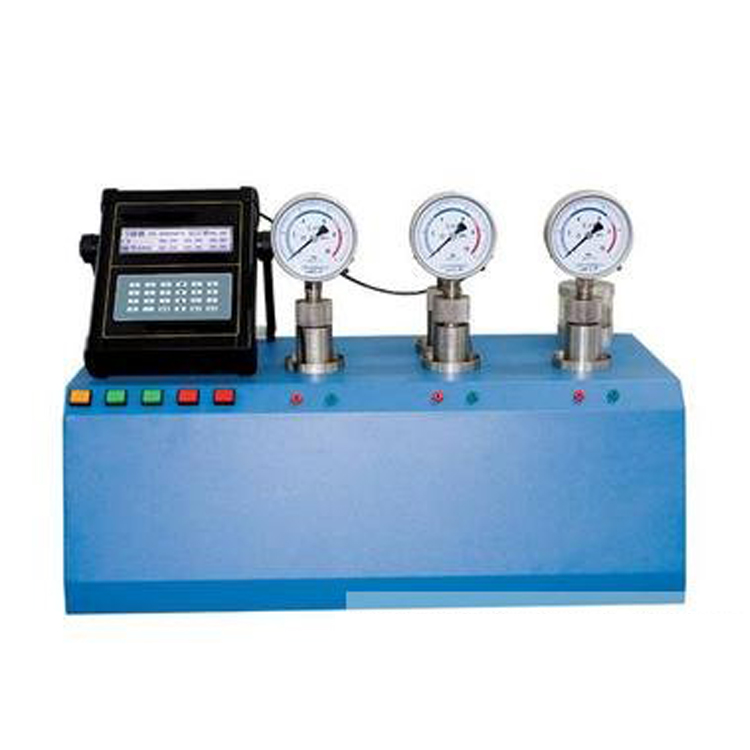
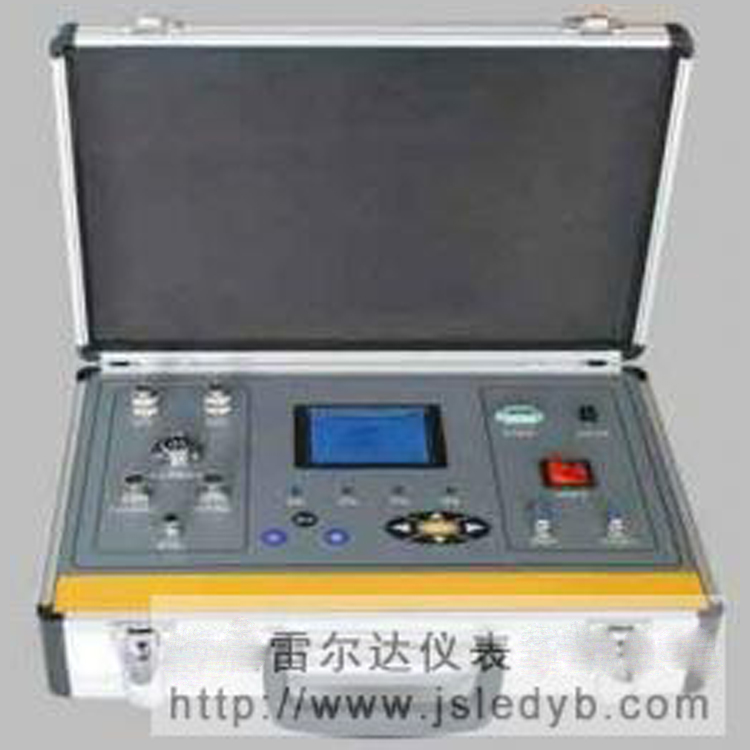





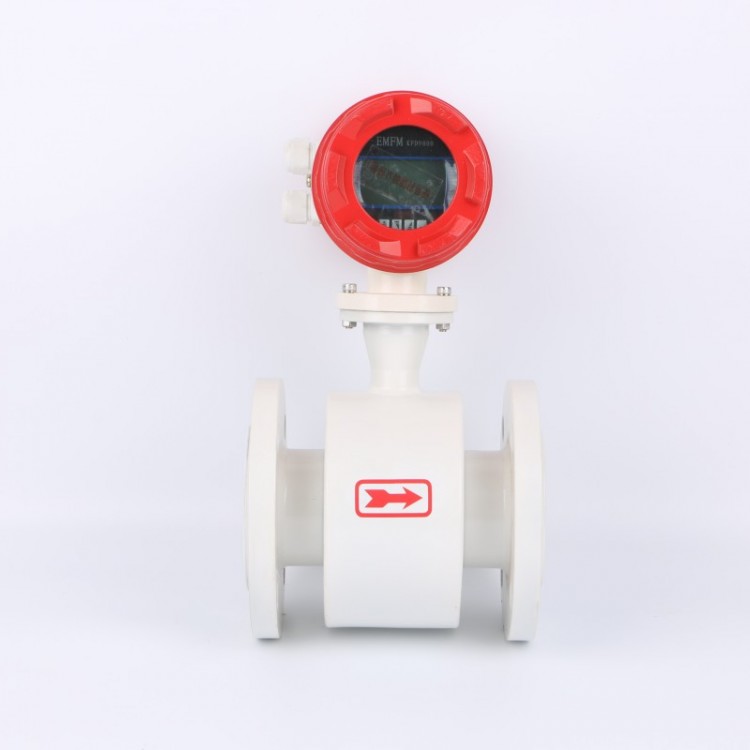
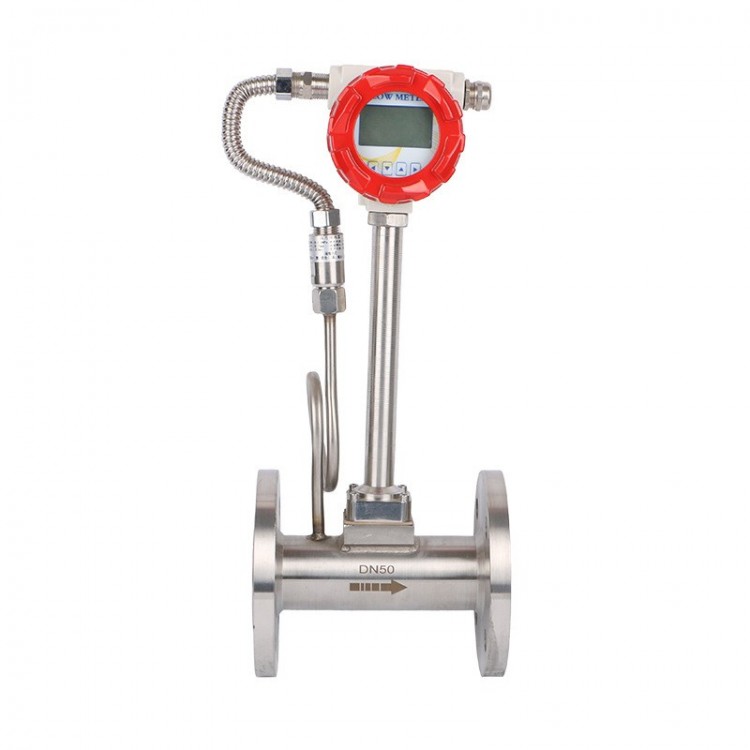
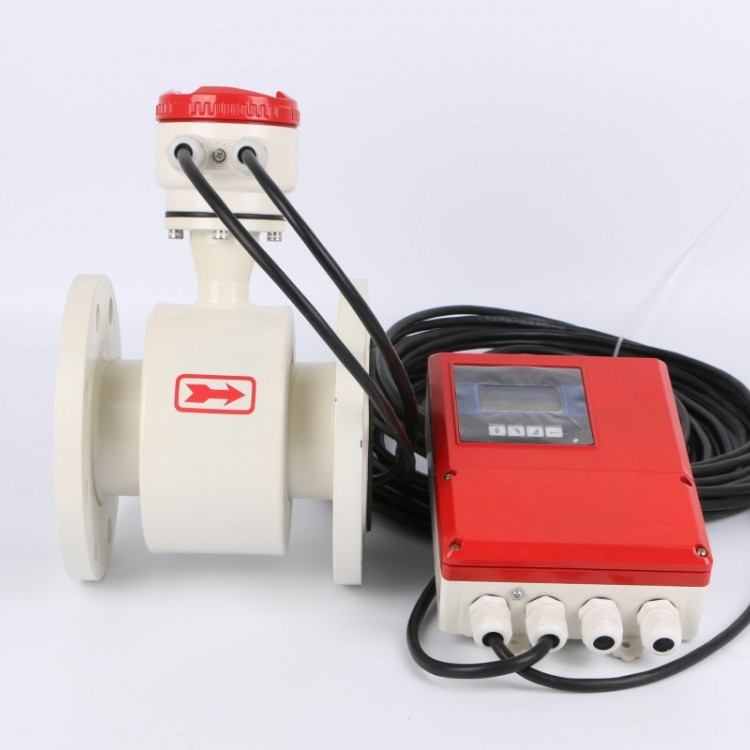
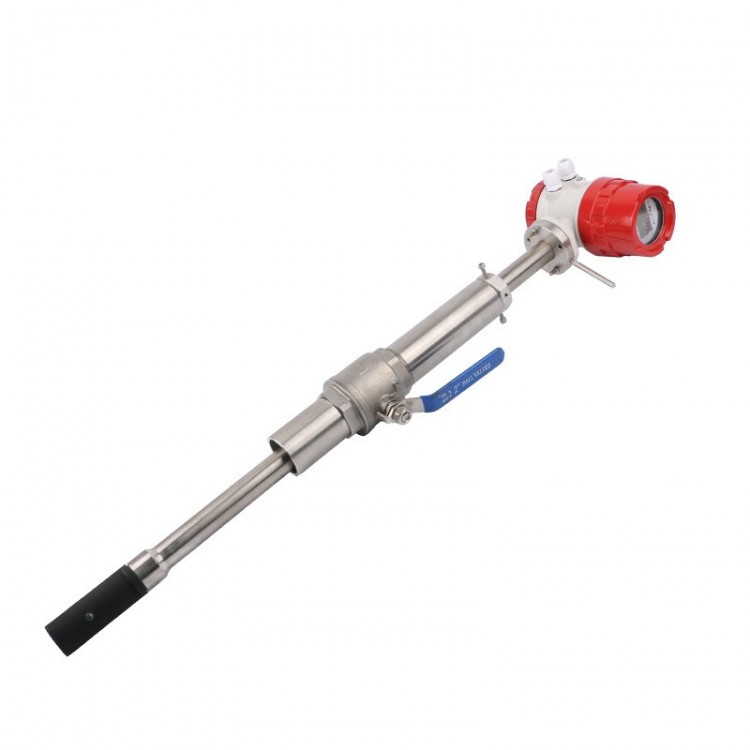
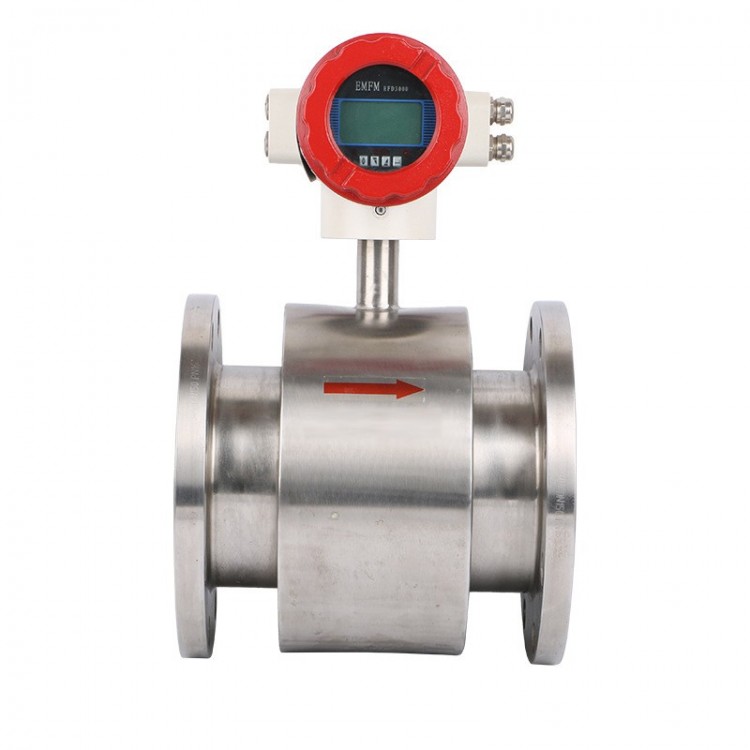
The static pressure transmitter is developed by our company based on the principle that the static pressure of the measured liquid is proportional to its liquid level. The key component of the transmitter is a capacitive sensor, which features good repeatability, temperature characteristics, and high reliability; the electronic components use a dedicated module for two-wire transmitters, thus the transmitter is characterized by its small size, light weight, high precision, reliable quality, and good cost-performance ratio. It also comes with on-site indication and is convenient for installation and use.
The instrument is widely used for measuring the level of water in urban water supply and drainage, water treatment plants, reservoirs, rivers, seas, deep wells, oil storage tanks, containers filled with paste or slurry, and in the oil, chemical, and power industries, as well as other open containers. It particularly showcases the superior performance and high precision of the instrument when measuring liquids that are more viscous or in environments with mist and dew. The instrument can be used as an immersion type or installed using threaded, flanged, or top-mounted connections.
Gauges are available in three types: standard, corrosion-resistant, and smart, with the smart type featuring the HART communication protocol.
II. Main Technical Specifications
Range: 0~200m
Accuracy Grade: 0.2 Grade, 0.5 Grade
Overload Capacity: 2.5 times the rated range (250%)
Power Supply: 24V DC
12~36 V DC (Non-Intrinsically Safe)
18~28 V DC (Intrinsically Safe)
Output: 4-20mA, two-wire system
Load Resistance: 24VDC, at 24VDC, 600Ω
At 18VD.C., at 36VD.C. 300 Ω
At 36V.D.C, 1200 Ω
Medium Temperature: -25℃ ~ +80℃
Ambient Temperature: -10℃ to +55℃
Sensor Head Size: φ38×130 mm (Excluding gas conduit cable, transmitter, and junction box)
Cable Import Thread: M20 × 1.5
Sensor Material: Stainless Steel, Oil-Resistant Rubber
III. Selection Mark

IV. Instrument wiring

V. Selection Considerations
1. Drop-in Installation:
The instrument is immersed in the medium being measured, the transmitter is set to the zero measurement position, and the materials in contact with the medium are stainless steel, nitrile rubber, and PVC. The selected insertion installation method requires that the medium being measured has no corrosive effect on these three materials.
2. Threaded Installation:
The gauge is threaded onto the container wall, installed at the measurement zero point, with a liquid contacting material of 316 stainless steel. It can measure mediums that do not corrode stainless steel. For measurement ranges greater than 4 meters, threaded installation is recommended.
3. Flange Mounting (Top Mount)
The liquid receiving part is made of stainless steel, capable of measuring mediums that do not corrode stainless steel. For measurements exceeding 4 meters, opt for threaded installation whenever possible.
4. Regardless of the installation method, the gauge can only measure the liquid level height of an open container.