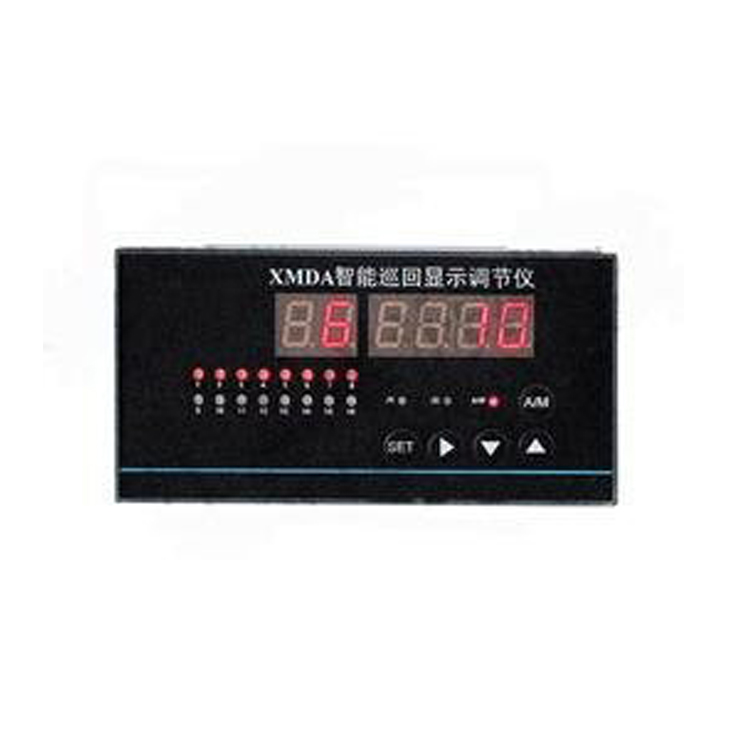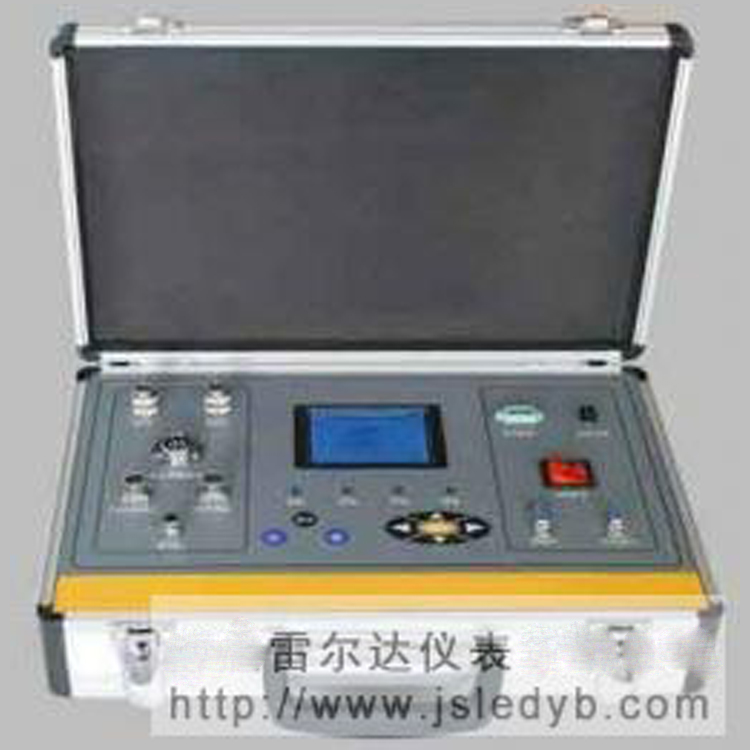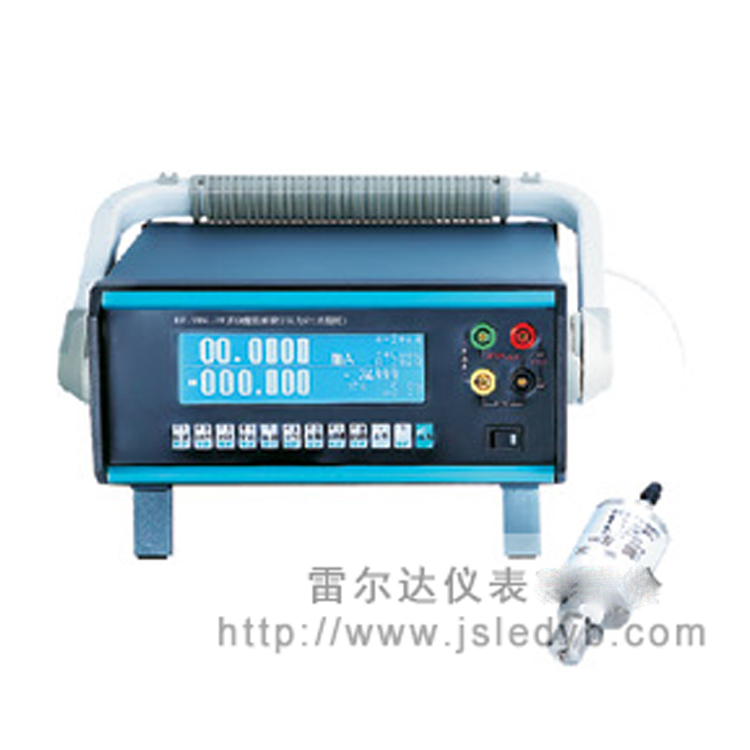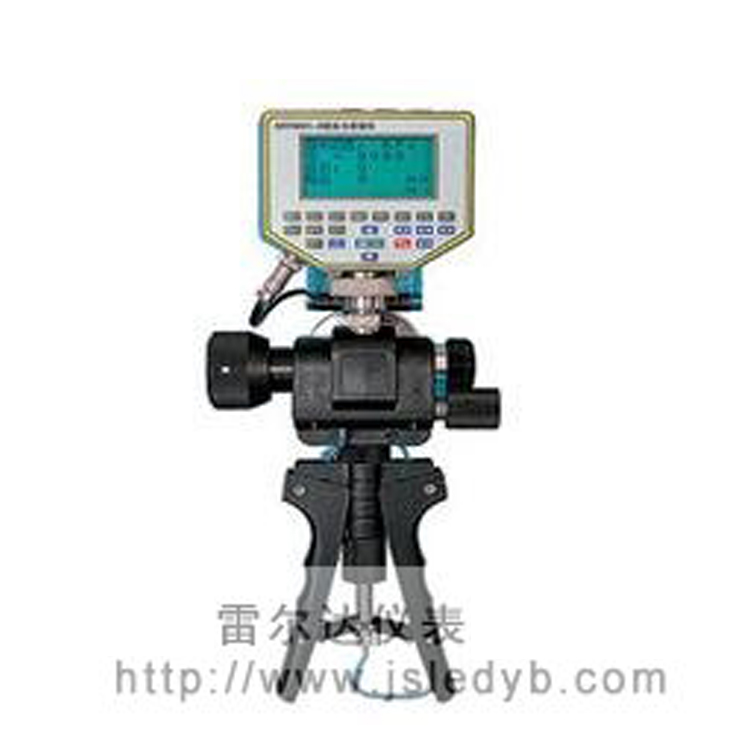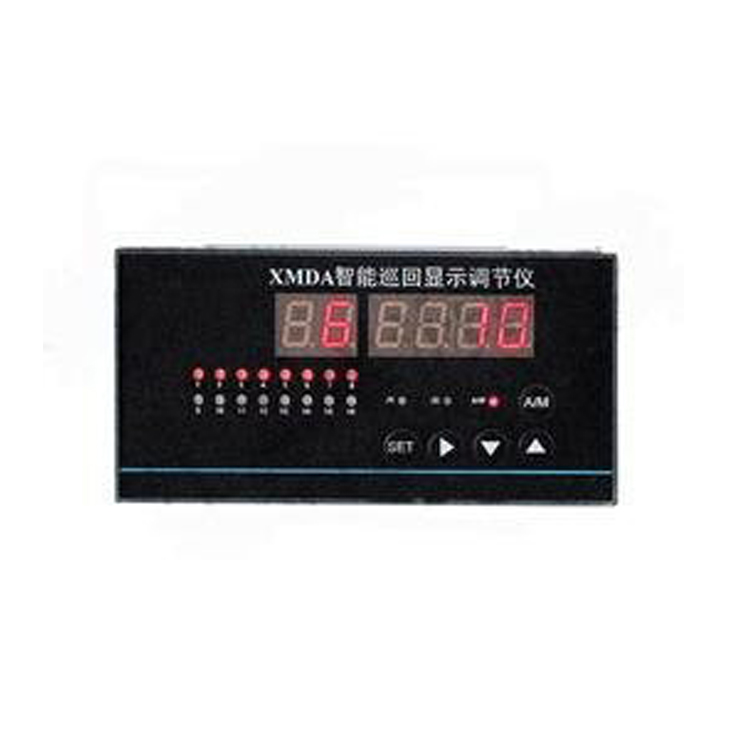

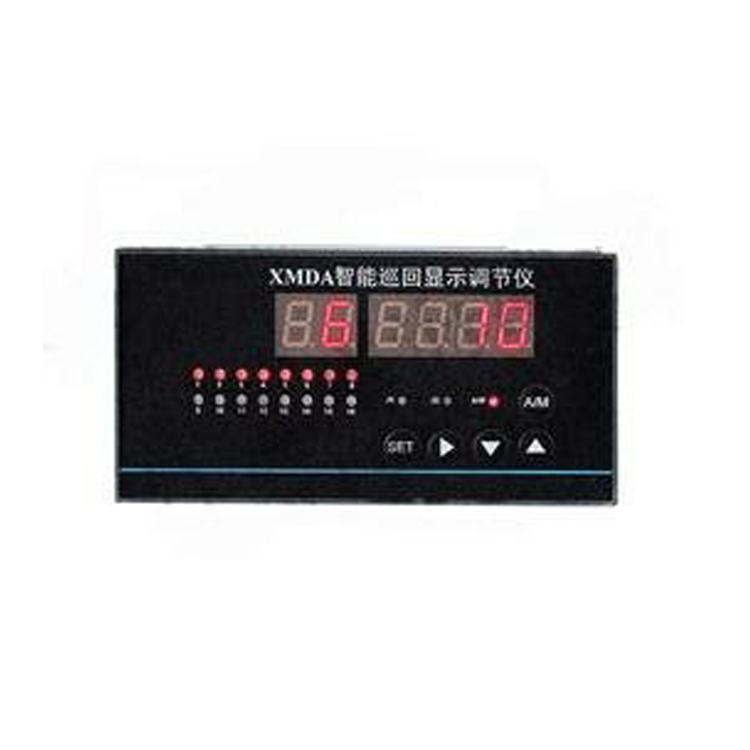


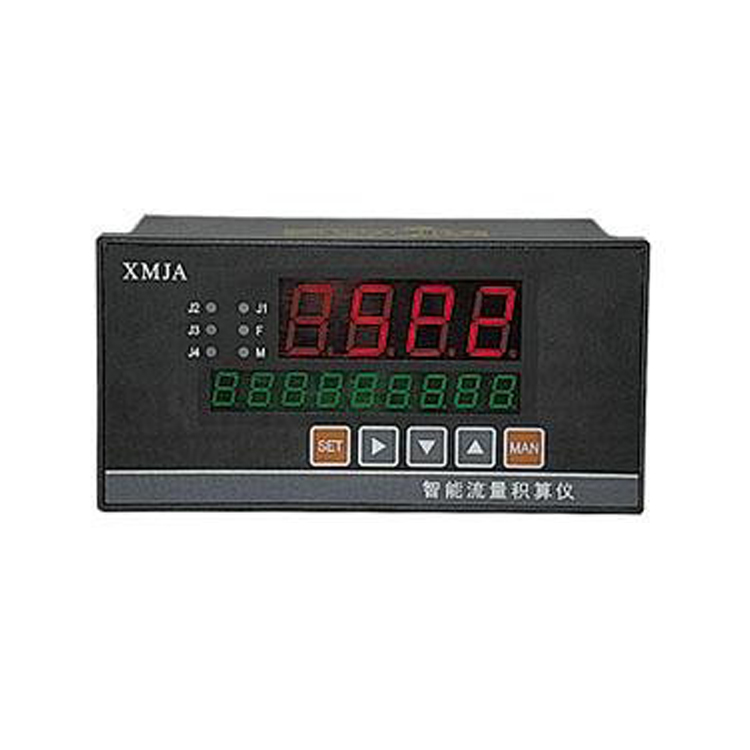





Our XMDA-6000 series intelligent patrol display alarm instruments utilize self-developed and -designed integrated circuits, custom-manufactured by a Japanese IC manufacturer. These instruments not only integrate most of the functions of various regulating instruments in current automatic control systems but also incorporate circuits for CPU, I/O interfaces, EPROM, and D/A conversion. Complemented by a sophisticated, meticulously programmed, and thoroughly debugged software system, they allow for seamless operation during production, as if they were an extension of your arm. Moreover, this product is no longer just a simple patrol meter; it demonstrates satisfactory performance in computation, comparison, execution, and alarm processing capabilities.
※Features
Input Signal Types: Thermocouple, Resistance Temperature Detector, Linear Current, Linear Voltage
2. Inspection Channels: 1 ~ 32 channels. The instrument can simultaneously display four measurement values.
3. Inspection mode switching, fixed inspection, and channel display time settings available from 0.1 to 25 seconds.
4. Each channel can be individually set for effective operation
5. Linear input allows defining the zero point, full scale value, and decimal places for each channel.
6. Supports independent setting of alarm values for each channel's upper and lower limits, along with alarm indicator lights; unified relay output for upper and lower limits, or shared relay output for every 4 channels.
7. Selectable combination of 4 relay configurations.
8. The average value is visible, and the average can be positionally controlled.
9. Redefinable alarm output (including audio-visual alarm output)
10. Capable of simultaneously or separately transmitting output for maximum, minimum, average, and instantaneous values during inspections.
11. There are three sets of menus (B, C, D) based on operational functions, with the D menu being convenient and quick.
12. Offers RS485 asynchronous serial communication in multi-host, single-host, and hostless configurations. Communication data verification complies with CRC-16 U.S. data communication standards, featuring high reliability in cyclic and barcode checks.