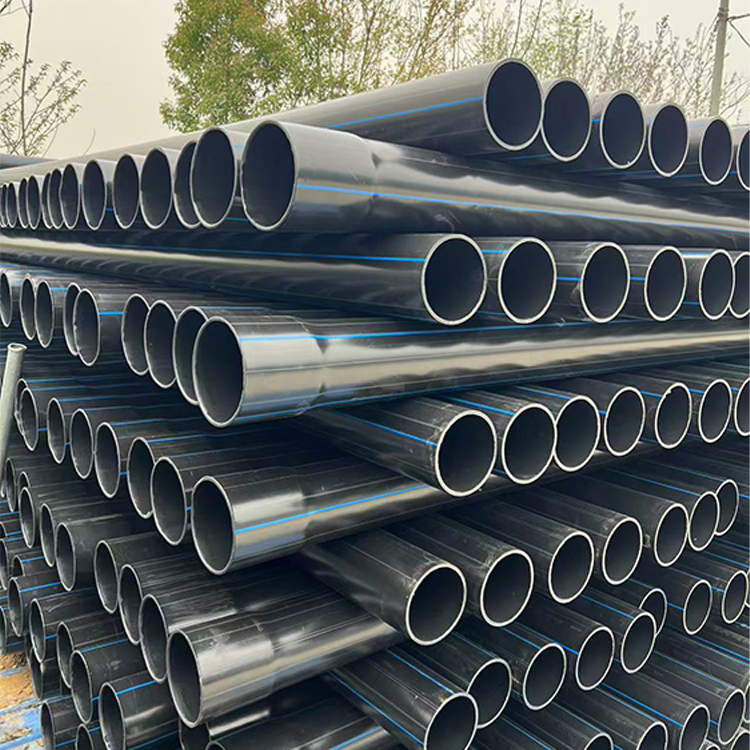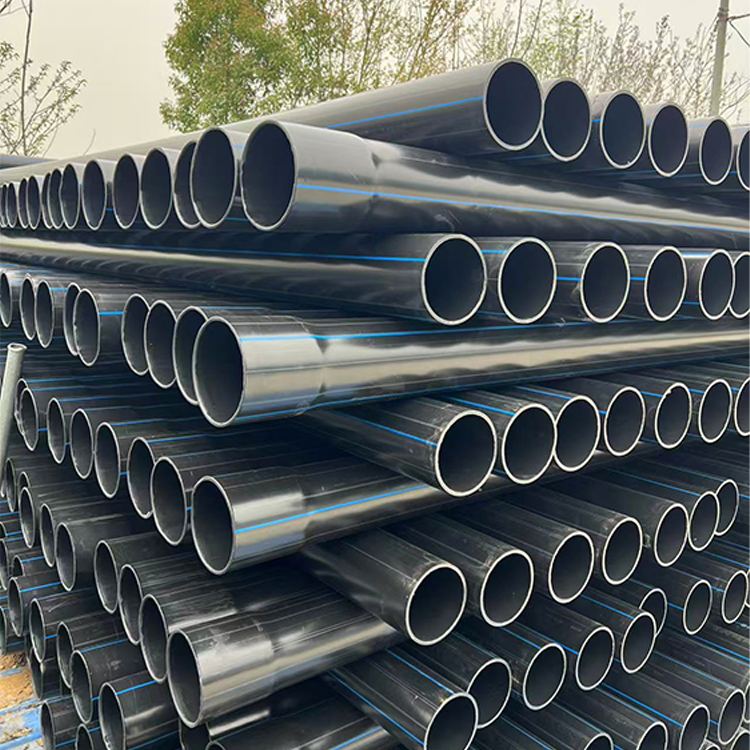

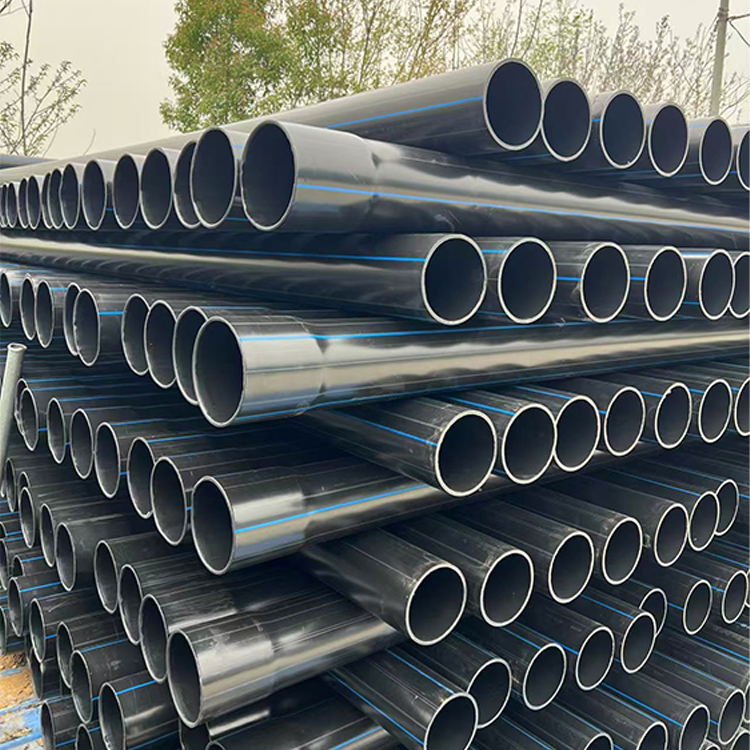







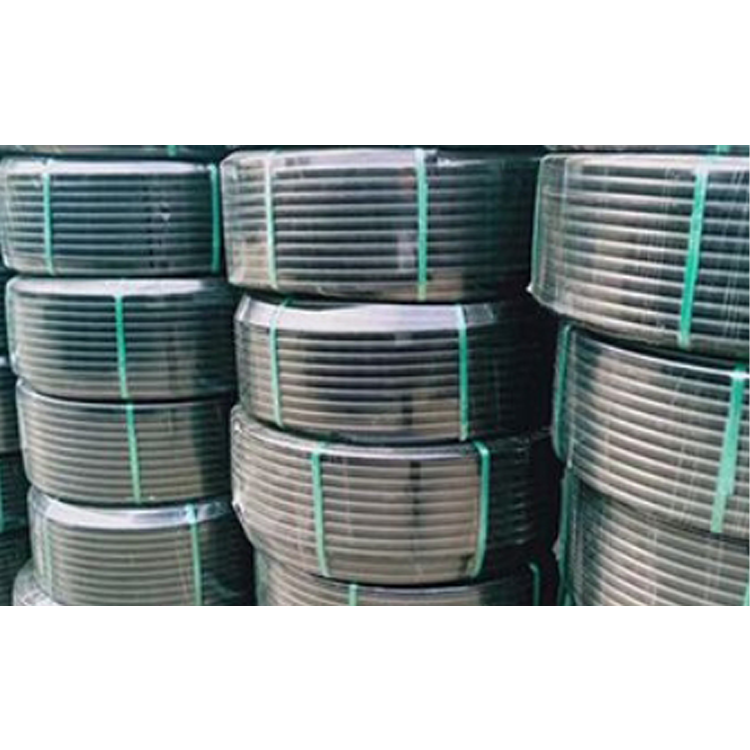
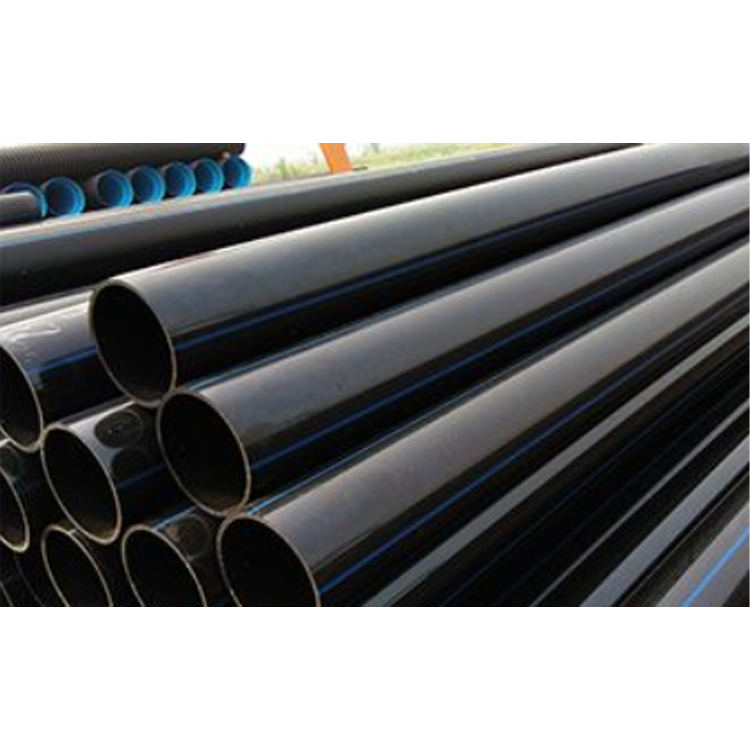
Features of PE conduit:
(1) Reliable Connection: The polyethylene pipe systems are connected using electric heat fusion, with the joint strength exceeding that of the pipe itself.
(2) Excellent Low-Temperature Impact Resistance: Polyethylene has a low-temperature brittleness temperature, allowing safe use within a temperature range of -60 to 60°C. During winter construction, due to its good impact resistance, the pipes will not crack.
(3) Excellent resistance to stress cracking: PE pipe materials feature low notch sensitivity, high shear strength, and excellent scratch resistance, with outstanding performance in environmental stress cracking resistance.
(4) Excellent Chemical Resistance: PE pipes can withstand corrosion from various chemical mediums, and the chemicals present in the soil do not cause any degradation to the pipeline. Polyethylene is an electrical insulator, thus preventing rotting, rusting, or electrochemical corrosion; in addition, it does not promote the growth of algae, bacteria, or fungi.
(5) Excellent aging resistance and long service life: Polyethylene pipes containing 2% to 2.5% evenly distributed carbon black are theoretically capable of being stored or used outdoors for 50 years without being damaged by ultraviolet radiation.
(6) Excellent Abrasion Resistance: Comparative tests between PE pipes and steel pipes show that PE pipes have four times the abrasion resistance of steel pipes. In slurry transportation, PE pipes offer superior abrasion resistance compared to steel pipes, resulting in a longer service life and better cost-effectiveness.
(7) Excellent Flexibility: The flexibility of PE pipes allows them to be easily bent, which enables engineers to navigate around obstacles by altering the pipe direction. In many cases, this flexibility can reduce the need for fittings and lower installation costs.
(8) Low Flow Resistance: PE pipes feature a smooth inner surface with a Manning coefficient of 0.009. The smoothness and non-adhesive properties ensure that PE pipes have higher conveying capacity than traditional piping materials, while also reducing pressure loss in pipelines and water transportation energy consumption.
(9) Easy to Handle: PE pipes are lighter than concrete pipes, galvanized pipes, and steel pipes, making them easy to transport and install. This results in lower labor and equipment requirements, significantly reducing the installation costs of the project.
(10) Various Innovative Construction Methods: PE pipes offer a range of construction techniques, including traditional excavation methods, as well as several innovative non-excavation techniques such as jacking, directional drilling, pipe lining, and pipe bursting. This broadens the application scope of PE pipes significantly.