

 采商通
采商通





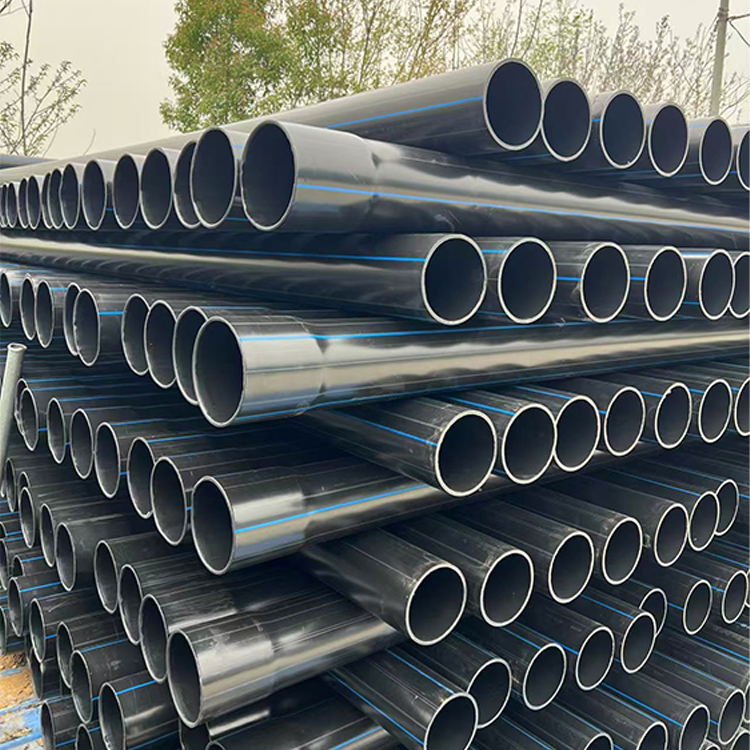
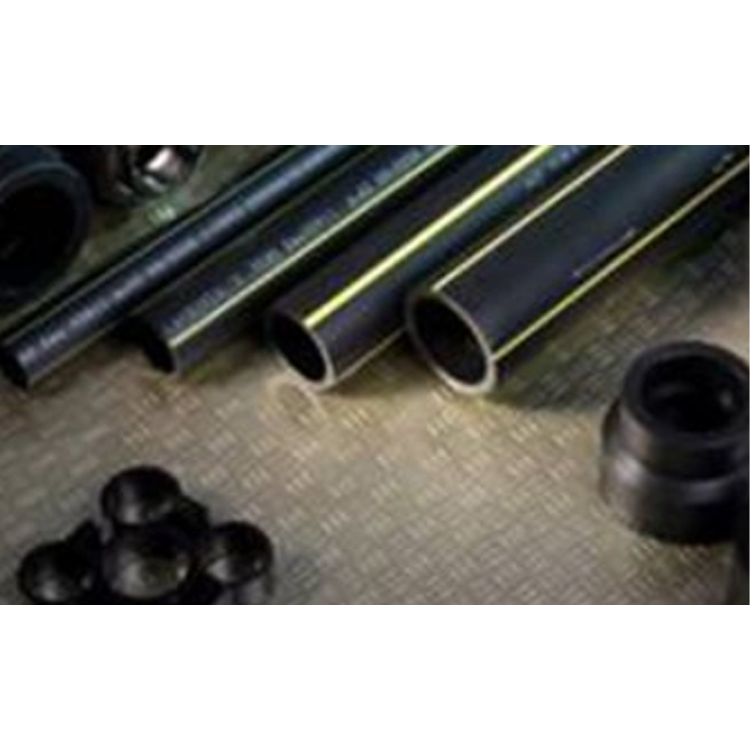
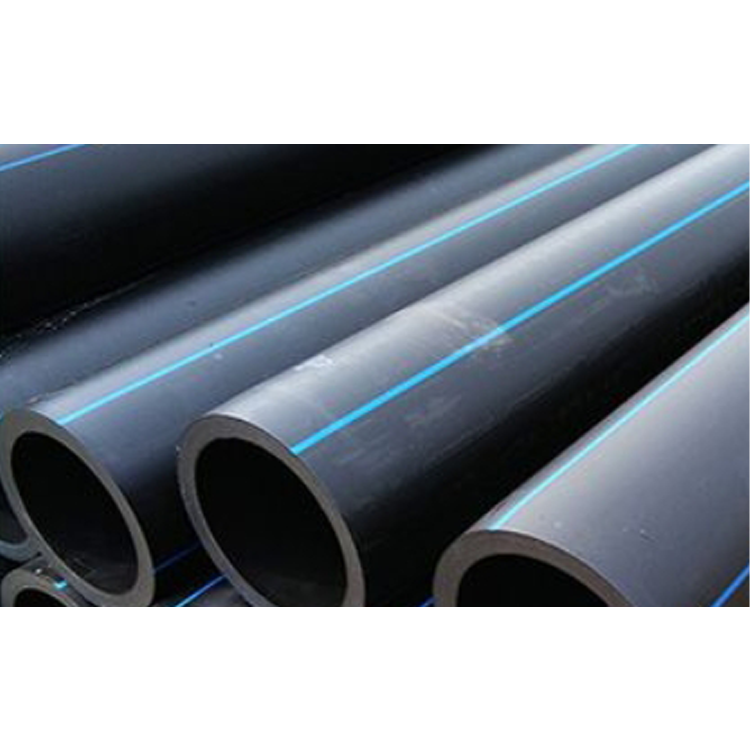
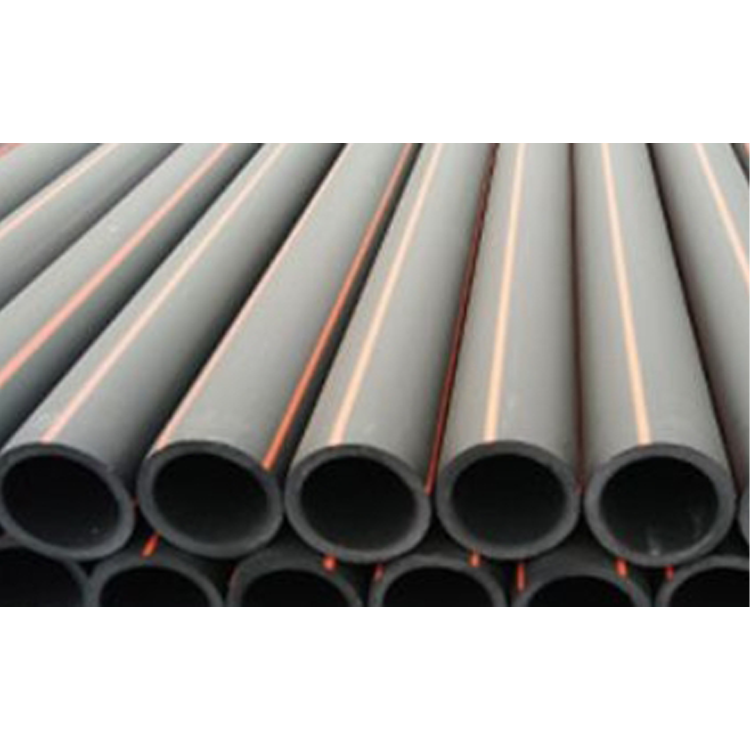
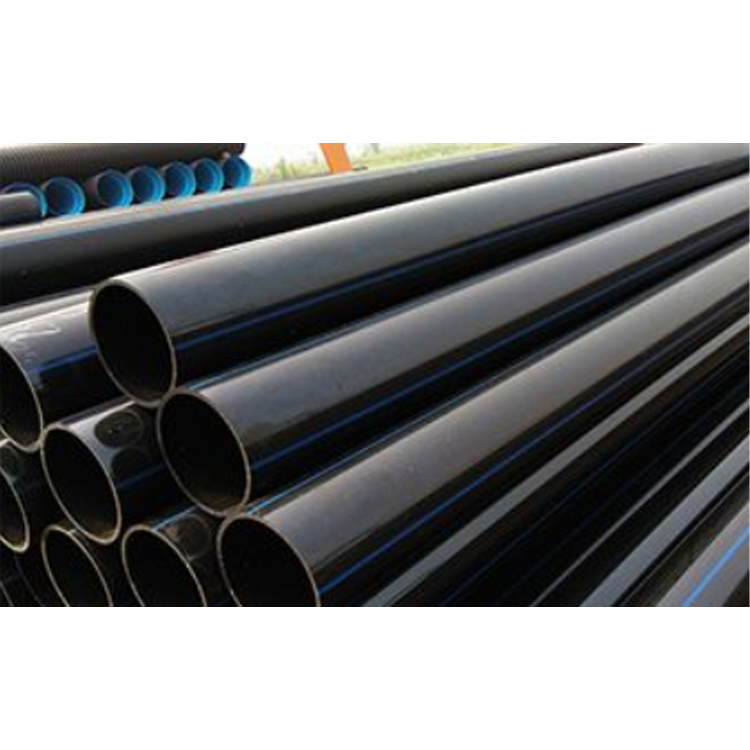
1. Pipe materials are non-toxic. HDPE is odorless and free of harmful substances, classified as green building materials. It has passed stringent health tests and effectively improves water quality. Ensures quality meets your requirements.
2. Low flow resistance. The smooth inner wall facilitates pipeline transportation. Under the same conditions, with its roughness significantly less than that of steel and glass steel pipes, the conveying capacity of HDPE pipelines can be increased by 30%.
3. Leak-free. HDPE pipe connections are made via hot melt butt fusion, hot melt socket fusion, and electric fusion, which means the strength of the joint exceeds that of the pipe itself.
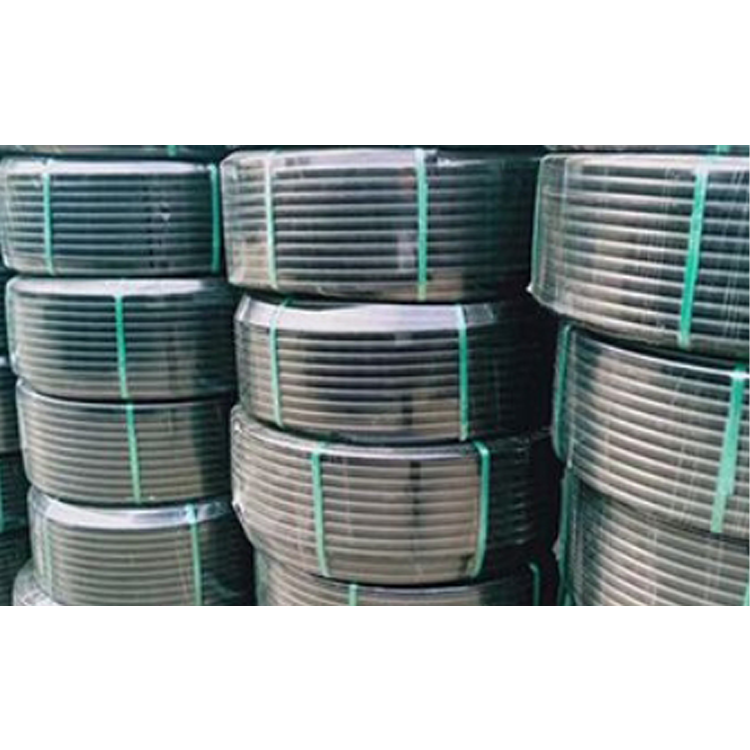
4. Excellent flexibility. Small-diameter high-density polyethylene pipes can be coiled into reels. Moreover, larger diameter products can also have slight bends, making them more convenient for on-site construction.
5. Excellent scratch resistance. The wear resistance of HDPE pipes is four times that of steel pipes, meaning HDPE pipelines have a longer service life and better cost-effectiveness.
6. Easy to install. PE pipes can be installed in various non-destructive methods, facilitating construction and installation.
7. Long lifespan. Under rated temperature and pressure design, it is predicted to have a service life of 50 years.
8. Reduce operation and maintenance costs. High-density polyethylene pipelines are not only easy to transport and install, but also significantly reduce the labor intensity of workers, improving work efficiency.
Application Fields
Urban Water Supply System. Large diameter HDPE pipelines are healthy and non-toxic, more suitable for the use of main and branch pipelines in urban water supply and drainage.
2. Replacement of cement pipes, iron pipes, and steel pipes. Suitable for renovation projects, no extensive excavation required; HDPE pipes are widely applicable in the renovation of pipeline networks in old urban areas.
3. Industrial raw material transmission pipelines. Transmission pipes for industrial raw materials such as chemicals, chemical fibers, food, forestry, pharmaceuticals, light industry, papermaking, and metallurgy.
4. Landscape Irrigation Network. Due to the large volume of water pipes required for landscaping projects, HDPE pipes are the better choice for their flexibility and low cost.
5. Wastewater Discharge Pipes. HDPE pipes feature unique corrosion resistance, suitable for industrial wastewater and sewage discharge pipelines.
6. Ore and Slurry Transfer. HDPE pipes offer high tensile and wear resistance, widely applicable for conveying ore, fly ash, and river silt.
7. Agricultural Irrigation Pipelines. HDPE pipes offer advantages such as high flow rate and excellent impact resistance, making them the ideal tool for agricultural irrigation.
A novel composite pipe material for medium, high, and low pressure, featuring high-intensity plasticized steel wire as the reinforcing element, and both the inner and outer layers bonded with heat-resistant plastics. Complies with the hygiene standard GB/T17219 "Safety Evaluation Indexes for Equipment and Protective Materials for the Distribution of Drinking Water," and meets the product standards of CJ/T 189-2007 or GB/T32439-2015.