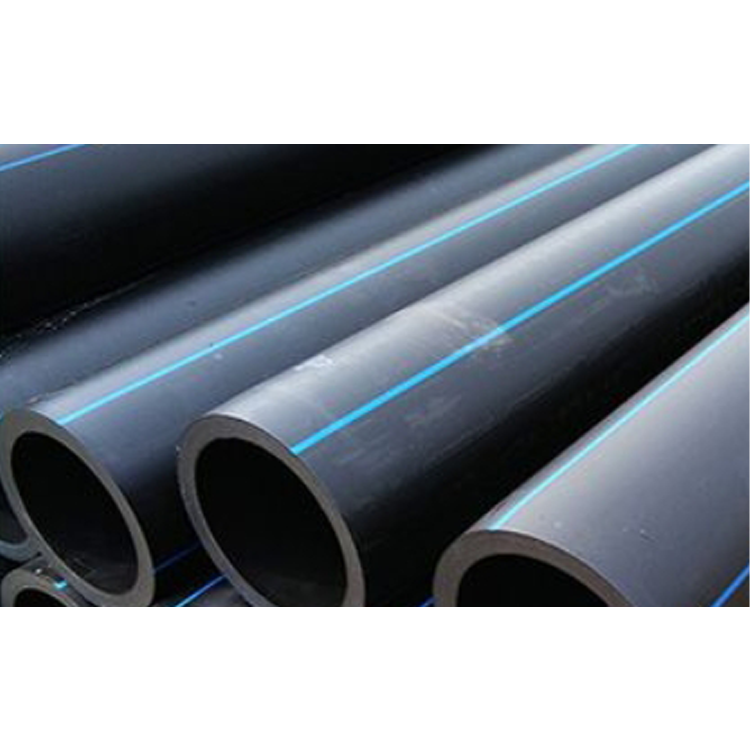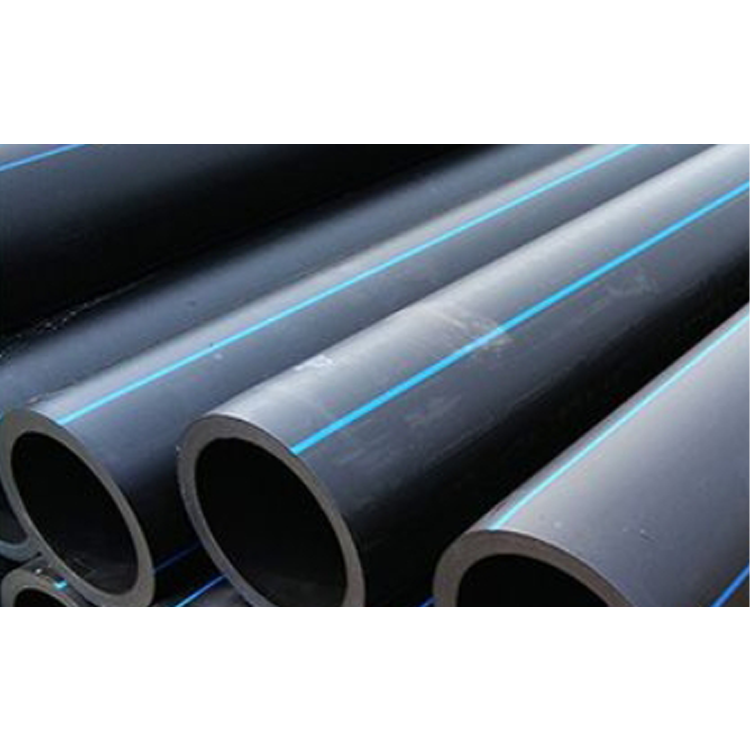

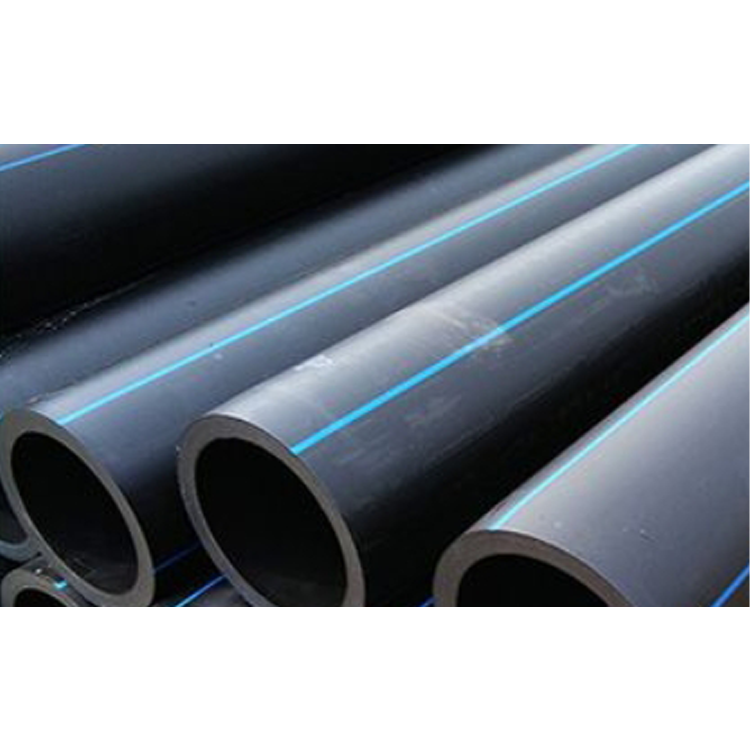







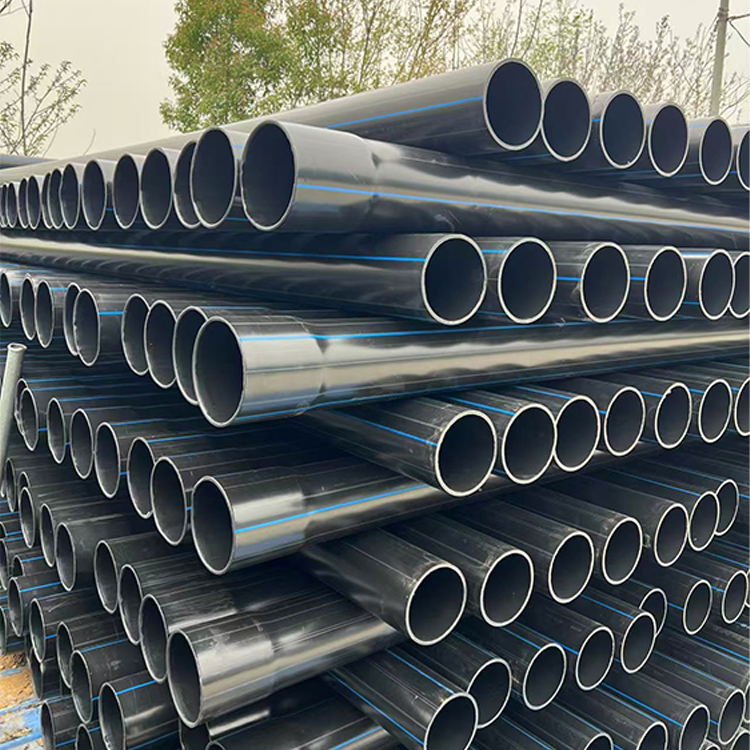
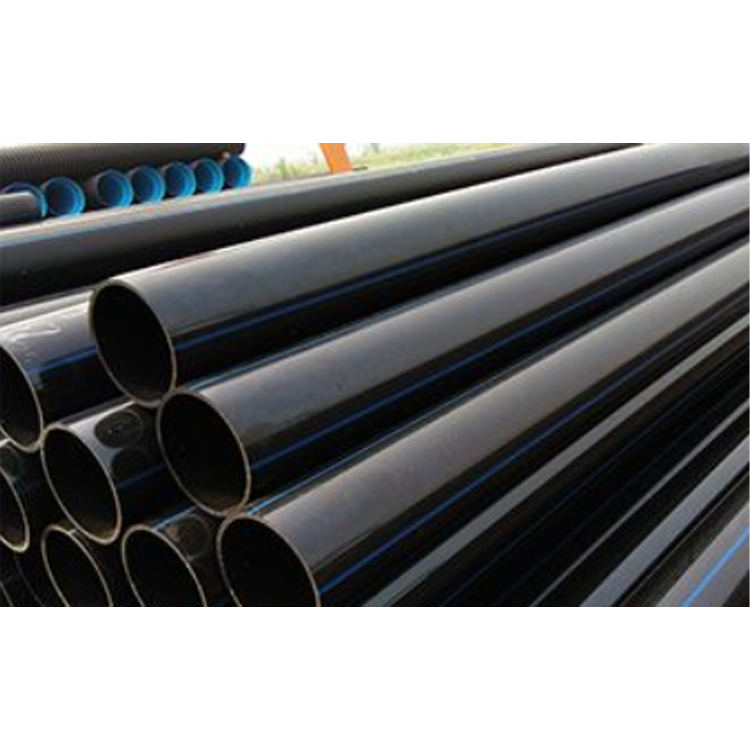
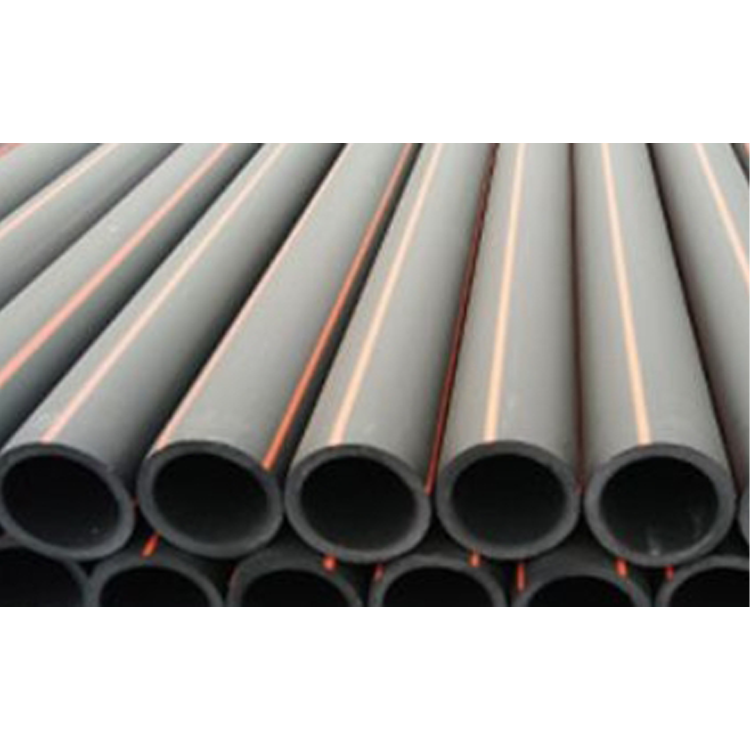
1. Black HDPE piping is UV-resistant and aging-resistant.
2. Smooth inner wall, maintains its properties over time, low friction resistance, energy-saving, pressure loss is about 30% less than steel pipes, allowing for smaller diameter options.
3. Excellent hygienic properties, free from additives, reduces the possibility of contaminating drinking water, non-moldy material. Compared to some commonly used plastic materials, polyethylene has much higher resistance to mold, and does not accumulate dirt over long-term use.
4. Polyethylene piping is weldable, with joints integrated into the pipe, reducing the likelihood of leaks. This is beneficial for water conservation, as well as for lowering operation and maintenance costs. The pipes can be manufactured in any length and can be flexibly arranged, saving on pipe fittings.
5. PE pipe installation is easy and reliable, with options for handling and connecting.
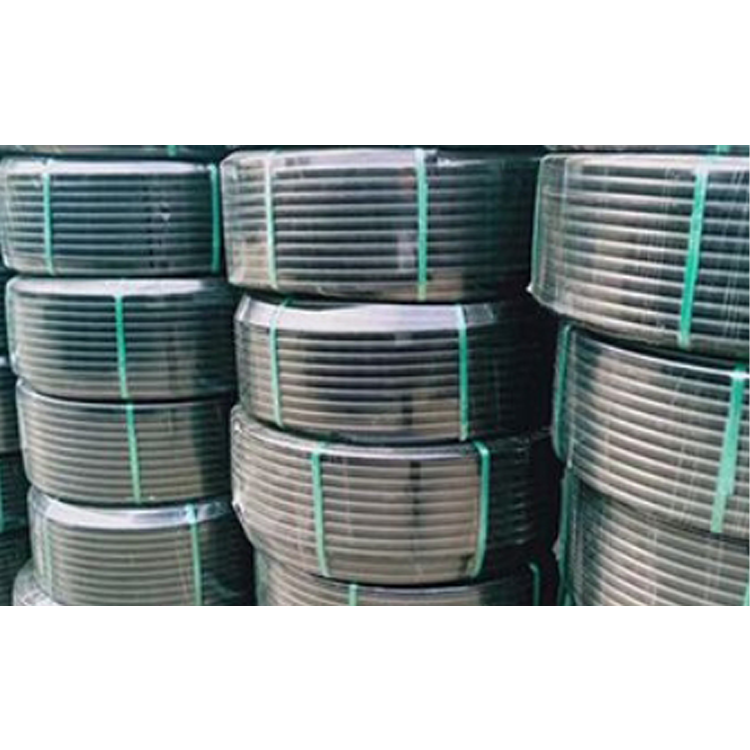
6. Features excellent flexibility; small pipes can be coiled, welded, or electrically fused to form a fully sealed anti-seepage system.
7. Lightweight, easy to install; pipes can wind along the trench; resistant to geological changes in the strata; suitable for lining and repairing old pipelines.
8. Excellent low-temperature resistance, corrosion resistance, and long service life; underground pipelines can withstand temperatures ranging from -40 to 40°C.