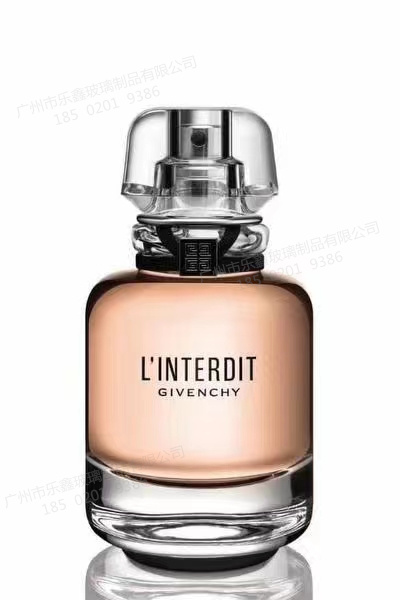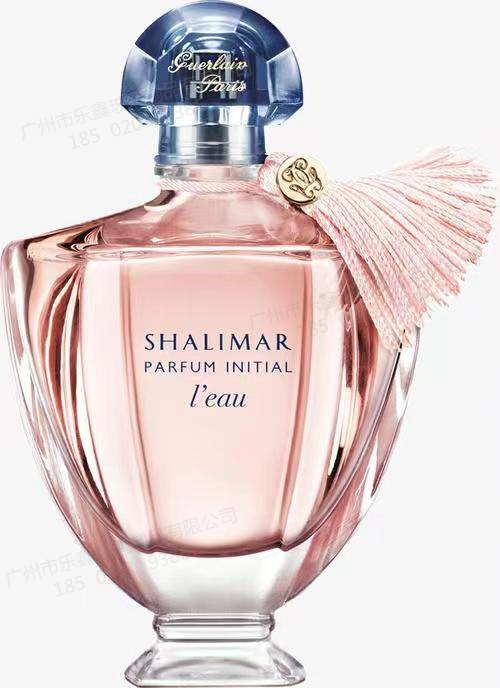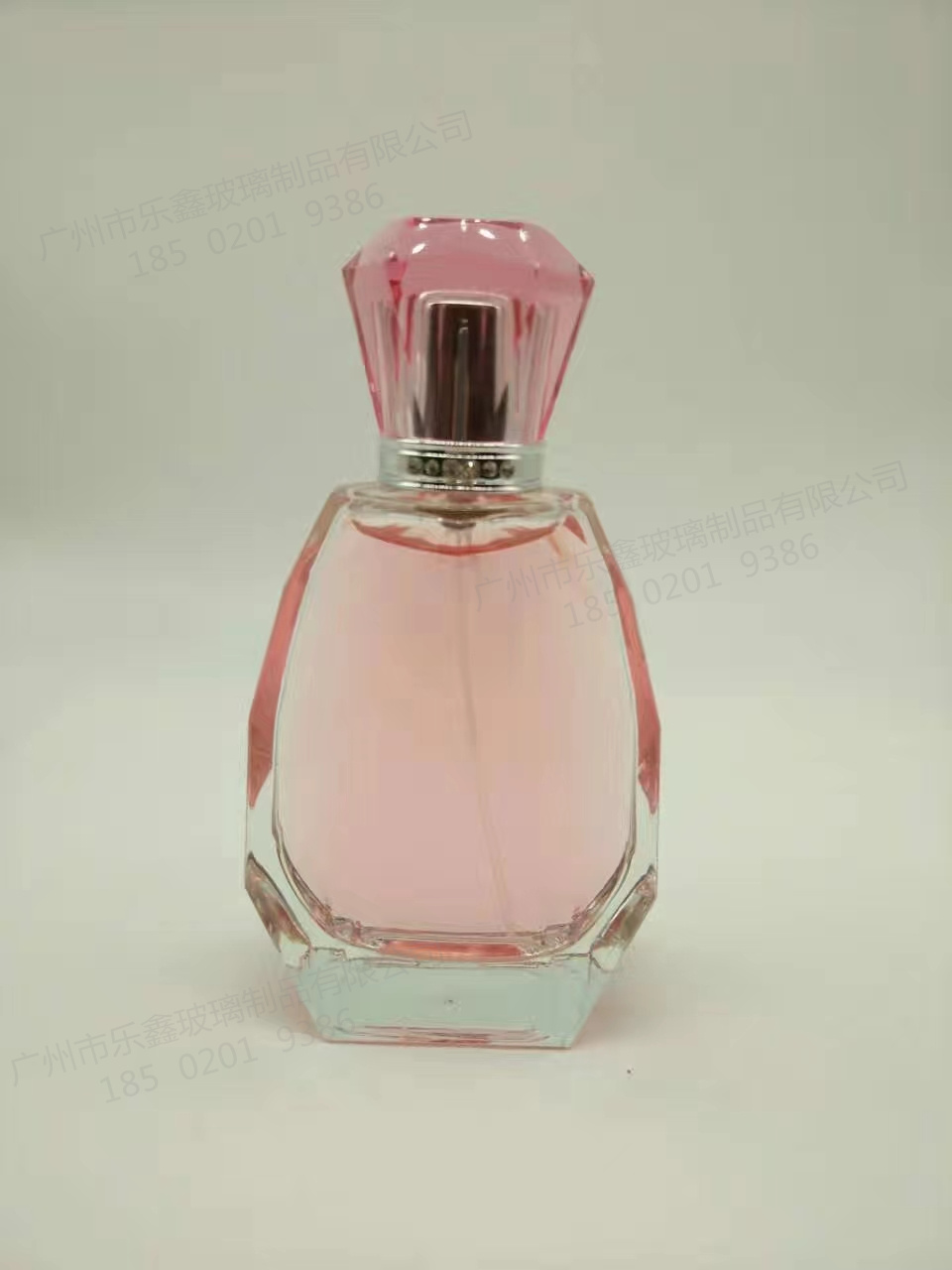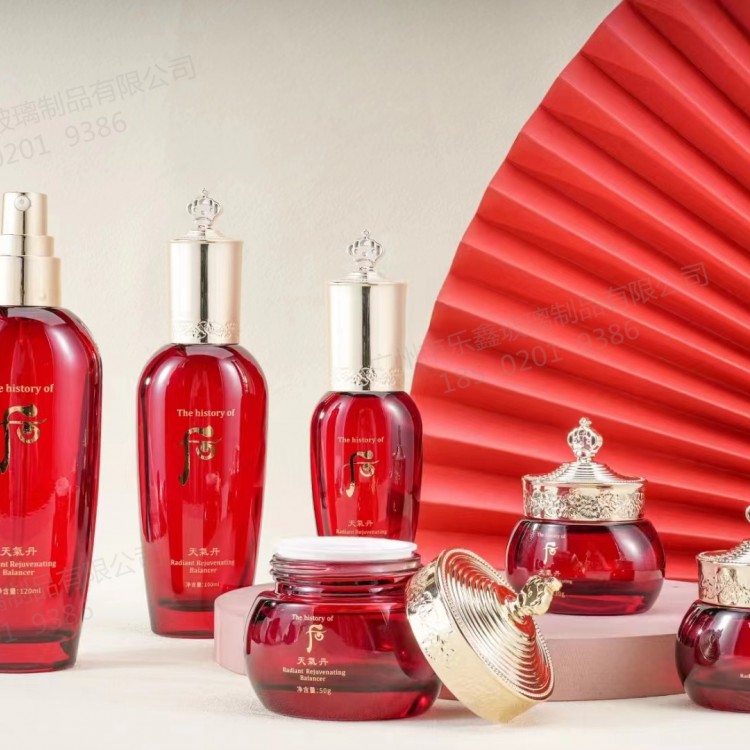

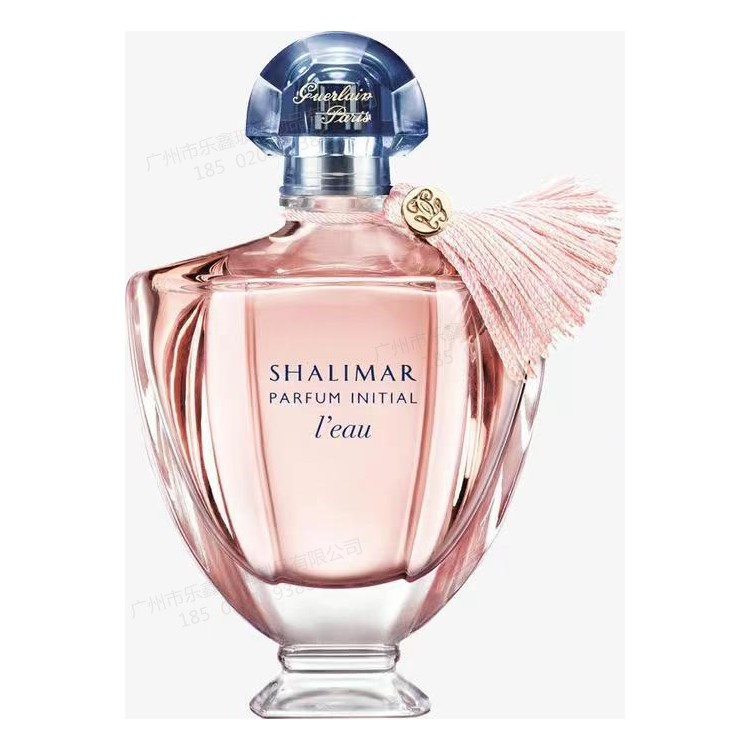

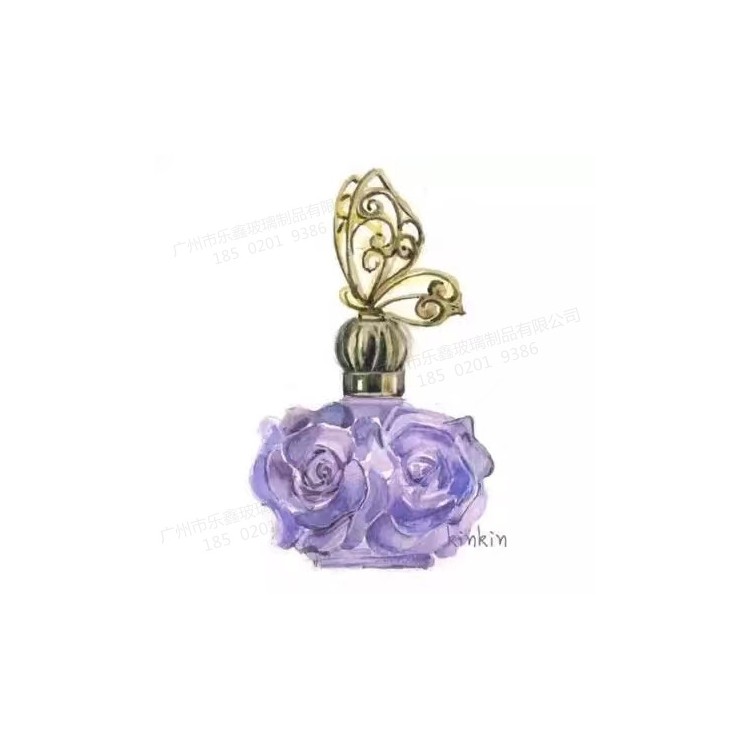











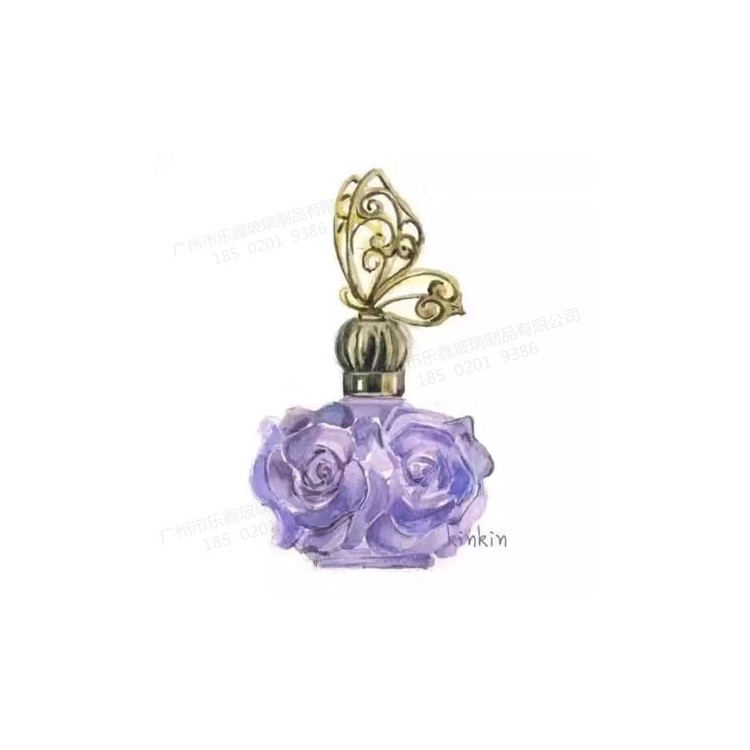
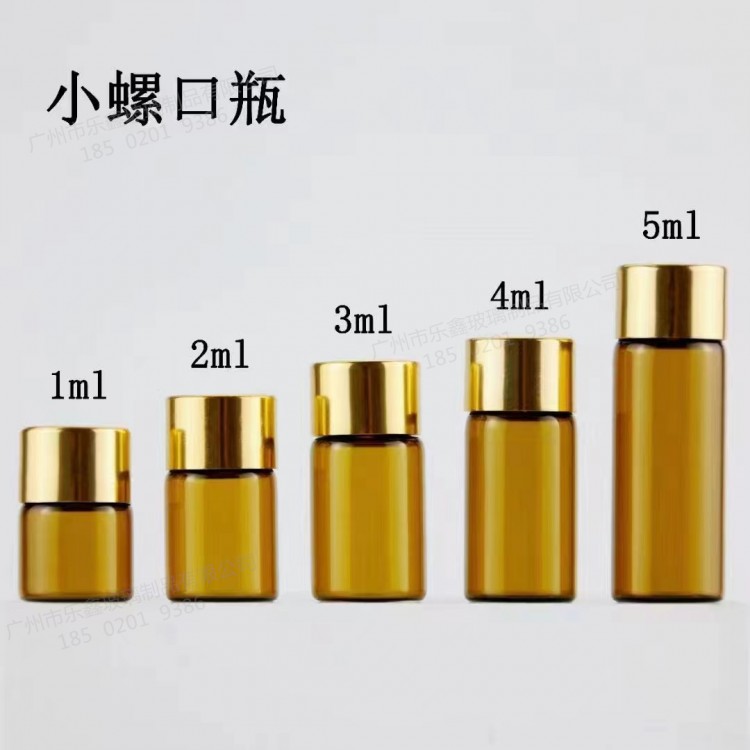
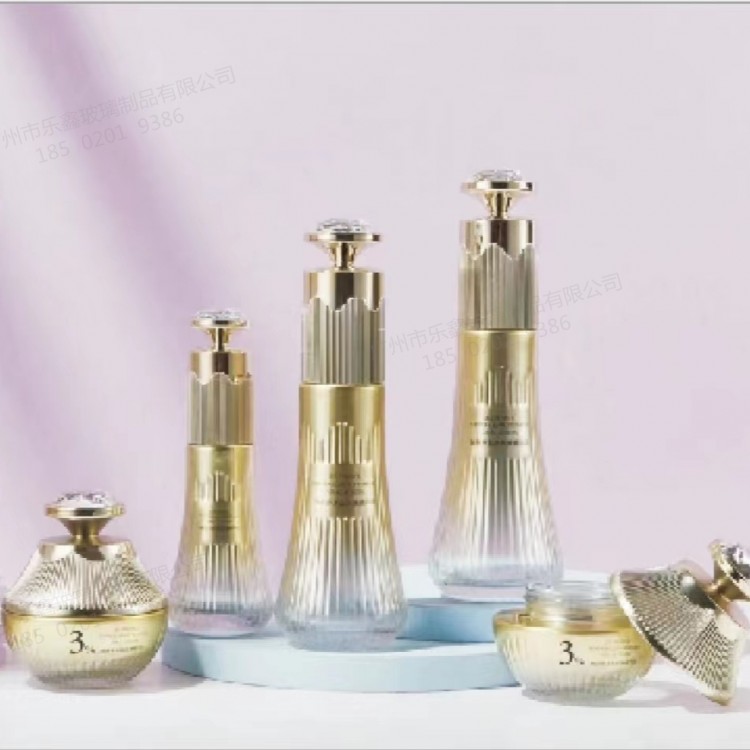
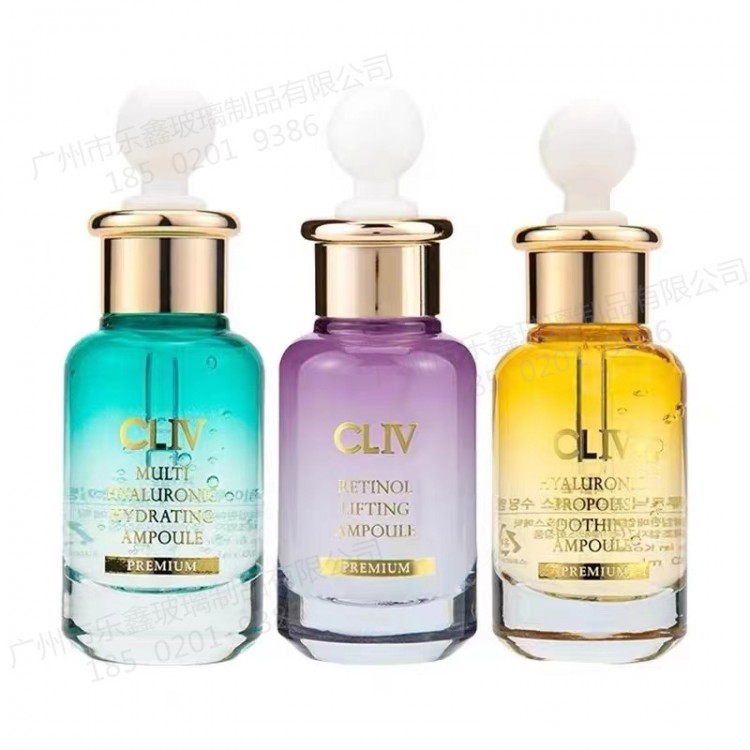
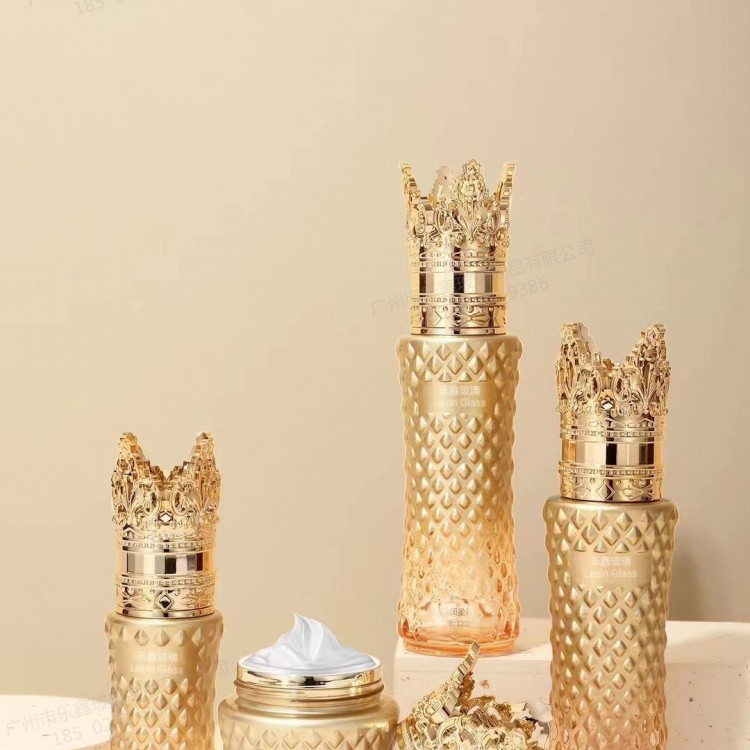
Glass: The most commonly used material for perfume bottles, offering excellent transparency to clearly showcase the color of the perfume. It has stable chemical properties, does not react with the perfume, and helps maintain the quality and fragrance stability. Additionally, glass is highly malleable, allowing for the creation of various shapes and designs, such as the Chanel N°5's square glass bottle, which has become a classic fashion icon.
Plastic: Lightweight, not easily broken, and cost-effective, making it suitable for producing everyday-carry or more affordable perfume styles, such as some sports fragrances or mini-sized bottles. However, plastic has relatively poor light-blocking and stability properties, which may affect the quality of the perfume over long-term storage.
Metal: Often used in limited edition or high-end luxury perfume series, such as bottles made of gold-plated, silver-plated, or solid metal, which convey a sense of luxury and nobility. Metal bottles have good sealing properties, effectively preventing perfume evaporation. However, some metals may react with the perfume ingredients, so special treatment is required.