







Soundproofing Enclosure
Acoustic Enclosure Introduction:
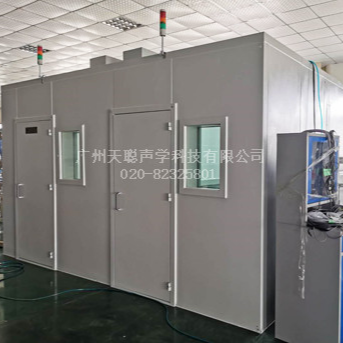
To prevent external noise intrusion, a soundproof chamber with excellent sound insulation properties is constructed in areas with intense noise. This creates a quiet room or space to protect the staff's hearing, and such soundproofing equipment is called a soundproof enclosure. It is a sound insulation and noise reduction device meticulously crafted from a layer of metal with weight and rigidity, which is impermeable to air, and an additional sound-absorbing material on the inside. The outer layer is typically made from 1-2mm thick steel plate, coated with damping paint and asphalt layers to prevent resonance and low-frequency vibrations. To enhance the noise reduction effect, an additional layer of sound-absorbing material (such as glass wool, micro-perforated plates, etc.) is added inside. There should be gaps between the machine and the soundproof enclosure, and between the support of the soundproof enclosure and the foundation. Hard connections should be avoided, and dampers should be added where necessary.
Soundproofing Enclosure Structural Features:
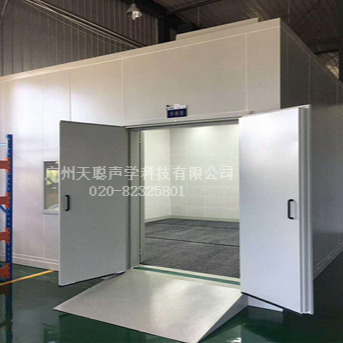
The overall structure of the soundproofing cover is frame-type.
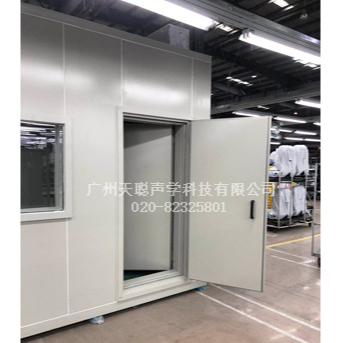
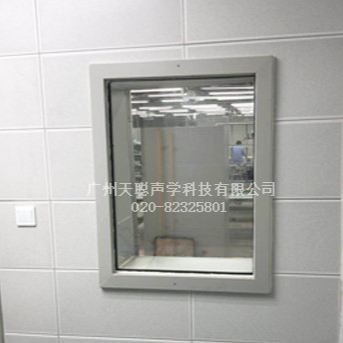
2. Double-layer 5mm thick tempered glass for noise-proof windows, shock-resistant and sound-insulating.
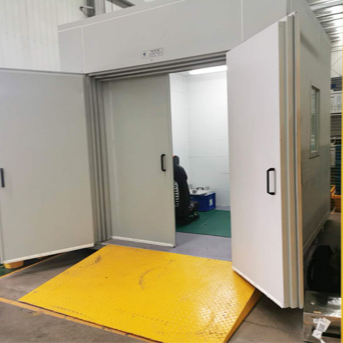
3. The soundproof doors utilize dual-magnetic "sound barrier" technology, sealed with gaskets around the edges to enhance noise reduction.
5. The outer walls of the soundproofing enclosures are all constructed with 2.0mm thick, high-quality national standard steel plates.
6. Micro-porous metal mesh panels are used inside the soundproofing hood.
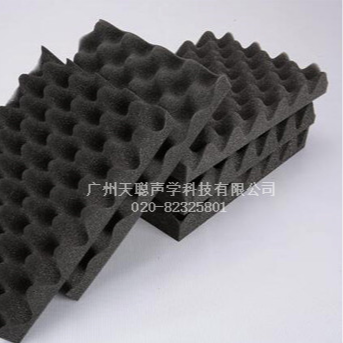
7. The soundproofing enclosure wall interlayer is made with environmentally friendly soundproofing cotton, soundproof boards, and damping panels, etc.
8. The outer surface is fully coated with electrostatic powder painting (color selection is free for the customer).
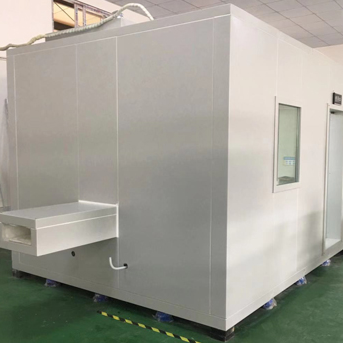
9. The soundproofing hood is constructed with a steel frame structure, featuring a sturdy and aesthetically pleasing design. The outer surface is smooth and flat, with no visible screw holes, designed for concealed installation. A low-noise, high-power exhaust fan is installed at the top of the hood, ensuring the internal temperature remains balanced.
10. Lighting fixture set, with electrical control switch and socket.
Acoustic Enclosure Performance Features:
1. The soundproofing hood is assembled in a steel body structure, featuring a sturdy and aesthetically pleasing design. The outer surface is smooth and flat, with no visible screw holes, designed for concealed installation.
2. The principle of the soundproofing hood is to enclose the noise source within a small space, acting as a protective structure to reduce its outward radiation of noise. Therefore, it can be designed according to the specific operational requirements, operating conditions, and ventilation and heat dissipation needs of each noise source equipment. Insertion loss of the soundproofing hood: 20-40dB(A); the sound insulation requirements can be designed according to the user's specifications.
When designing and manufacturing soundproof enclosures, the following four requirements should be considered:
The enclosure walls of the soundproofing hood should have sufficient sound insulation to block the transmission of air sound, while also reducing the echo inside the hood and preventing the transmission of solid sound.
(2) Minimize holes in the enclosure as much as possible; for necessary holes, keep the opening area as small as possible. Implement sealing measures at the joints of the enclosure components to reduce sound leakage. Holes and gaps in the soundproof enclosure significantly affect its noise reduction performance, especially at high frequencies. The noise reduction amounts for soundproof enclosures with 10%, 1%, and 0.1% leakage areas are 10, 20, and 30 dB respectively.
(3) Due to the heat dissipation from the machinery equipment within the enclosure, the internal temperature may rise. Appropriate ventilation and heat dissipation measures should be taken.
(4) Consider the requirements for easy operation and maintenance of the source machinery and equipment. For example, install entrance and exit points, observation windows, handholes, movable covers, or removable and assembled shields to facilitate access to the machine, observe its operation, and perform operations and maintenance.
Only a well-designed fully enclosed soundproofing cover, installed with vibration isolation supports, without any holes or with muffler installations through holes, and using appropriately sealed soundproof doors, can achieve ideal noise reduction values.
For details, please contact: 020-82325801, 82323025.
Please also send any relevant size requirements and other documents to our email address:dacooo@163.com;
Or, for inquiries, add WeChat ID: dacooo1. Remember to note the inquiry content!