
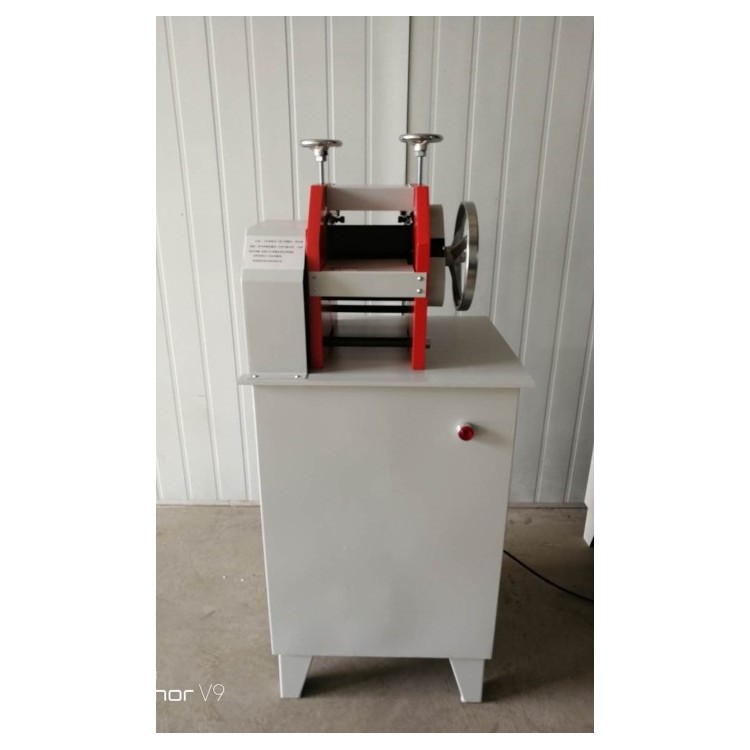

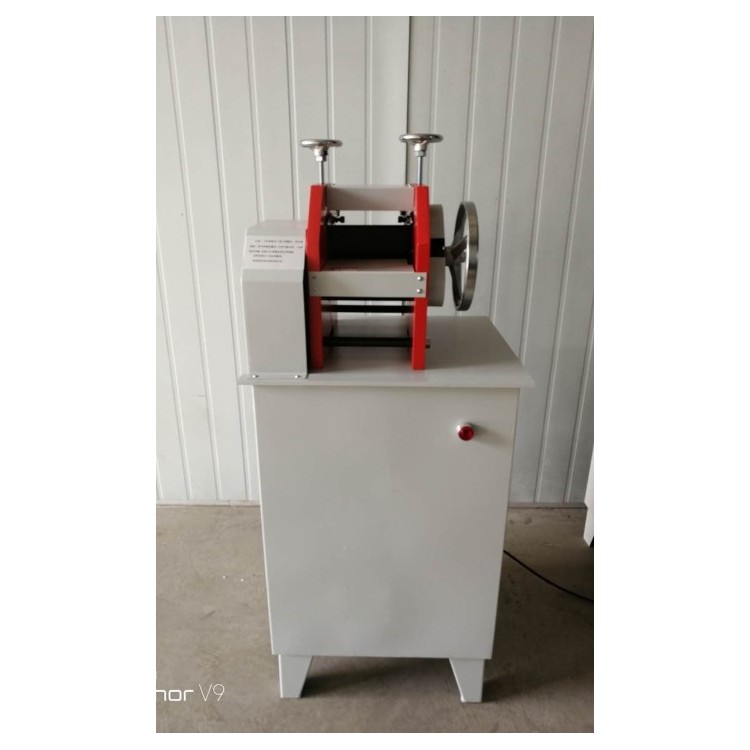







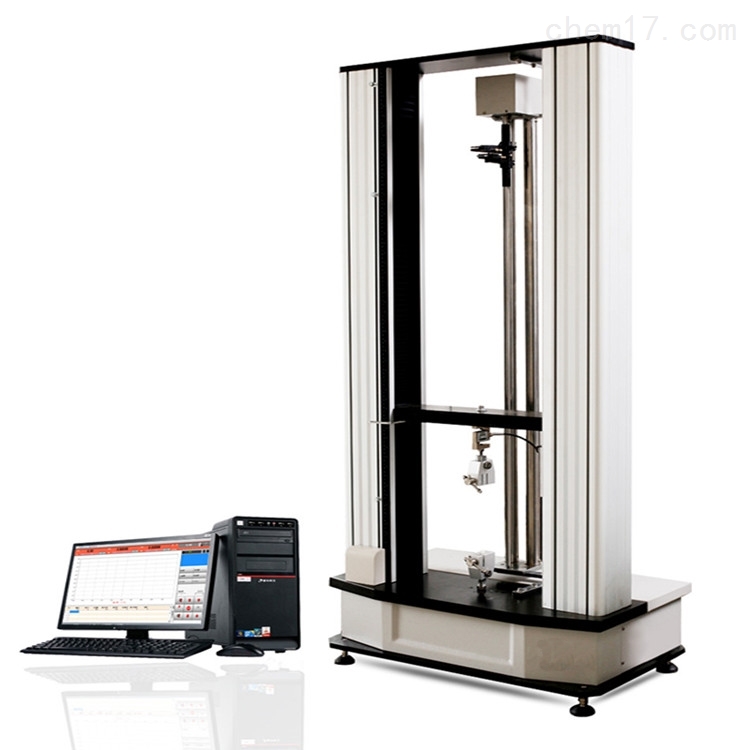
LT-907Wood plastic shavings machine
I. Performance and Applications
To facilitate better implementation by various testing institutions and wire and cable manufacturersGB/T2951-2008Standard for General Test Methods of Insulating and Sheathing Materials for Cables and Optical FibersGB/T2951New requirements for the mechanical and physical properties testing of polymer insulating and sheath materials in standards have led to the development of a cable cutting and slicing machine (also known as a shaving machine) under the guidance of experts at the Cable Research Institute. This machine employs a series of technologies that allow the blades to be horizontally positioned, interchangeable, and sharpenable.GB/T2951、2941Requirements for the operating principle of equipment used for preparing samples in China. Users must carefully read the user manual of this machine to understand its operation, master the specific operation steps and precautions, in order to prepare high-quality test pieces.
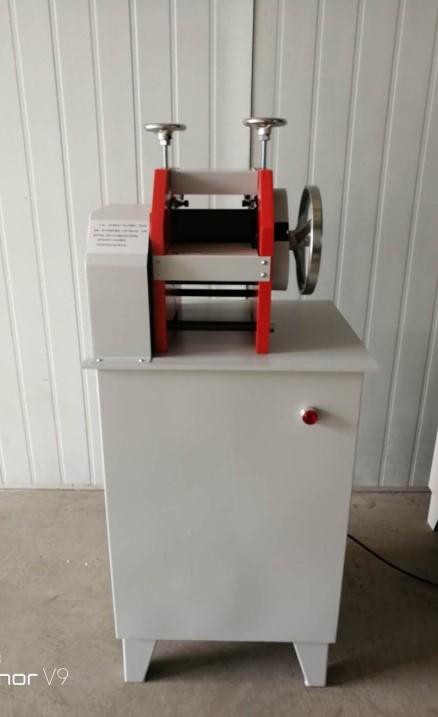
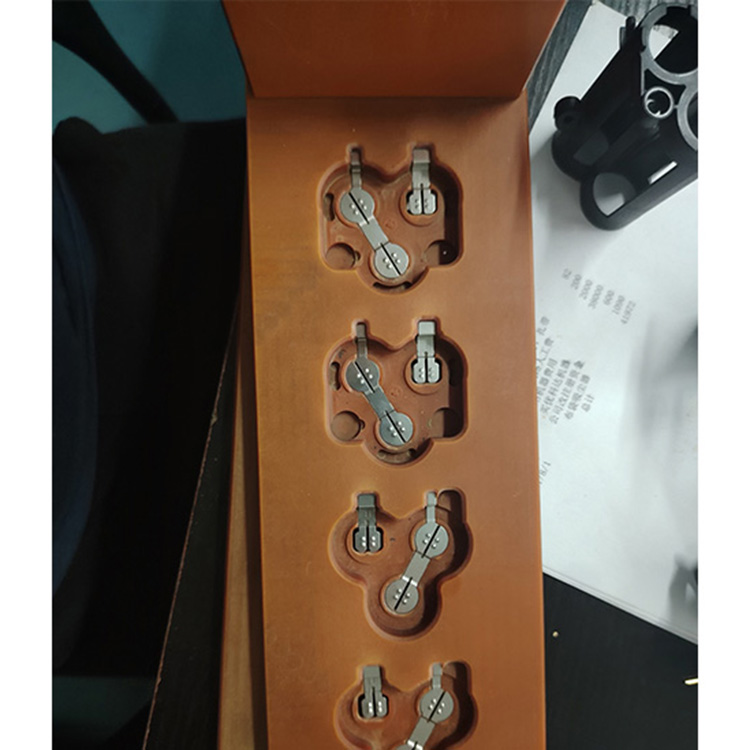
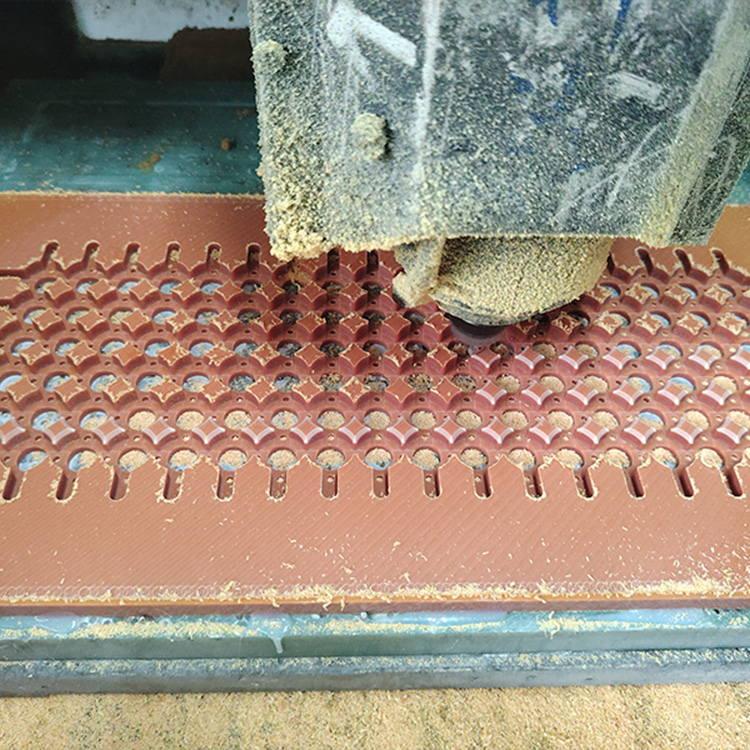
This test slicing machine is a sampling equipment used in rubber and plastic product factories. It features mechanical feeding and a blade cutting structure, capable of cutting1-12Various thicknesses of soft plastic, rubber sheets, rubber waterstops, and wire and cable sheaths, as well as slicing services for some rubber and leather materials. Widely used by rubber, soft plastic, leather, wire and cable manufacturers, and scientific research institutions.
This unit is suitable forGB/T2951-2008Preparation of specimens for the mechanical and physical property tests of polymer insulation sheath materials for cables specified in the standard "General Test Methods for Wire Cables and Sheath Materials," including marine cables, and communication cables.GB/T2941-2006"Universal Procedures for Sample Preparation and Adjustment of Physical Test Specimens of Rubber."
Section II: Main Technical Specifications
Workbench Width 160mm
Slice Width Not greater than100mmBased on different materials, it is recommended25-35mm)
Slice Thickness 1-12mm
Material thickness ≤20mm
Electric Motor Y100-6; 1.1kW910Turn/Please provide the Chinese content for translation.380Fú
Dimensions Wide*Thick*High 490*460*1100mm
Net Weight 110pounds
III. Structure and Usage
This slicing machine is composed of the body, transmission, adjustment, and operation sections, with each part's structure and usage explained as follows:
1Frame and Transmission
The lower part of the body serves as the base, housing an electric motor and electrical accessories inside. On the outside, it features an emergency stop switch for the motor start. The upper part of the body is the working section, equipped with left and right frames, a worktable, clamping shaft, feeding shaft, and adjustment structures.
At work, turn on the switch to start the motor, and the slicer begins to operate. The parking switch stops the slicer from running.
Driven by an electric motor, the main and auxiliary belt pulleys rotate the drive shaft. Gears mounted at both ends of the drive shaft rotate the lower and upper feeding shafts respectively, which in turn drive the tension shaft to rotate simultaneously.
2Manipulation and Adjustment
The handwheel on the right is typically used for adjustments. During operation, this wheel rotates freely. To adjust the slice thickness, turn the adjustment handwheel above the machine frame. This moves the pressing shaft and the feeding shaft above (or below) through the transmission system, adjusting to the desired slice thickness. Each full rotation of the handwheel adjusts the thickness by...2Millimeters.