








I. Introduction
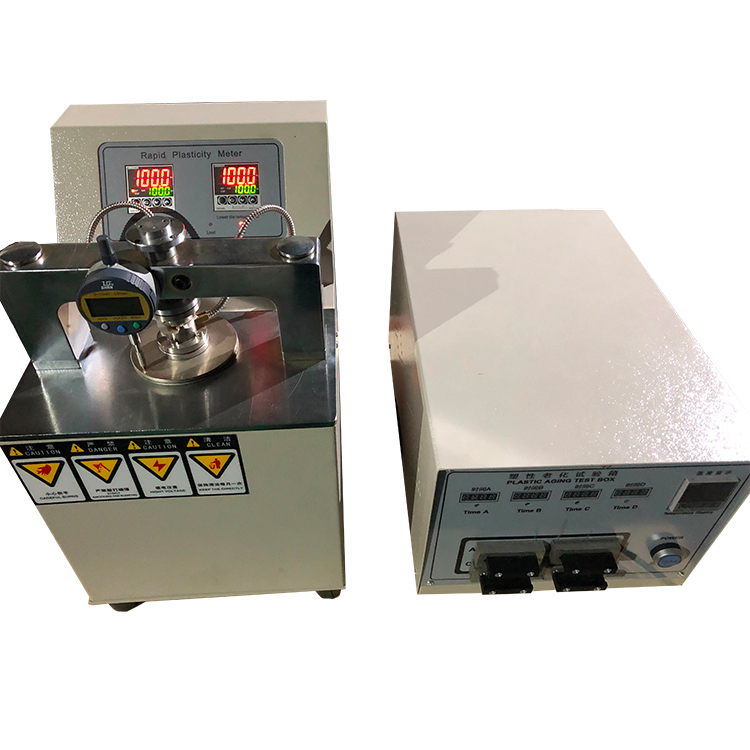
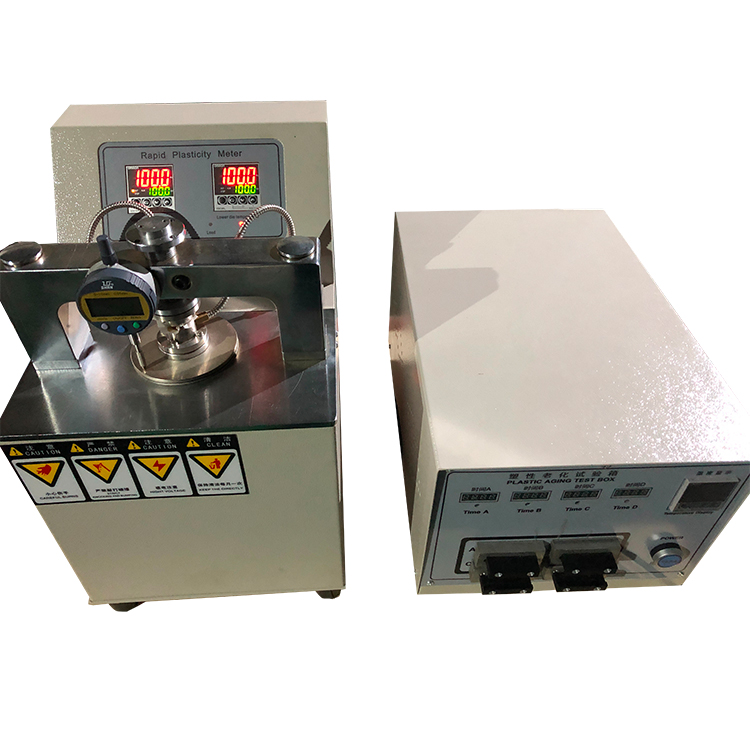
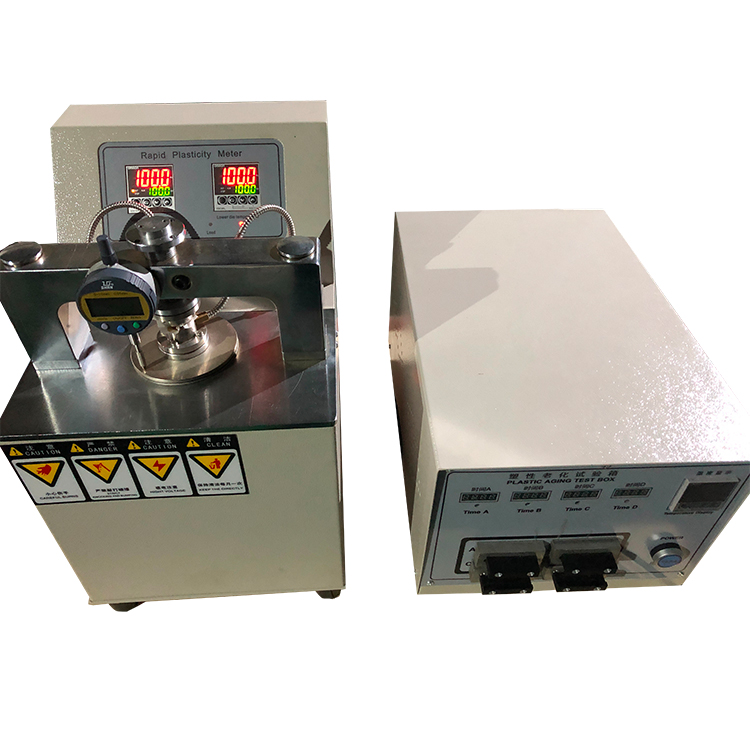
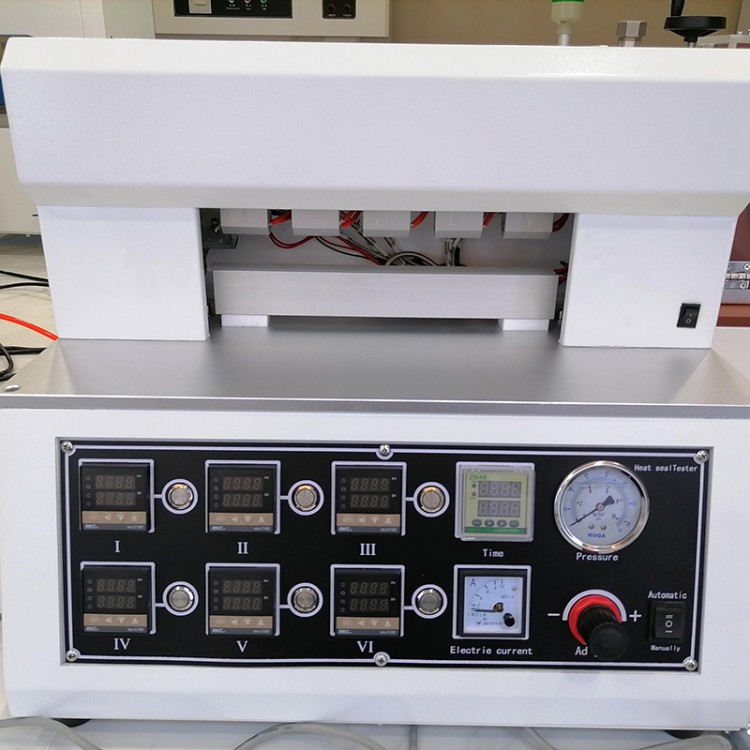
LT-3030Rapid Plasticity Meter for RubberThis instrument is used to test the rapid plastic value (initial plastic value P0) and plastic retention rate (PRI) of natural rubber and non-vulcanized plastic (compounded rubber). It consists of a main unit, a punch press (including a cutting blade), a high-precision aging test chamber, a thickness gauge, and other components. The rapid plastic value P0 is determined by rapidly compressing a cylindrical test specimen between two parallel pressure blocks to a fixed thickness of 1mm using the main unit. The specimen is held in the compressed state for 15 seconds to achieve temperature equilibrium with a parallel plate, after which a constant pressure of 100N + 1N is applied to the specimen and maintained for 15 seconds. At the end of this stage, the measured test thickness is observed through the instrument, serving as a measure of plasticity.
The Plasticity Retention Index (PRI) is determined by aging the sample at 140°C for 30 minutes in a high-precision aging box, measuring the plastic value P30, and then calculating the PRI value. The PRI value is a measure of the natural rubber's resistance to thermal oxidation, with higher values indicating better thermal oxidation resistance. This machine employs electronic direct temperature control, offering quick heating and high precision. Additionally, it uses standard weights for direct loading, overcoming the drawbacks of instability and zero-point drift caused by electromagnetic spring loading.
Section 2: Execution Standards
GB/T3510 ISO2007 GB/T3517 ISO2930
III. Technical Specifications
A. Engine:
1. Temperature Control: 100 ± 0.1℃
2. Load Value: 100 ± 1 N
3. Power Voltage: AC 220V ± 10%
4. Upper pressure plate: φ7.3±0.02mm, φ10±0.02mm, φ14±0.02mm; effective height 3.2mm
5. Lower Plate: φ16mm; Aging Box:
Control Temperature: 140±0.1℃
2. Power Voltage: AC 220V ±10%
3. Timing: 30min ±5s
Operating Principle:
The basic working principle of the LT-3030 Rapid Plasticity Tester is: With two parallel plates at a temperature of 100°C, the upper plate is fixed on the moving beam, and the lower plate is a movable parallel plate. The specimen is first compressed to 1mm and held for 15 seconds. After the specimen temperature reaches the specified temperature, a force of 100N is applied, and the distance change between the two parallel plates is measured for 15 seconds, with an accuracy of 0.01mm. This value represents the compressibility of the specimen, i.e., the rapid plasticity value Po.
The LT-3030 Rapid Plasticity Tester is used to measure the plasticity retention index (PRI) of natural rubber. The basic method is as follows: Divide the same sample into two groups. One group is directly measured for the initial plasticity value Po, and the other group is placed in a special aging box. After aging for 30 minutes at a temperature of 140±0.1°C, the plasticity value P30 is measured. The data from both groups are then calculated using the following formula:
PRI= ×100%
Pom - Plastic Modulus before aging
P.30m ---------- Plasticity Mean after Aging
The PRI value indicates the antioxidant property of natural rubber, with a higher value indicating better antioxidant performance.
Features:
1. This instrument can measure the rapid plasticity value of raw rubber and unvulcanized compounded rubber, as well as the plasticity retention index (PRI) of natural raw rubber.
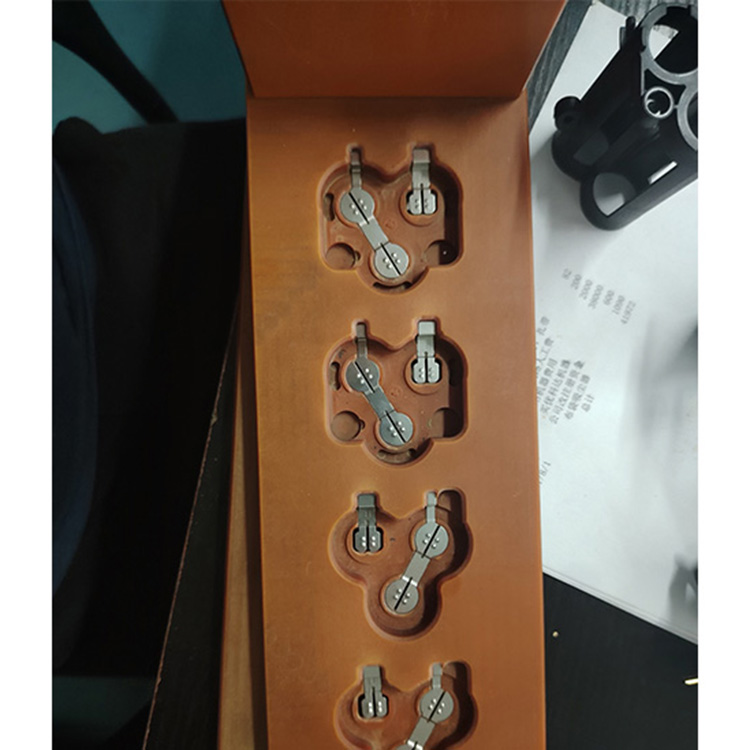
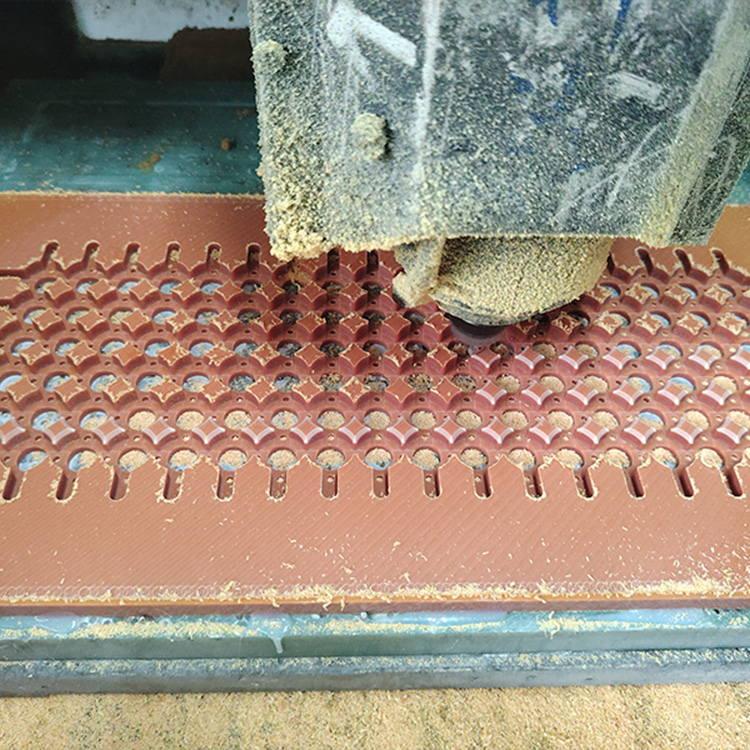
2. Sample Aging: The aging box features 16 sets of aging sample trays, capable of aging 16 x 3 samples simultaneously, with each aging temperature at 140 ± 0.1°C.
3. This instrument meets the technical requirements for instruments as specified in ISO 2007 and ISO 2930.
4. This instrument is easy to operate and fast. It's convenient for maintenance, calibration, highly accurate, and stable.