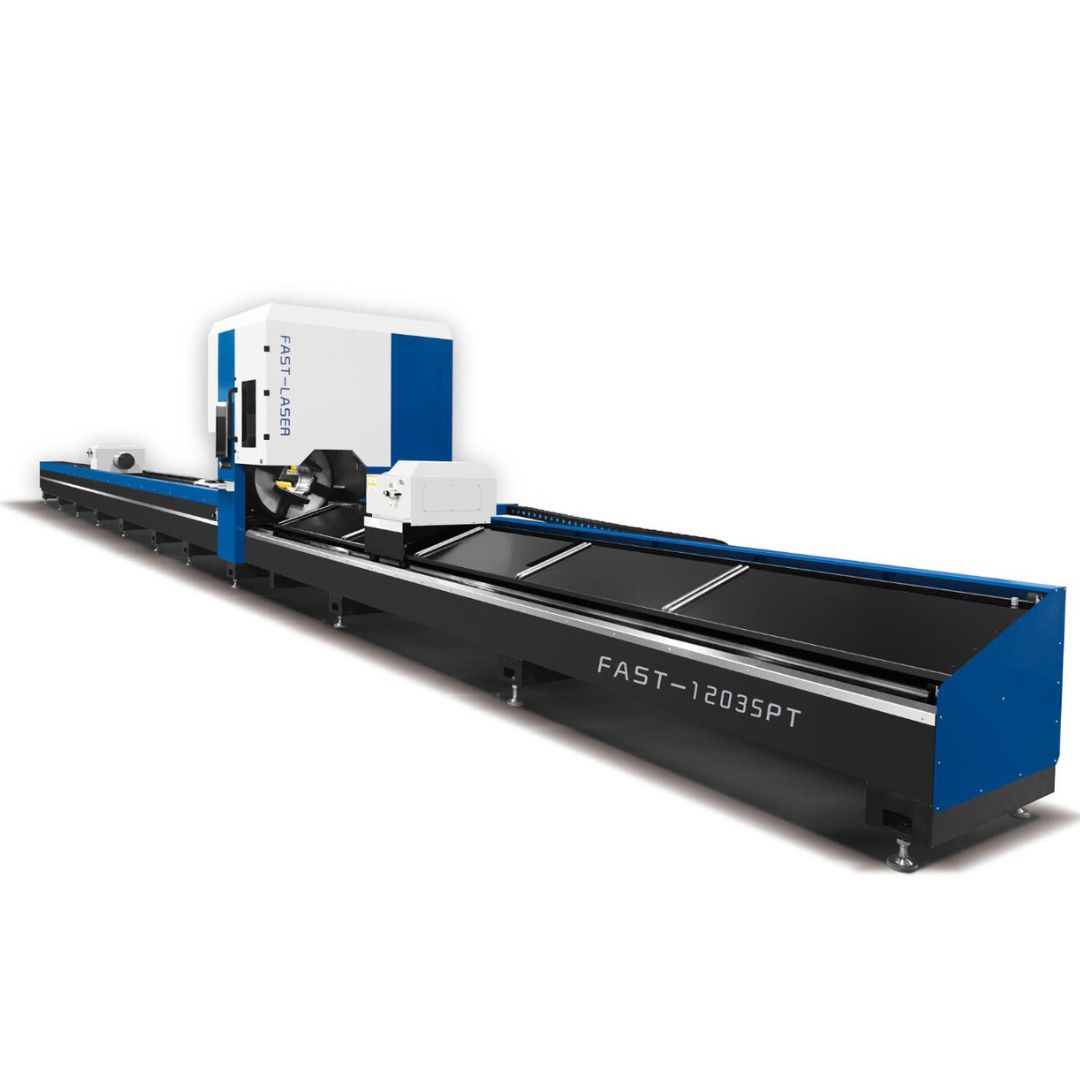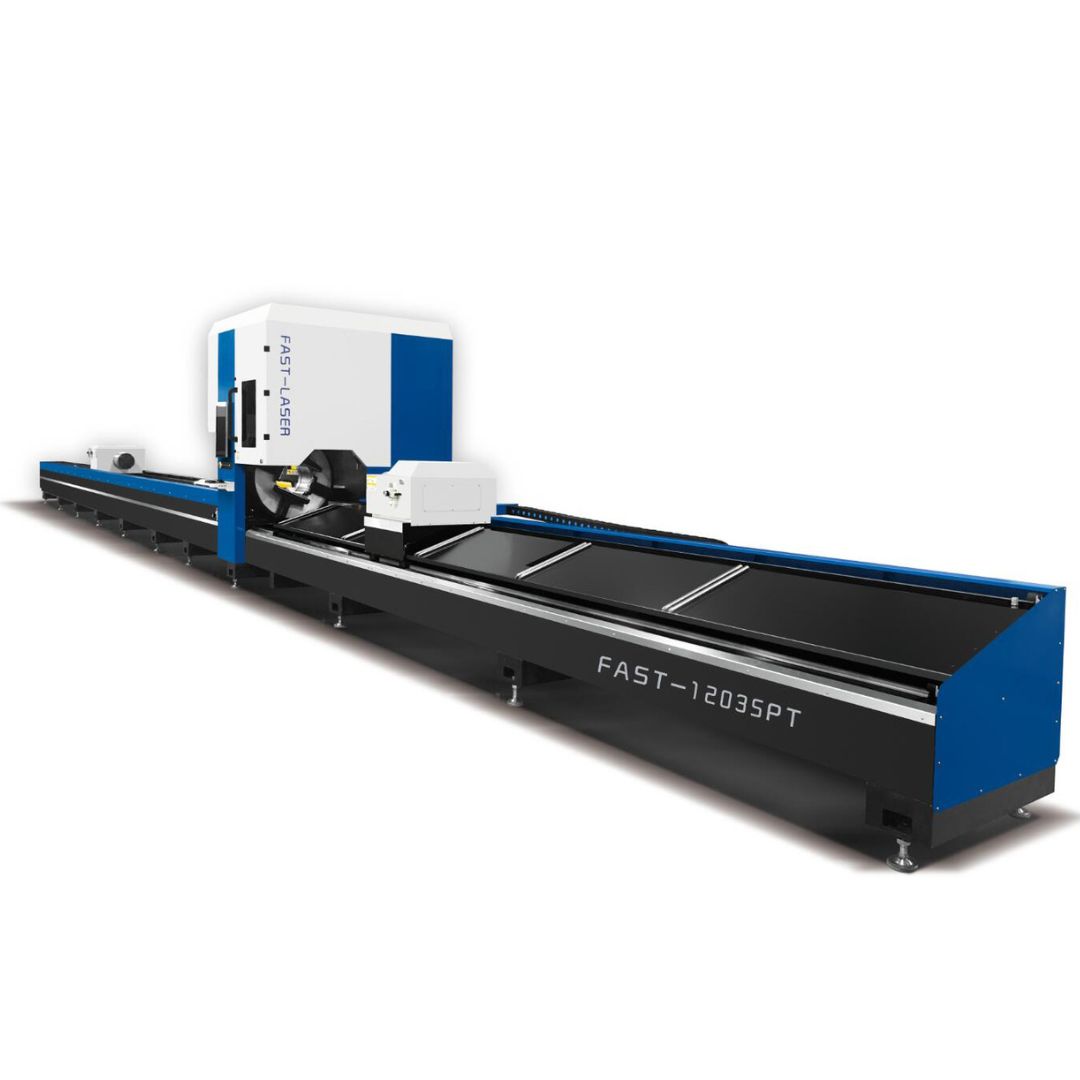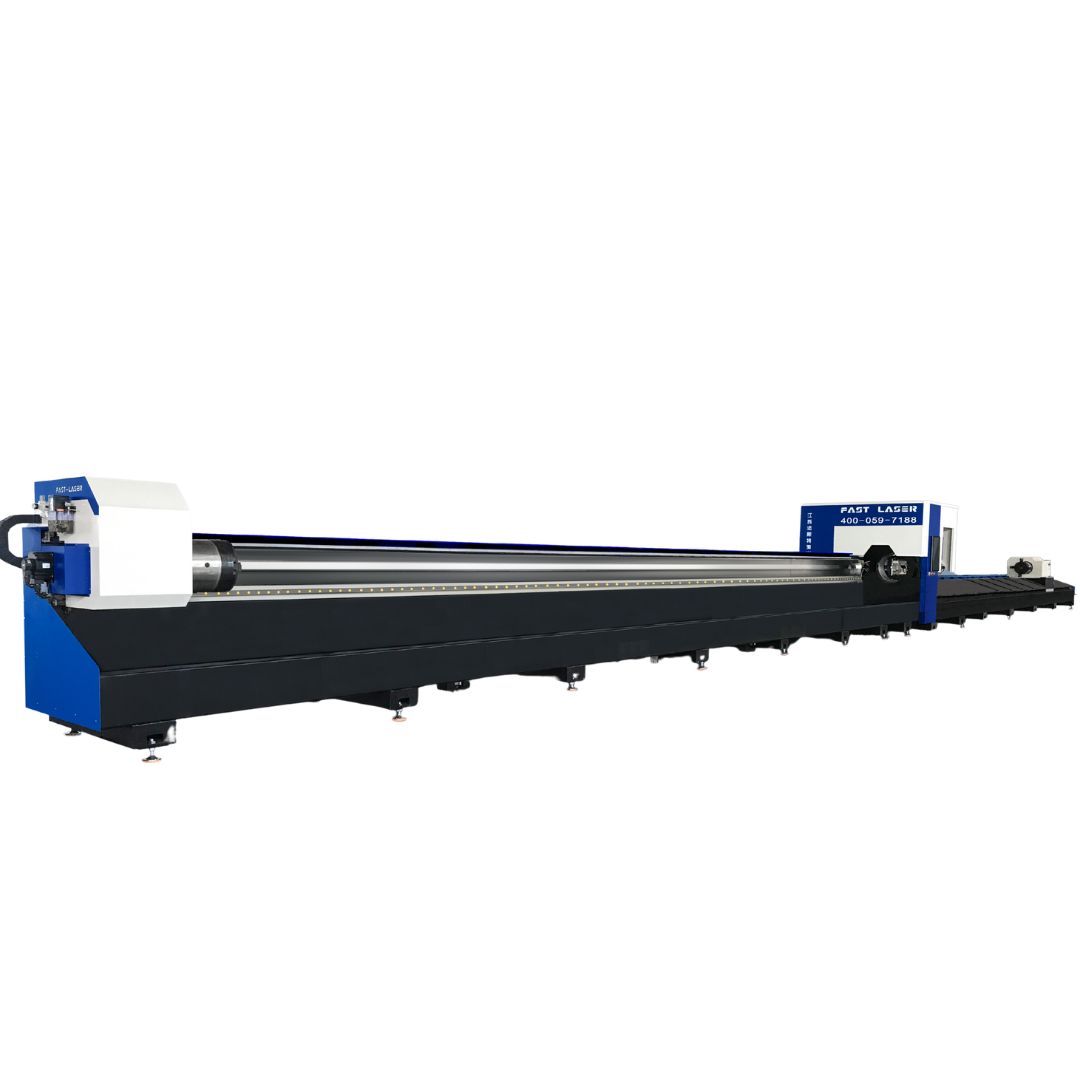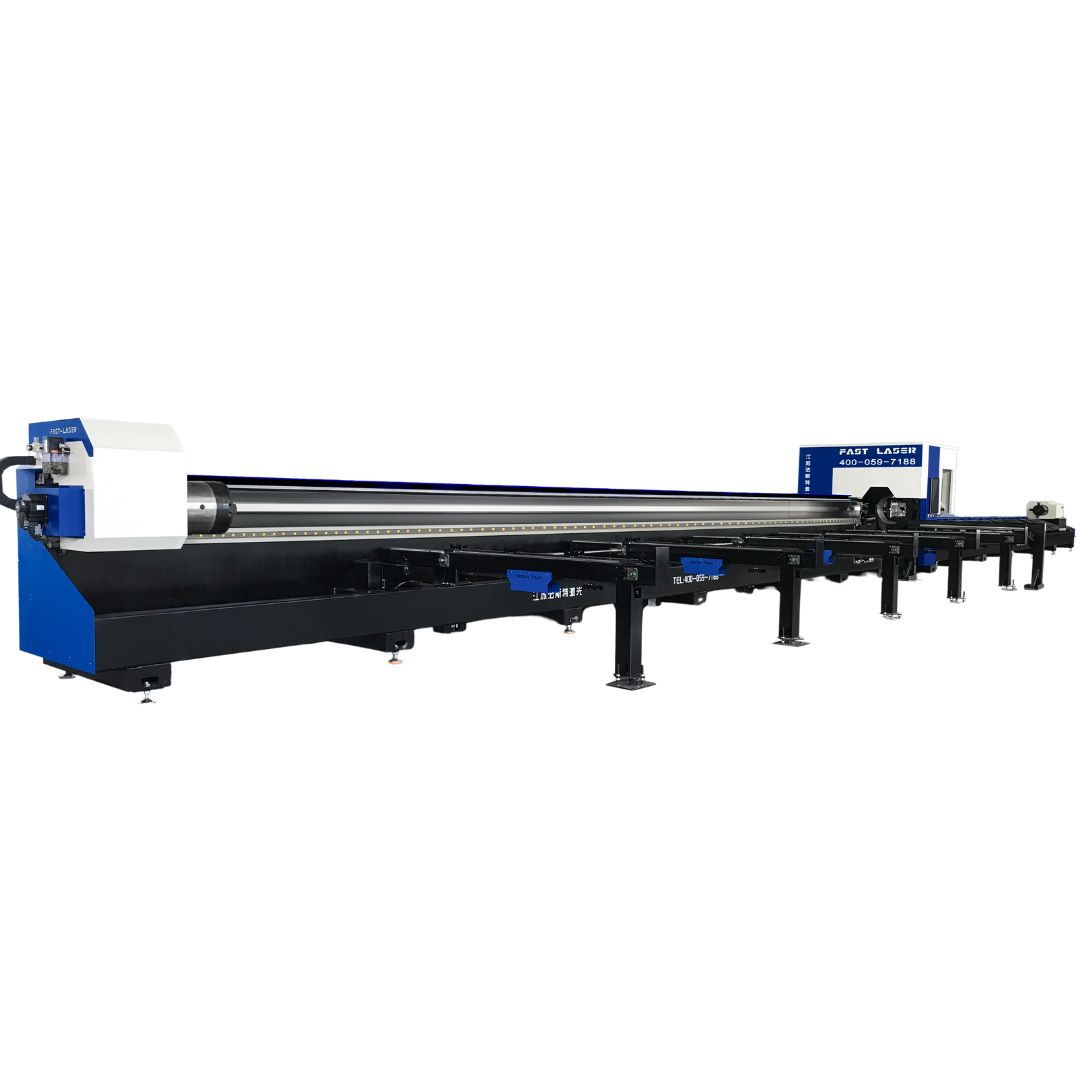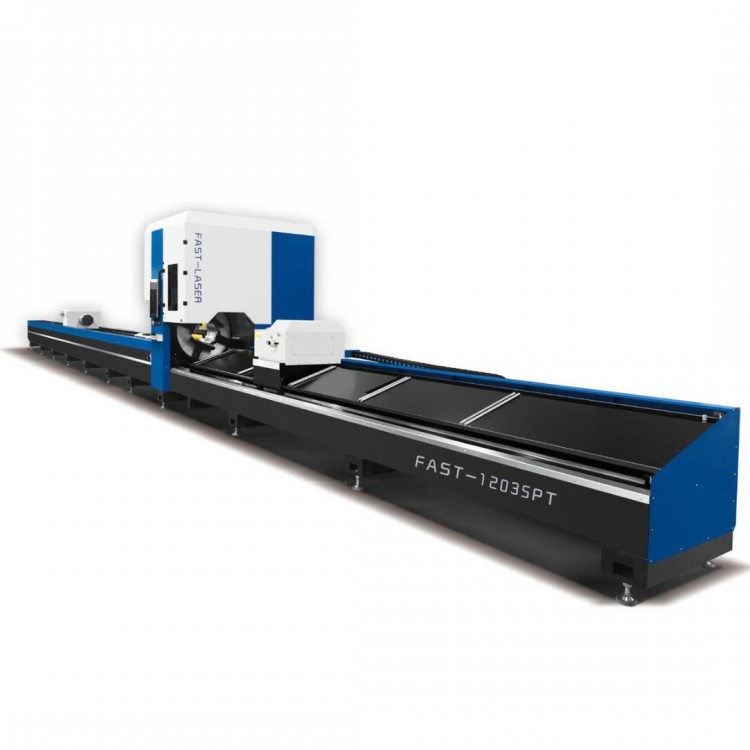

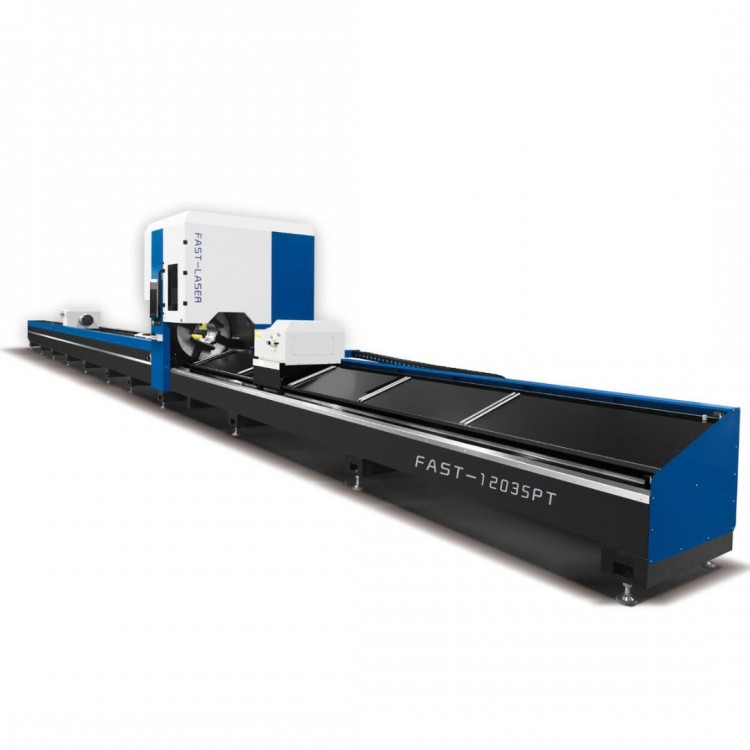

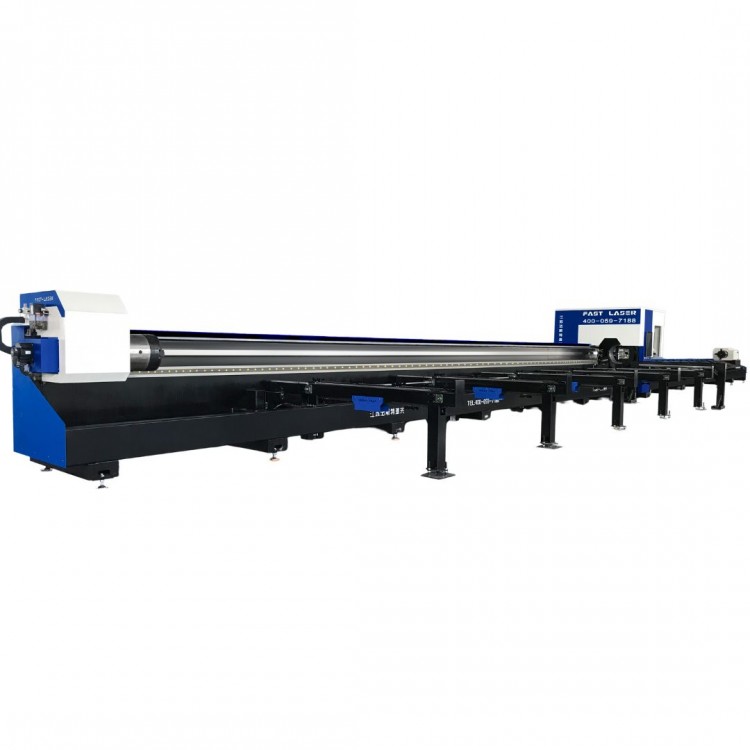












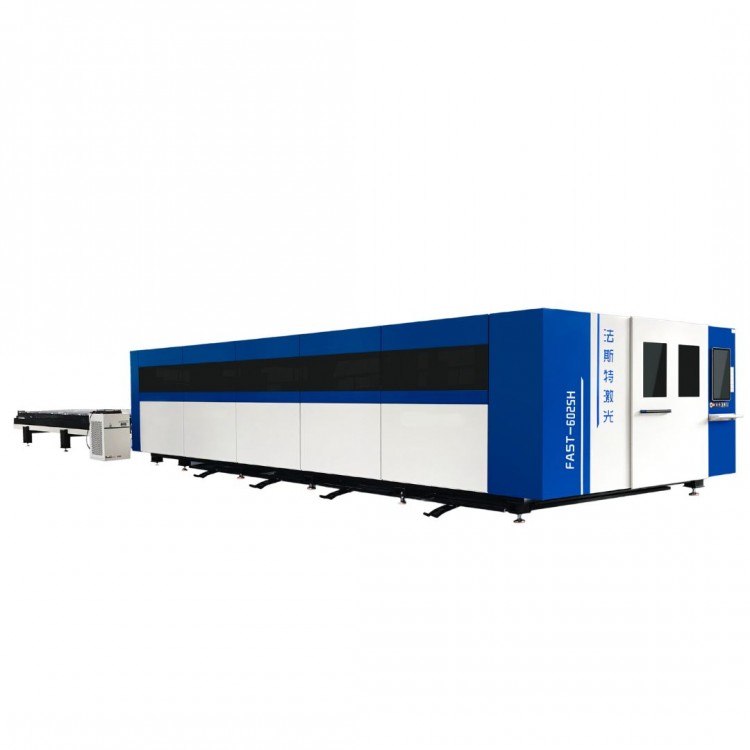
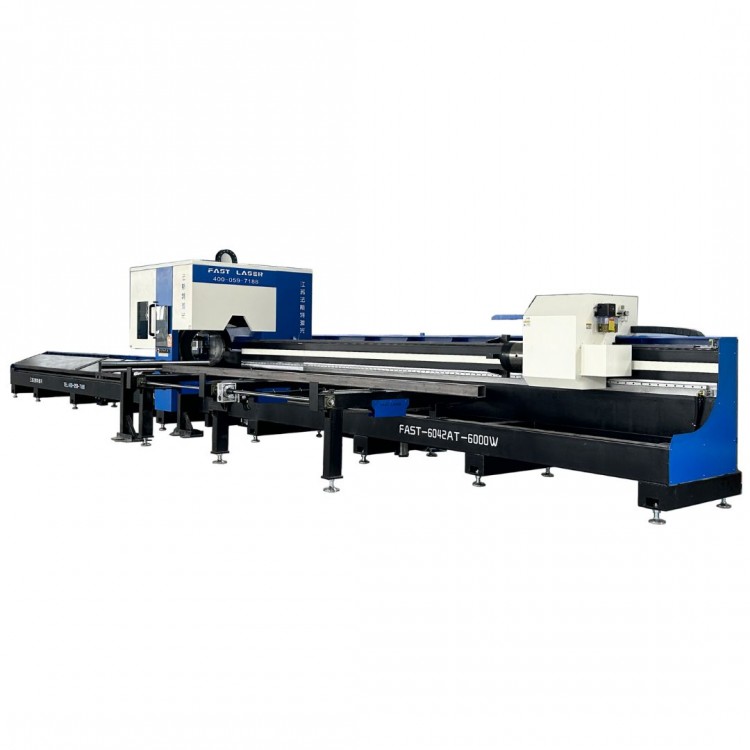
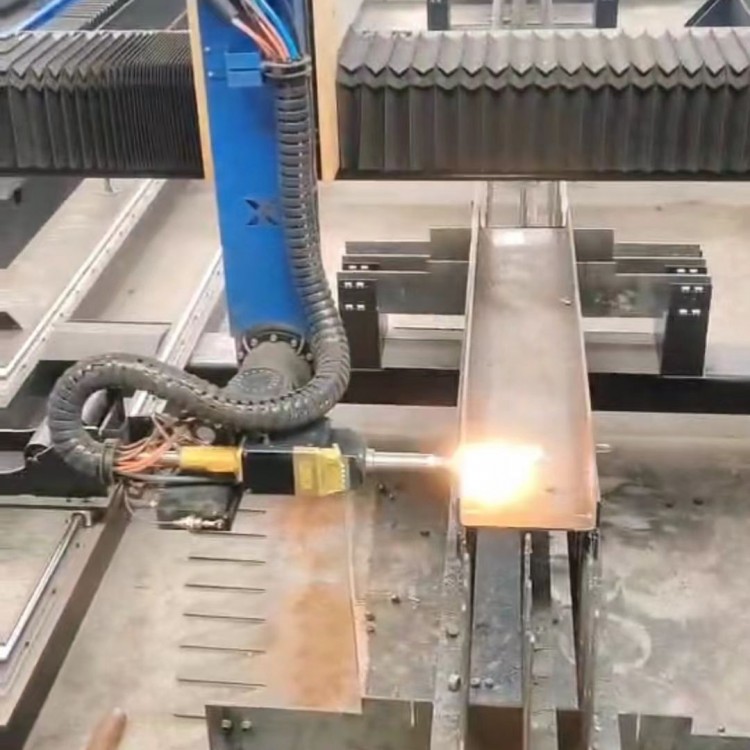
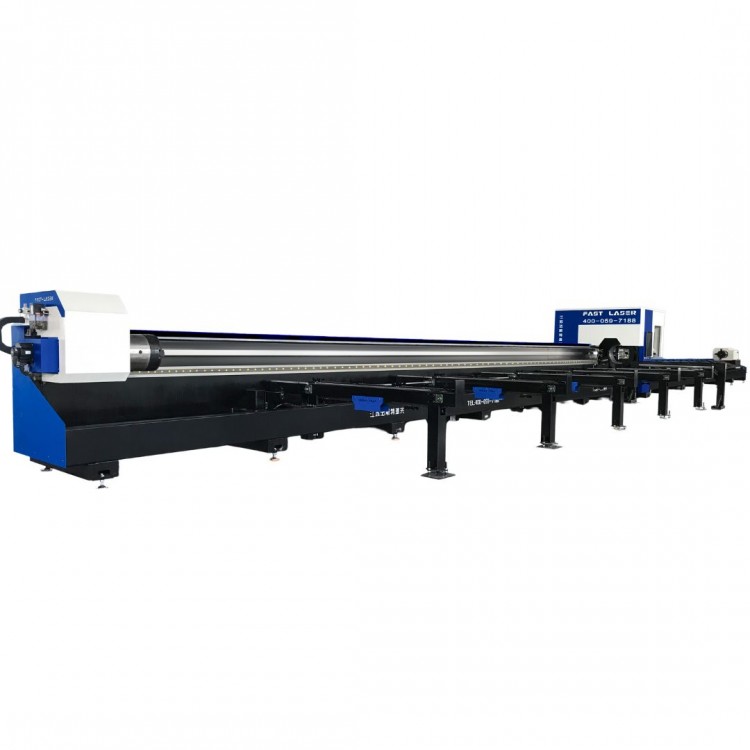
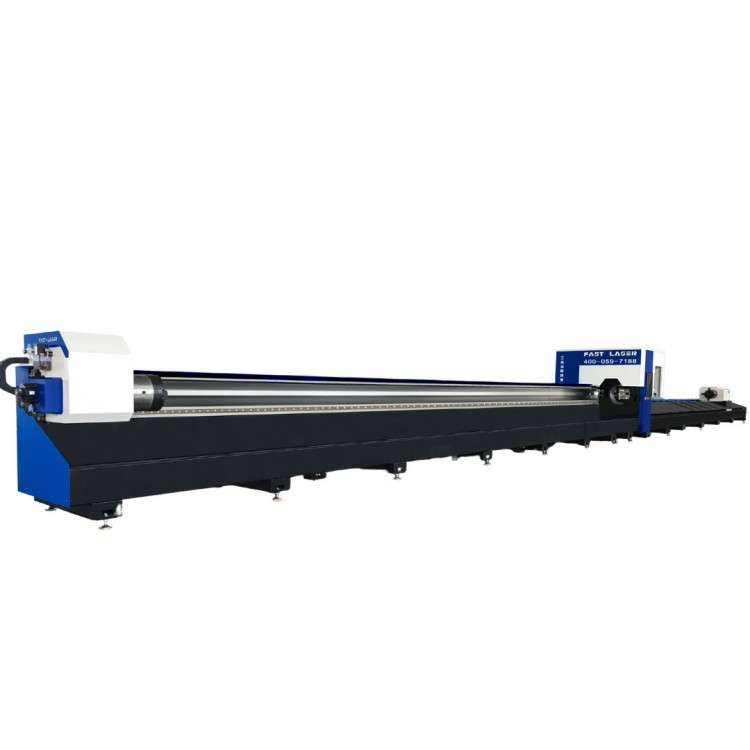
The working principle of a professional pipe cutting machine primarily includes the following key steps:
Raw Material Input Stage: Pipes are introduced through a hopper or feeding device, typically conveyed by a belt or roller system, and delivered precisely to the cutting position._
Positioning and Calibration Process: The automatic control system utilizes sensors or encoder technology to precisely control the position of pipe materials within the machine. Through precise mechanical construction, strict calibration of cutting accuracy is achieved.
Cutting Blade: The core component of the automatic pipe cutting machine is equipped with high-speed rotating blades, typically made of hard alloy or ceramic materials to meet the requirements of high-speed cutting and wear resistance.
Cutting Process: Upon arrival at the cutting area, the blades will cut along the pre-set path, with a cutting speed that can be constant or adjustable to meet different specifications and precision requirements._
Scrap Removal: After cutting, scrap and excess material are automatically cleared away for the next cutting cycle._
Quality Monitoring: Some high-end automatic cutting machines are equipped with a quality inspection system that monitors the quality of the cuts in real-time, ensuring products meet standards._
Safety Protection: To ensure the safety of operators, automatic tube cutting machines are usually equipped with safety protection devices, such as guards and emergency stop buttons.
By the collaborative efforts of these stages, the automatic tube cutting machine can efficiently complete tube material cutting tasks, significantly reducing manual operation intensity and enhancing production efficiency.