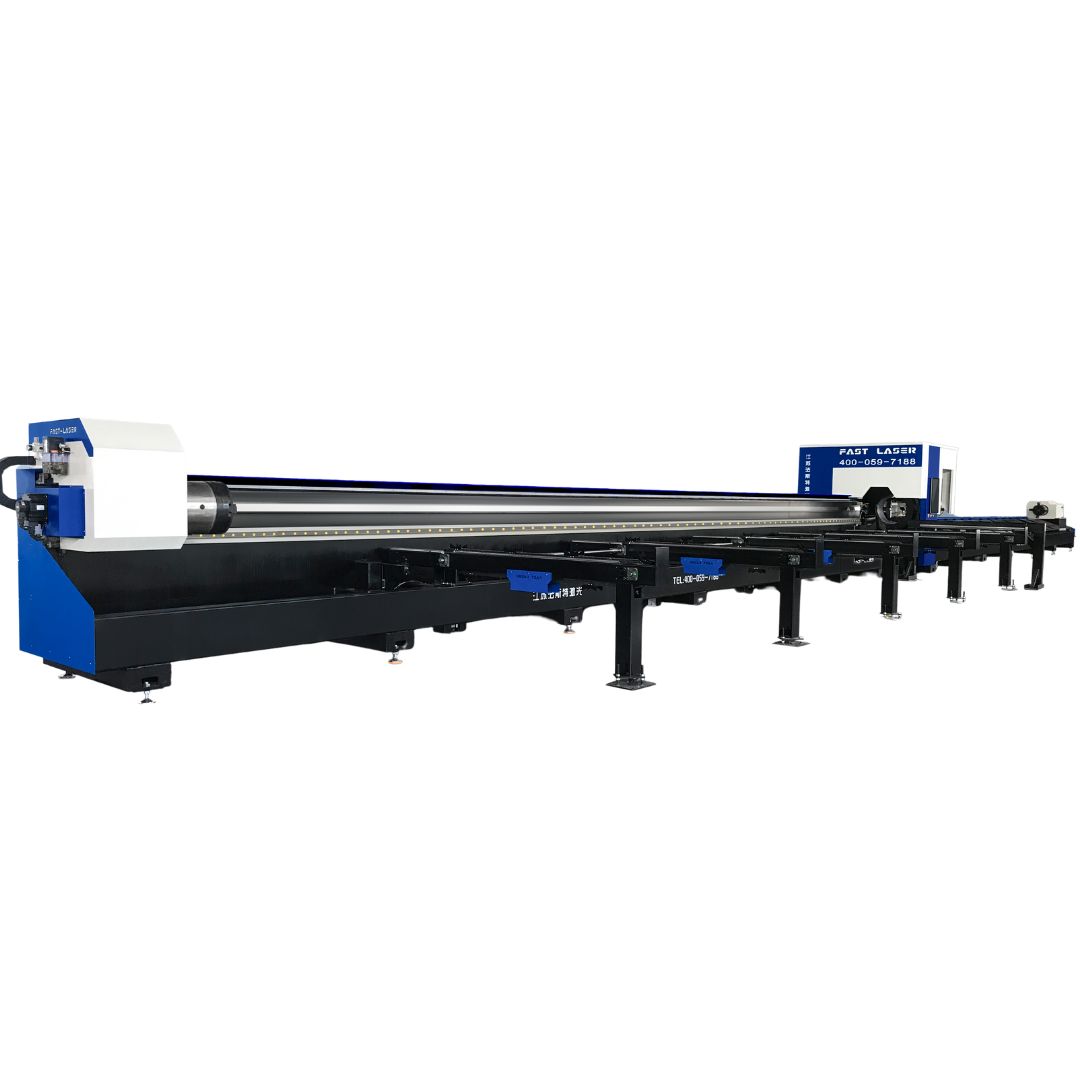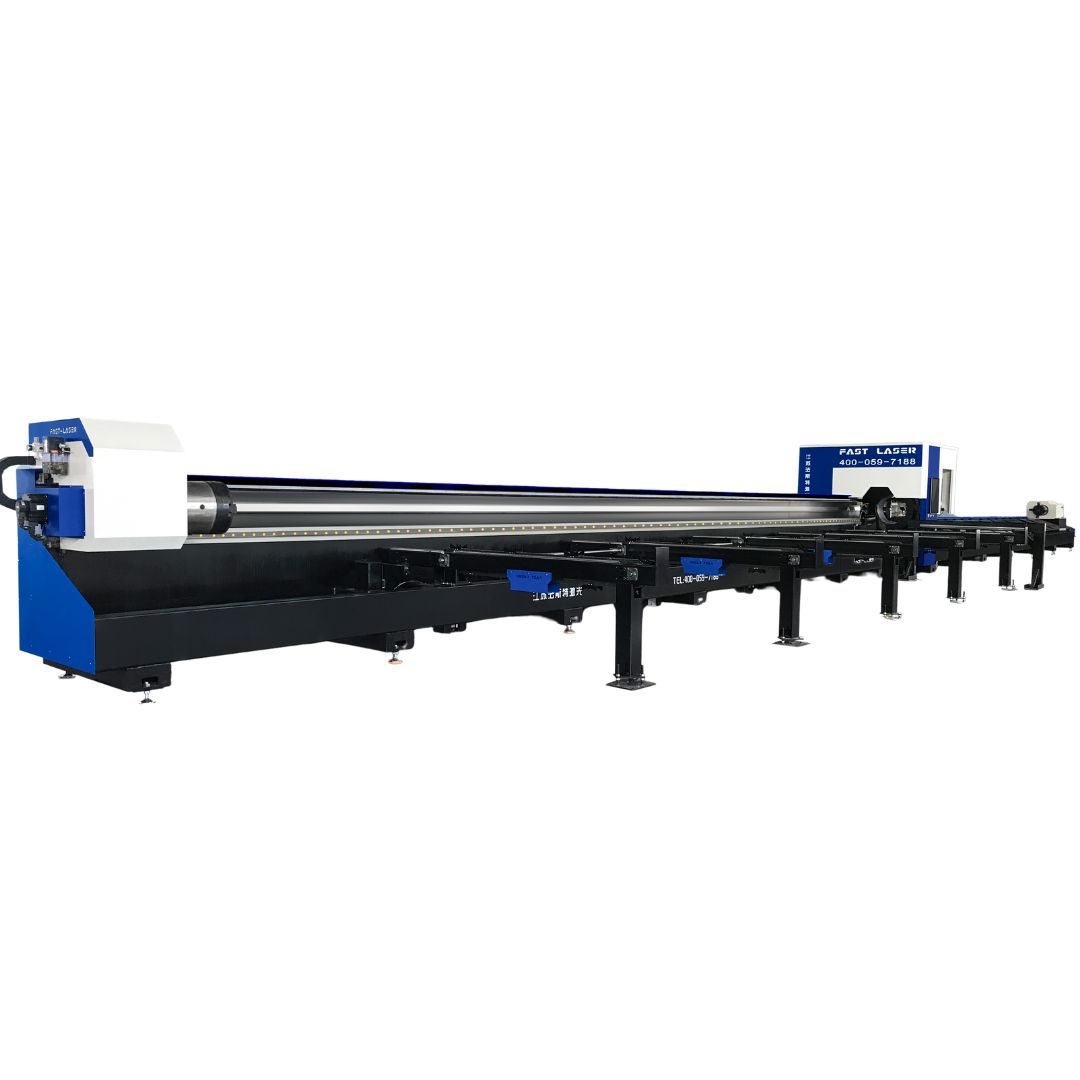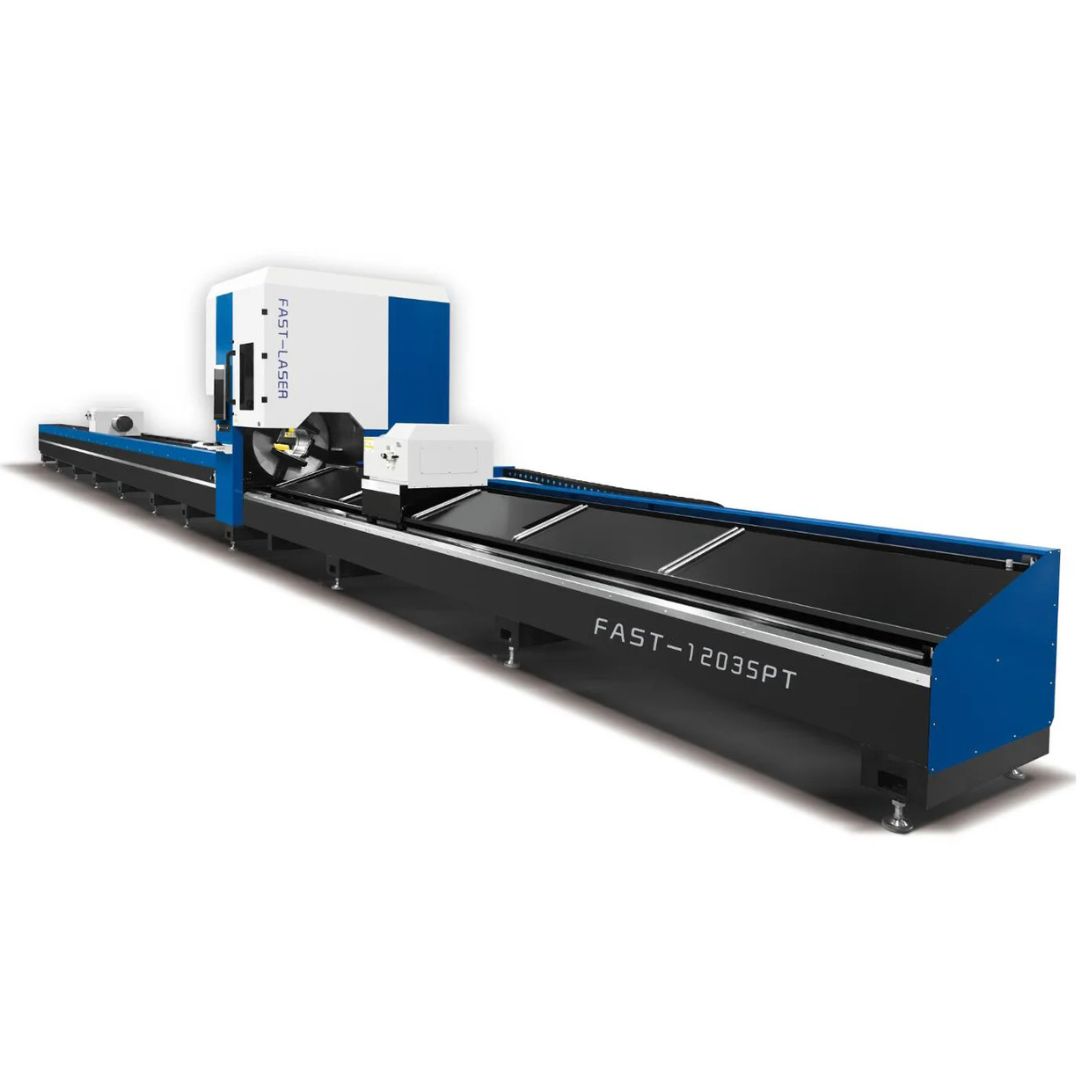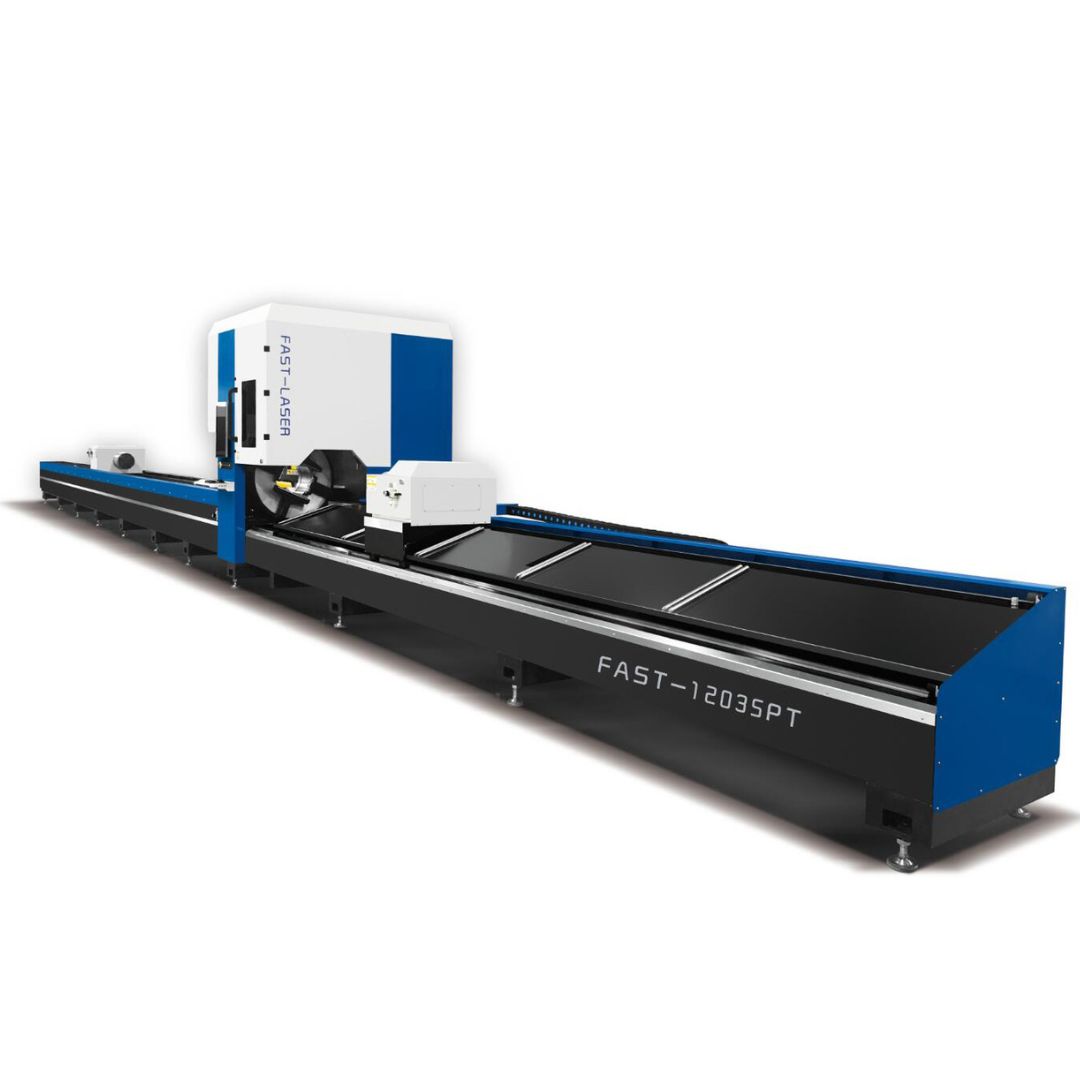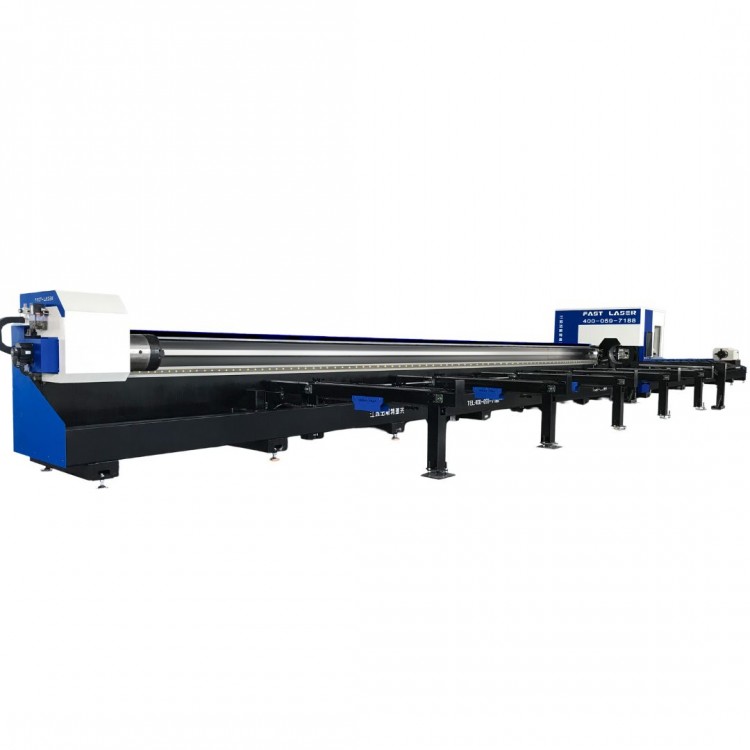

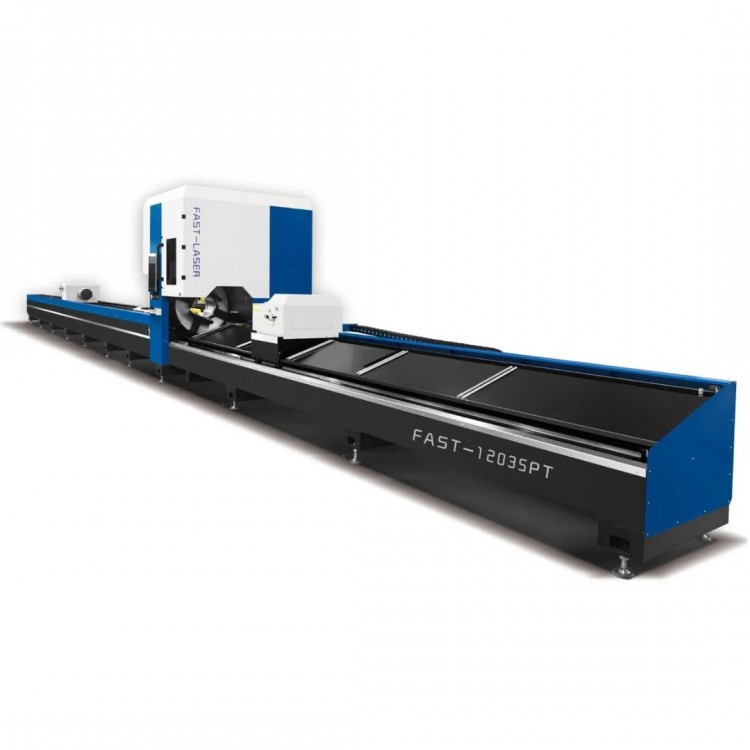
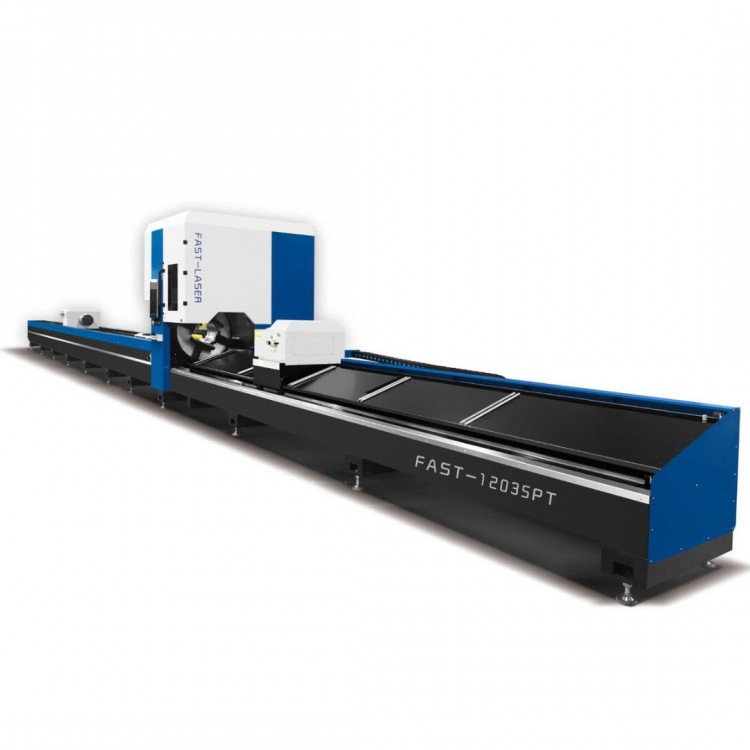


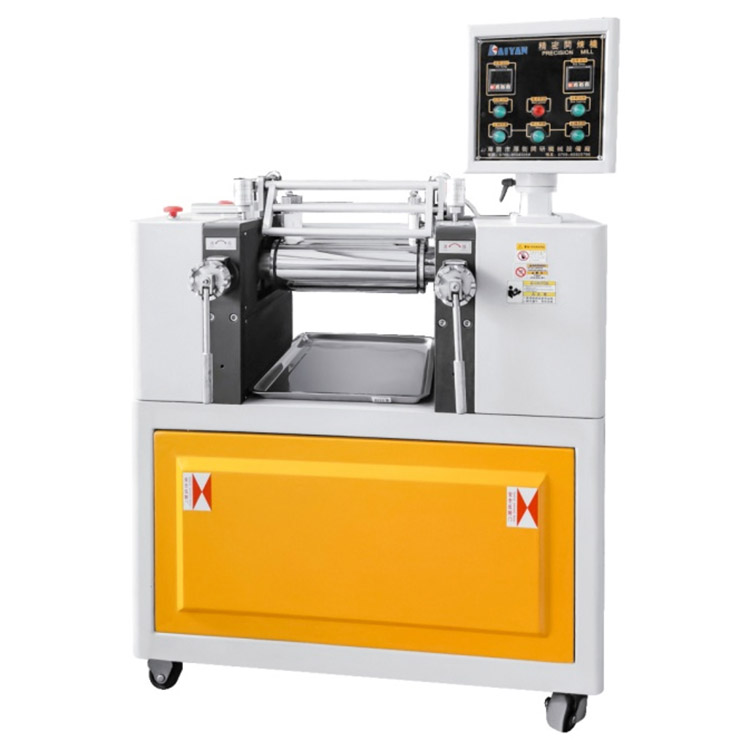









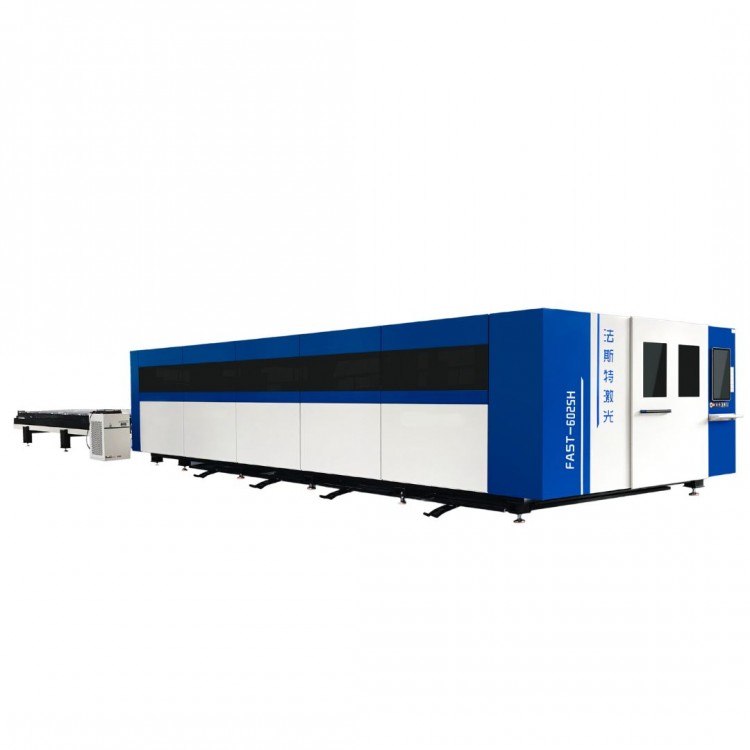
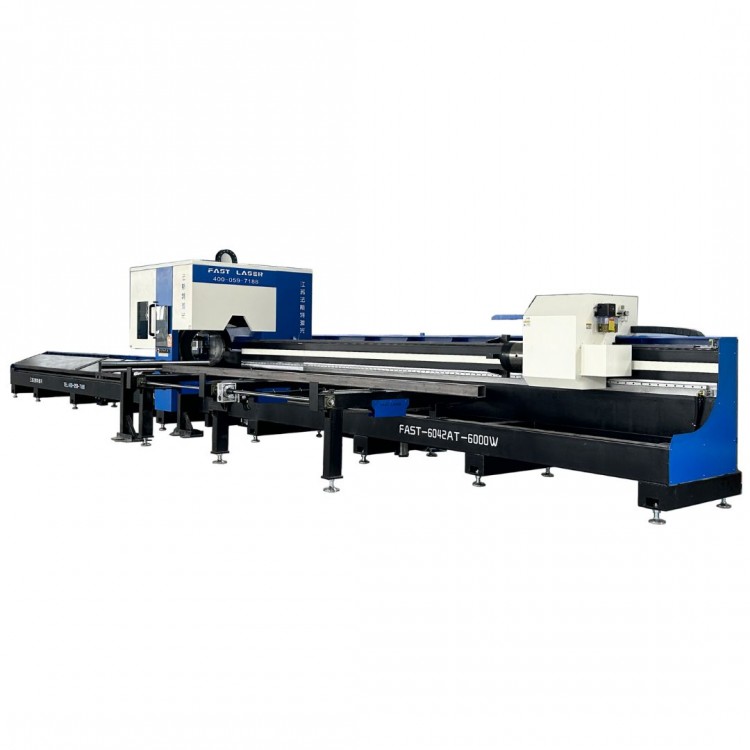
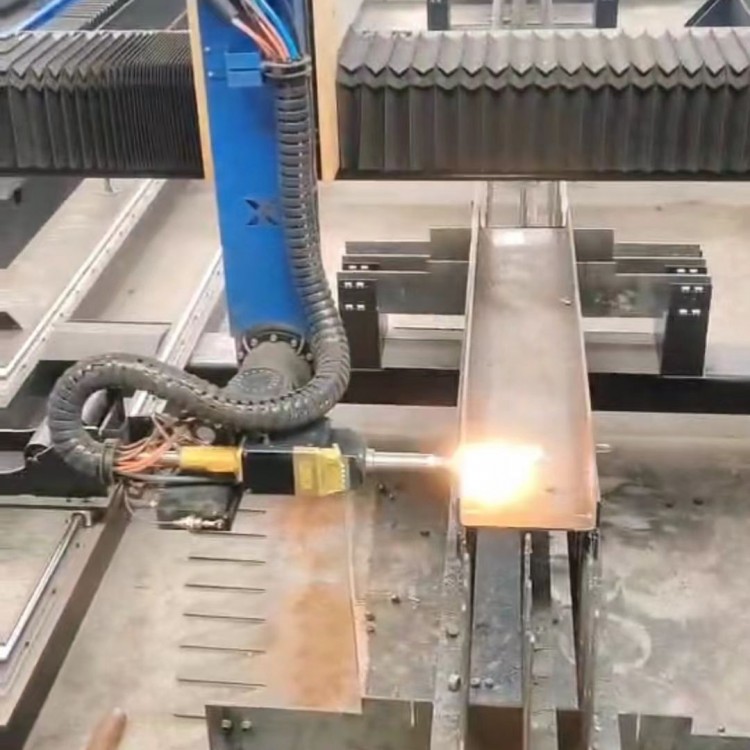
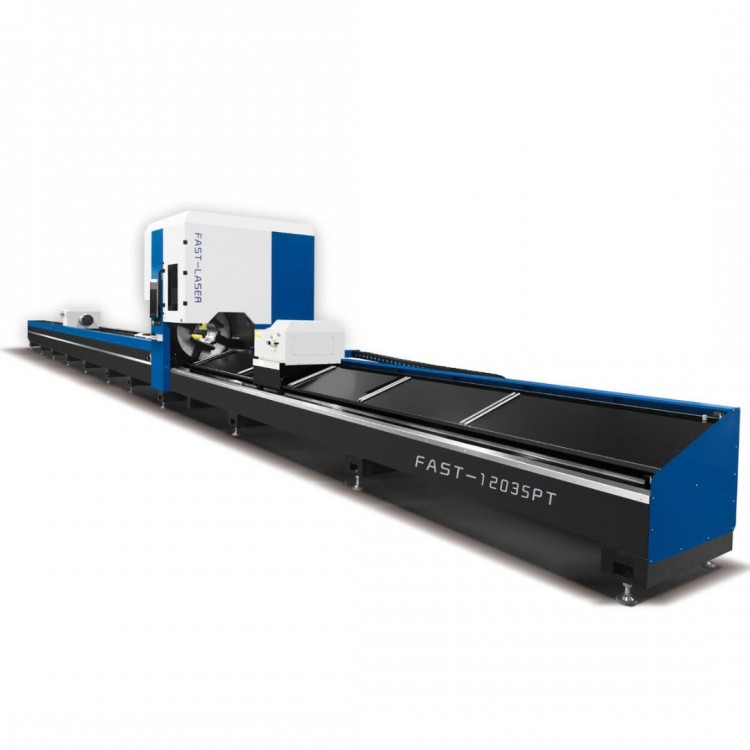
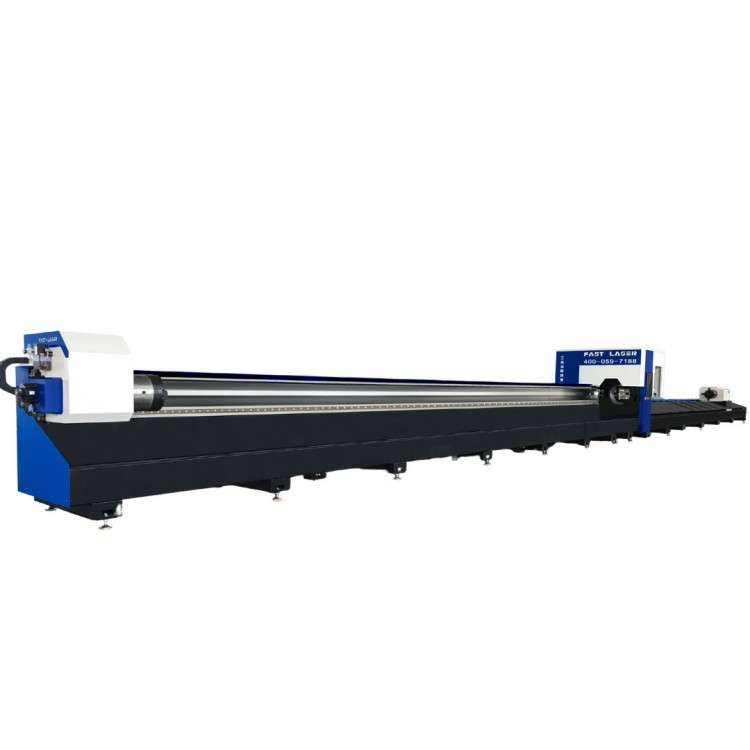
The working principle of heavy-duty pipe cutting machines mainly includes the following key components:
Hydraulic system and electrical control coordination: Heavy-duty pipe cutting machines typically achieve the cutting function through the coordination of hydraulic and electrical systems. The electrical system controls the directional movement of the hydraulic circuit, propelling the trolley to move back and forth in a straight line. The microcomputer controls the movement according to the user-programmed tool path, using signals detected from the tool holder limit to control and alter the hydraulic circuit movement, thereby achieving the desired cutting path.
Automatic Control System: The automatic pipe cutting machine controls the position of pipes within the machine using sensors or encoders, coordinating with precise mechanical structures for calibration to ensure accurate cutting. The cutting blades are typically made of hard alloy or ceramic to meet the requirements of high-speed cutting and wear resistance._
Cutting Process: The pipe is fed into the cutting machine via a conveyor belt or roller system, where it enters the cutting area. The blades cut along a pre-set path at a constant or adjustable speed. By adjusting the blade thickness and cutting speed, different specifications and precision cutting requirements can be accommodated.2
Quality Monitoring & Safety Protection: Some high-end automatic tube cutting machines are equipped with quality inspection systems that monitor the flatness and accuracy of the cuts in real-time, ensuring product quality. Additionally, for operator safety, automatic tube cutting machines typically come with safety features such as protective guards and emergency stop buttons.
Maintenance and Care: Regularly sharpen the blades to maintain their sharpness, which ensures smoother and easier cutting, and also helps extend the blade's lifespan. Additionally, check the hydraulic oil level regularly to ensure all components operate normally.