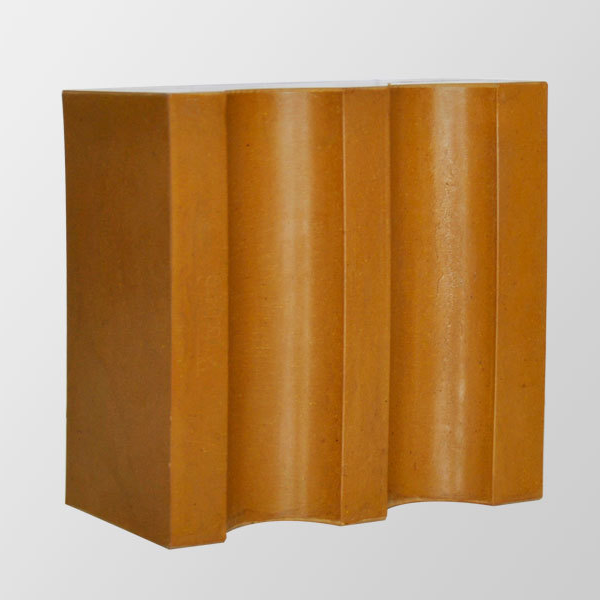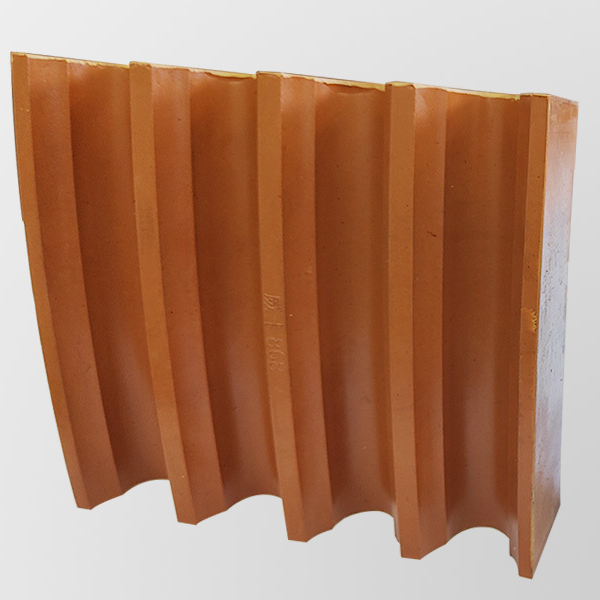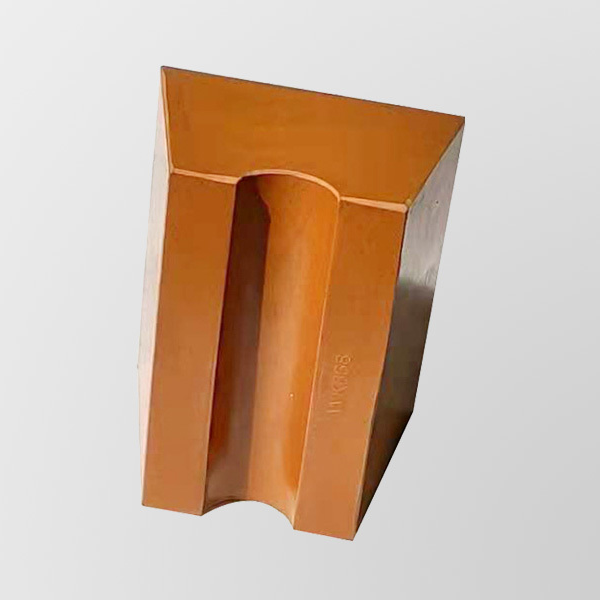


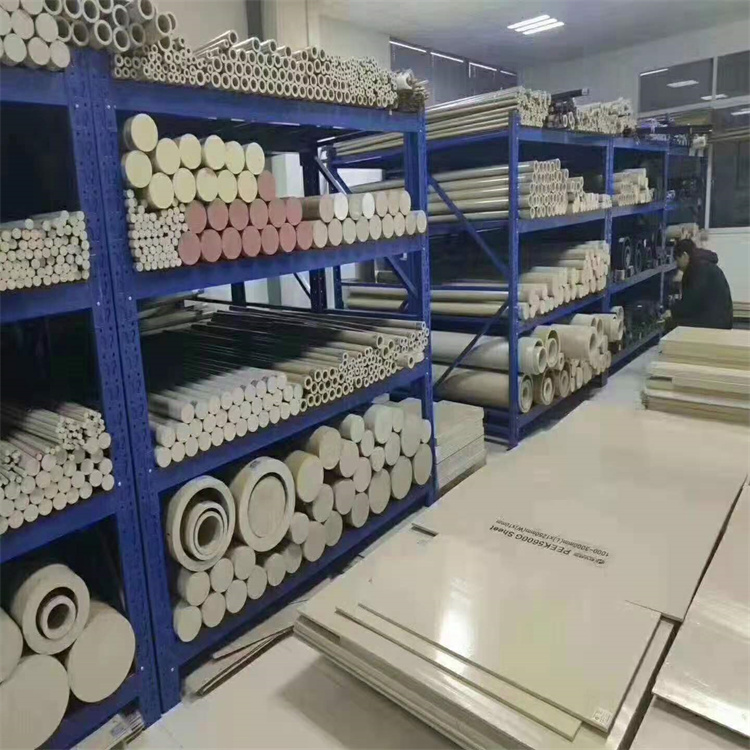


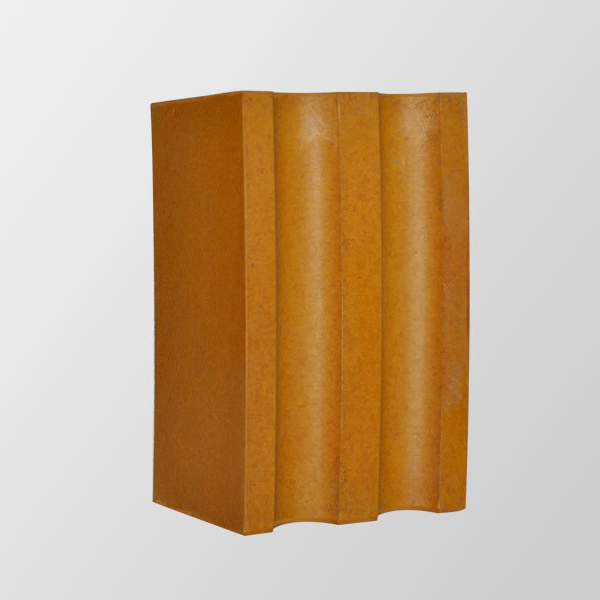
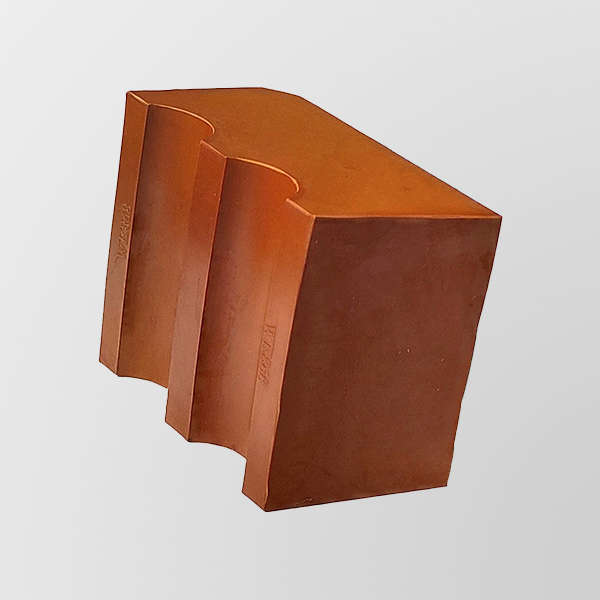





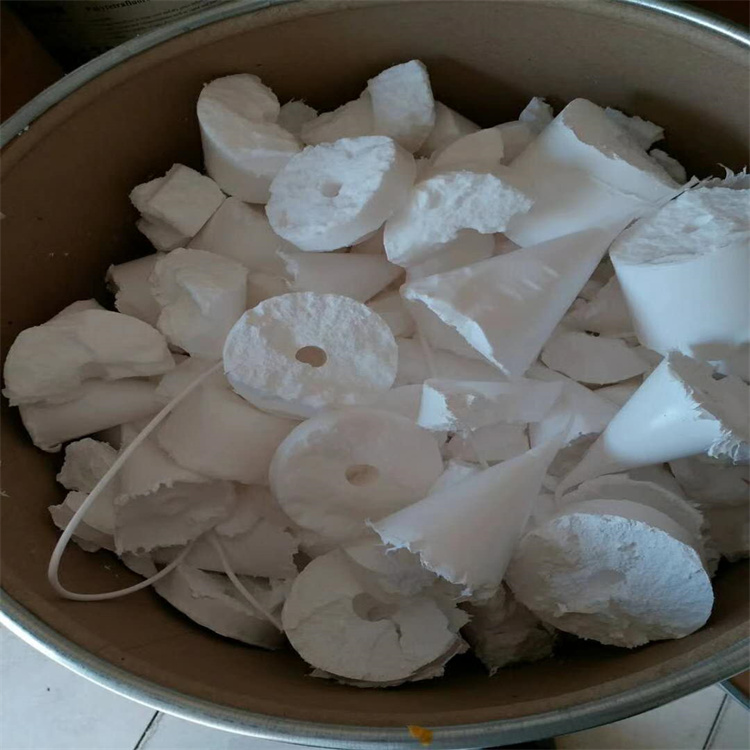

Polyetherimide (PEI) is a super engineering plastic made from amorphous polyetherimide, featuring high-temperature resistance and dimensional stability, as well as chemical resistance, flame retardancy, electrical properties, high strength, and high rigidity. PEI resins are widely used in high-temperature terminals, IC bases, lighting equipment, FPCBs (flexible printed circuit boards), fluid conveyance equipment, aircraft interior parts, medical equipment, and home appliances.
Our company places integrity at the forefront, adhering to the principles of honesty, energy conservation, and greening the Earth. Operating with a "service the public" mindset, we diligently manage our business, committed to serving you with prices above the market. Our宗旨 is "quality, always improving," and our business philosophy is "technology first, people-oriented, honest, and trustworthy." Our goal is to "serve customers, satisfy customers, and enhance customer experience." Our products, known for their quality and excellent service, have earned the praise of numerous partners, leading to collaborations with various merchants...We are engaged in the national collection of special engineering materials like PEEK and PEI, as well as waste fluoroplastics such as PTFE, PFA, FEP, and ETFE. Your satisfaction is our pursuit! Welcome businesses, users, and consumers to contact us. We are dedicated to providing excellent products and services to our customers with unwavering commitment!
Polyetherimide (PEI) is a super engineering plastic made from amorphous polyetherimide, boasting high-temperature resistance, dimensional stability, and properties such as chemical resistance, flame retardancy, electrical conductivity, high strength, and high rigidity. PEI resins are widely used in high-temperature terminals, IC bases, lighting equipment, FPCBs (flexible printed circuit boards), liquid transfer equipment, aircraft interior parts, medical equipment, and household appliances.
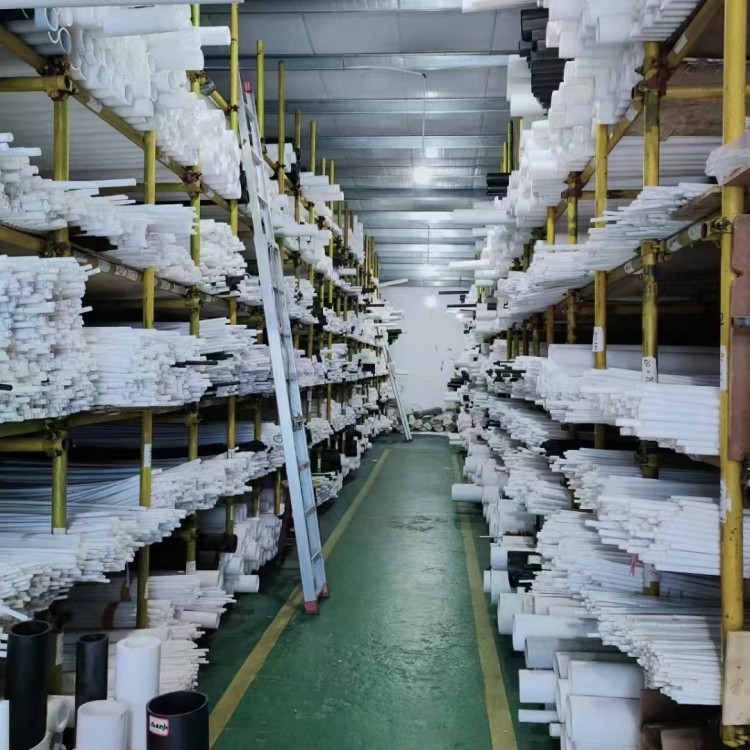
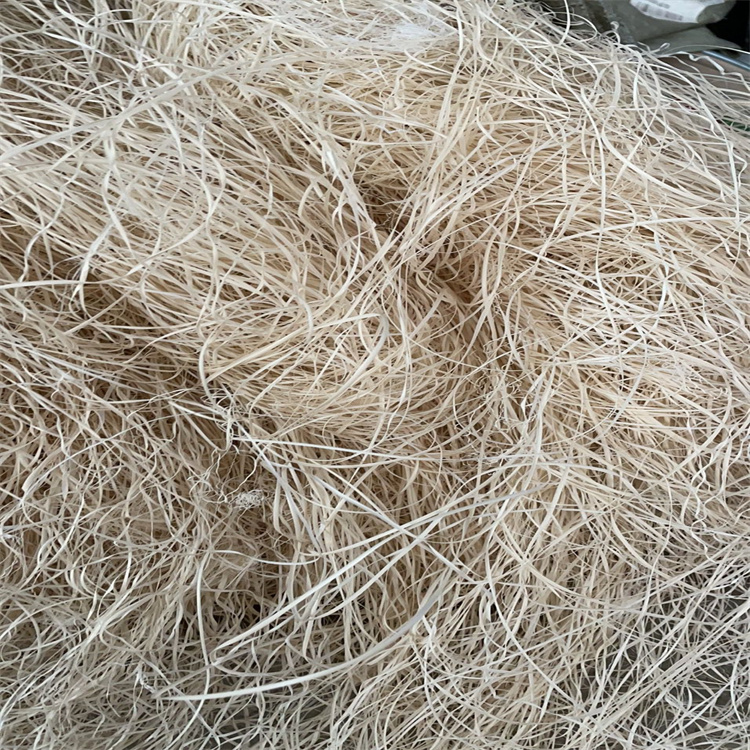
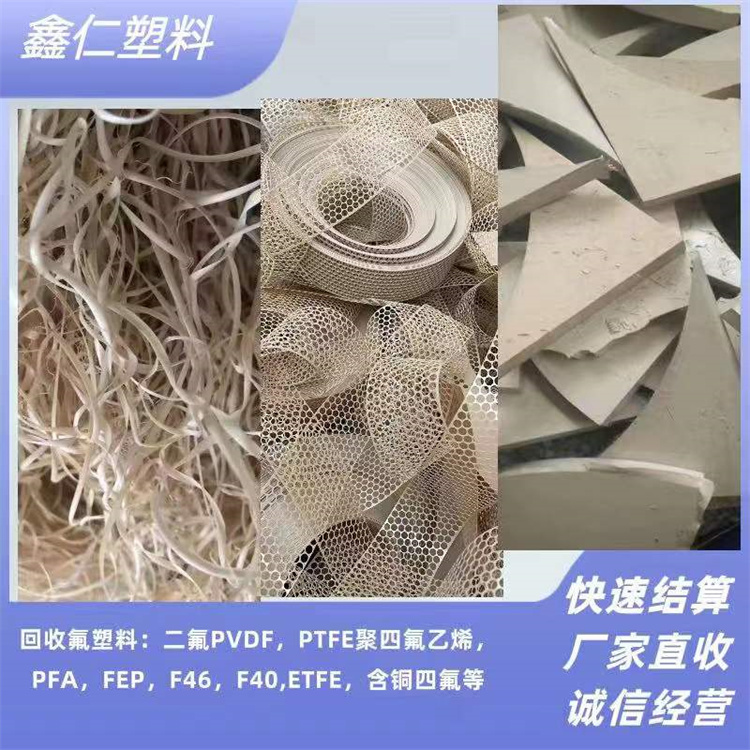
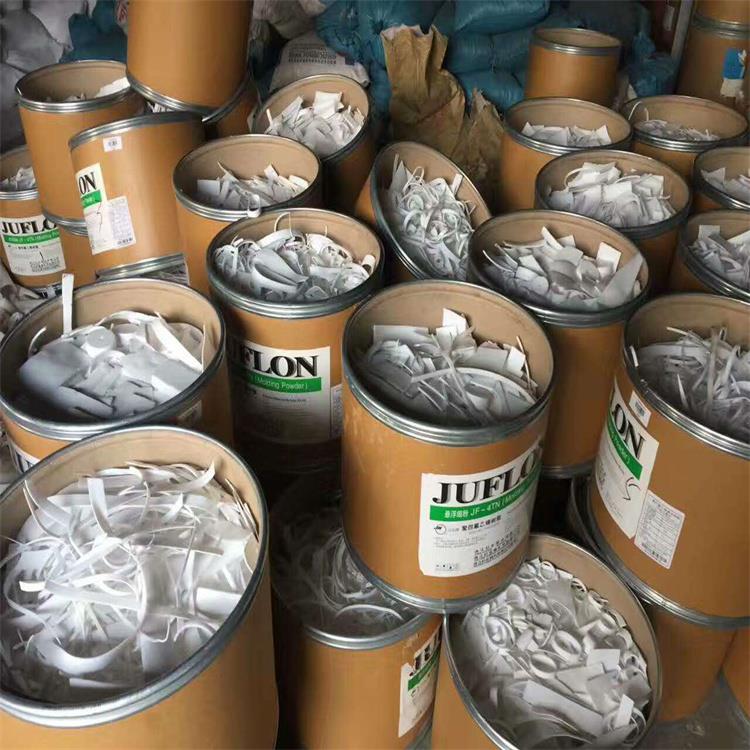
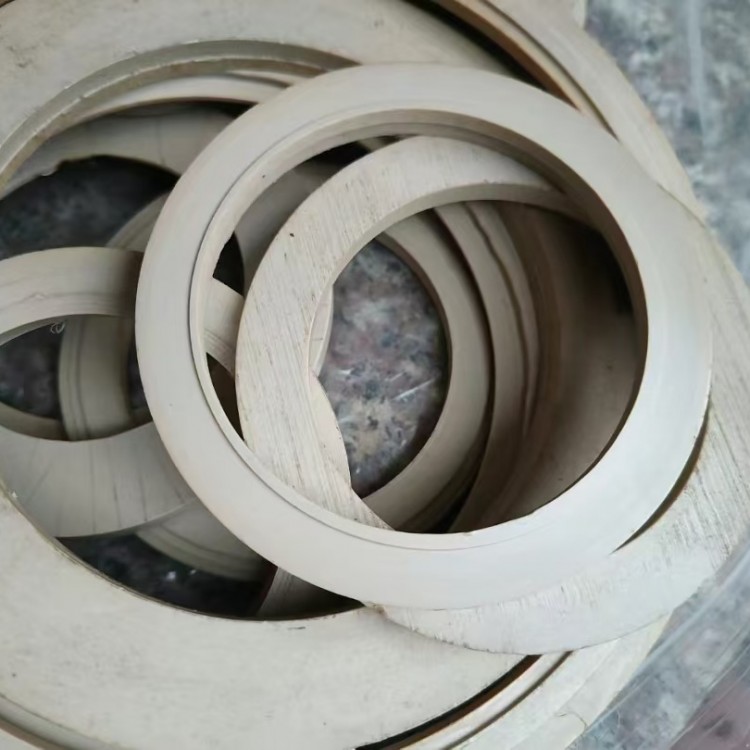
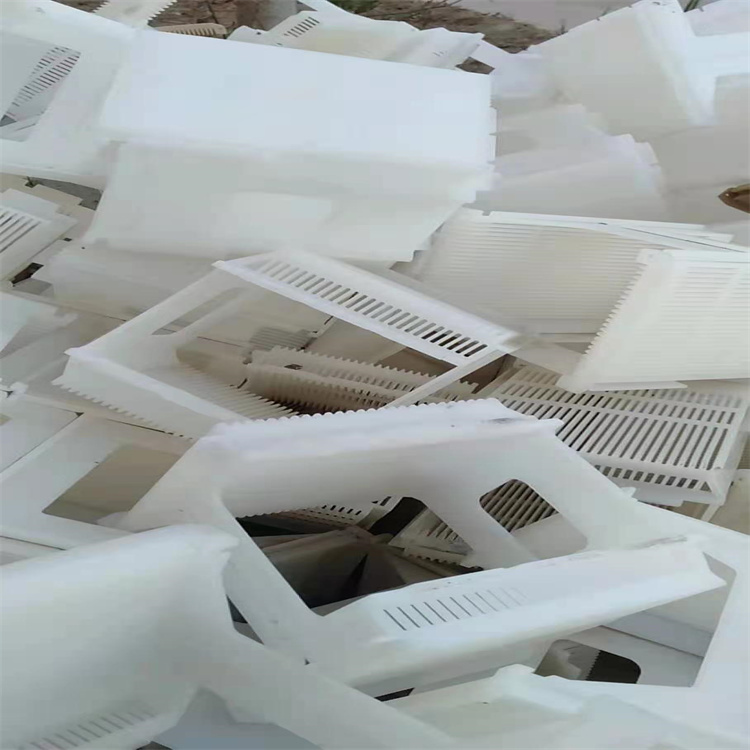
Our company is a recycling, manufacturing, and production enterprise specializing in fluoro-plastic products. We extensively recycle: fluoro-plastics, PTFE, Teflon, Plastic King, Norylon, PEEK, polysulfone (PPSU), PEI, PPSu, PFA, PVDF, difluorine, F26, FEP, F46, ETFE, F40, PTFE, Adhesive King, trifluorine, ECTFE, F30 shavings, scraps, water sprues, mold heads, tube materials, films, and stock materials. Our factory focuses on the main sales products of polytetrafluoroethylene rods, plates, tubes, films, and recycled micro-powders, engaging in the production and manufacturing of a series of polytetrafluoroethylene products, including extruded rods, extruded tubes, turned plates, polytetrafluoroethylene gaskets, washers, recycled powders, etc. We also produce recycled granule products of fluoro-plastics like PFA, FEP, PVDF, ETFE, PMMA, acrylic, etc., widely used in the electronics and electrical industry, chemical and petrochemical industry, machinery, and various other fields. We require several hundred tons per month, and we are ready to process stock at any time! Please call for more information. How much is PTFE recycling and polyether ether ketone recycling per ton?
ETFE Properties: The tensile strength of ETFE decreases with increasing temperature, while the elongation at break initially increases with temperature, then decreases when the temperature exceeds 120℃. ETFE copolymers have low elongation at break at high temperatures, and the addition of an appropriate third monomer can improve the material's tensile properties at high temperatures. There are also differences in the tensile properties of ETFE grades. ETFE can absorb high impact energy, has great impact resistance, and also exhibits good low-temperature impact resistance. The plastic's creep behavior is a crucial factor affecting its engineering applications. Among fluoropolymers, ETFE has significantly better creep resistance than PTFE, FEP, and PFA, comparable to PVDF. The continuous service temperature of ETFE is 180℃. ETFE offers high insulation resistance and low dielectric loss; below 10MHz, the dielectric constant of ETFE resin is between 2.5 and 2.6, and it remains close to 2.3 at 10GHz. The dissipation factor is below 0.001 at low frequencies, reaching 0.023 at 100MHz, then decreases with increasing frequency. ETFE can absorb significant impact energy, has great impact resistance, and also shows good low-temperature impact resistance. The creep behavior of the plastic is a key factor in its engineering applications. Among fluoropolymers, ETFE's creep resistance is notably superior to that of PTFE, FEP, and PFA, and is comparable to PVDF. ETFE is a semi-crystalline, semi-transparent resin with a crystallinity of about 50%-60%. As a light-grade ETFE fluoropolymer, it has a relative density of around 1.73. It boasts superior tensile strength, impact strength, and creep resistance compared to PTFE, and excellent low-temperature impact resistance among existing fluoropolymers.