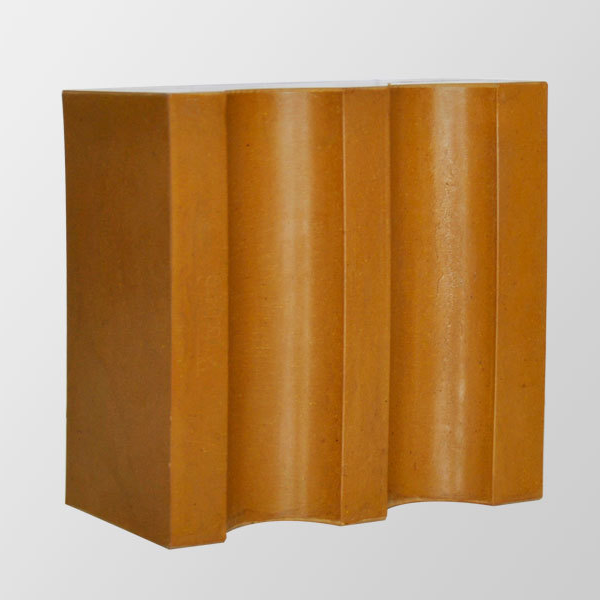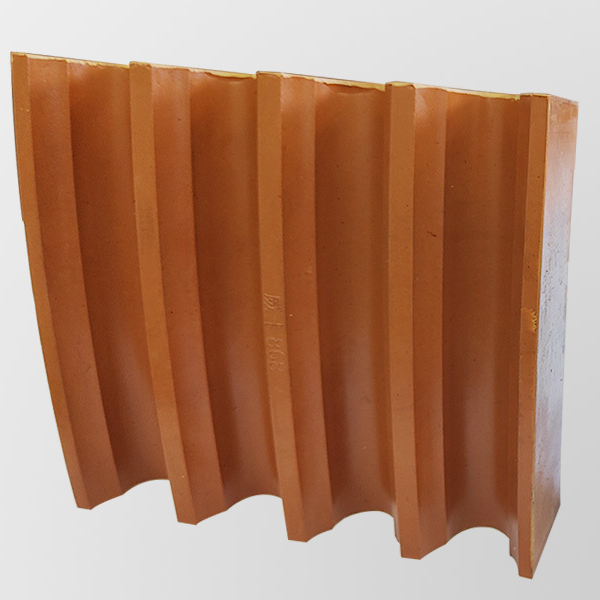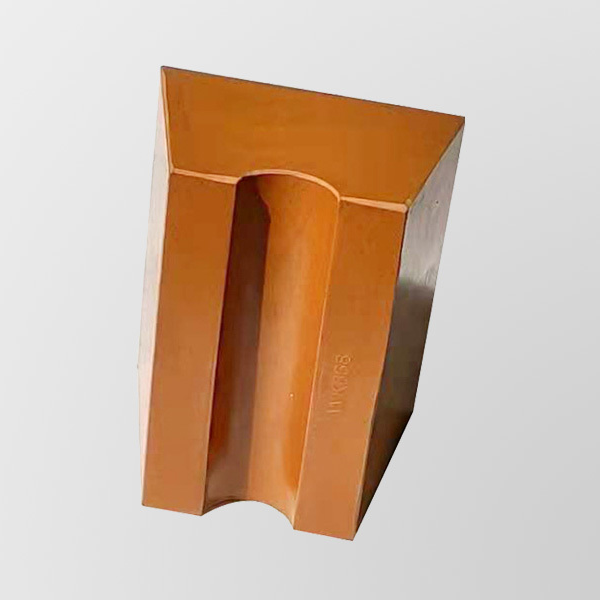


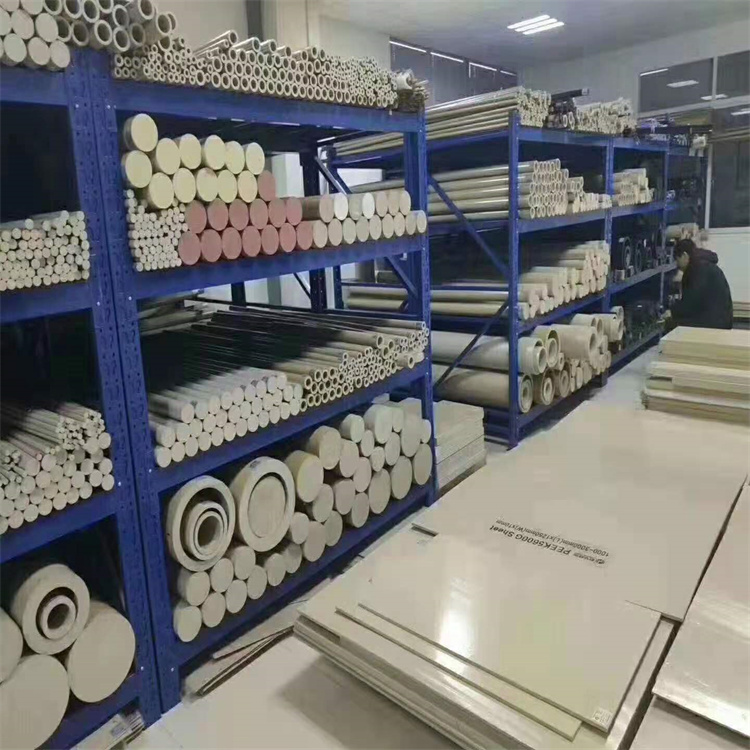


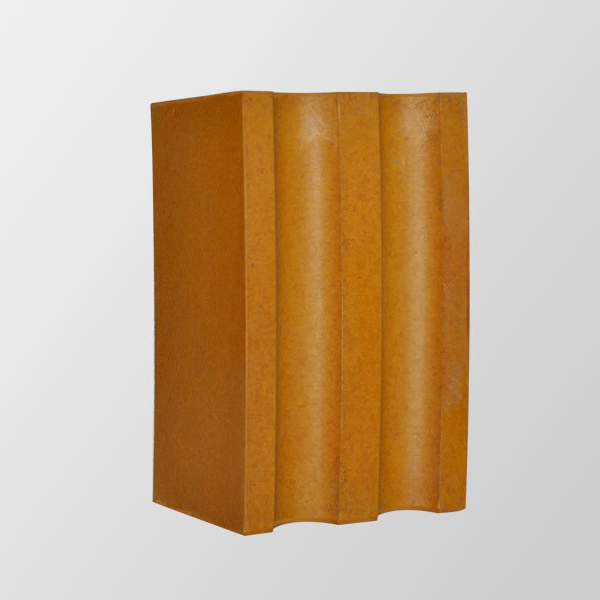
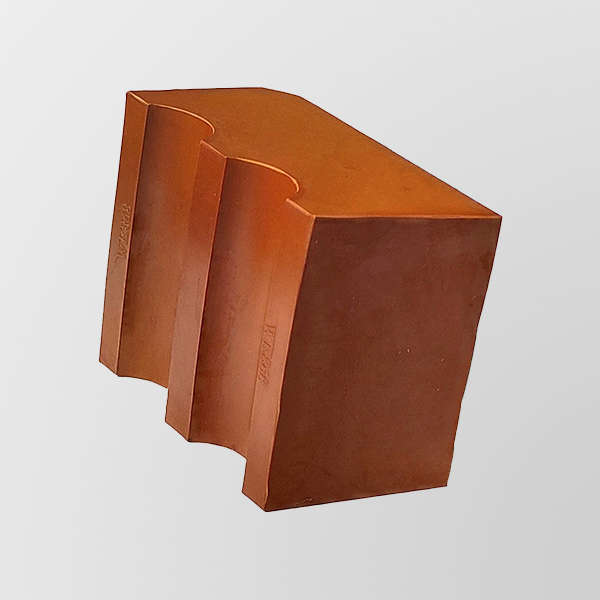





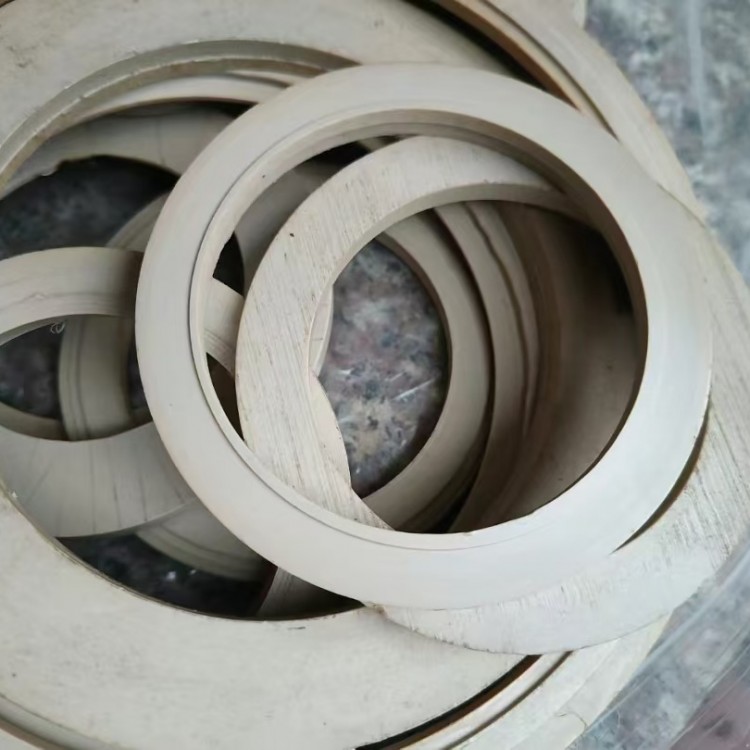


Amber (Transparent Deep Yellow) Color PEI Plate: Chinese Name - Polyether Imide Plate; English Name - PEI Plate. PEI plate is a non-crystalline plastic. It is an amorphous high-performance polymer, manufactured by extruding an engineering plastic made from amorphous PEI (Polyether Imide) through an extruder at high temperatures.
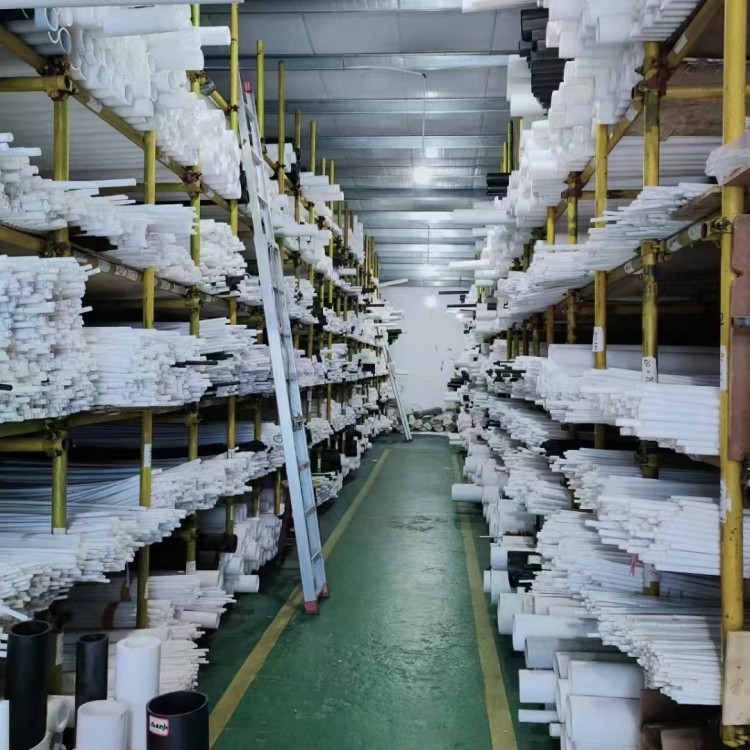
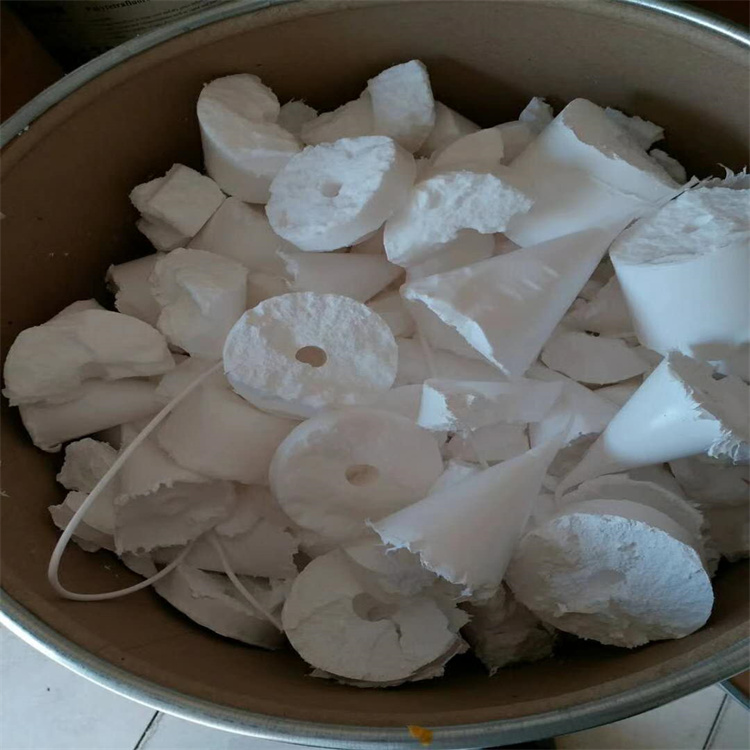
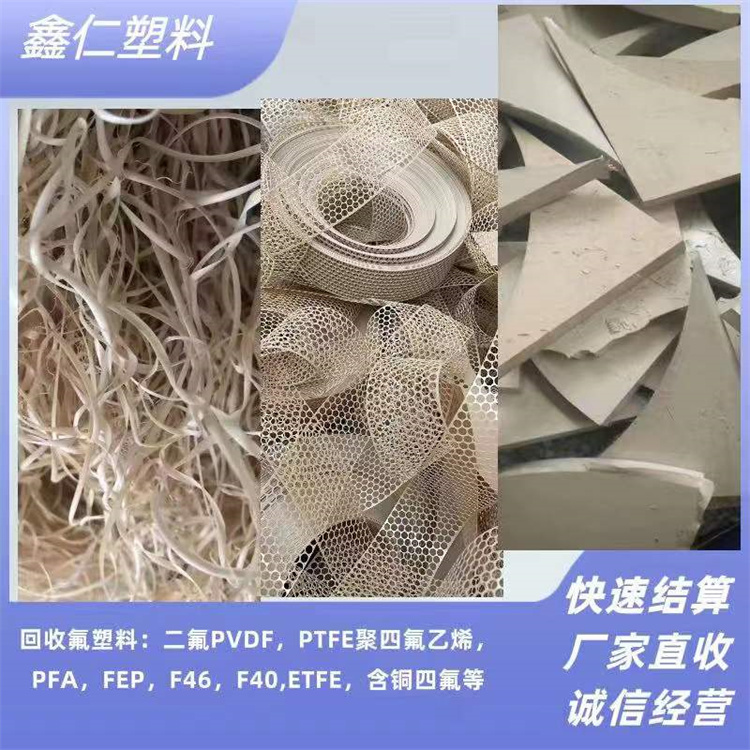
Our company prioritizes integrity, adhering to the principles of energy conservation, greening the Earth, and serving the public. With a diligent approach to business, we are committed to providing you with exceptional service at prices above the market rate! Our宗旨 is "Quality, Never Satisfied," with a business philosophy of "Technology First, People-Centric, and Honesty Above All." Our goal is to "Serve Customers, Satisfy Customers, and Enhance Customer Value." Our products, renowned for their quality and service, have earned the praise of numerous partners, leading to collaborations with various merchants... We are nationwide recyclers of special engineering materials like PEEK, PEI, as well as fluoroplastics waste such as PTFE, PFA, FEP, ETFE, etc. Your satisfaction is our pursuit! Welcome businesses, users, and consumers to contact us; we are dedicated to providing excellent products and services to our customers!
Polyetherimide (PEI) is a super engineering plastic made from amorphous polyetherimide, featuring high-temperature resistance, dimensional stability, and properties such as chemical resistance, flame retardancy, electrical conductivity, high strength, and high rigidity. PEI resins are widely used in high-temperature terminals, IC bases, lighting equipment, FPCBs (flexible printed circuit boards), liquid transfer equipment, aircraft interior parts, medical devices, and household appliances.
3. ETFE architectural films, directly manufactured from ETFE (polytetrafluoroethylene) raw material. ETFE boasts excellent impact resistance, electrical properties, thermal stability, and chemical corrosion resistance, along with high mechanical strength and good processing characteristics. ETFE architectural films are widely used in the construction industry in our country. This film material has exceptional light transmission properties, is known as "soft glass," is lightweight, at just 1% of the weight of the same-sized glass; it has good toughness, high tensile strength, is not easily torn, and has a ductility greater than 400%; it has strong weather resistance and chemical corrosion resistance, with a melting point up to 200℃; it can effectively utilize natural light, saving energy; and it has excellent acoustic properties. The self-cleaning function of ETFE films makes their surface less prone to dirt, and rain can easily wash away the small amount of dirt that accumulates, with a cleaning cycle of about 5 years. Additionally, ETFE films can be pre-fabricated into ready-to-install bubble films, facilitating installation and maintenance. Of course, ETFE has its limitations, such as material damage and potential leakage due to external environmental factors, and higher maintenance costs, but with the increase in construction of large stadiums, visitor venues, and waiting halls, ETFE's advantages are becoming more prominent.