









I. Design Scale and Principles
The scale of a plant tissue culture laboratory design depends on the purpose of the work, such as for industrial production or scientific research.
Design principles as follows:
1) Ensure sterile operation: Plant tissue culture is conducted under strict aseptic conditions. To achieve sterile conditions, certain environmental, equipment, supplies, and utensils are required.
2) Work Convenience: Designed according to the organizational cultivation program to avoid reverse sequencing in certain stages, preventing future work disarray.
3) Cultivation Conditions: Artificial control of temperature, light, and humidity.
Section II: Laboratory Composition
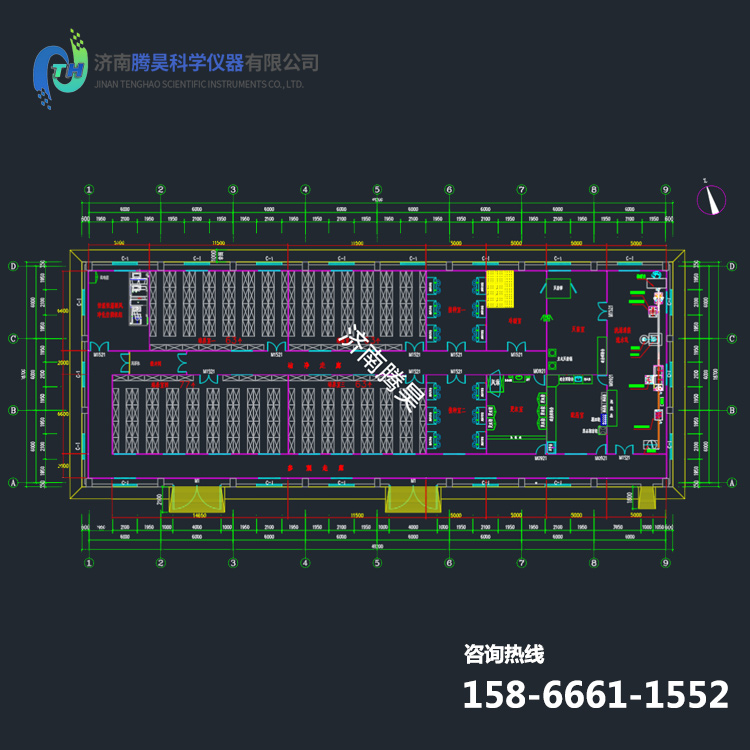
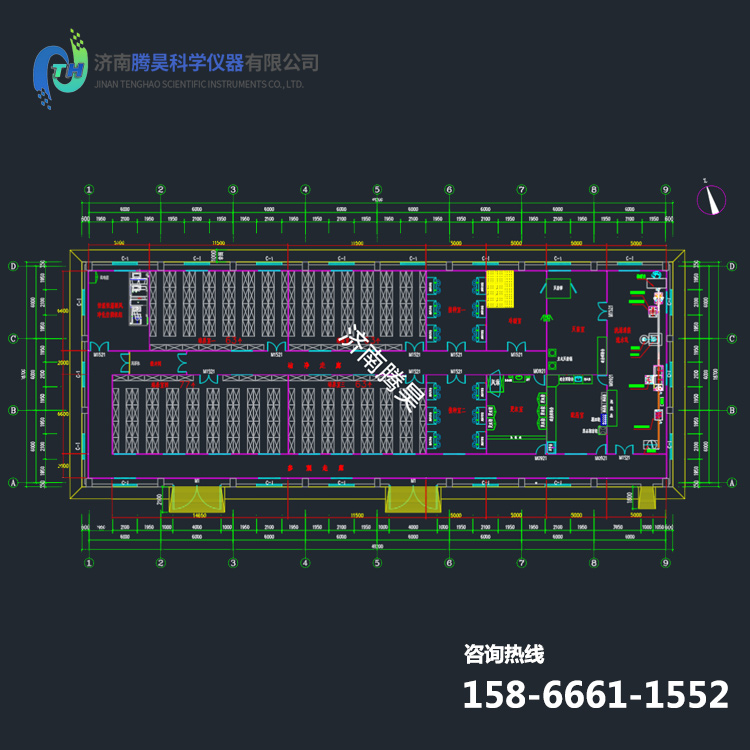
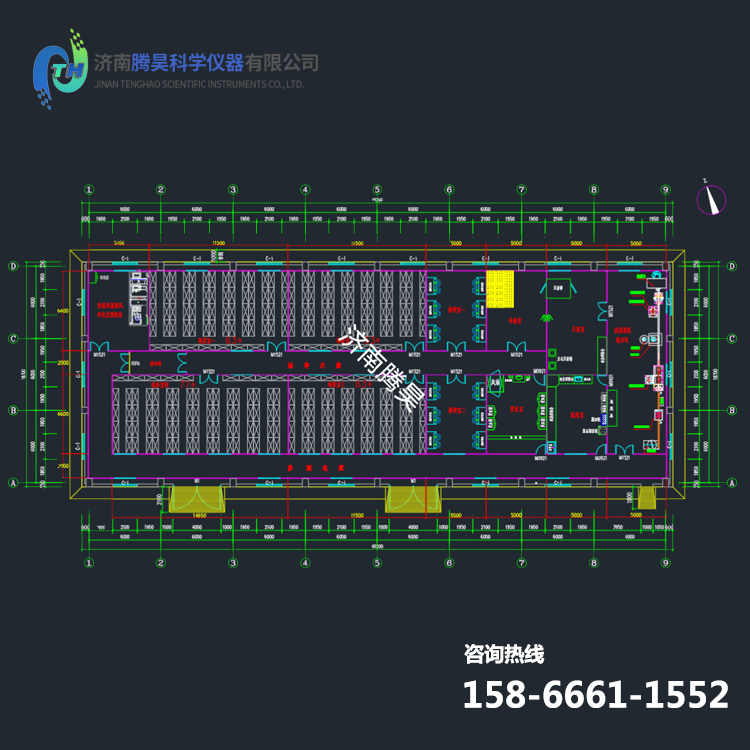
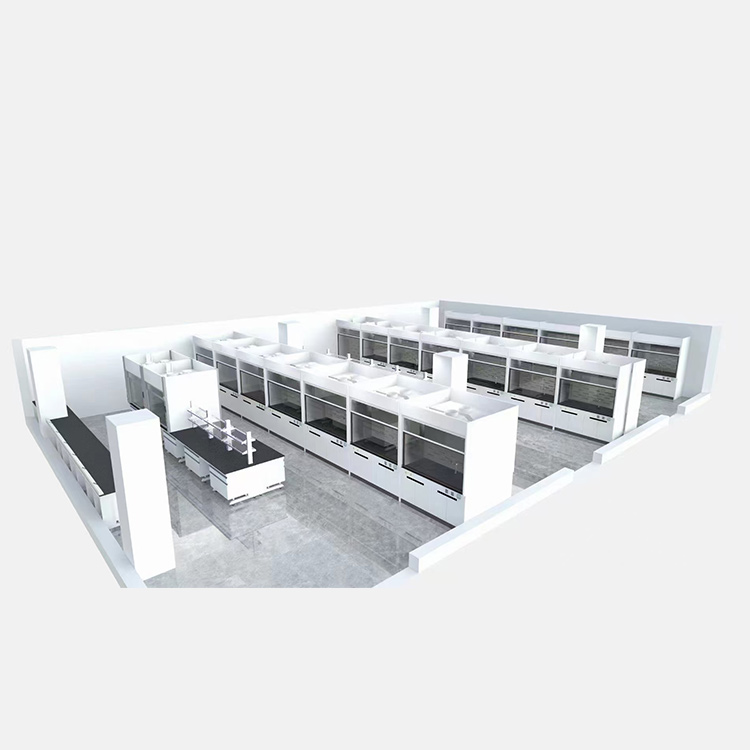
Standard tissue culture rooms include drug areas, washing areas, preparation areas, sterilization areas, storage areas, aseptic operation areas, and culture areas, which can be merged and established according to actual conditions.
Plant Tissue Culture Lab Equipment List
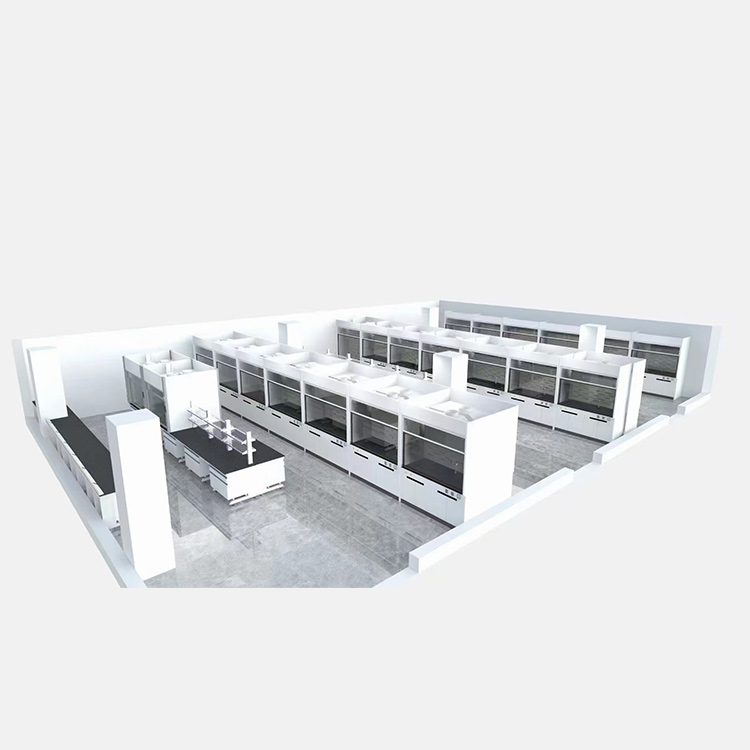
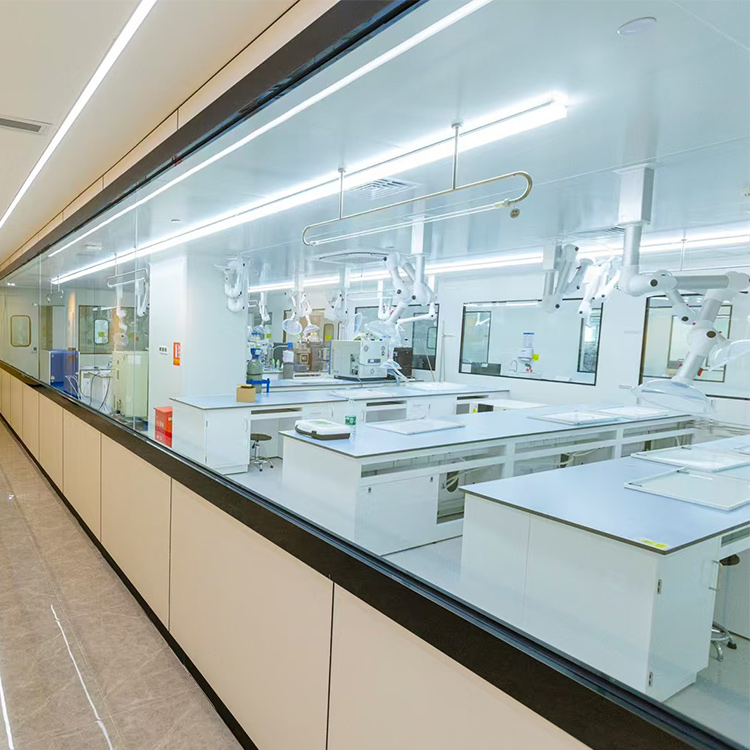
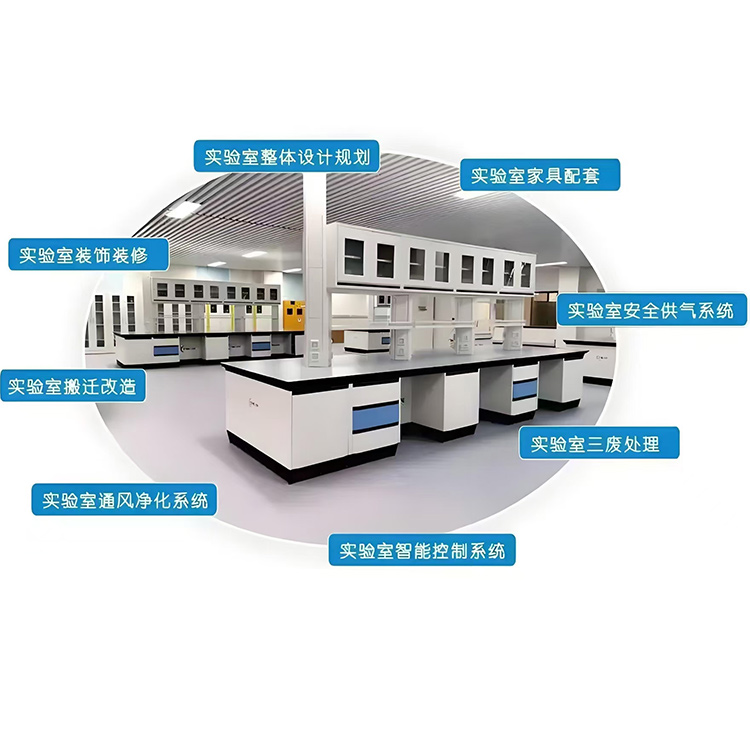
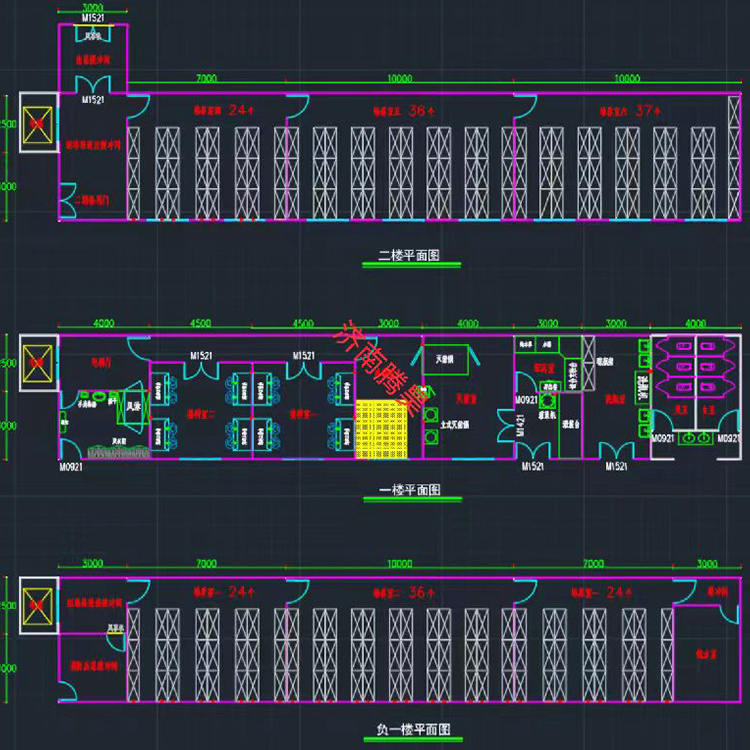
Section 3: Laboratory Planning and Design
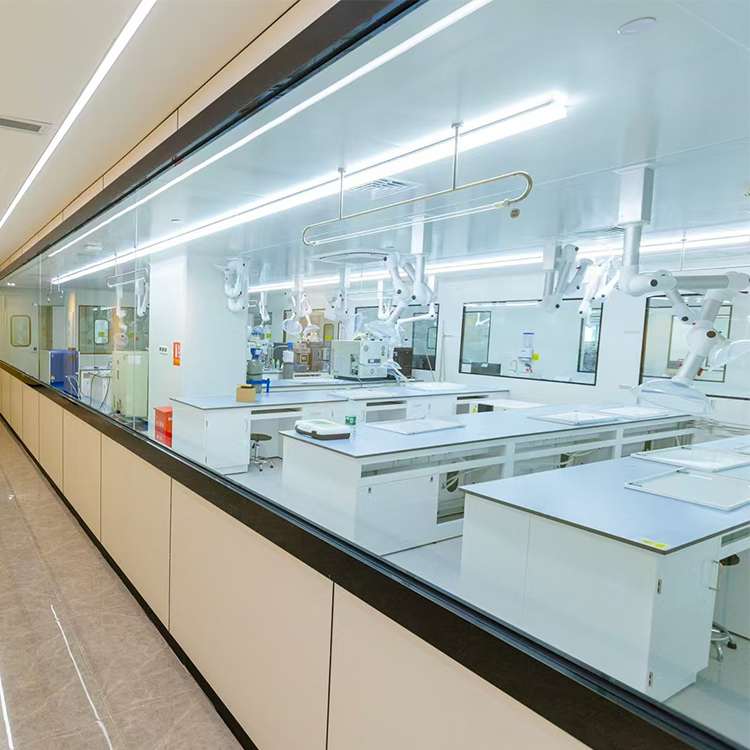
1. Preparation Room
Primary Tasks: Drug inventory, weighing, dissolution, preparation, and media dispensing. Equipment cleaning, drying, storage, and sterilization of media.
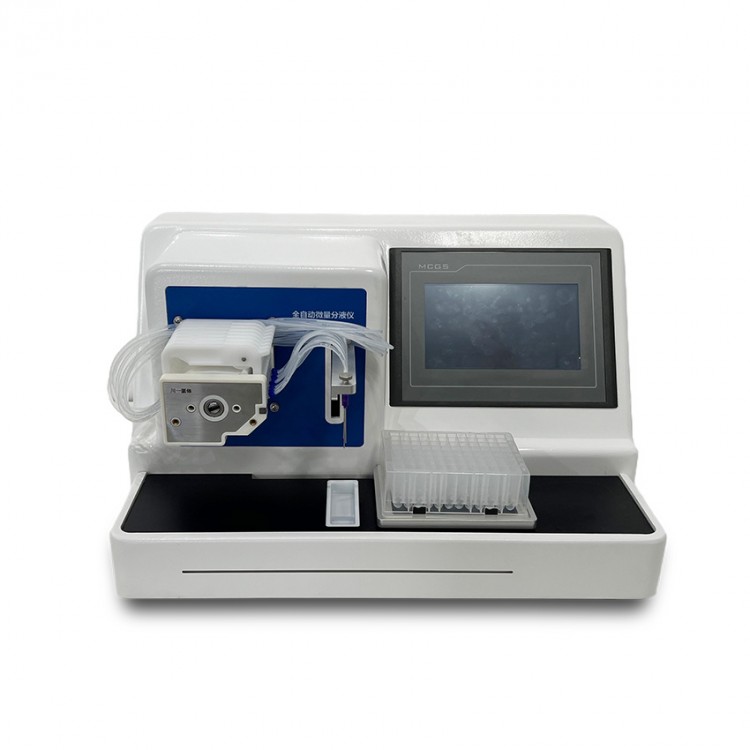
Main Equipment: Medicine cabinets, dust-proof cabinets (for culture vessels), refrigerators, electronic balances, distillers, pH meters, autoclaves, dry sterilizers (such as ovens), commonly used glassware for culture medium preparation, operation tables, etc.
2. Vaccination Room (Sterile Operation Room)
Primary Functions: Mainly used for sterilization, inoculation, transfer of cultures, subculture of tube seedlings, preparation of protoplasts, and all technical procedures requiring aseptic operation.
Main Equipment: UV light source, clean bench, sterilizer, alcohol lamp, inoculation tools (inoculation forceps, scissors, scalpel, inoculation needle), etc.
The inoculation room should be small rather than large, ideally around 7-8 square meters. The ground, ceiling, and walls should be as airtight and smooth as possible for easy cleaning and disinfection. Equipped with a pull door to minimize air disturbances during opening and closing.
The inoculation room should be dry, quiet, clean, and bright. Install 1 to 2 UV sterilization lamps at appropriate positions for sterilization purposes. Set up a small air conditioner to control the room temperature, allowing for closed doors and windows to minimize air exchange with the outside. The inoculation room should have a buffer area of 1 square meter. Change clothes and shoes here before entering the sterile operation room to reduce the introduction of contaminants. A UV sterilization lamp should also be installed in the buffer area for sterilization.
3. Cultivation Room
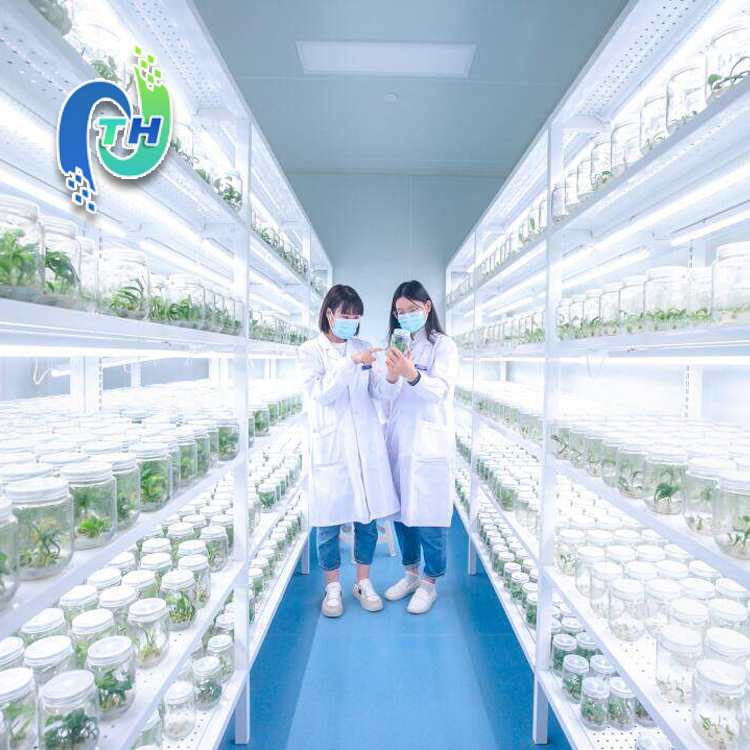
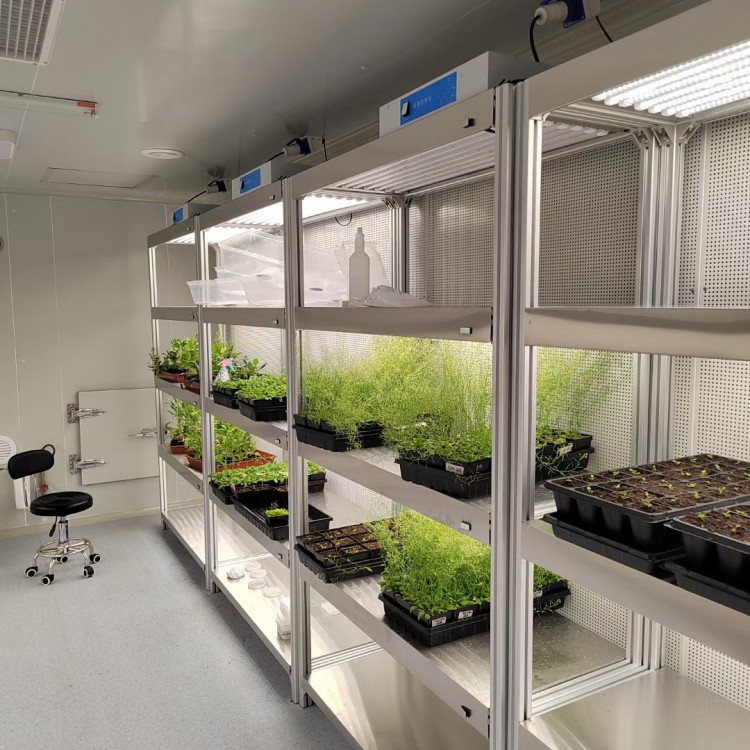
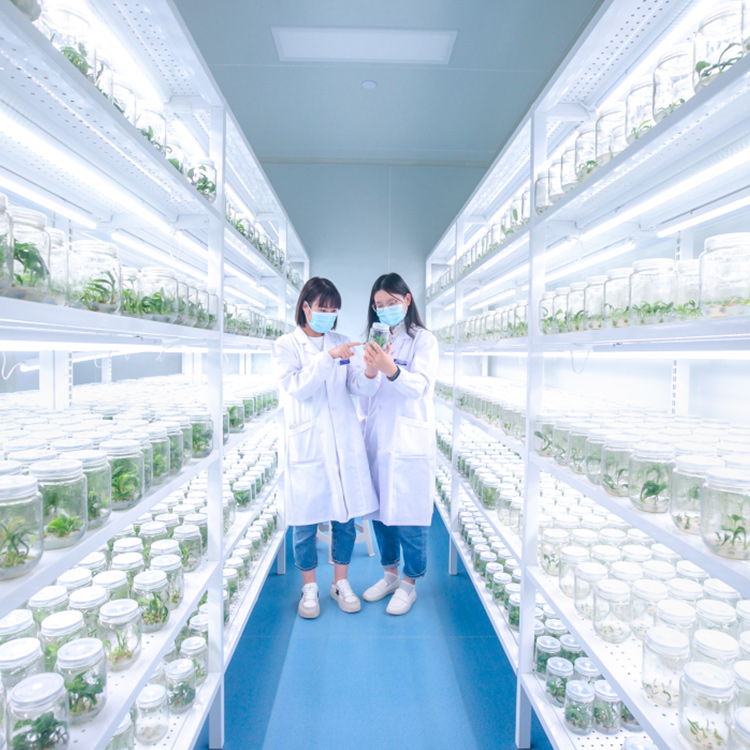
The culture room is where the inoculated materials are cultivated. The area is determined based on the size, number of culture racks, and other auxiliary equipment required. Its design principle is to maximize space utilization and save energy. It is advisable for the height to be slightly higher than the culture racks, and the surrounding walls must have insulation and fireproof properties.
The most critical factor in the cultivation room is temperature, typically maintained at around 20-27°C. It is equipped with a heating device and features either a window or a vertical air conditioning unit.
Rack shelves are typically set up with 5 levels, each level about 10cm above the ground, with the other levels spaced approximately 30cm apart. The total height of the rack is around 1.7 meters. The length is designed based on the length of the fluorescent lights, such as for a 40W light, the length is 1.3 meters, and for a 30W light, it's 1 meter. The width is generally 60cm.
Plant Tissue Culture Laboratory Equipment List
Due to varying temperature requirements for tropical and cold climate plants, different species necessitate separate cultivation rooms. Indoor humidity must be maintained consistently, ideally between 70% to 80% relative humidity, which can be achieved with humidifiers. Install a timer switch for controlling lighting hours; typically, 10-16 hours of daily light is required, while some plants may need continuous illumination.
Modern tissue culture laboratories are generally designed to utilize natural sunlight as the primary energy source, which not only saves energy but also ensures that the tissue culture seedlings grow well under sunlight, making them easy to acclimate and survive. Artificial lighting can be used as a supplement during cloudy or rainy days.
Key Equipment: Incubation racks (with temperature, light, and humidity control), shaker, incubator, UV light source, vertical air conditioner, etc.
4. Cytopathology Laboratory
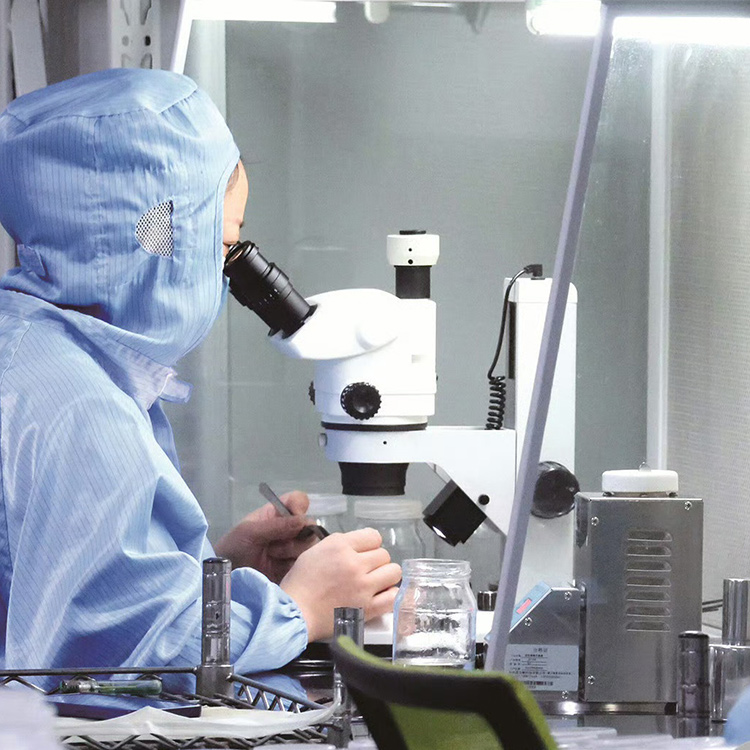
This room is used for the observation and analysis of the culture as well as counting the cultures.
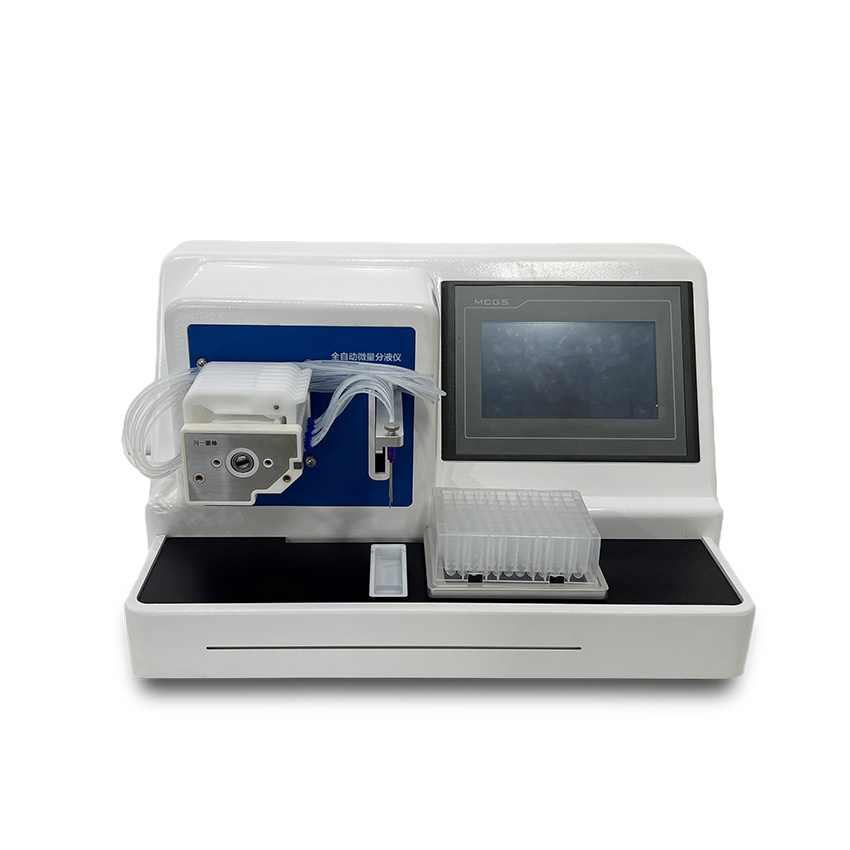
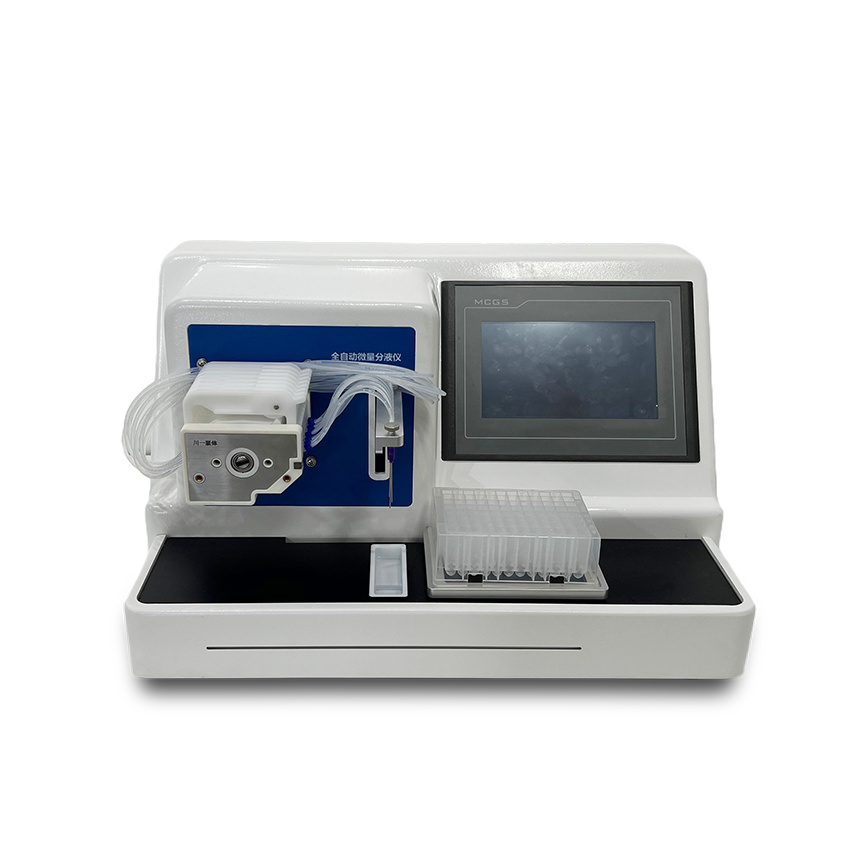
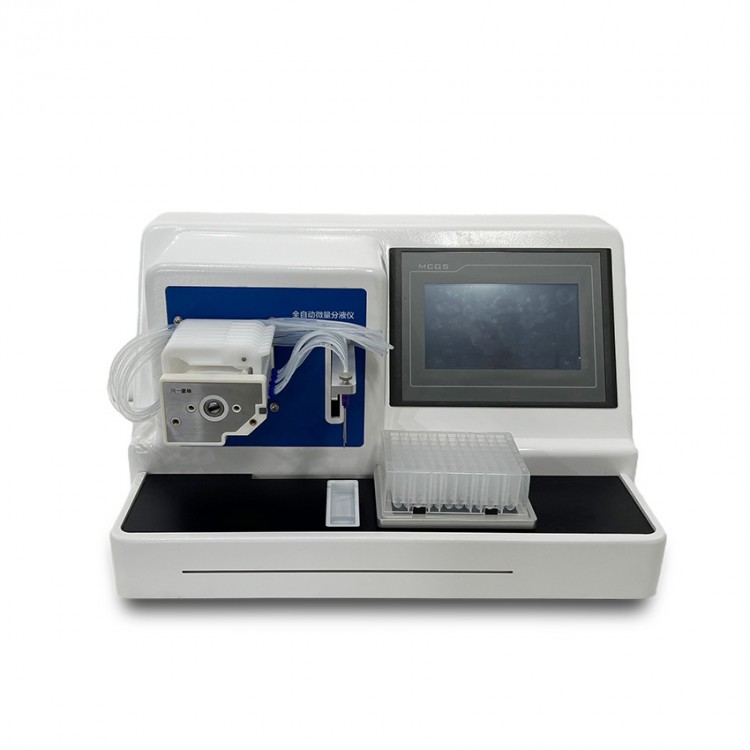
Main Equipment: Binocular stereo microscopes, compound microscopes, inverted microscopes, etc. Small instruments and equipment include dispensers, hemocytometers, pipettes, filter sterilizers, heating apparatus such as electric furnaces, magnetic stirrers, low-speed tabletop centrifuges, etc.
Laboratory Area
Laboratory Tasks
Instrumentation configuration
Preparation Room
1. Inventorying, weighing, dissolving, preparing, and media dispensing for pharmaceuticals.
Washing, drying, storage, and sterilization of equipment, culture media, etc.
Medicine cabinets, dust-proof cabinets (for placing culture containers), refrigerators, electronic balances, distillers, pH meters, autoclaves, dry sterilizers (such as ovens), common glassware for preparing culture media, workbenches, etc.
Vaccination Room
Primarily used for disinfection of plant materials, inoculation, transfer of cultures, subculture of tube seedlings, preparation of protoplasts, and all technical procedures requiring sterile operations.
Ultraviolet light sources, clean benches, sterilizers, alcohol lamps, and inoculation tools (inoculation forceps, scissors, scalpels, inoculation needles) etc.
Growth chamber
The culture room is where the inoculated materials are cultivated.
Culture racks (temperature, light, humidity control), shakers, incubators, UV light sources, vertical air conditioners, etc.
Cytochemistry Laboratory
The room is used for the observation and analysis of the culture, as well as for counting the cultures.
Binocular Compound Microscopes, Microscopes, Inverted Microscopes, etc. Small instruments and equipment include dispensers, hemocytometers, pipettes, filter sterilizers, heating apparatus such as electric furnaces, magnetic stirrers, low-speed desktop centrifuges, etc.