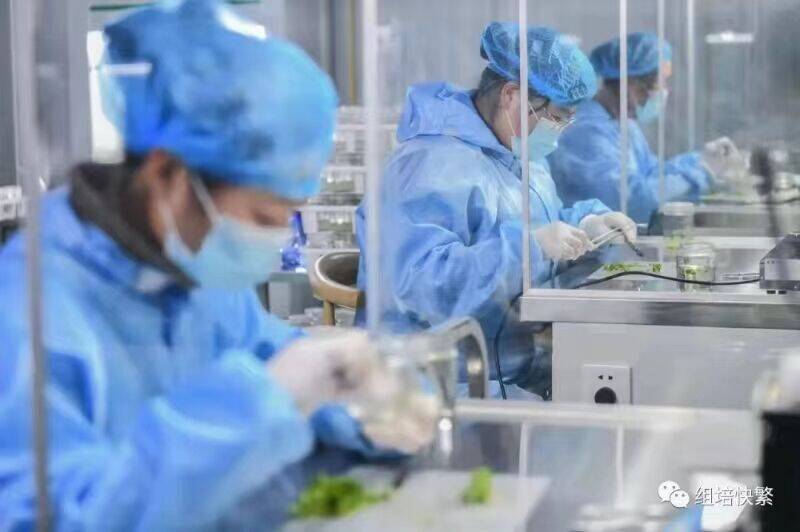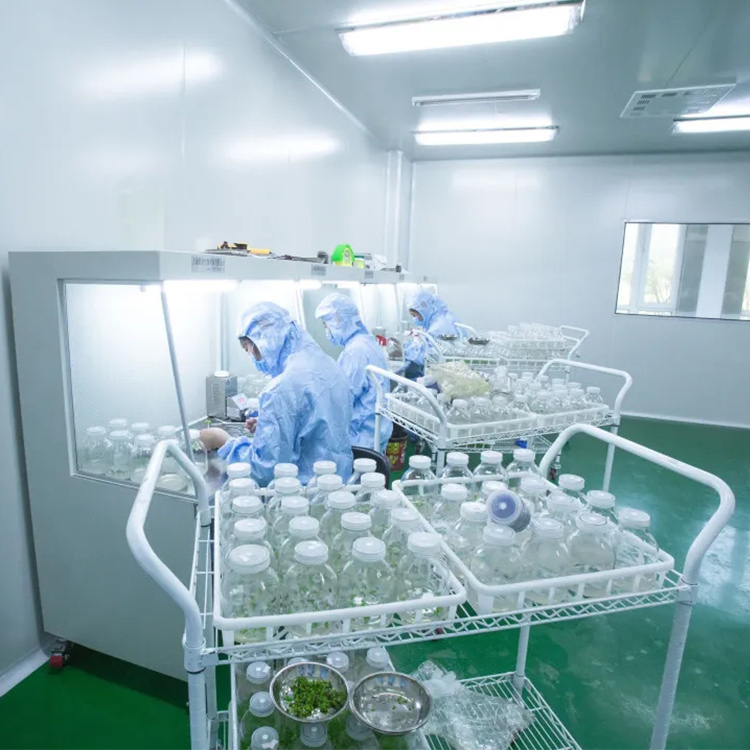










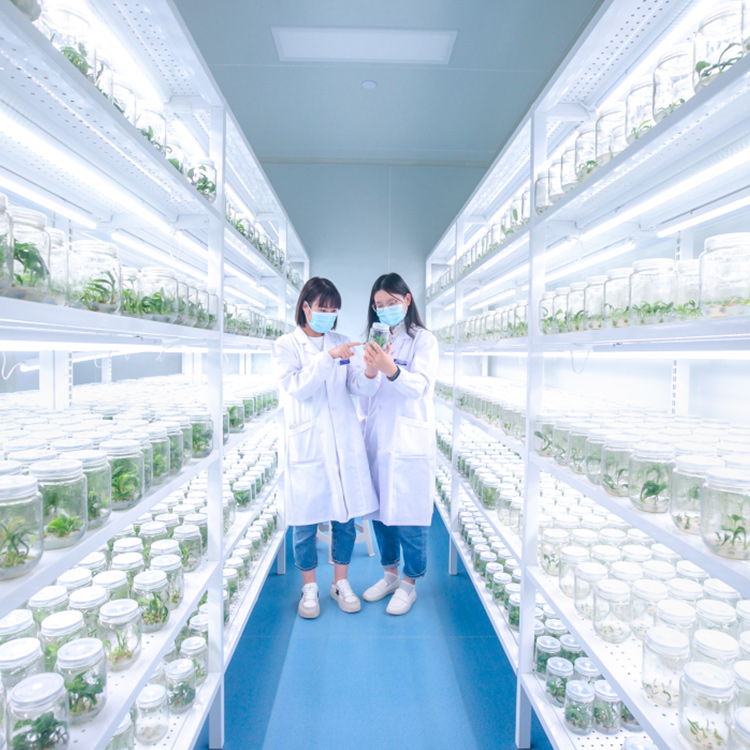
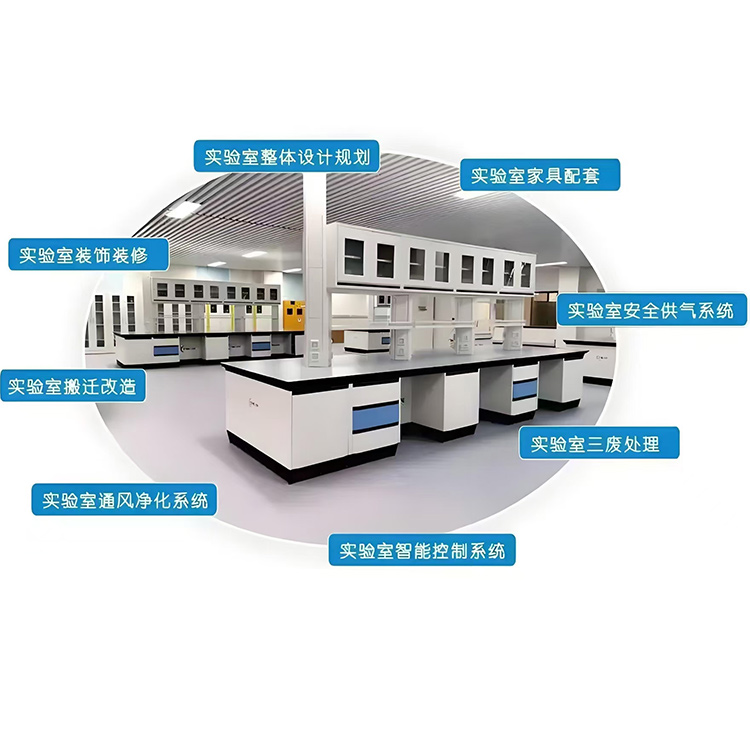
The setup of a tissue culture room is a complex process involving multiple stages, primarily including the following steps:
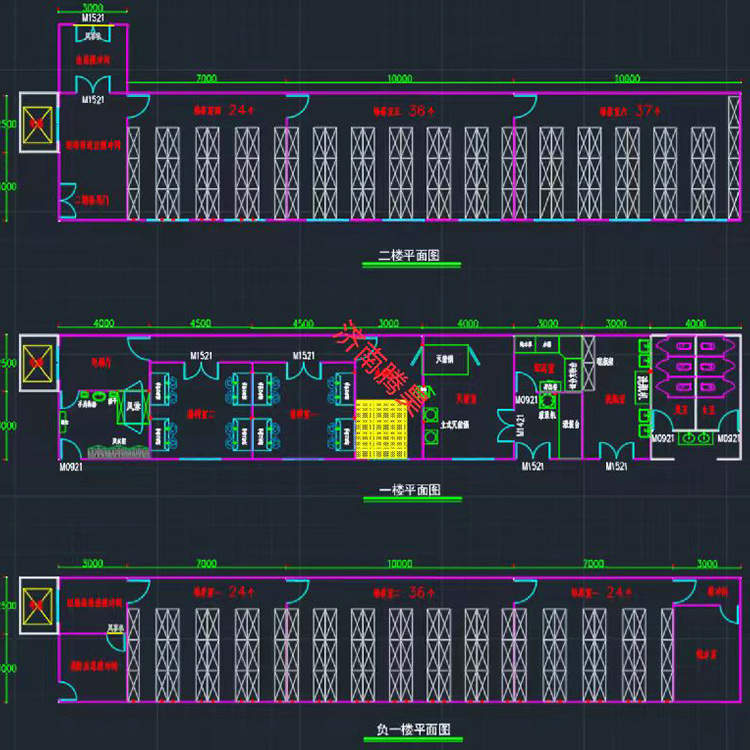
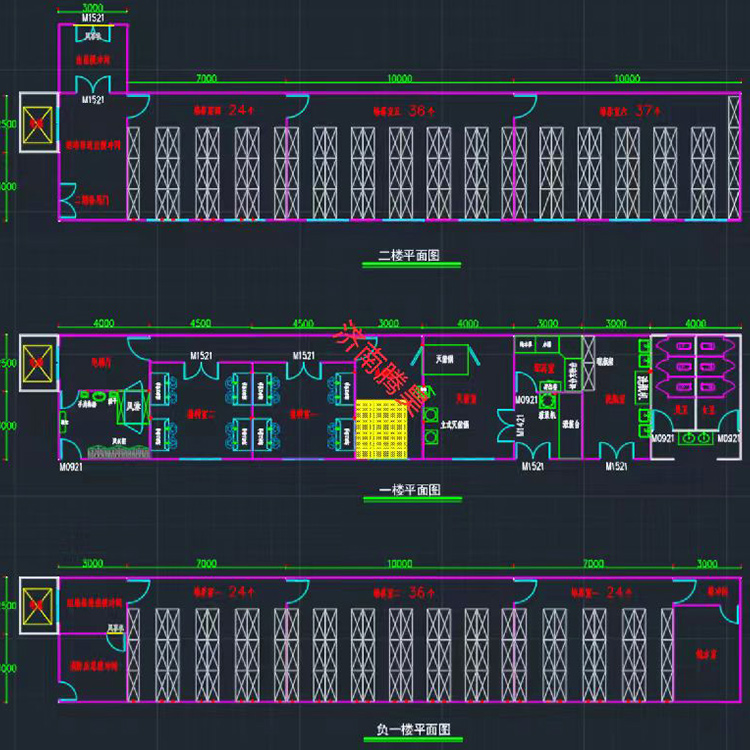
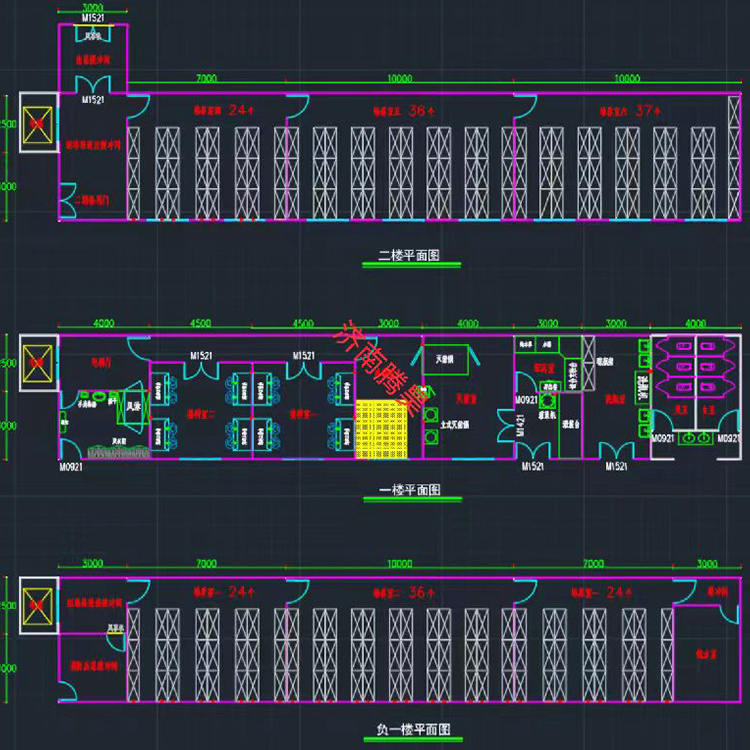
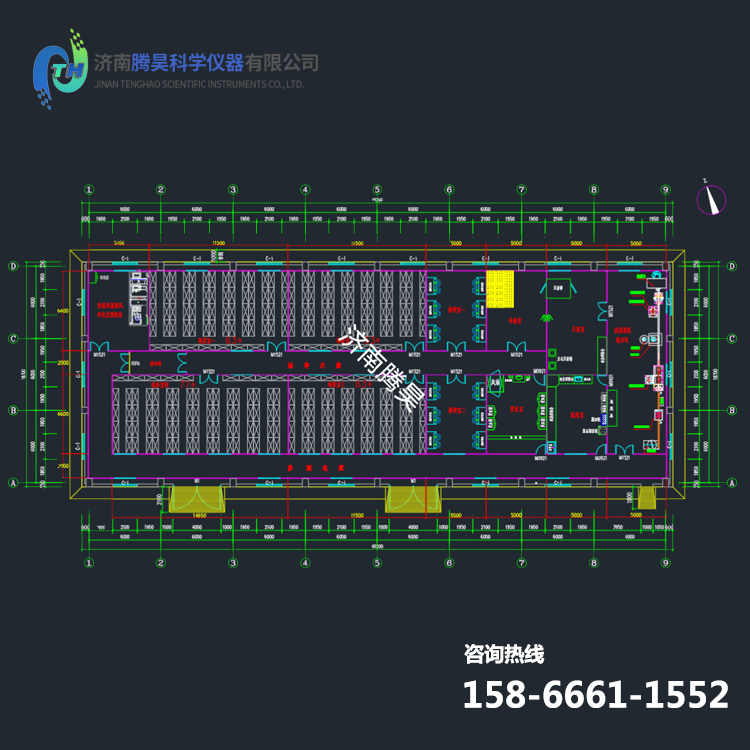
Location and Layout PlanningFirstly, select a location for the tissue culture room in an area that is clean, easily accessible, and safe, avoiding regions prone to pollution or frequent natural disasters. Next, based on the functional requirements and construction goals of the laboratory, conduct a scientifically reasonable layout plan. Consider the laboratory's ventilation, lighting, fire protection, and safety needs, while also ensuring the efficiency and comfort of the lab staff.
Design Laboratory StructureThe laboratory structural design should adhere to principles of safety, practicality, and aesthetics. The design must meet the requirements for load-bearing, seismic resistance, fire prevention, and fully consider the layout and installation of ventilation, waste disposal, and lighting facilities within the laboratory.
Decor and Material SelectionThe laboratory floor and walls should be constructed with materials that are corrosion-resistant, waterproof, and easy to clean, such as anti-slip tiles. The doors and windows should be equipped with good sealing and soundproof glass as well as doors. The lighting design should be soft and even to avoid eye strain and visual errors.
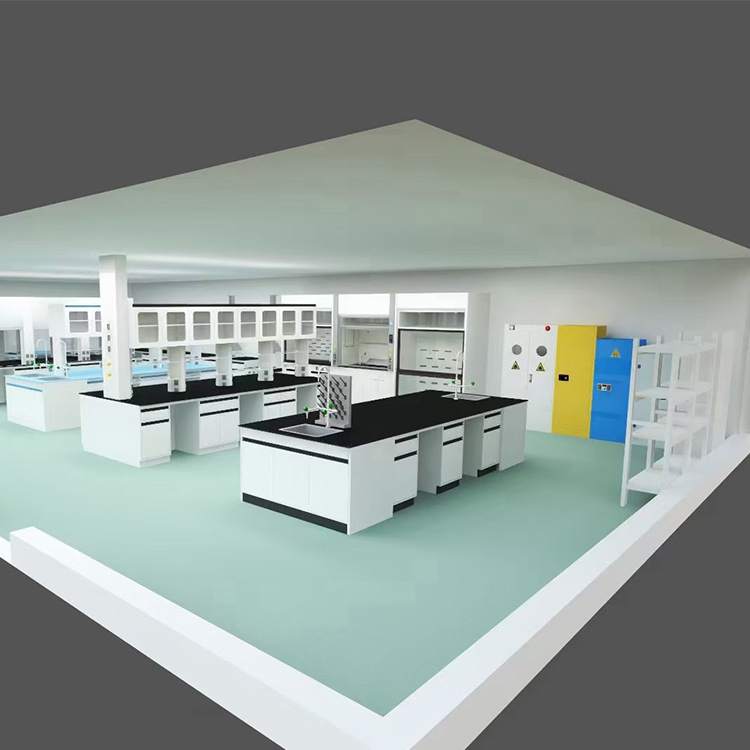
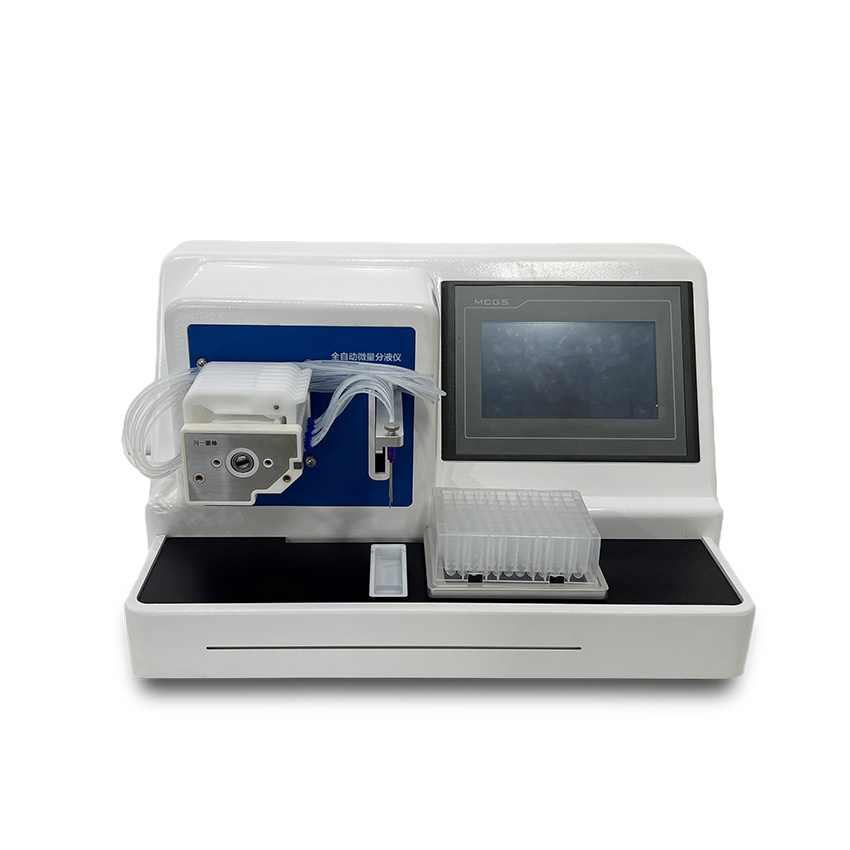
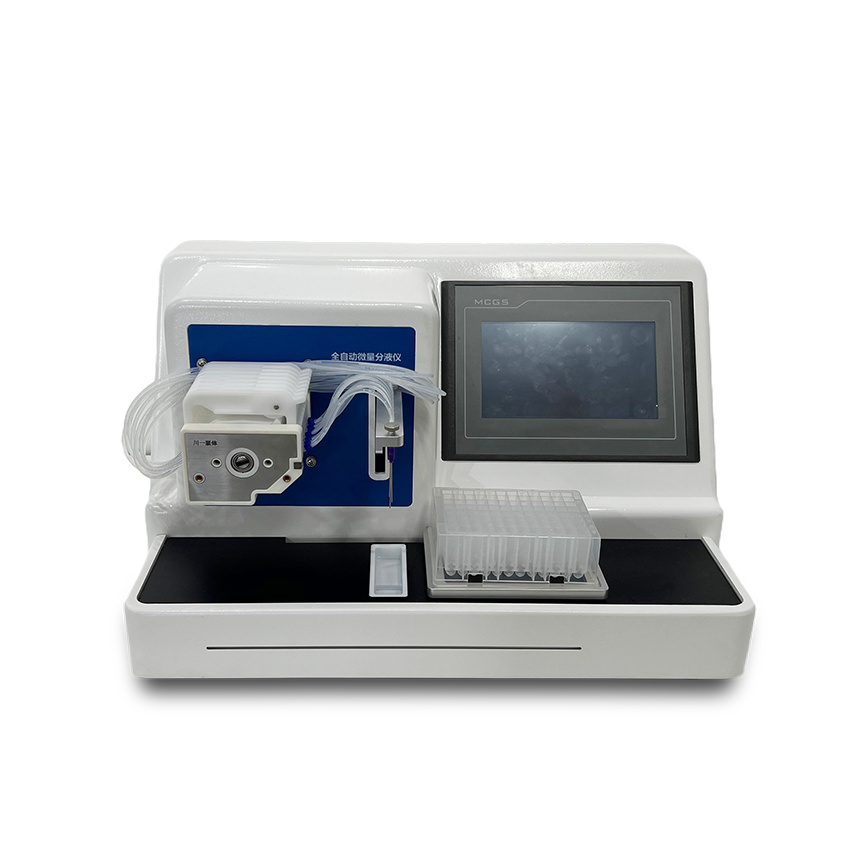
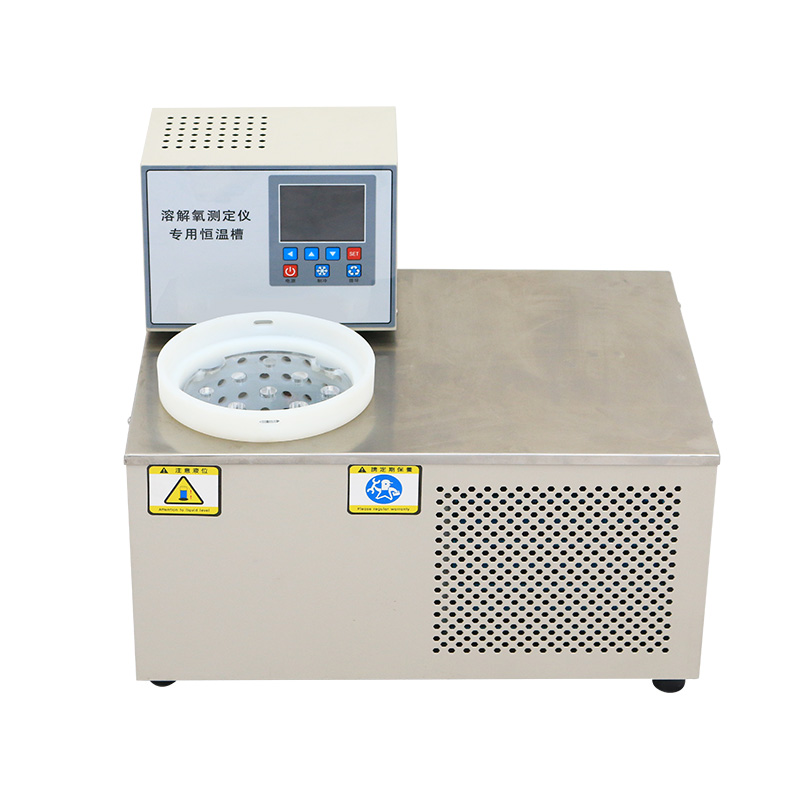
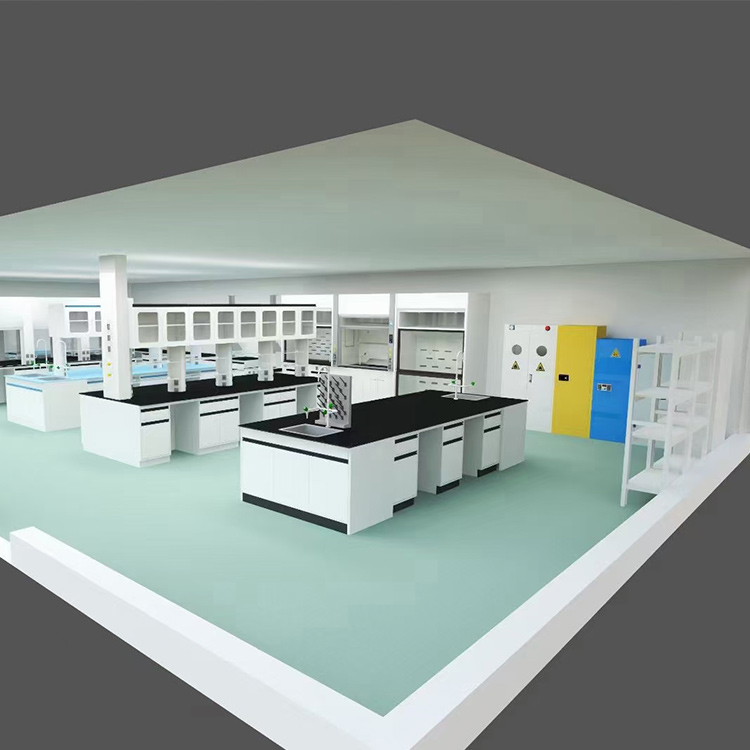
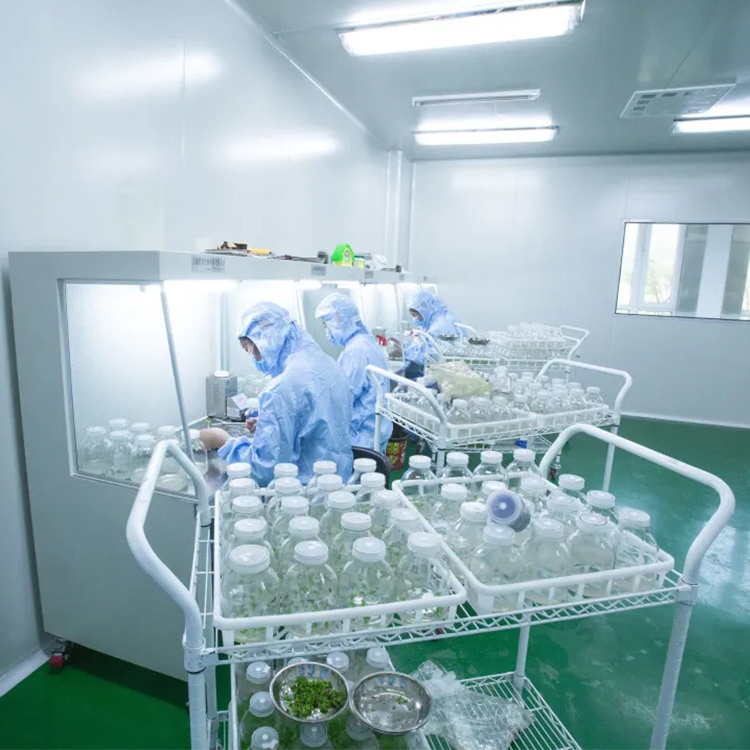
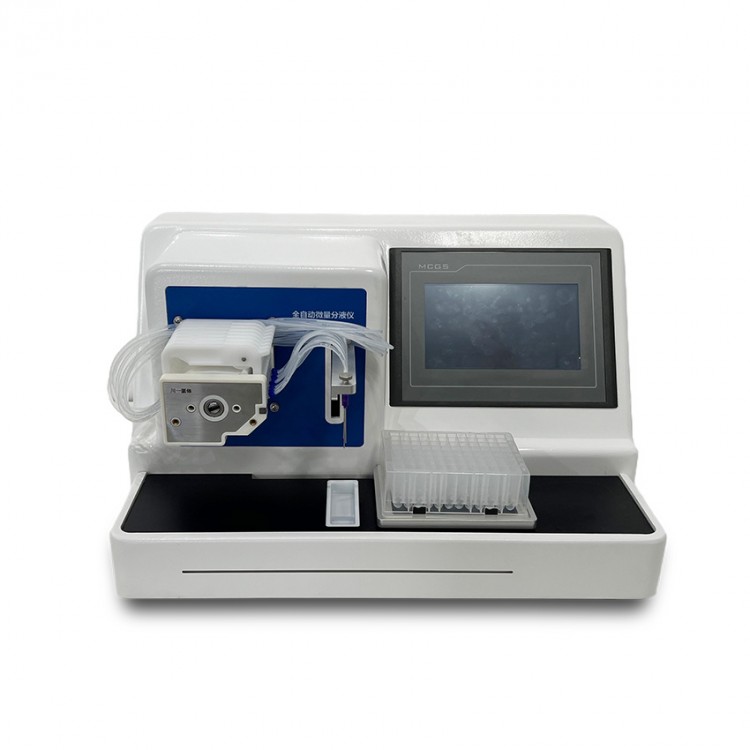
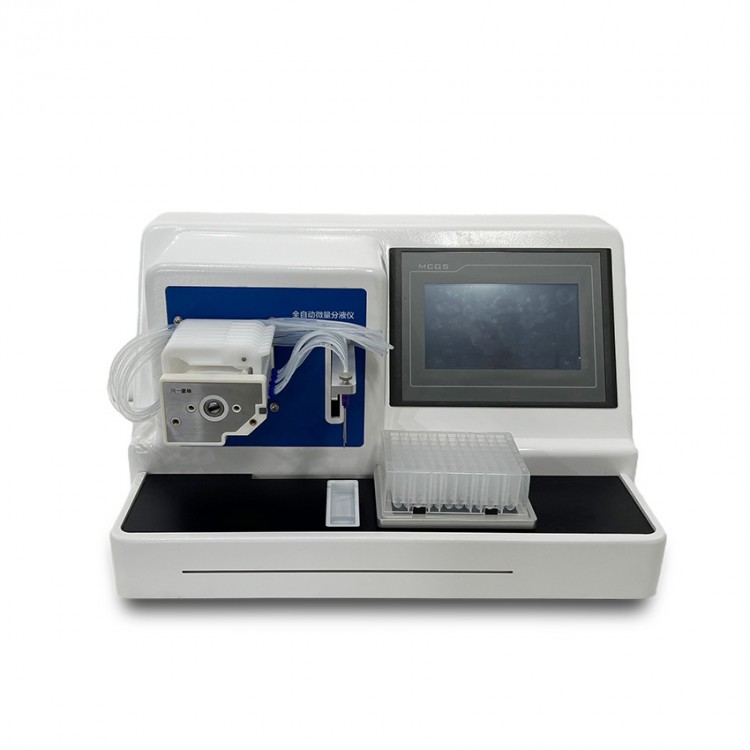
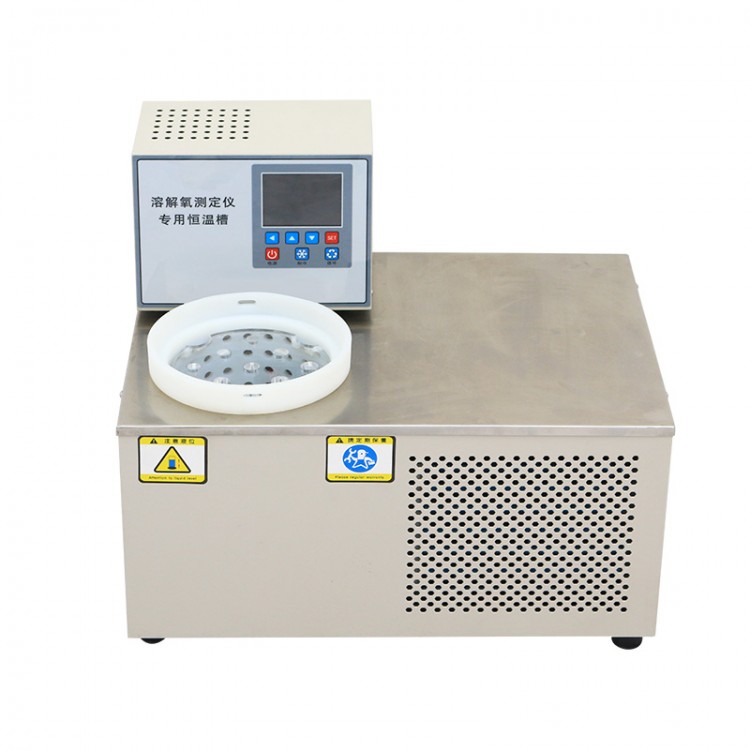
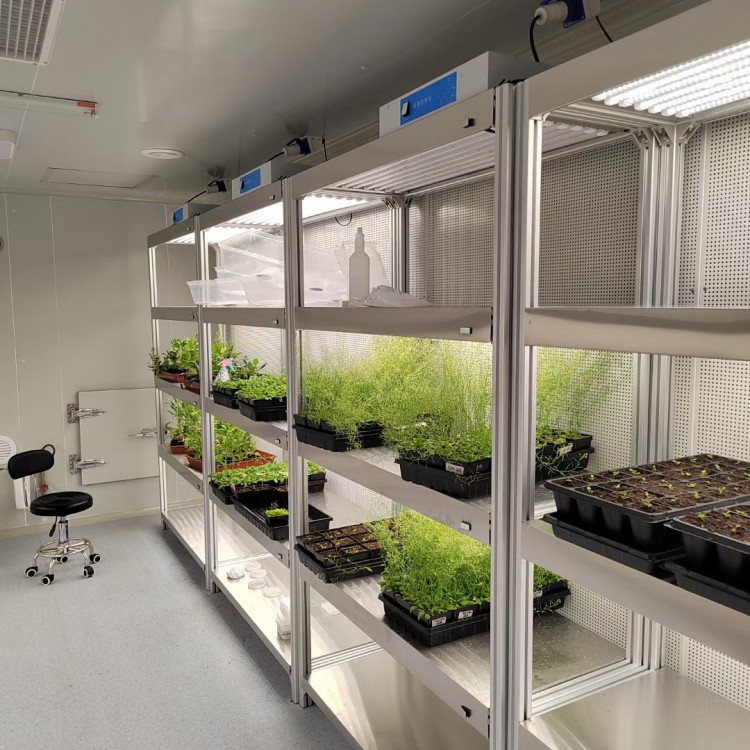
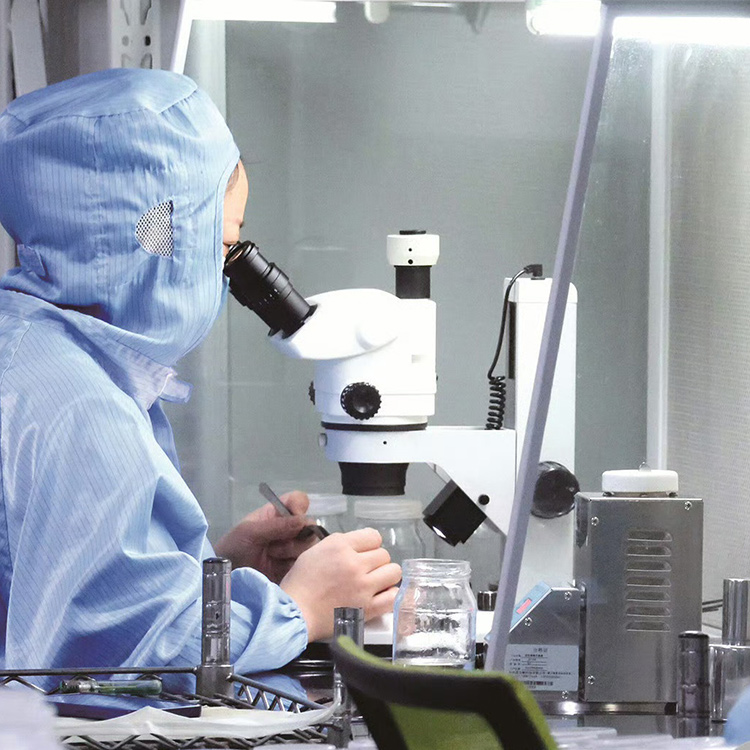
Equipment ConfigurationBased on the laboratory's research direction and functional requirements, select appropriate tissue culture equipment such as culture chambers, microscopes, centrifuges, clean benches, and reverse osmosis water systems. The experimental area should be equipped with sufficient lab benches and other necessary equipment. Additionally, the preparation area, buffer zone, cleaning area, storage area, and office area should also be fitted with corresponding equipment and facilities.
Installation and CommissioningAfter completing the equipment configuration, proceed with installation and debugging to ensure all equipment operates smoothly.
Establish safety regulationsThe laboratory should be equipped with safety facilities in compliance with national standards and regulations, including fire extinguishers, safety valves, ventilation systems, etc., and establish comprehensive safety protocols, including laboratory safety management systems, safety operation guidelines for lab personnel, and emergency response plans.
Note that the setup of the tissue culture room may vary due to actual needs and conditions, so adjustments and optimizations may be necessary based on specific circumstances. Additionally, ensure compliance with relevant building, safety, and environmental standards throughout the construction process to guarantee the safety, efficiency, and sustainable development of the tissue culture room.