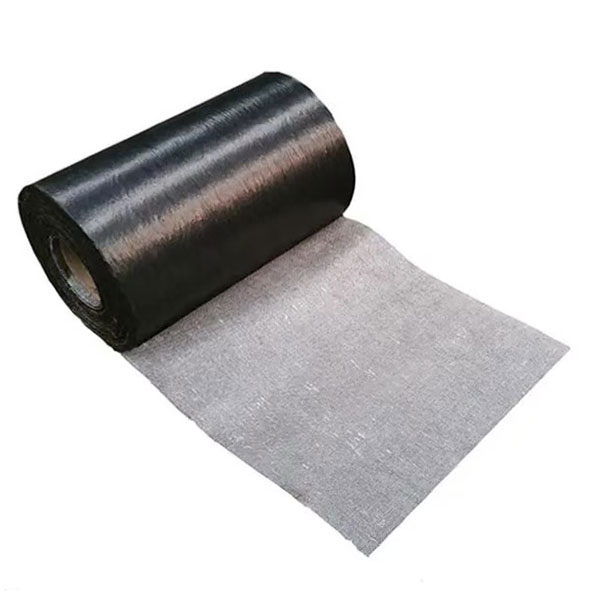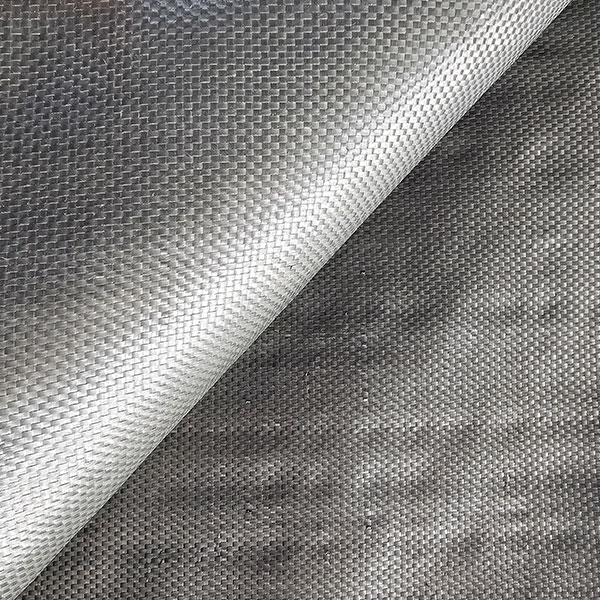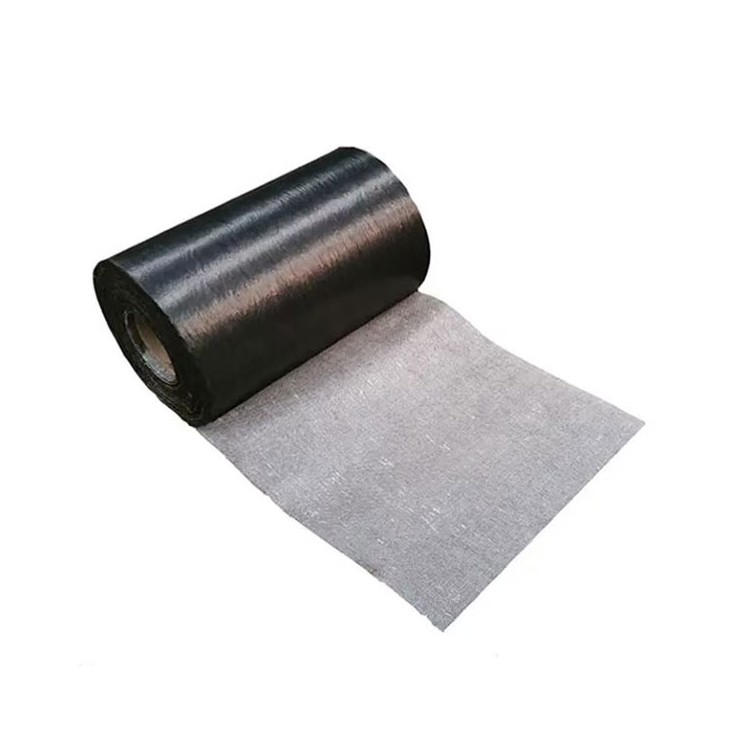

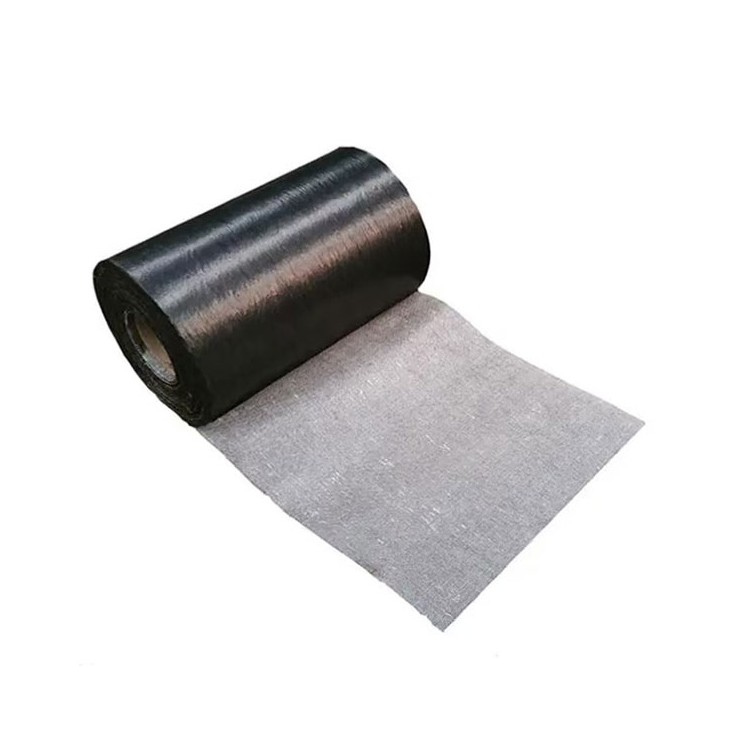
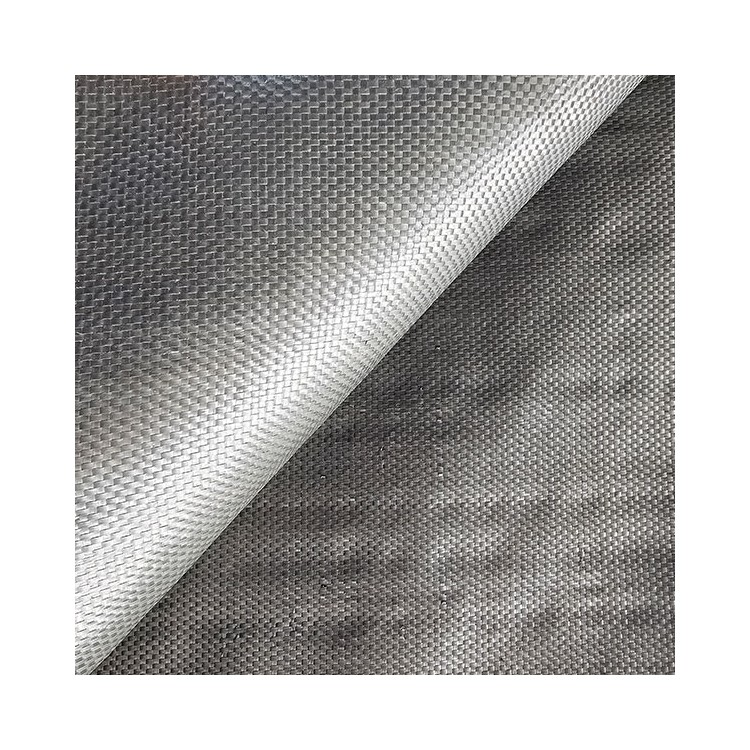
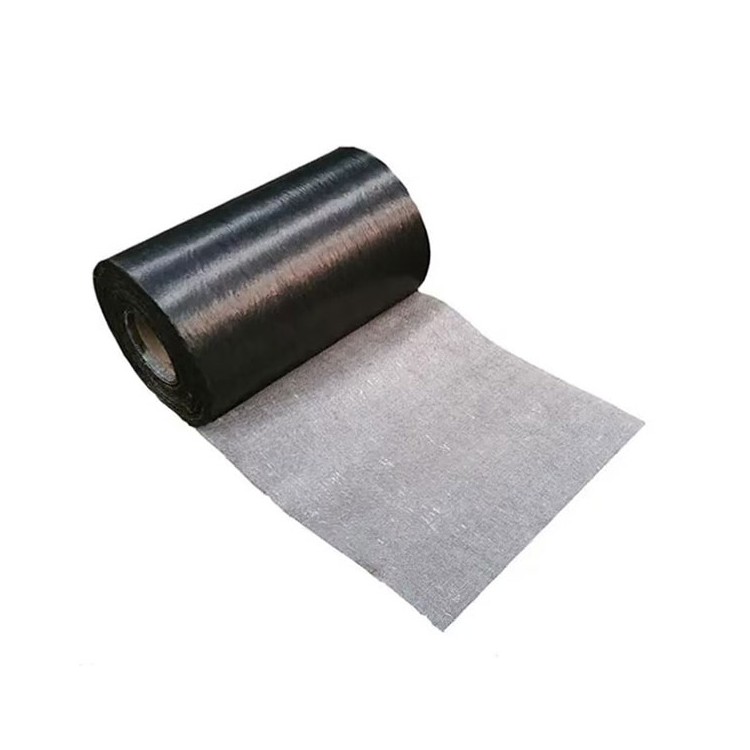







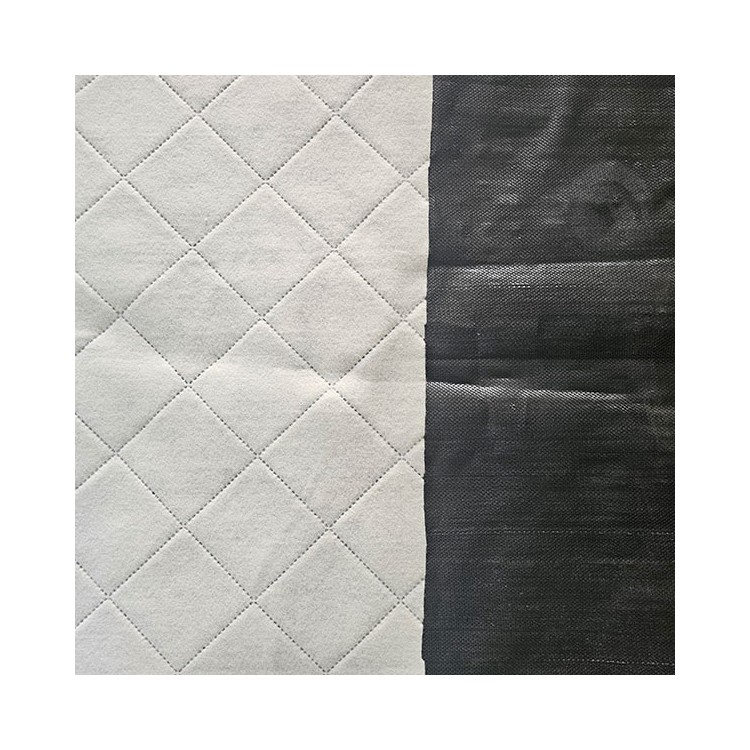
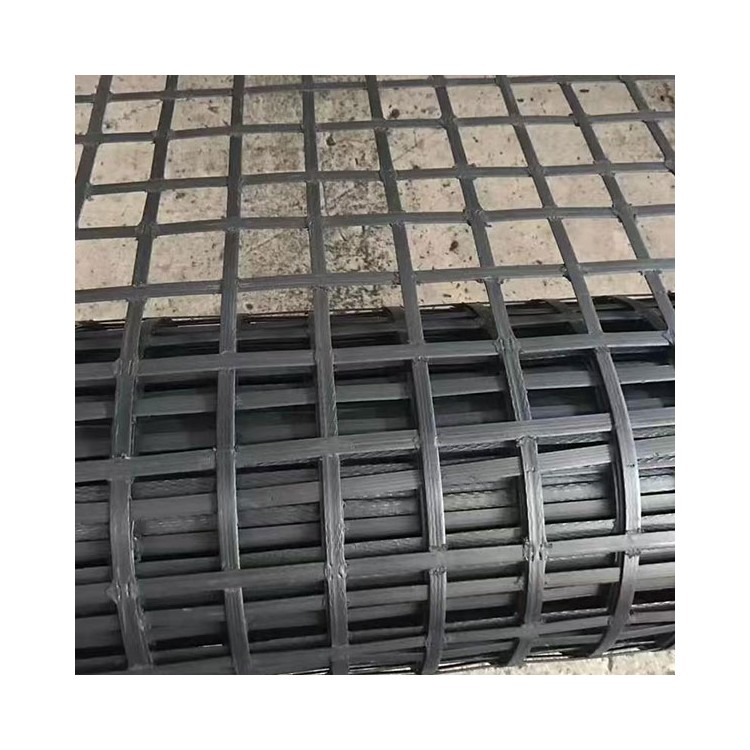
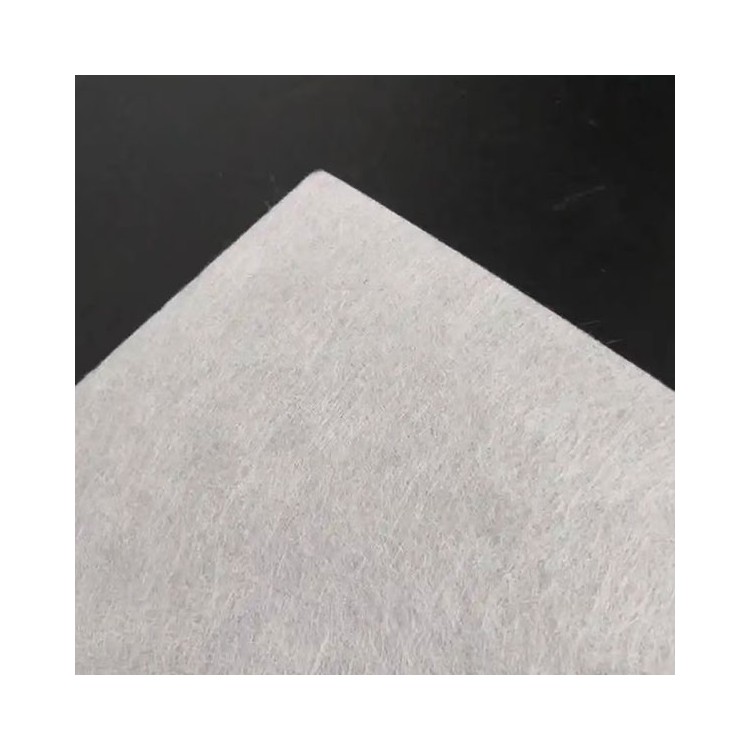
Crack prevention tape is primarily used in the construction and maintenance of new roadbeds for highways, general roads, and urban streets. It boasts high tensile strength, excellent flexibility, and surface adhesion, making it suitable for roadbeds to prevent cracking on the surface layer due to temperature changes and vertical loads. The tape features a rational multilayer structure. During the laying of hot asphalt mixtures, the top layer's high-strength, heat-resistant fabric does not deform at high temperatures, ensuring the formation of a locally high-strength asphalt mixture layer; the upper coating polymer melts and seeps out through the fabric's gaps, bonding well with the asphalt mixture; the lower coating contains sufficient polymer to fill in the base surface's depressions after melting, enhancing the bonding strength with the base surface. The stability of the lower coating and the base ensures the formation of a relatively uniform composite layer, meeting the anti-cracking and waterproofing requirements.
Reinforcing Effect: The high-strength, heat-resistant fabric on the surface of the crack-bridging tape possesses considerable tensile strength, effectively resisting tensile stresses at interlayer cracks, limiting the expansion of crack width, and thus acts as a reinforcing agent, enhancing the tensile strength of the local structural layer of the asphalt pavement.
Energy dissipation buffer effect: The polymer in the crack-bridging tape is a material with certain viscoelasticity and excellent low-temperature flexibility. Laid between layers of asphalt pavement, it functions as a composite layer with good viscoelasticity even at low temperatures. The tensile stress at the crack is extended and gradually attenuates to a wider range through this good viscoelastic composite layer, thus absorbing tensile energy.
Waterproof and anti-seepage effect: The crack-bridging tape is laid on the surface of the interlayer cracks, forming a complete waterproof and anti-seepage layer, which can block the infiltration path of rain and snowwater, thereby reducing water damage to the road surface.
Self-adhesive Performance: The product features self-adhesiveness, making the installation process very convenient. After peeling off the protective film, it can be directly bonded to the crack area. Once firmly pressed using a small compaction device, the bond with the road surface becomes even stronger, with no movement, and meets the requirements for laying asphalt mixture on the upper layer.
Apply crack membrane to asphalt concrete surfaces with cracks or spalling to reduce and isolate the thermal shrinkage stresses on the road surface, thereby decreasing the tendency for crack reflections through the surface layer. Laying it separates the subgrade from the upper wearing course, thereby protecting the upper layer from multi-directional displacements and shear stresses. Suitable for roads, bridges, and airports.