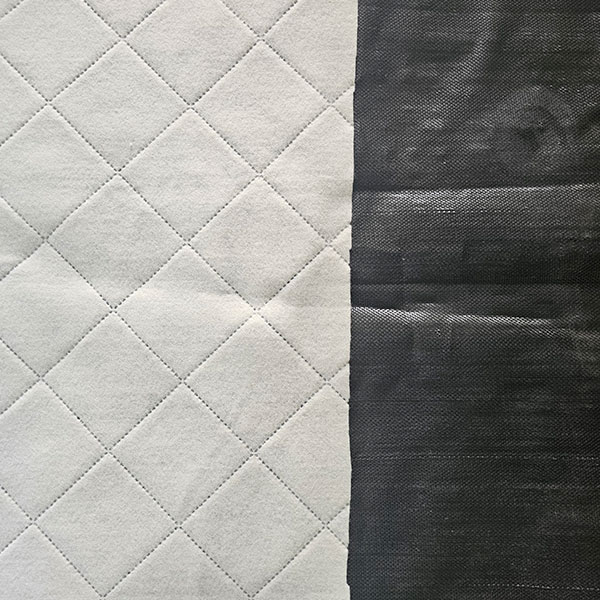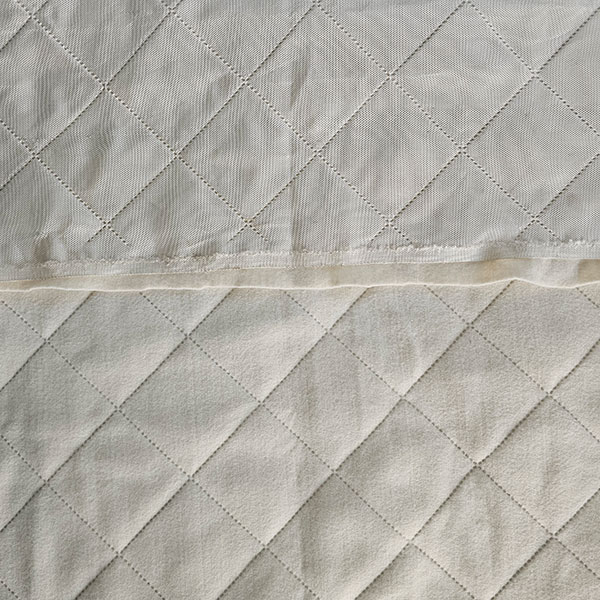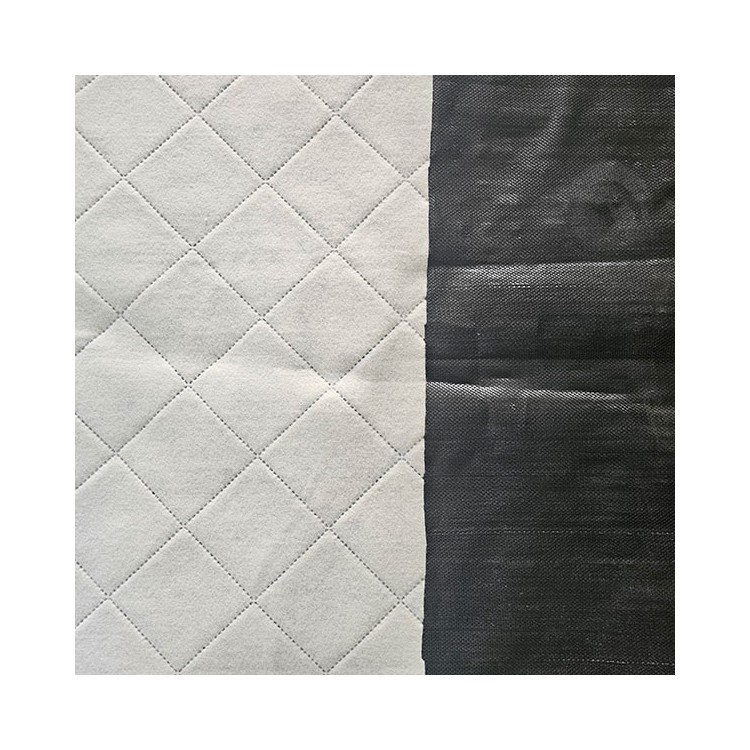

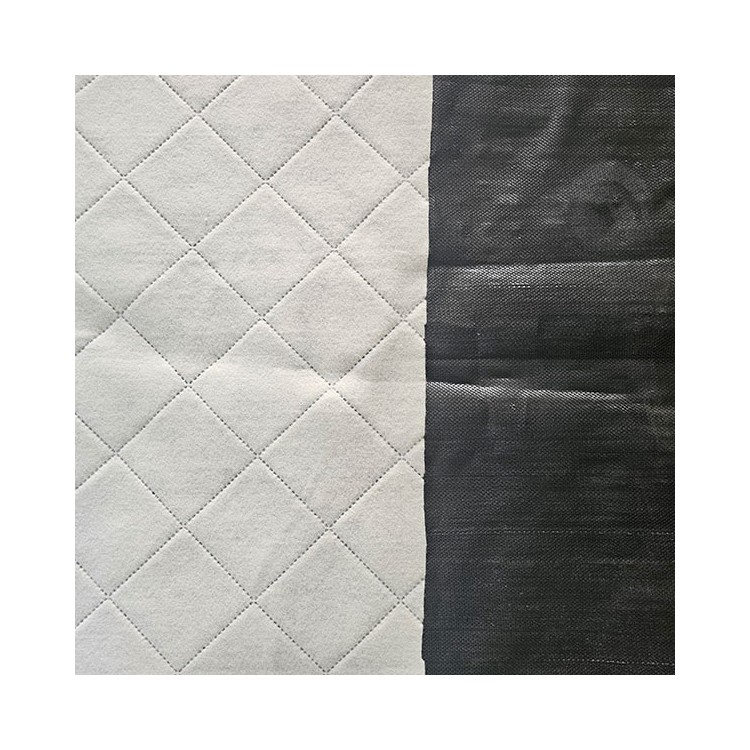
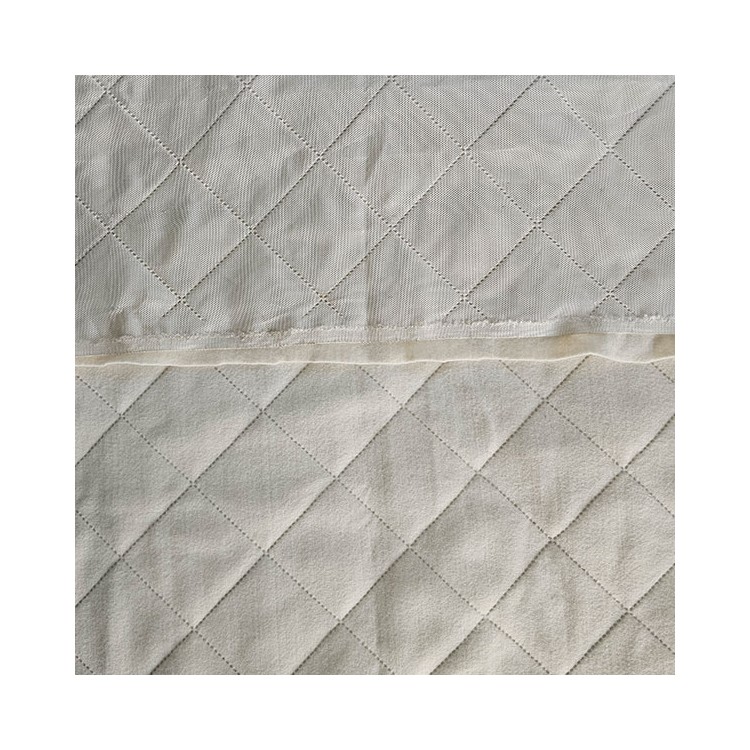
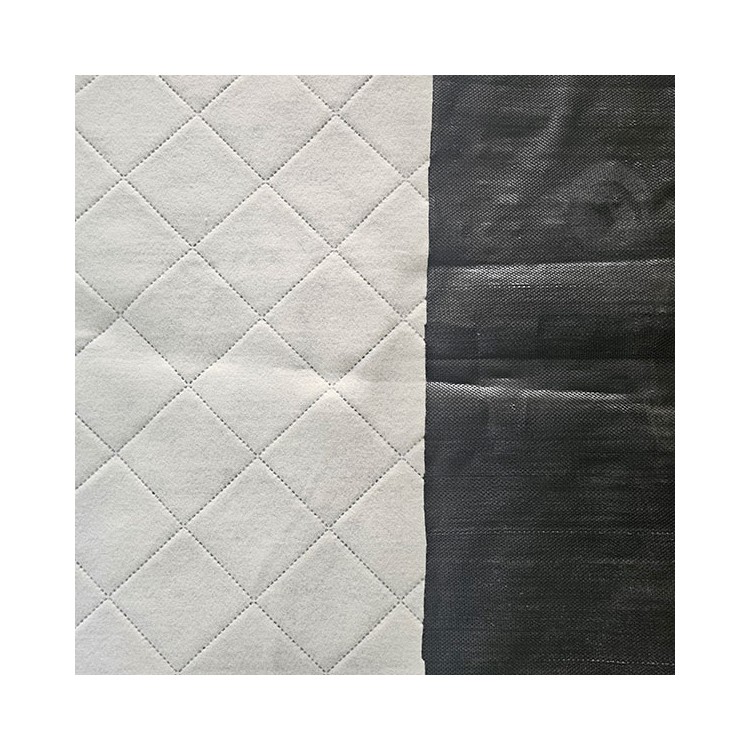







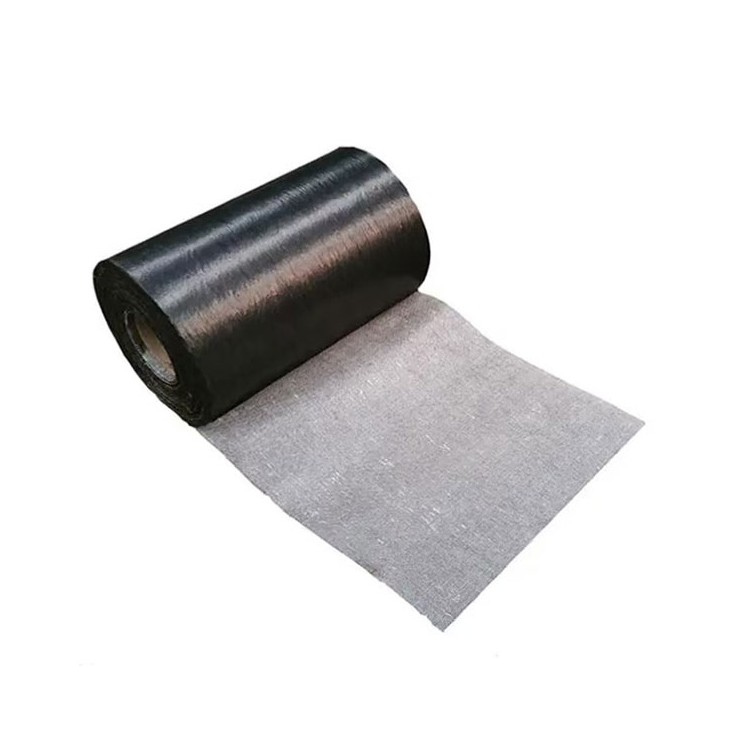
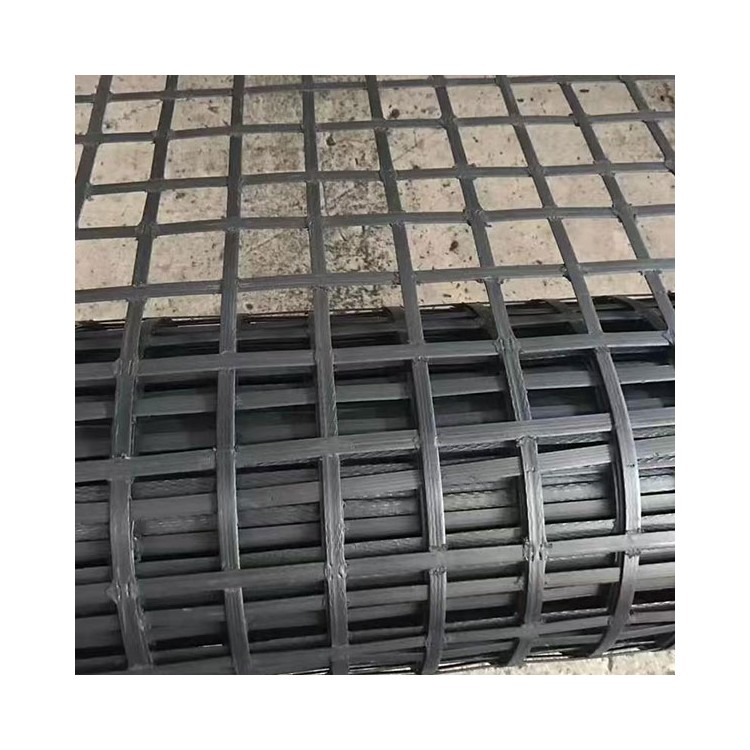
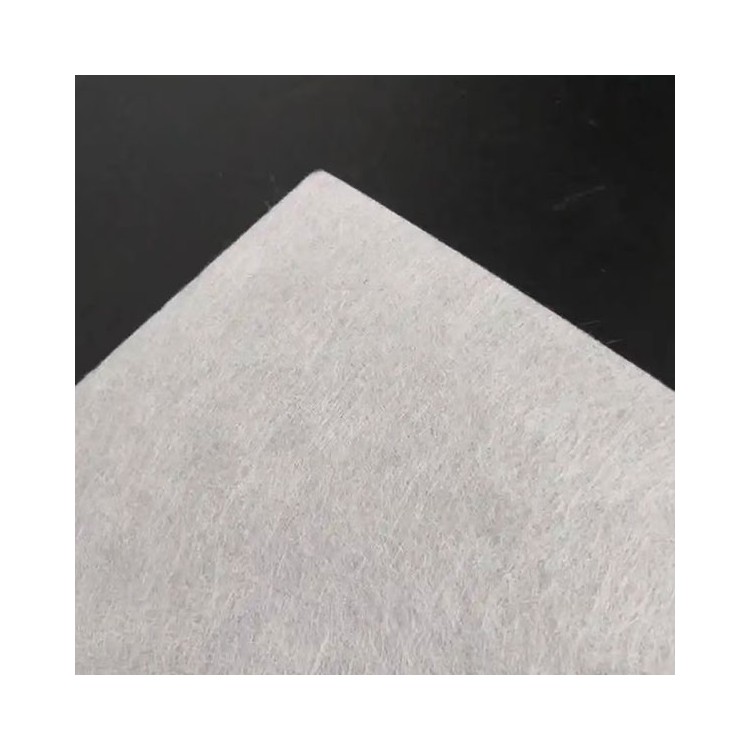
Composite geotextile is a new type of geosynthetic material made by bonding long-fiber woven geotextile with short-fiber needle-punched nonwoven fabric.
Product Features: Composite geotextile differs from ordinary woven fabric. Its major characteristic is that the intersections of the warp and weft threads do not bend, maintaining a straight state. By binding them securely with tie wires, it can uniformly and simultaneously withstand external forces, distribute stress, and when the material is torn instantaneously under applied force, the yarns will gather along the initial crack, enhancing the tear resistance.
Process: In the composite process, we use warp-bound reinforcing yarns to repeatedly weave through the fiber layers between warp, weft, and needle-punched geotextile, thereby intertwining them into a single unit. Consequently, the warp-knitted composite geotextile boasts high tensile strength and low elongation while also retaining the performance of needle-punched nonwoven fabrics. Therefore, the warp-knitted composite geotextile is suitable for reinforcement and enhancement, isolation and protection, with good water accumulation properties both in the three-dimensional normal and horizontal directions. Due to its solid matrix and pores forming a continuous phase, it exhibits a multifunctional filtering effect and is a versatile geosynthetic composite material.
Composite geotextile features high tensile strength, low elongation, uniform longitudinal and transverse deformation, high tear resistance, excellent wear resistance, high permeability, and strong anti-backflow properties.
Primary Functions: The main functions of the warp-knitted composite geotextile include reinforcing, drainage, anti-seepage, protection, and isolation.
Application Scope: Primarily used for:
1. Reinforced dam drainage, anti-filtering, equalizing base stress, preventing地基 deformation and underlayer sedimentation, accelerating consolidation and drainage, enhancing the stability of ground strength.
Enhance slope fill to improve stability.
3. Tunnels, pond levels changes, soil erosion, underground pipe drainage, etc.