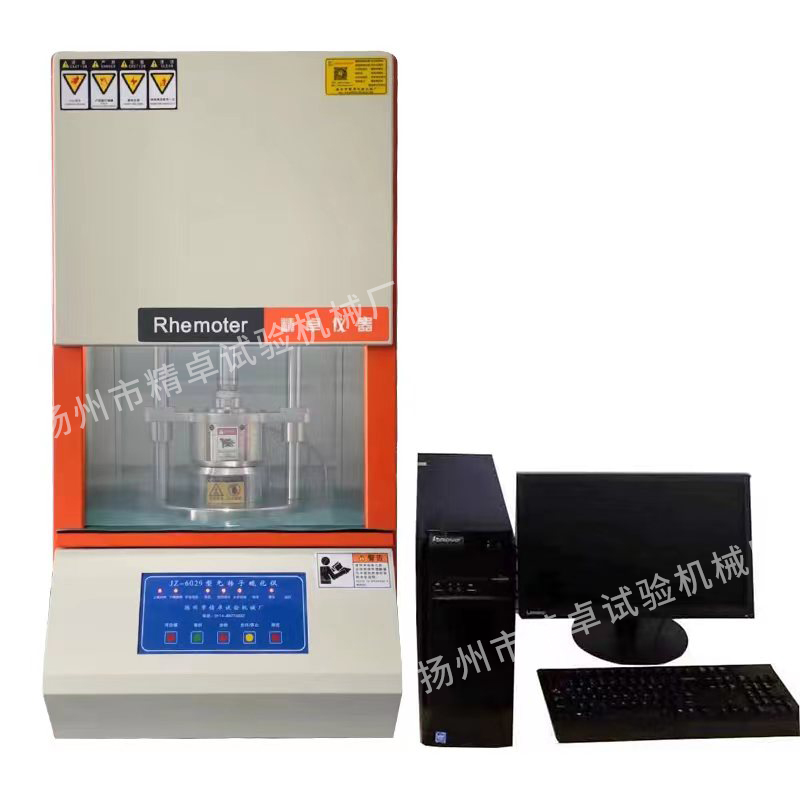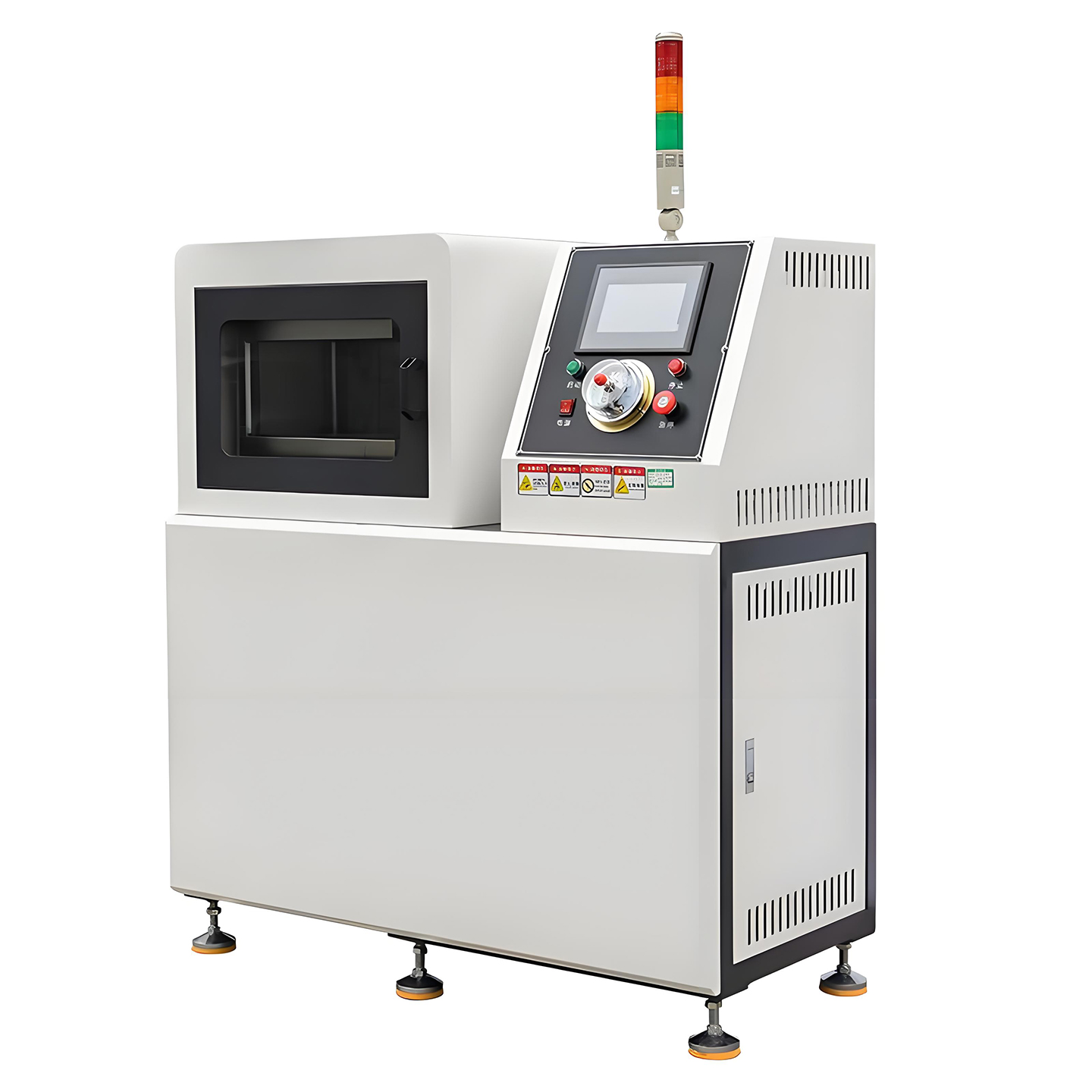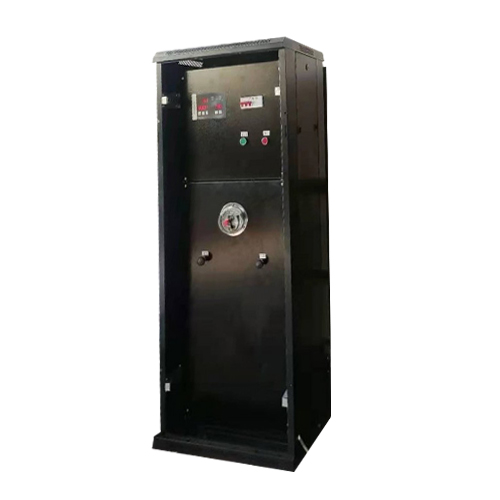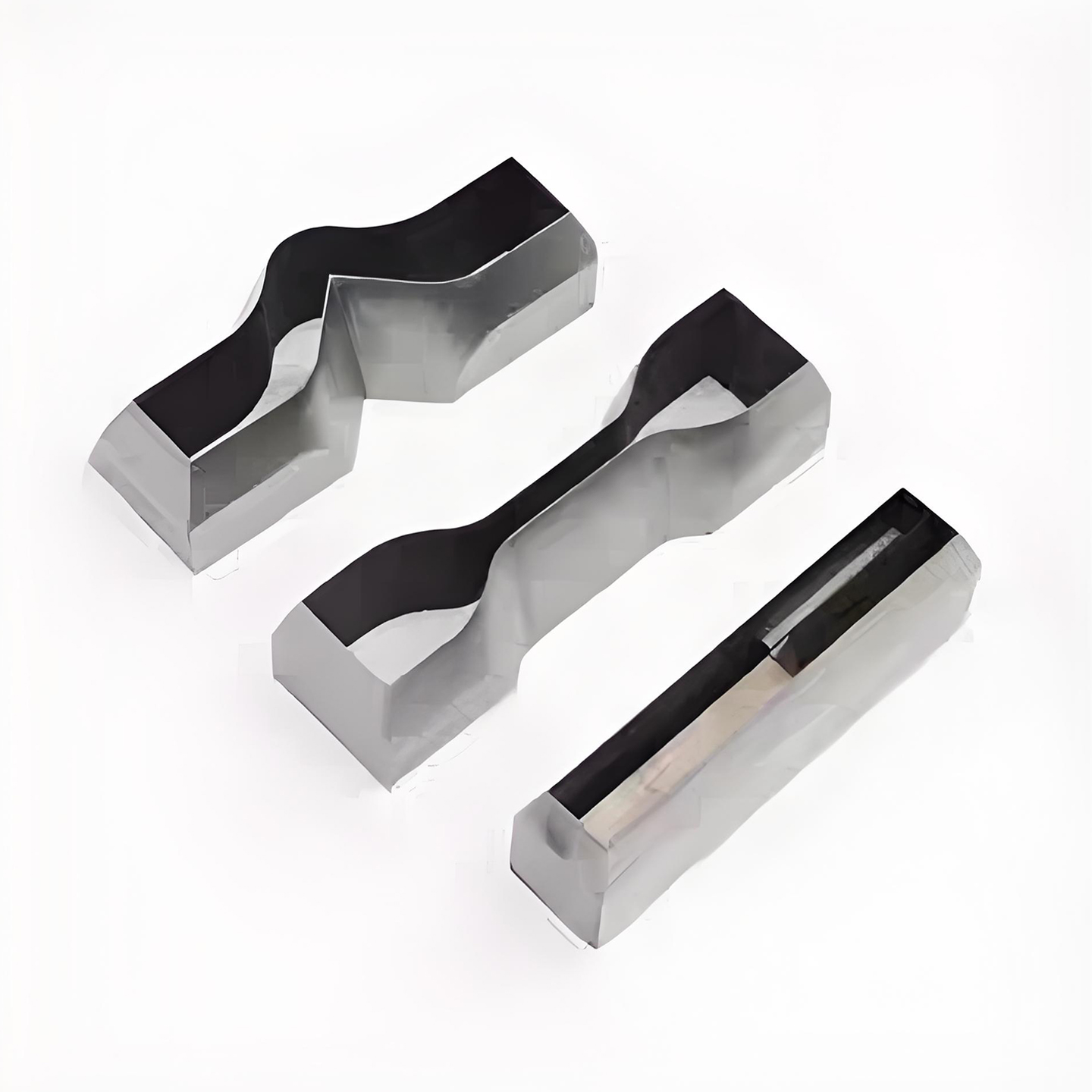

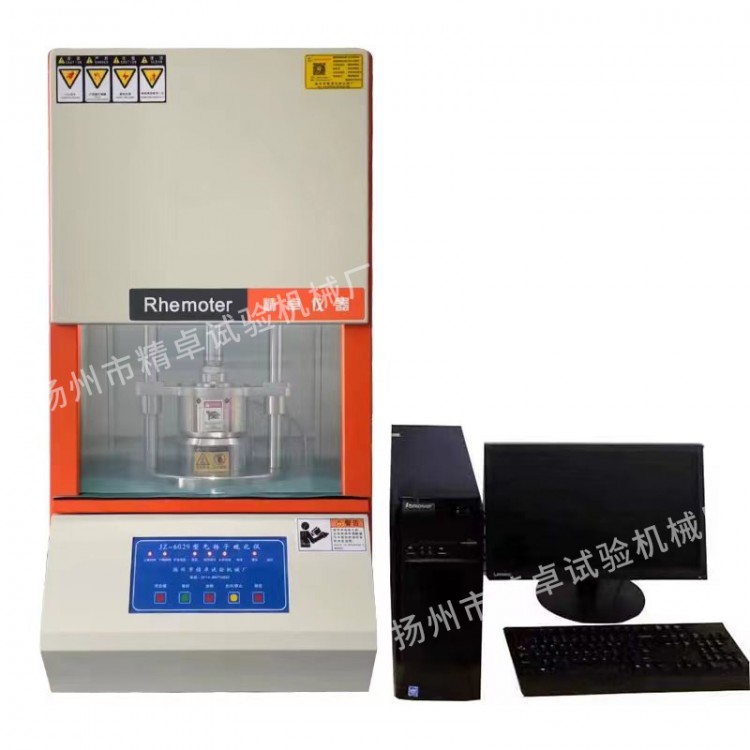

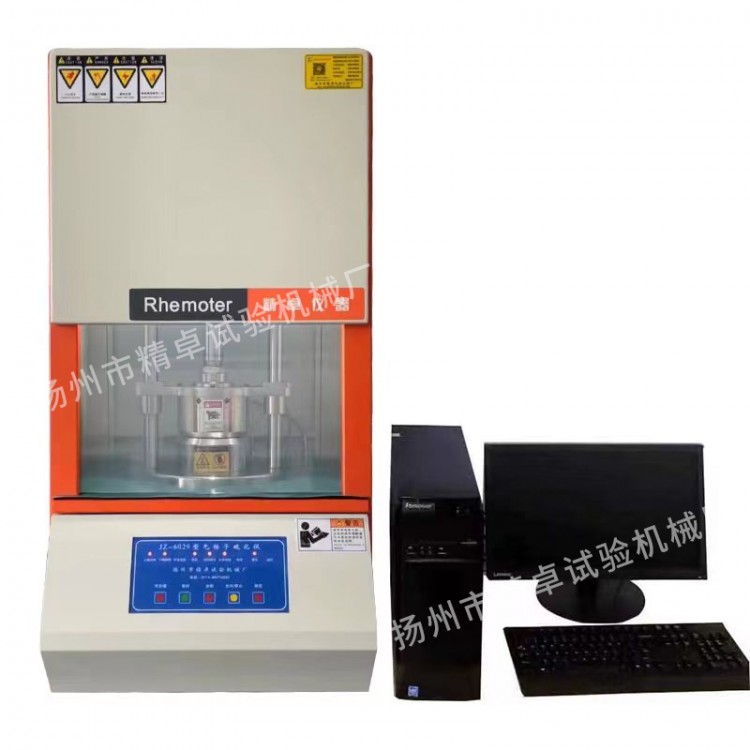


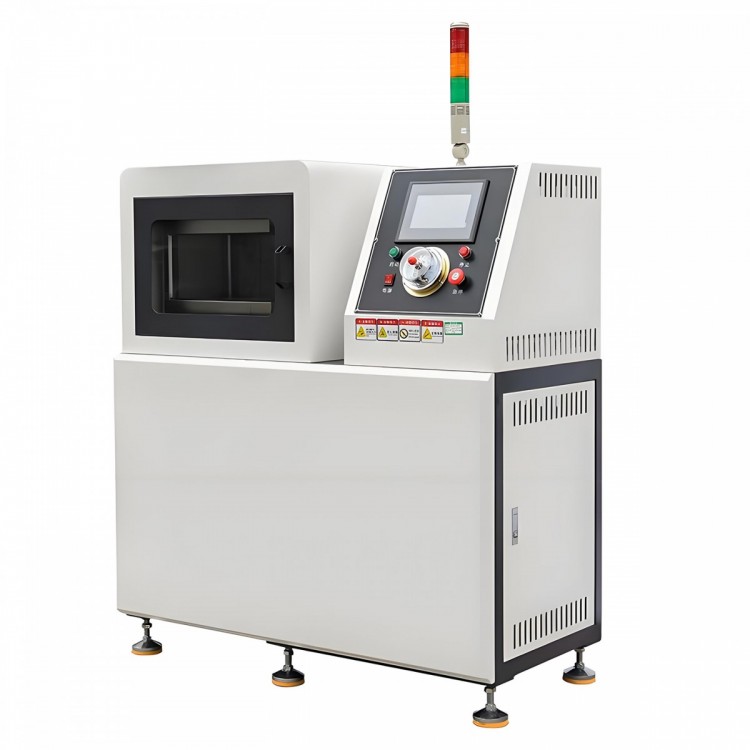
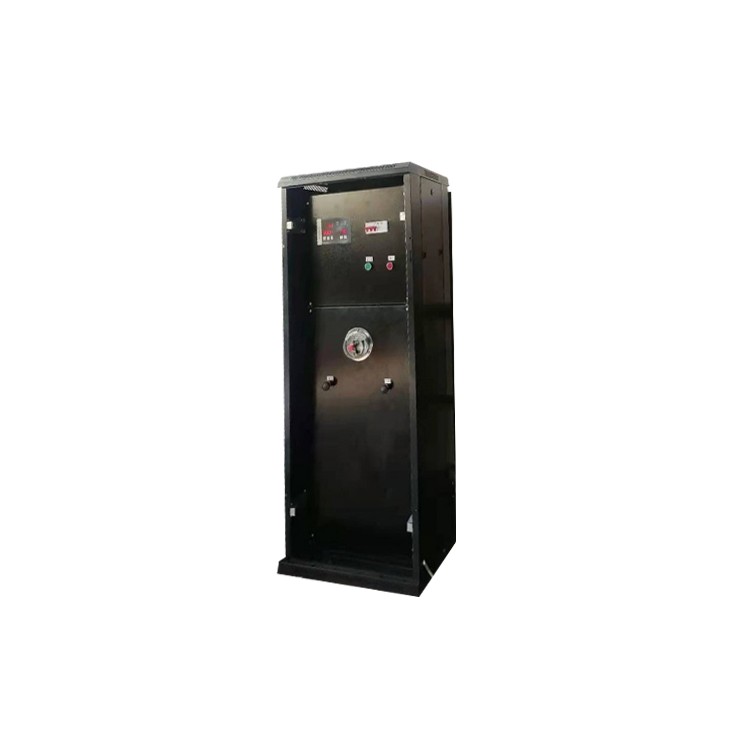





JZ-6029 modelSulphur Analyzer
I. Overview
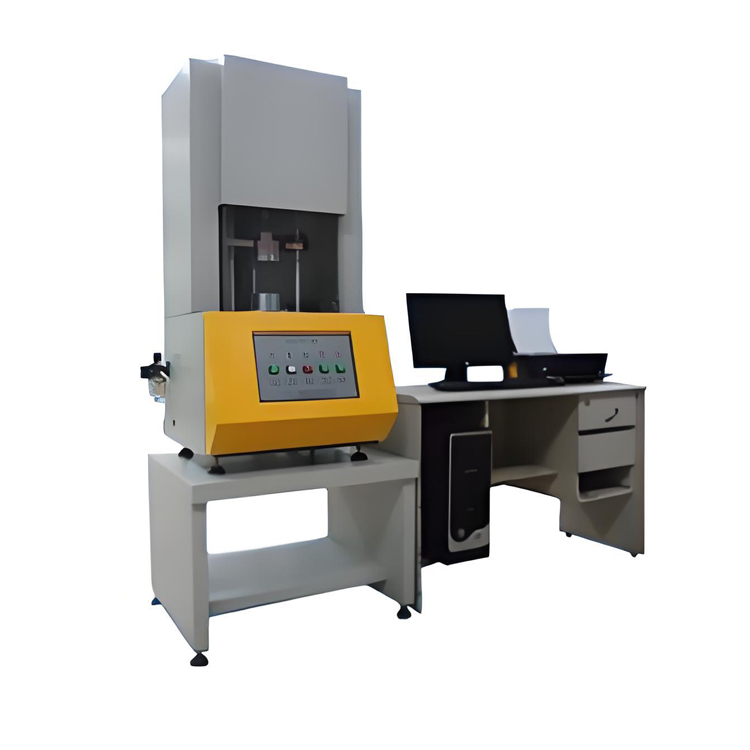
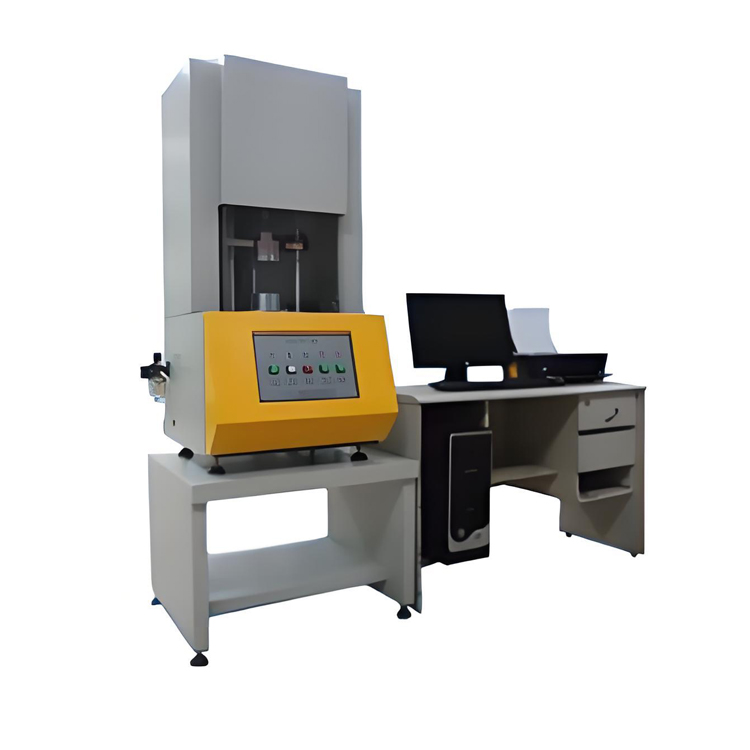
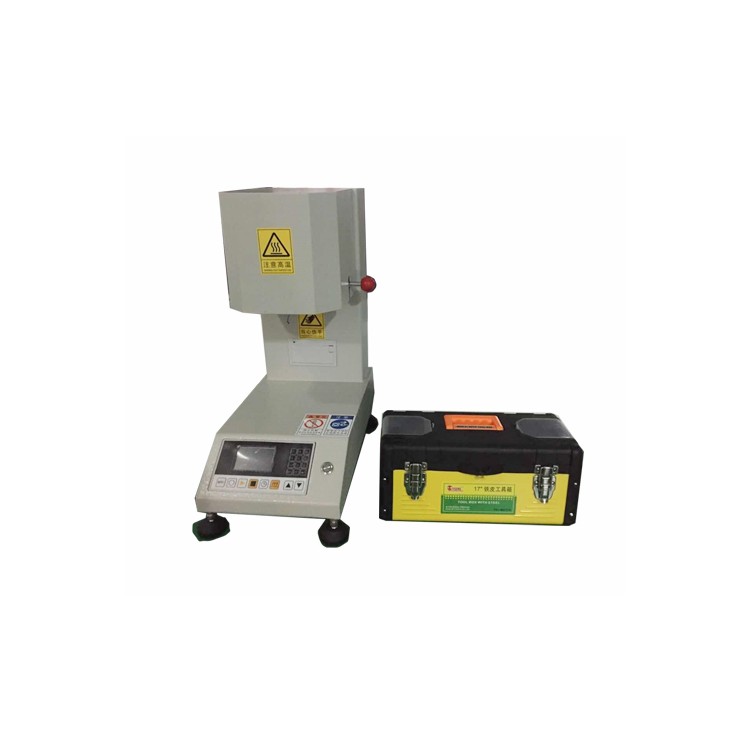
Sulphur AnalyzerThis is an integrated mechanical and electrical product launched by our factory. It consists mainly of the main unit, temperature measurement and control, sensors, computer station data collection, printer, and electrical interlock components. The temperature control circuit is composed of an adaptive high-precision PID temperature controller, a failsafe relay, platinum resistance, and a heater. It can automatically track changes in the external power grid and environmental temperature, automatically and in real-time adjust PID parameters, achieving fast and controlled temperature purposes. Supported by a powerful computer database and related software, the data collection system stores all data from each measurement and optimizes the parameters. Based on the optimization scheme, all data can be sorted to identify curing parameters. In addition to real-time printing of curing curves, it can also display and print any previous curing curves and parameters on the monitor, and can modify the required testing time at any point during the experiment.
Here is the translation:
- 本 (Běn) - This (used to refer to a specific item or concept)Sulphur AnalyzerThe mouse buttons on the computer have the same functions as the buttons on the host panel for user convenience. The computer's software interface is very user-friendly and easy to use. Users can measure burn time, vulcanization time, sulfur index, maximum and minimum torque, etc., making it an ideal equipment for the rubber industry to control rubber quality, conduct rapid inspections, and perform fundamental rubber research. (Tongfang brand computer, 19-inch LCD monitor)
Two,Sulphur AnalyzerKey Technical Specifications
2.1 Temperature Control Range: 0~200℃
2.2 Heating Time: ≤10 min
2.3 Molding Temperature Fluctuation: ≤±0.1 ℃%
2.4 Torque Range: 0-20 N·m
2.5 Vibration Frequency: 1.7 Hz (100 rpm)
2.6 Vibration Amplitude: ±0.5° ±1°
2.7 Mold Structure: Monsanto Style
2.9 Report Content: ML, MH, ts1, ts2, t10, t30, t50, t70, t90, Sulfur Curve, Temperature Curve
2.10 Execution Standards: ASTM D5289-95, ISO 6502:1991, GB/T 16584-1996
2.11 Power Voltage: AC 220V ±10%
2.12 Dimensions: (Length × Width × Height) 680mm × 650mm × 1100mm
2.13 Net Weight: 230 Kg
Sulphur AnalyzerOperating Principle
Inside the workshop (mold), there is a rotor that continuously oscillates at a certain frequency (1.7-0.1 Hz) with a slight angle (3). The rubber material surrounding the rotor gradually increases in vulcanization degree and modulus under certain temperatures and pressures, which proportionally increases the torque of the rotor's oscillation. The change in torque value is converted into a signal by the sensor inside the instrument and sent to the recorder for amplification and recording. The curve of torque changing over time is the vulcanization characteristic curve.
Sulphur AnalyzerThe mouse buttons on the computer have the same function as the buttons on the main unit panel for user convenience. The computer's software interface is very user-friendly and extremely easy to use. Users can measure the burn time, vulcanization time,硫化指数, maximum and minimum torque, etc., making it the most ideal equipment for the rubber industry to control rubber material quality, rapid testing, and fundamental rubber research.
The role of a vulcanometerManufacturers of rubber products can use a vulcanometer to test the reproducibility and stability of their products, as well as design and inspect rubber formulations. Producers can conduct on-site testing on the production line to ensure that the vulcanization characteristics of each batch, and even at every moment, meet the requirements of the products. The vulcanometer is used to determine the vulcanization characteristics of uncured rubber compounds by oscillating the rubber within a mold cavity, obtaining a torque-time vulcanization curve. This scientifically determines the three key elements of vulcanization time, temperature, and pressure, which ultimately determine product quality. It can also measure the physical properties of compounded rubber blends. Quality management of raw materials, processing, and finished products.