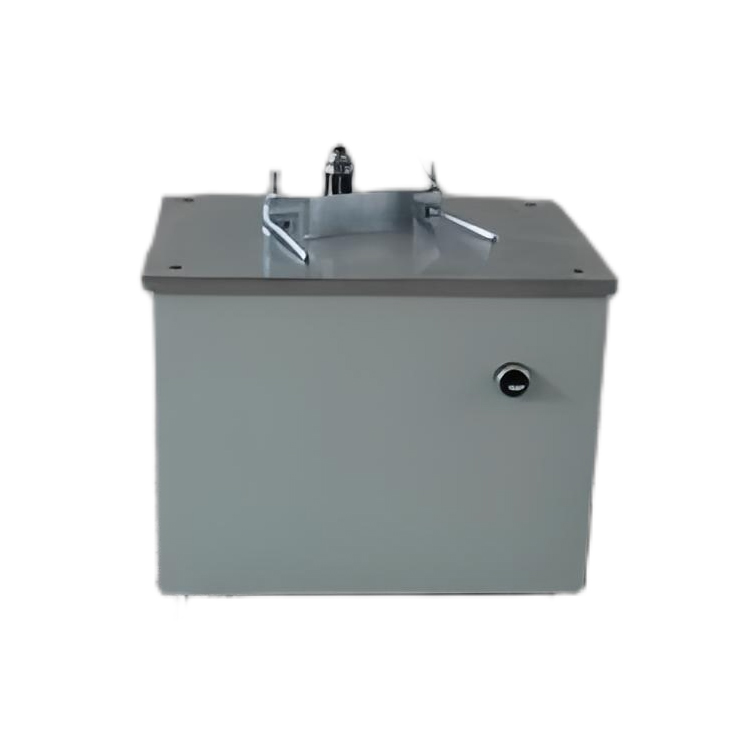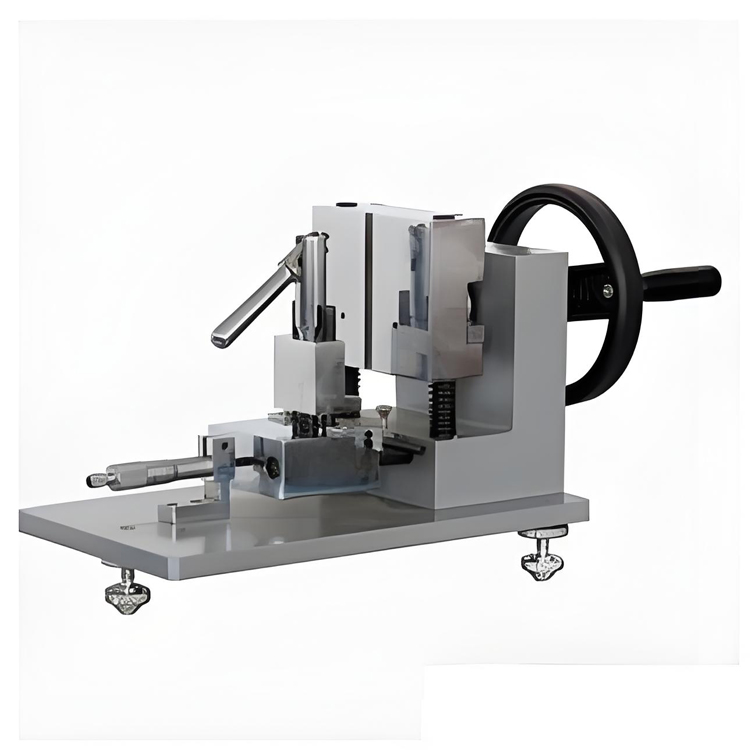

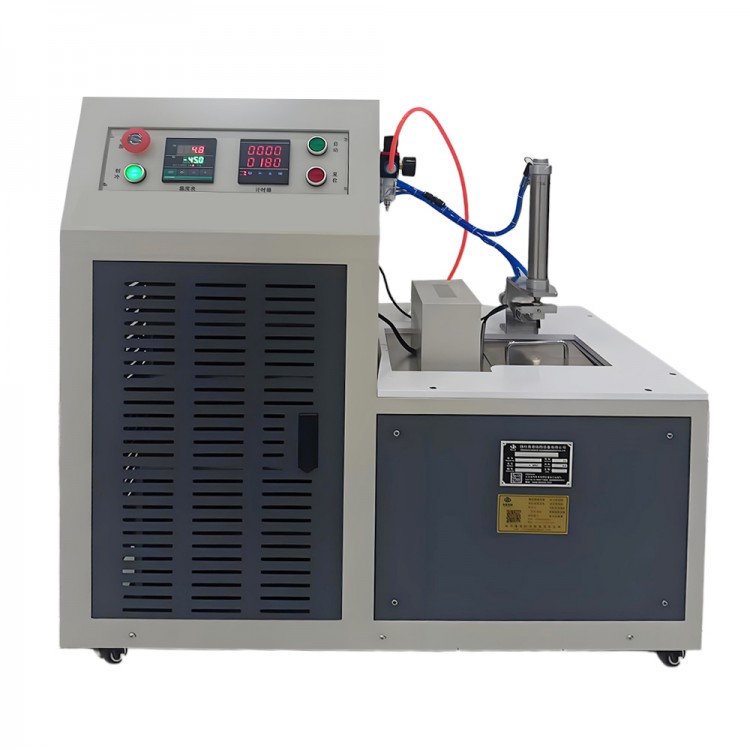

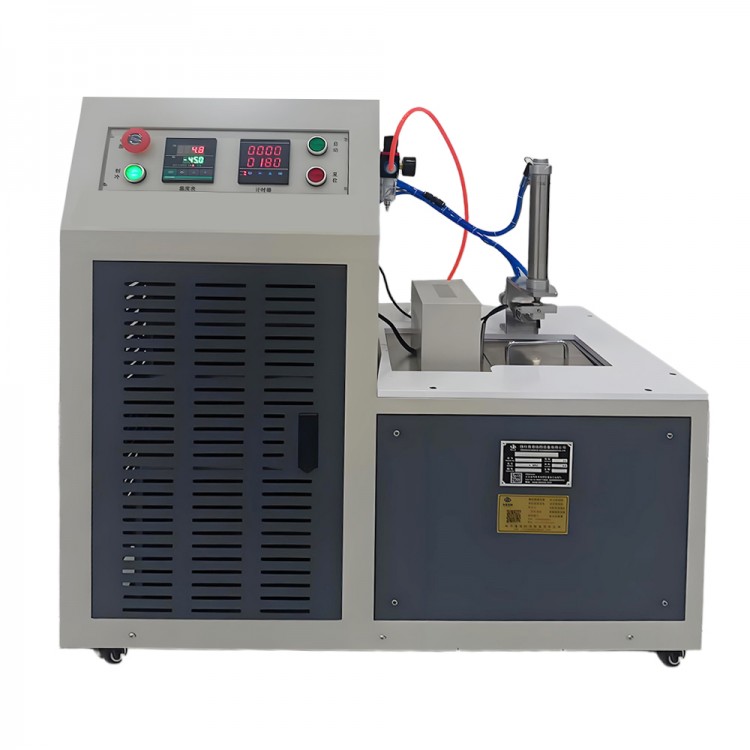


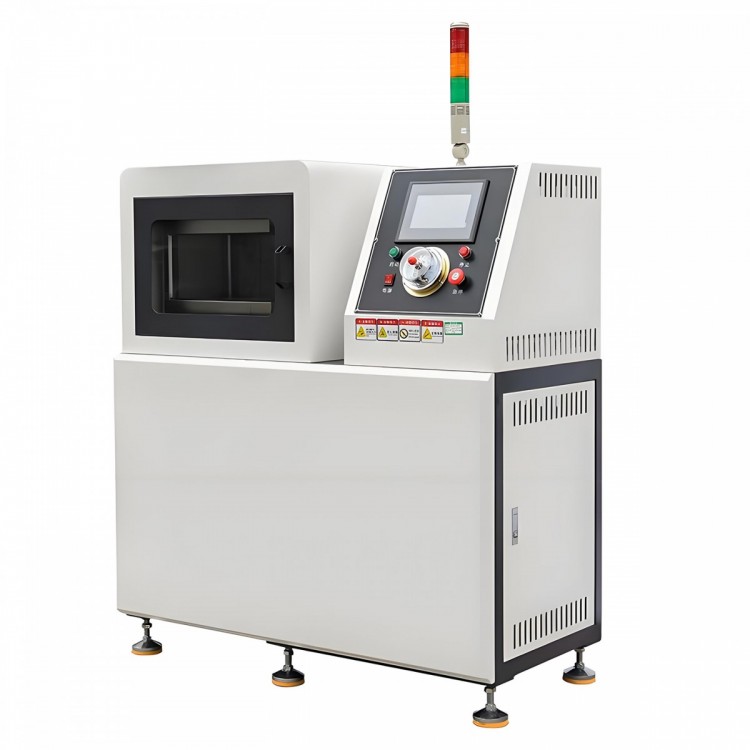
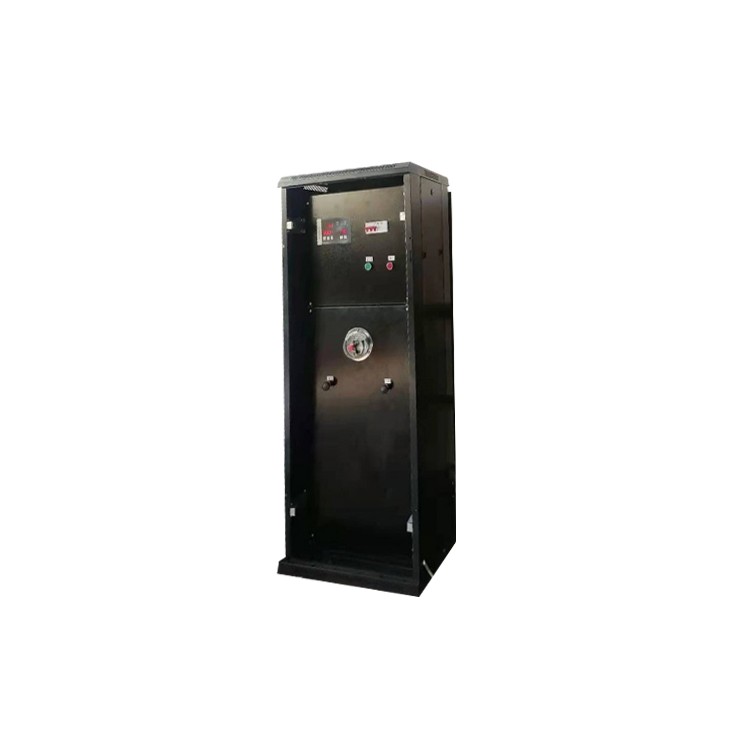
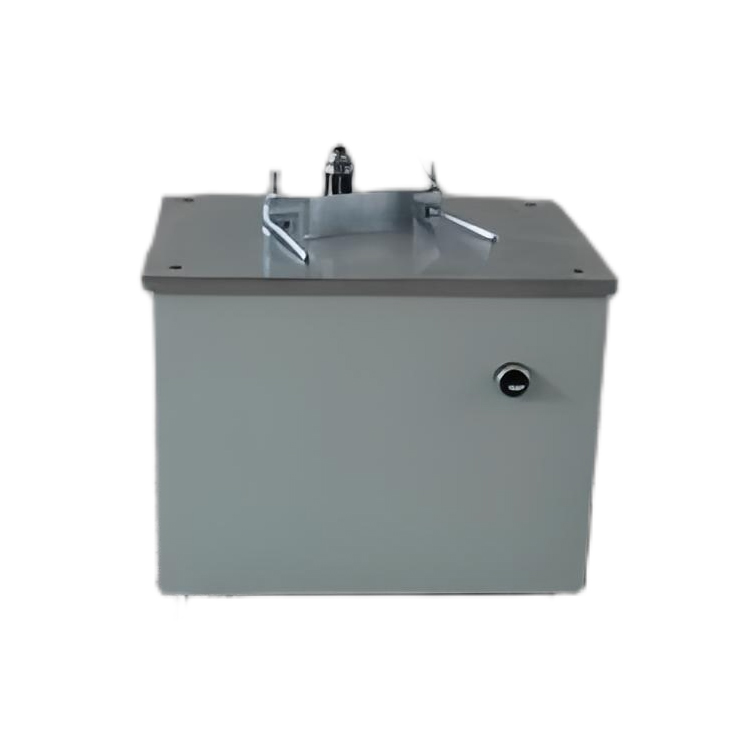
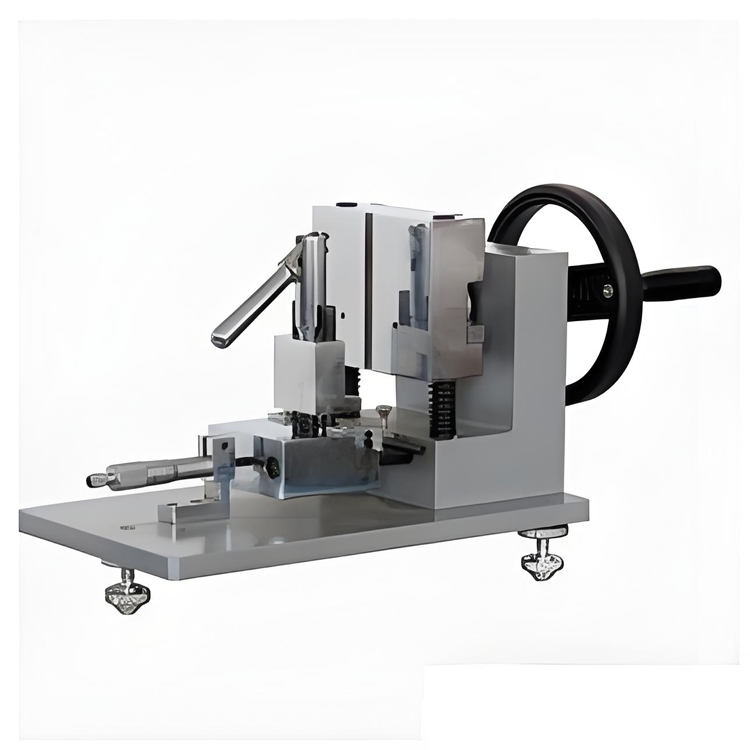





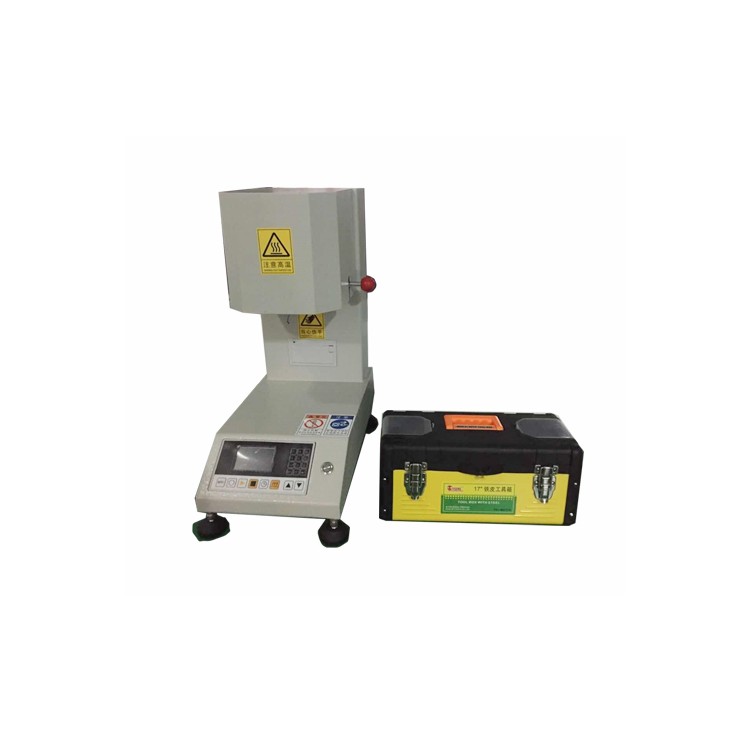
JZ-6043 Type Rubber Low Temperature Brittleness Tester
I. Features and Applications
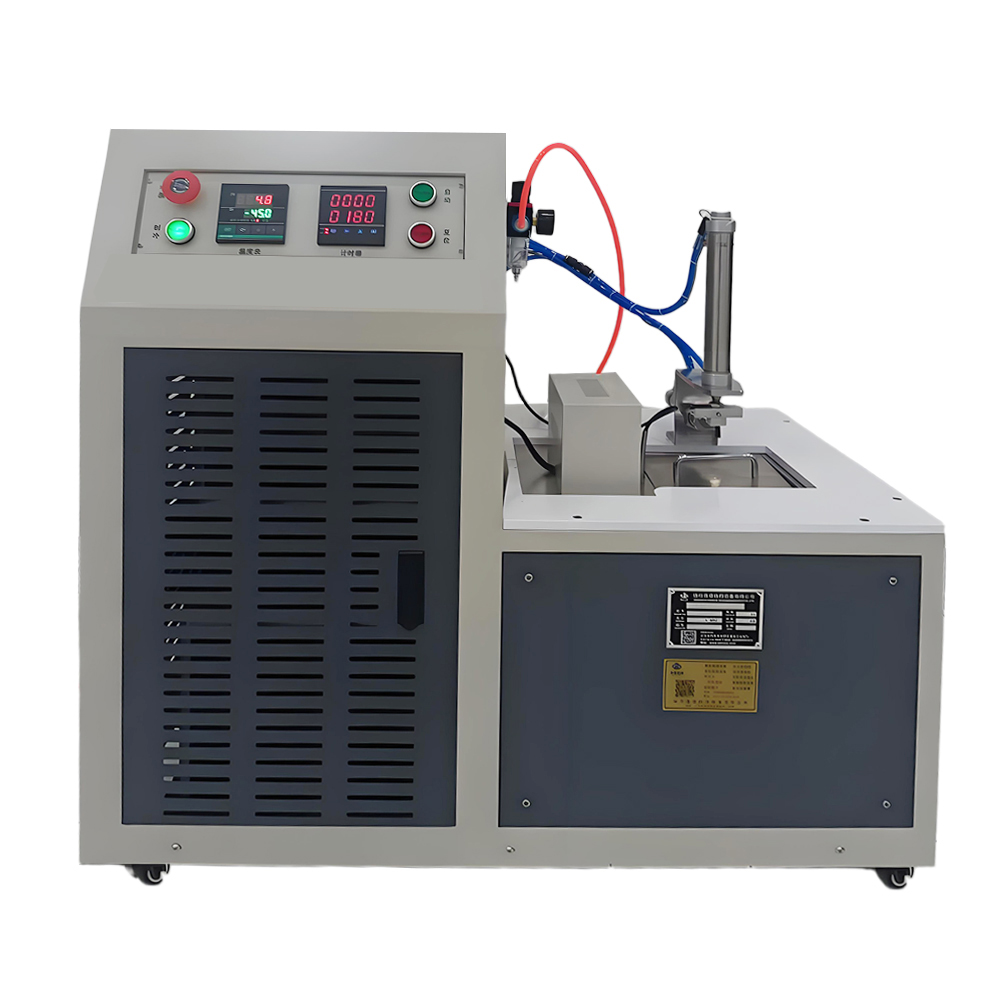
The Rubber Low Temperature Brittleness Tester is used to determine the temperature at which a rubber sample exhibits fracture under specified conditions, known as the brittleness temperature. It allows for comparative assessment of the performance of non-rigid plastics and other elastic materials under low-temperature conditions. It can also measure the brittleness temperature and low-temperature properties of different rubber materials or vulcanized rubbers with various formulations. Therefore, it is in demand for quality inspection of scientific research materials and their products, as well as for controlling the production process. This instrument is designed to meet the national standards GB/T 1682-82 "Determination of Low Temperature Brittleness Temperature of Vulcanized Rubber - Single Specimen Method" and GB/T 15256-94 "Determination of Low Temperature Brittleness Temperature of Vulcanized Rubber - Multi-Specimen Method". It has all technical specifications in compliance with national standards. In the existing design, a cold well stirrer has been added to ensure more uniform temperature around the container, faster temperature drop, time saving, and reduced energy consumption.
This instrument also meets the requirements of GB/T 5470-2008 "Determination of Impact Brittle Temperature of Plastics" and can conduct low-temperature brittleness tests on common plastics, cables, and PVC materials.
II. Technical Specifications:
Test Temperature: -70℃ to 0℃
2. Impact Speed: 2 m/s ± 0.2 m/s
3. After temperature stabilization, the temperature fluctuation within the 3-minute test period: <±0.5℃
4. Impact Head Radius: R1.5 ± 0.1mm (single sample method), R1.6 ± 0.1mm (multiple sample method)
5. Distance from the center of the impactor to the bottom of the clamp: 11±0.5mm (single specimen method), 8±0.3mm (multi-specimen method)
6. Impactor Weight: (200±20) g
7. Impactor Stroke: (40 ± 1) mm
8. The distance from the end of the impactor to the sample is (25)±1)mm
9. Impact Spring: Free State: Diameter 19mm, Length 85-90mm; Compressed State: Length (40±1)mm, Load 108N-118N
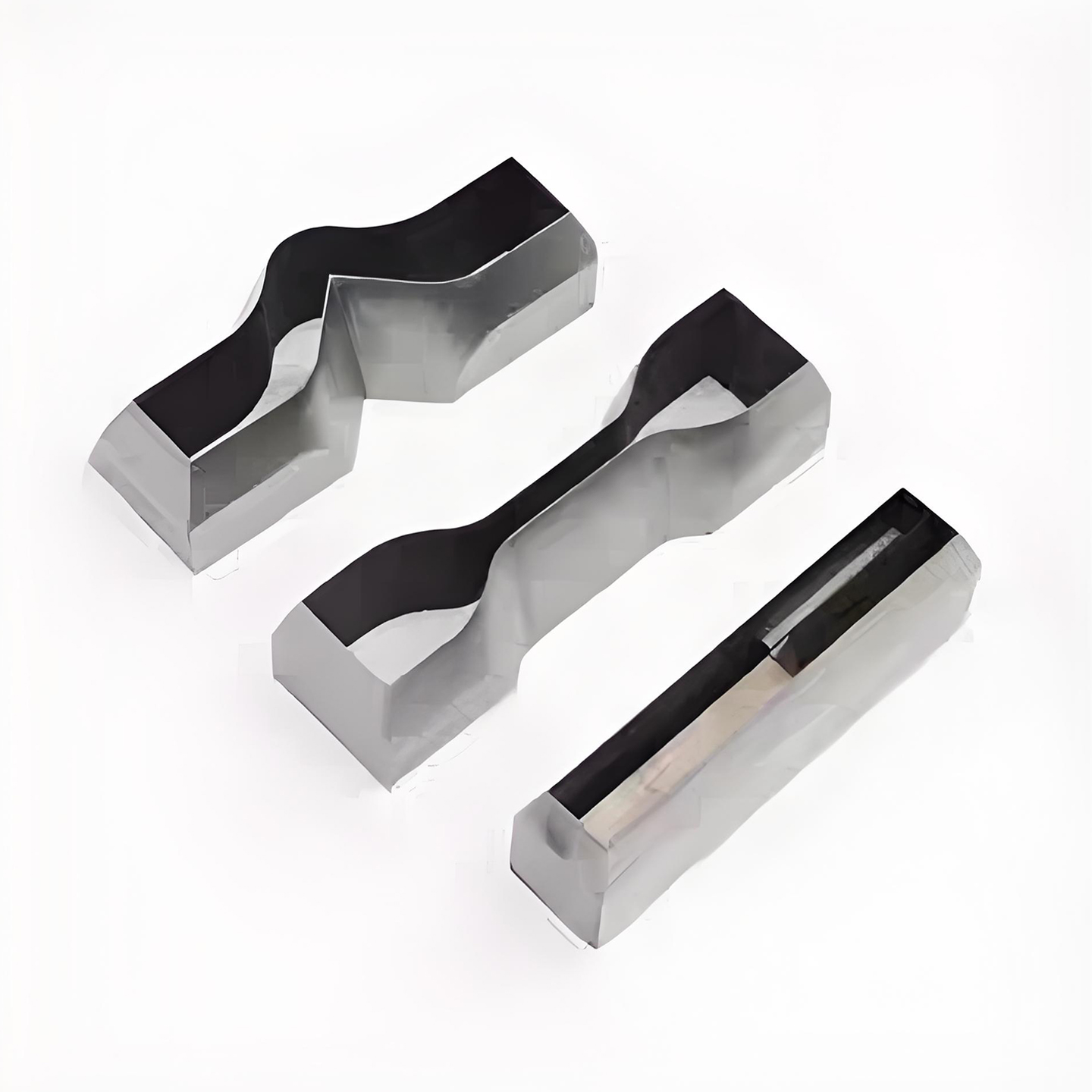
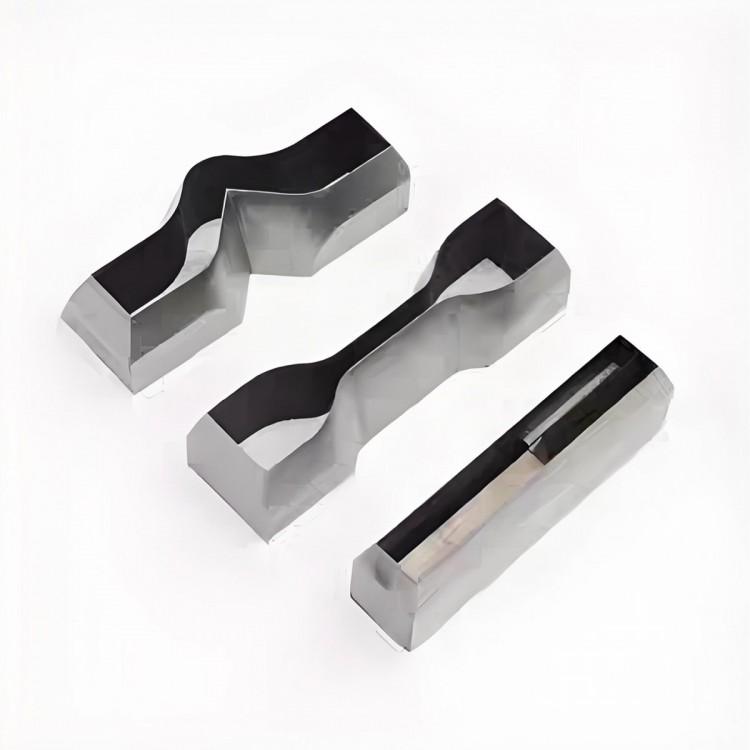
10. Sample Dimensions: Length: 25.0 ± 0.5mm, Width: 6.0 ± 0.5mm, Thickness: 2.0 ± 0.3mm
11. Dimensions: 720×700×1380
12. Power: 1100W
13. Cold Well Capacity: 700ml
III. Usage Instructions
3.1 Power on, the temperature controller and timer indicator lights will illuminate.
3.2 Inject the refrigerant (usually industrial ethanol) into the cold well, ensuring the distance from the bottom of the holder to the liquid surface is 75±10mm.
3.3 Secure the sample vertically in the holder. Avoid clamping too tightly or too loosely to prevent deformation or detachment of the sample.
3.4 Press the clamp to initiate freezing of the sample, and simultaneously activate the timing control switch (or press the stopwatch) to start timing. The freezing time for the sample is specified as 3.0 ± 0.5 minutes. During the freezing process, the temperature fluctuation of the freezing medium must not exceed ±1°C.
3.5 Lift the lifting clamp, causing the impactor to strike the specimen within half a second.
Remove the sample, bend it to 180° along the impact direction, and carefully inspect for any damage.
3.7 After each specimen is impacted (each specimen is only allowed to be impacted once), if damage occurs, increase the temperature of the refrigerant medium; otherwise, decrease its temperature and continue the test.
Through repeated testing, it is determined that at least two samples have a non-destructive temperature and at least one sample has a destructive temperature. If the difference between these two results is no more than 1°C, the test is terminated.
4. Test Standards
4.1 Specifications
The sample measures 25.0±0.5mm in length, 6.0±0.5mm in width, and 2.0±0.3mm in thickness.
4.2 Requirements
The sample surface should be smooth with no foreign impurities or damage. The finished product should be ground and cut to the corresponding size.
Five: Precautions
5.1 During the testing process, the cooling cycle must not be interrupted, otherwise it will result in a non-cooling effect.
5.2 Ensure the refrigerant is fully charged before the compressor refrigeration operation.
5.3 The compressor must be off for at least 0.5 hours before it can be operated again, otherwise it may be damaged.