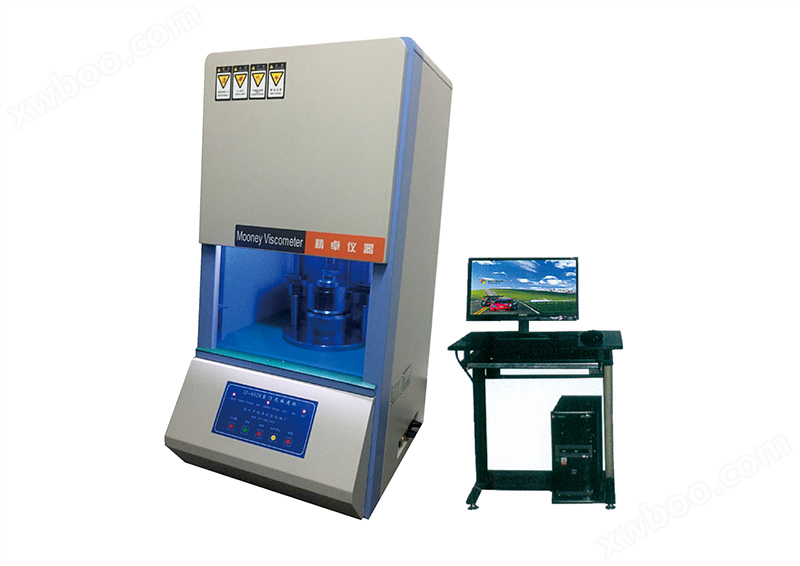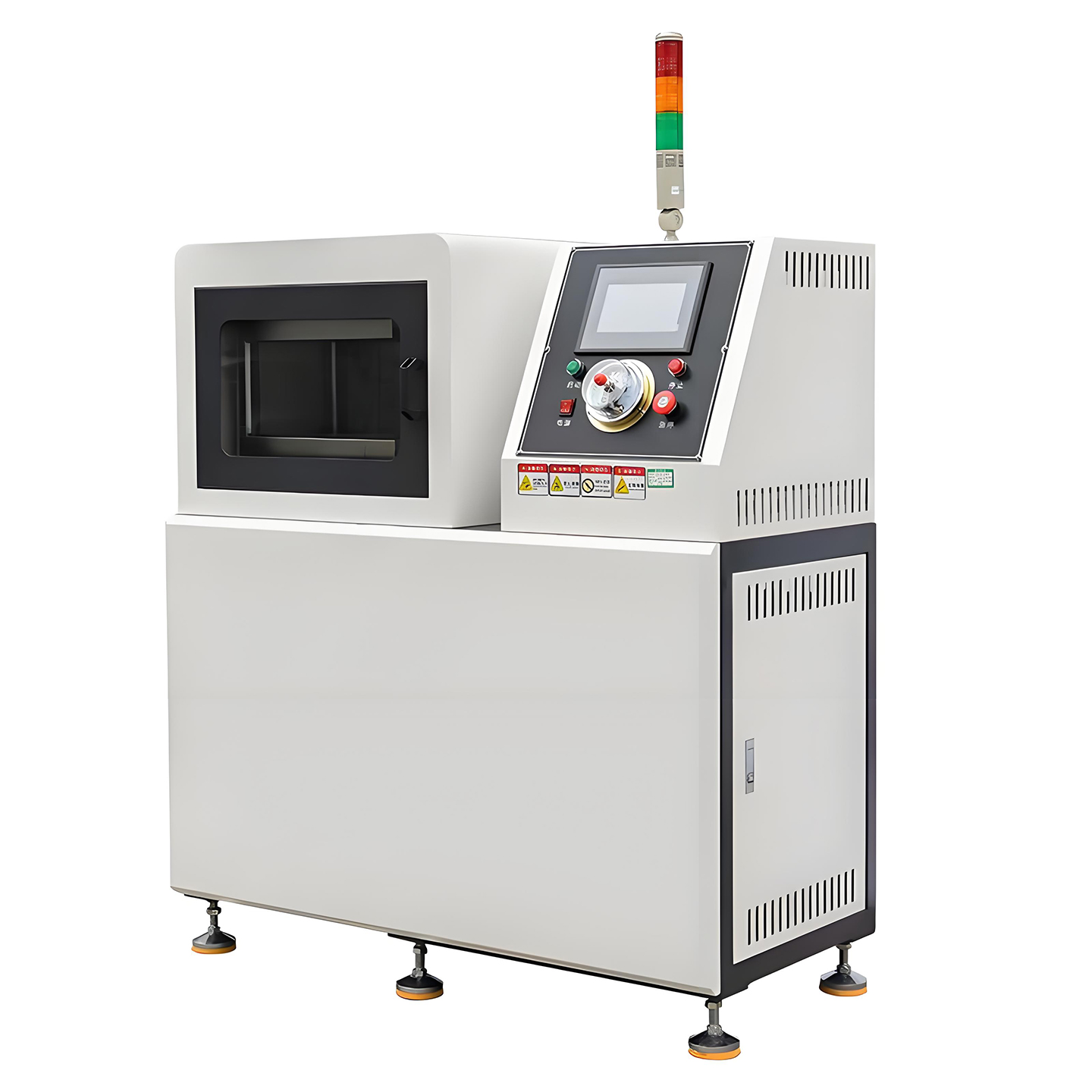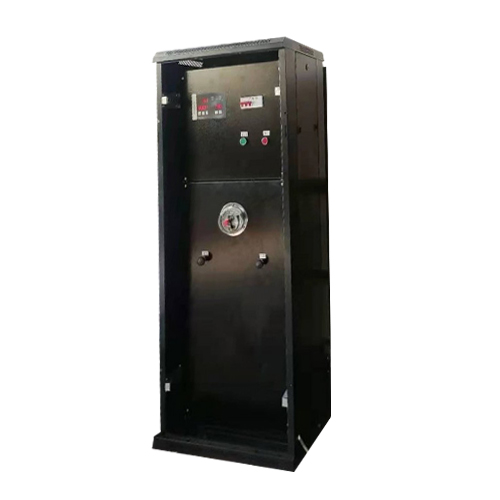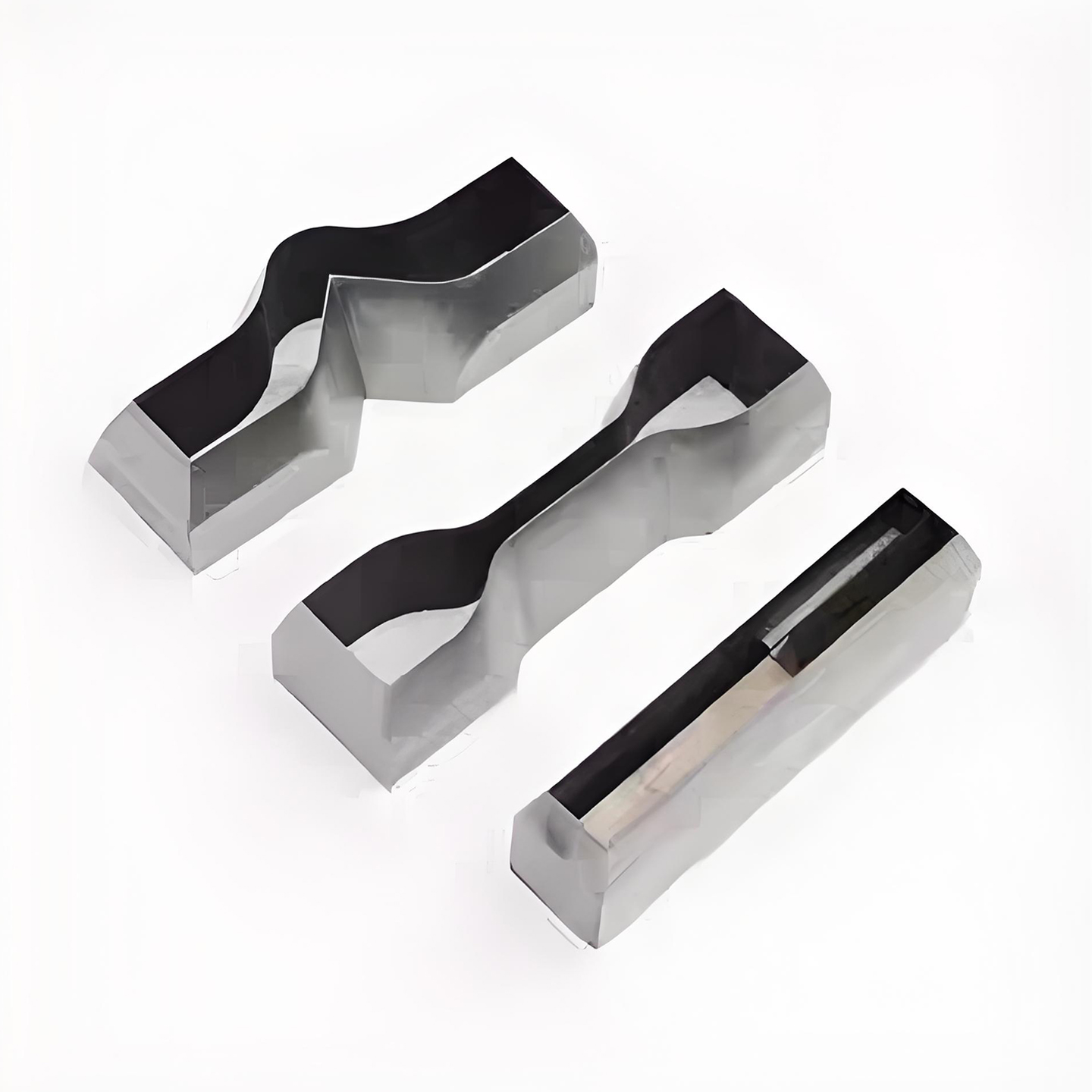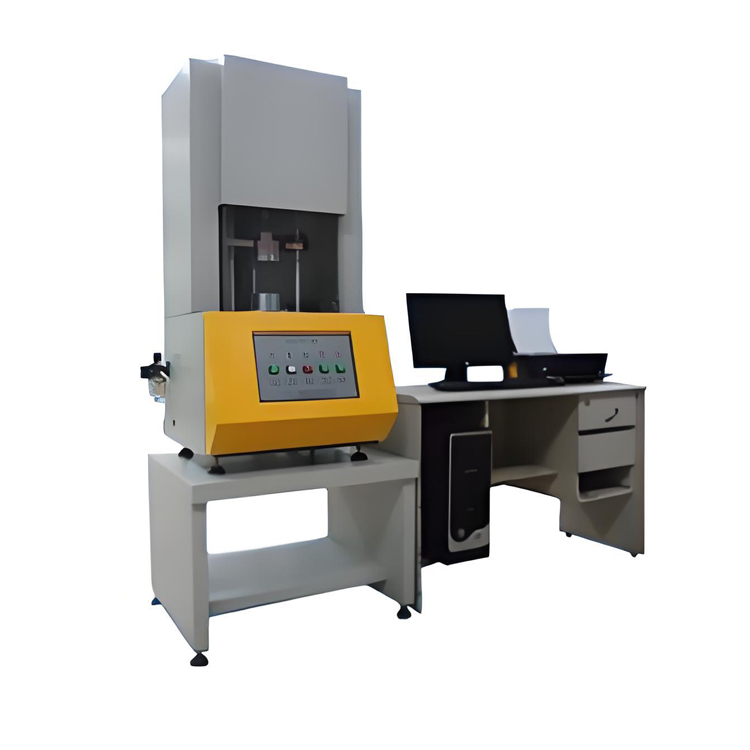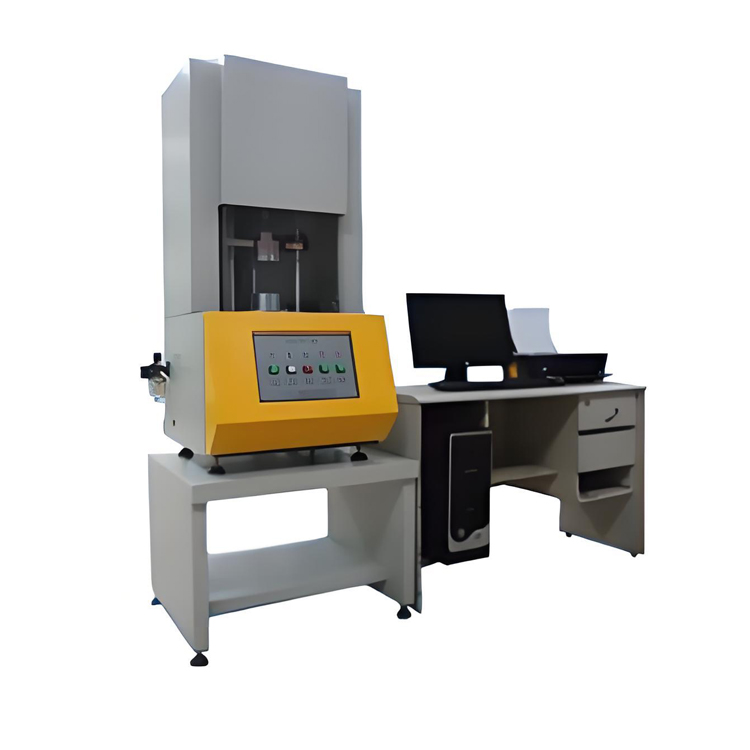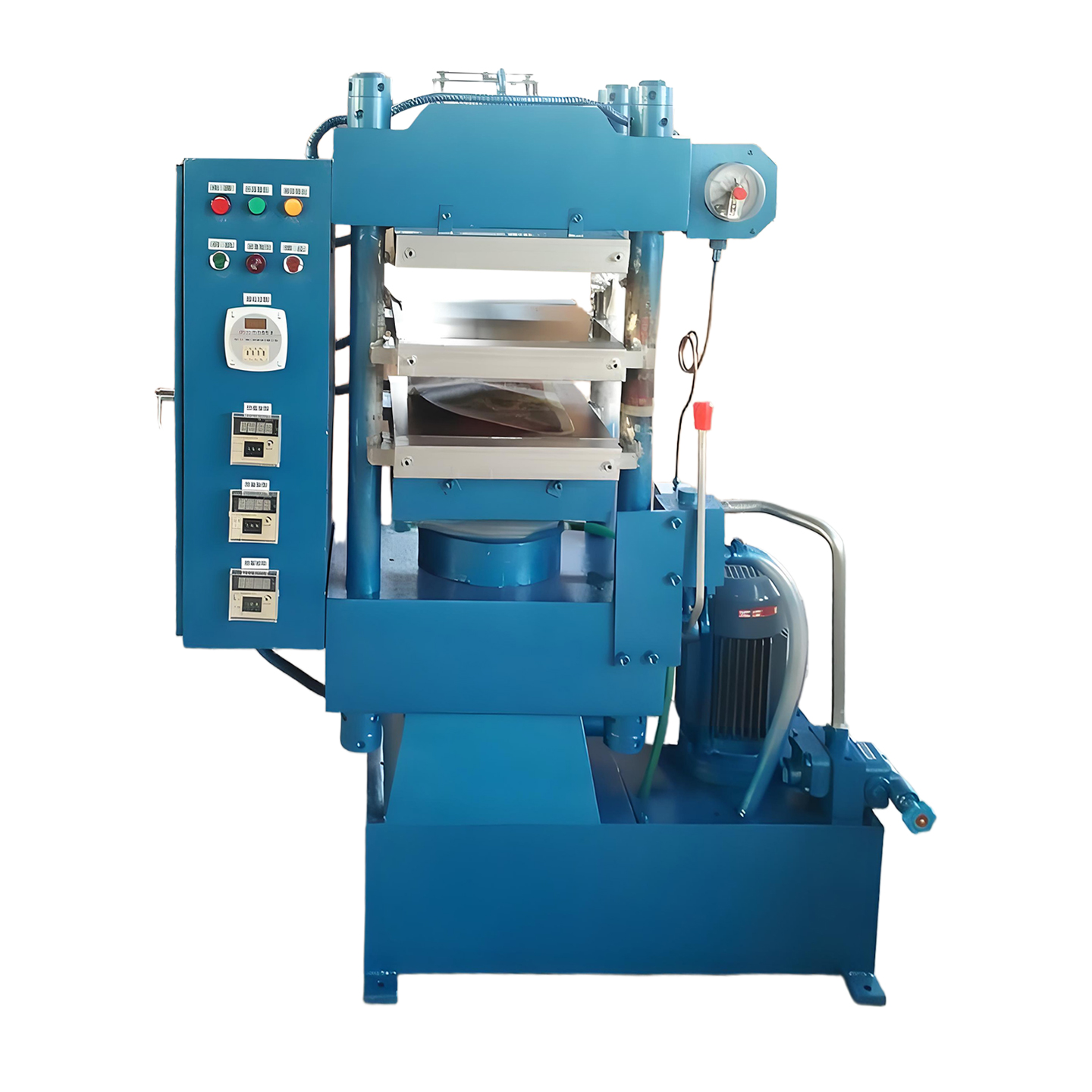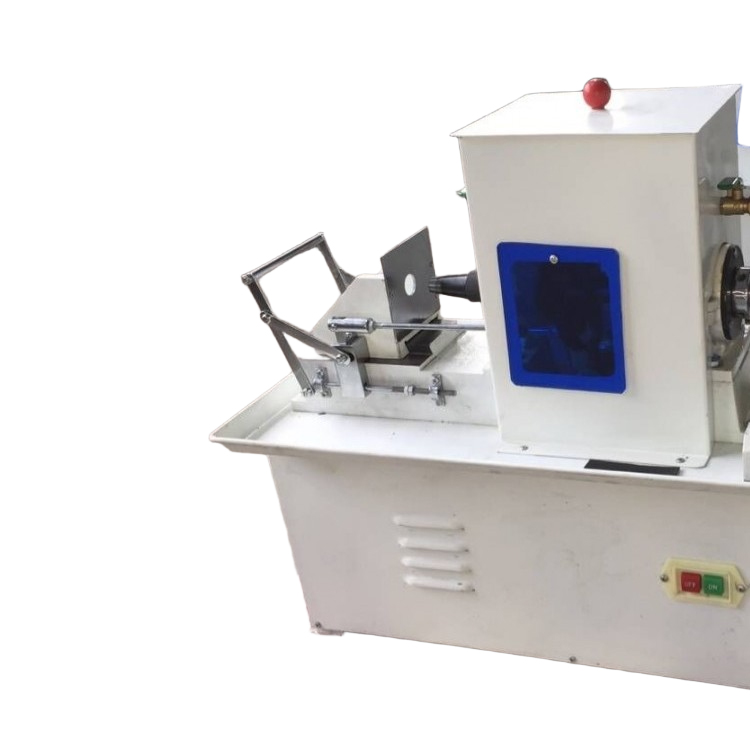


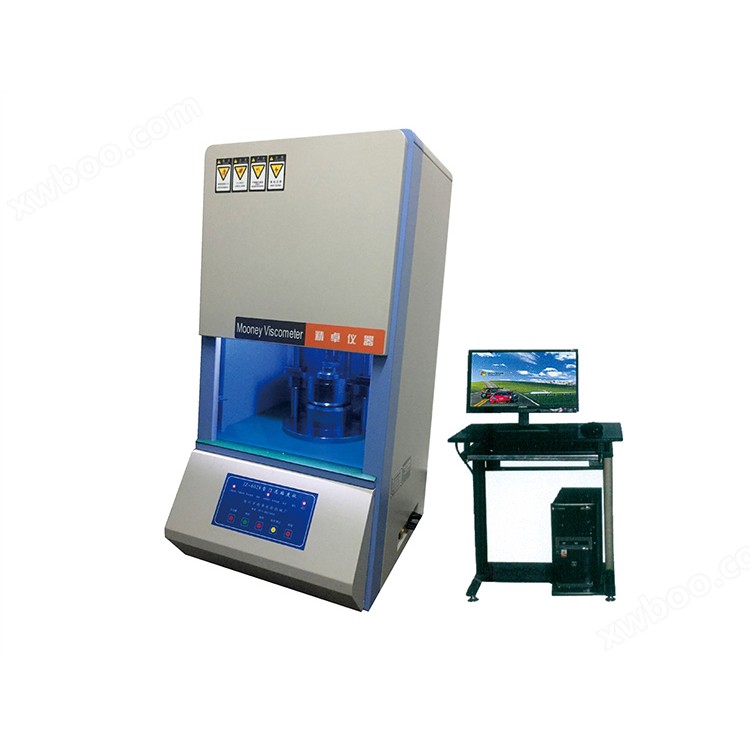


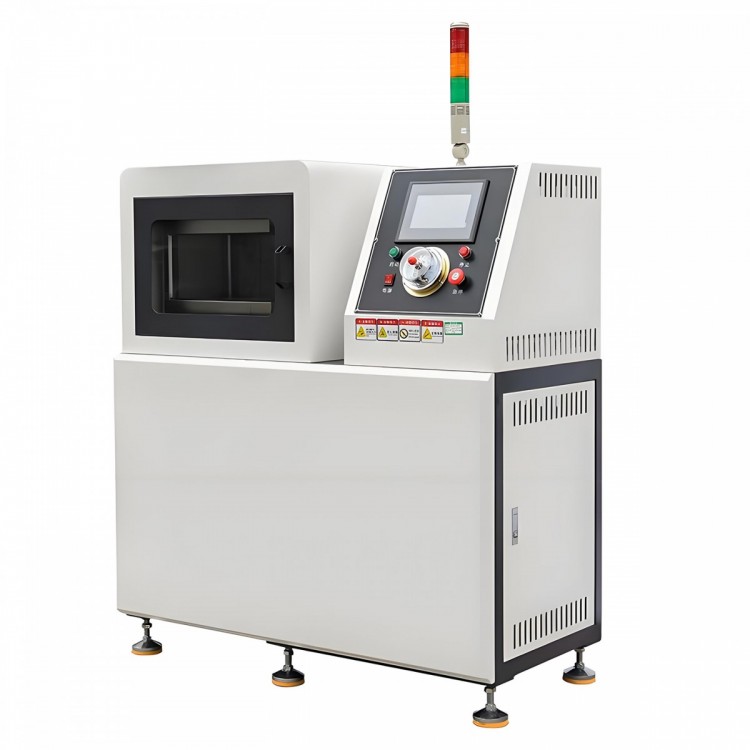
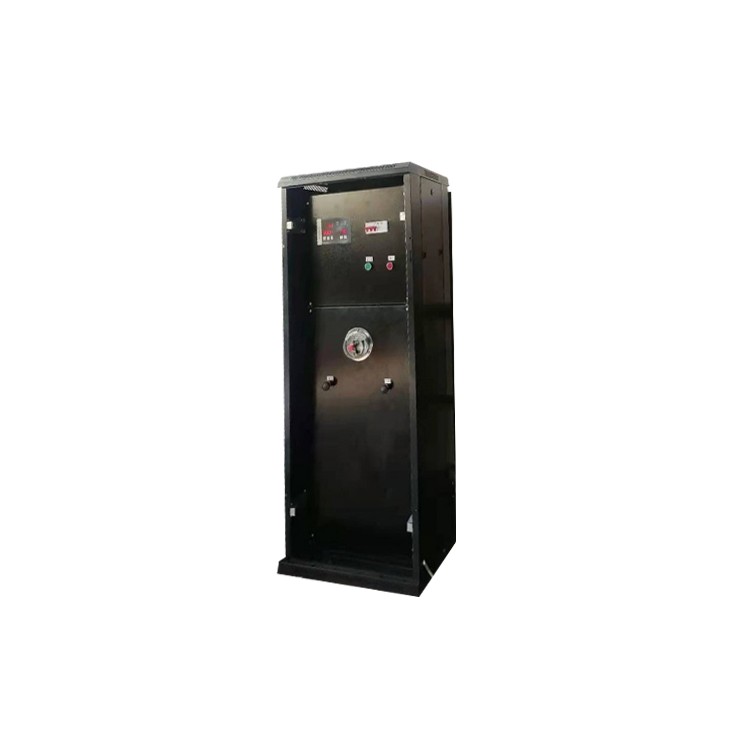
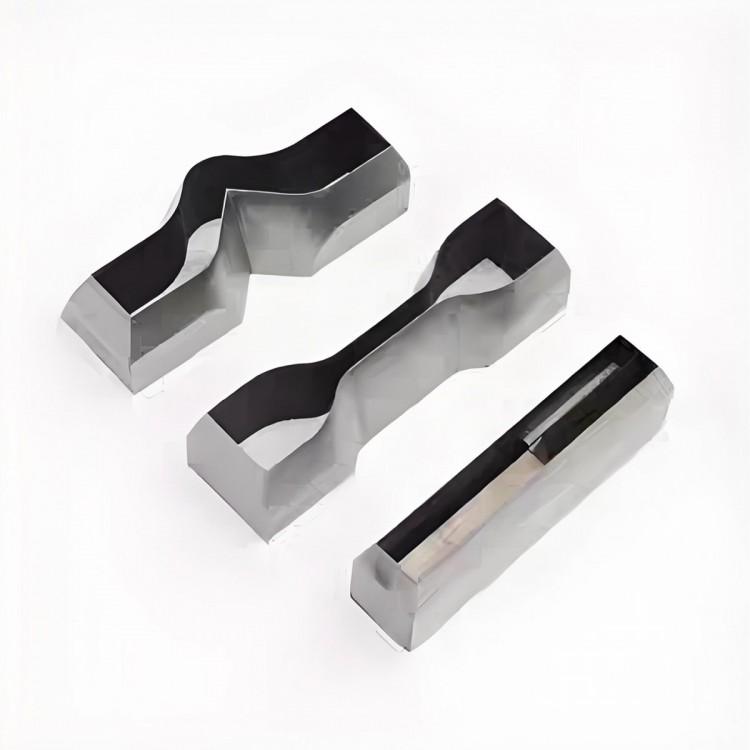
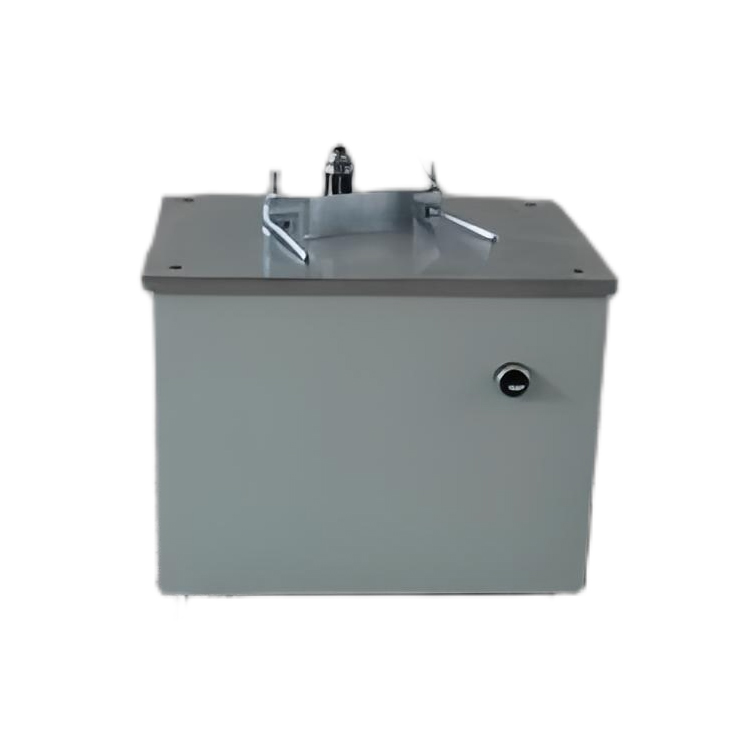
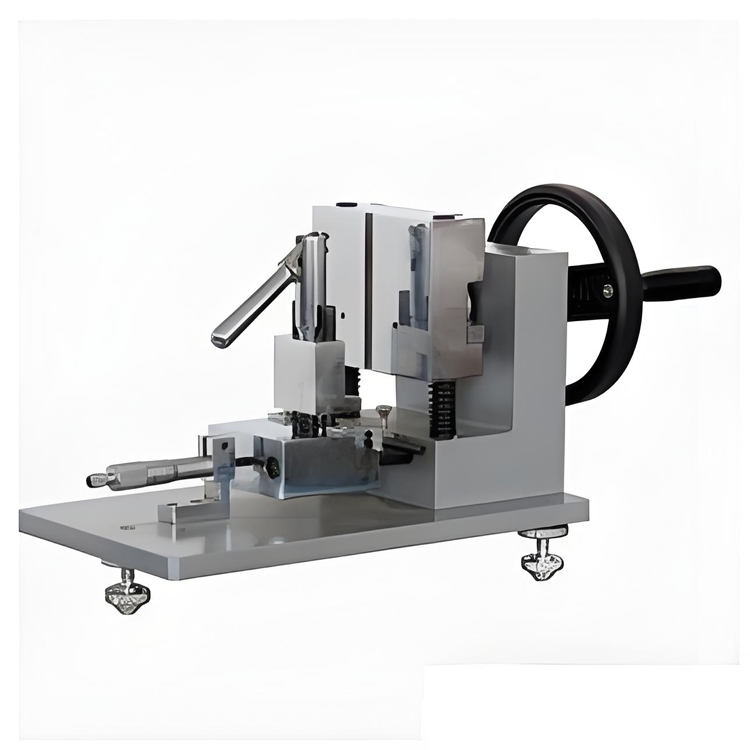





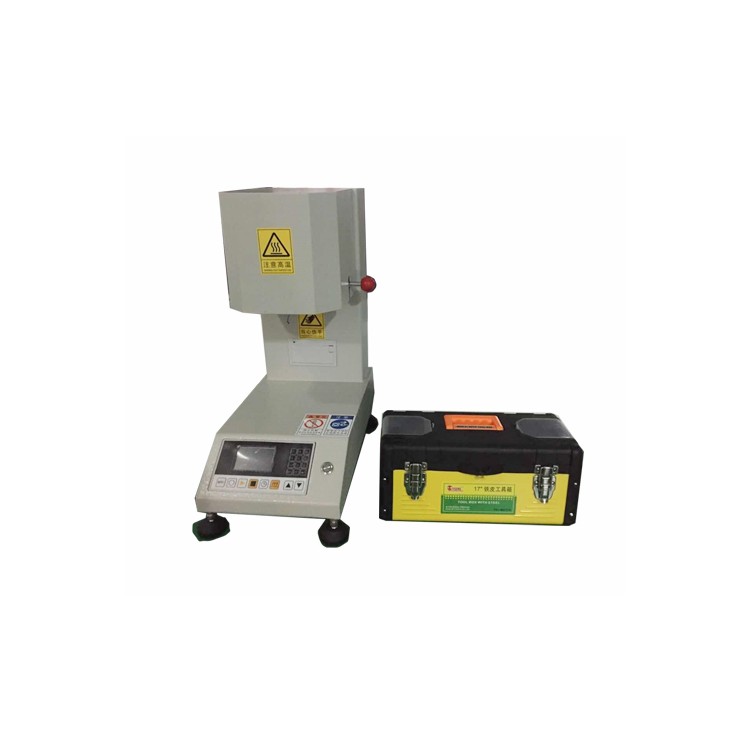
JZ-6029 Computer VulcanizerUsed for analyzing and measuring performance indicators such as scorch time, normal curing time, curing rate, viscoelastic modulus, and curing flat period during the rubber vulcanization process, this testing instrument is stipulated by the national regulations for developing new products, researching rubber compound formulations, and inspecting product quality.
Manufacturers of rubber products can use a vulcanometer to test the reproducibility and stability of their products, as well as design and inspect rubber formulations. Producers can conduct on-site inspections on the production line to ensure that the vulcanization characteristics of each batch, and even at every moment, meet the product requirements. The vulcanometer is used to determine the vulcanization characteristics of uncured rubber compounds by oscillating the rubber within a mold cavity, obtaining a torque vs. time vulcanization curve, which scientifically determines the three key factors of vulcanization time, temperature, and pressure – they are ultimately critical to product quality. It can also measure the physical properties of compounded rubber blends. Quality management of raw materials, processing, and finished products:
One - The vulcanization curve allows for the understanding of rubber's related properties during the vulcanization process. From the rubber's mixing consistency, workability, to the physical properties of the finished product (such as resistance to aging), all can be interpreted from the vulcanization curve. This further aids in the control of rubber quality.
The sulfur content curve measured by the sulfur meter is widely used in the research of raw materials and formulations, providing data for processing and production. In addition, the sulfur meter is also used for quality control, supervision during production, and identification of product quality.
JZ-6029 Computer Vulcanizer ModelThe FDR (Flat Die Rubber Hardness Tester) measures the torque change of rubber during curing by placing the rubber between upper and lower flat plates in a mold cavity and applying a sine wave torque vibration at a specified temperature. The curing characteristics can be determined by analyzing changes in torque, minor torque, burn time, curing time, and other factors such as viscoelasticity. The instrument achieves precision and reproducibility of experimental results due to the cone rotary drive mechanism capable of accurate sine wave vibration and the presence of four heaters.
Due to the overall design of various components, a rubber vulcanization tester with a compact structure suitable for various testing sites is adopted.
JZ-6029 Model Computer VulcanizerKey Technical Specifications
High-precision sensor: 0~20 N.m. Resolution: 0.001 N.m.
B. Control System: Utilizes computer control and interface boards for data collection, storage, processing, and printing of test results and curve processing.
C. Rotating System: Uses stepping motor with Electronic speed control and amplitude adjuster. Swing Angle: ±0.5° ±1°.
D. Temperature Control System: Utilizes an Intelligent digital temperature control gauge, with real-time automatic adjustment of PID control parameters.
Temperature control range: 0-200℃, temperature measurement control accuracy: ≤±0.3℃, temperature resolution: 0.1℃.
E. Data Transmission Method: RS232 Transmission
F. Display Method: Vulcanize-105+WIN-XP test software computer screen display, combined with excellent user software and hardware equipment, makes the entire measurement process extremely convenient, quick, and enjoyable.
G. Molding cavity: Material Cr6WV, meets the requirements of GB/T16584-1996 standard.
F. Control Method: User-friendly control method, with both mouse click-to-use and touch-button operation on the main unit panel.
The principle of the rubber curing tester for determining the curing characteristics of uncured rubber compounds: The uncured rubber compound sample is placed into a sealed or nearly sealed mold cavity and maintained at a set test temperature. The mold cavity consists of upper and lower parts, with one part oscillating at a small angle. This oscillation induces shear strain in the sample, measuring the reactive torque (force) of the sample against the mold cavity. This torque (force) depends on the shear modulus of the rubber compound during the curing process, which continuously changes with the curing time. The curing tester automatically records the torque values reflecting the shear strain of the rubber compound starting from when the compound is introduced into the mold. Consequently, a torque-time relationship curve, known as the curing curve, is obtained. Its shape is related to the set test temperature and the characteristics of the rubber compound.
There are mainly two types of rubber vulcanization meters: reciprocating measurement and torsional measurement. The latter is more widely used due to its ability to provide a more complete sample. The National Standard 80V/'$%'/W&'/''(Disk Oscillating Vulcanization Meter) specifies the temperature control range, the range for recording the vulcanization curve (torque vs. time curve), and the method to obtain rubber material constants such as shear values and time values from the curve.
JZ-6029 Computer VulcanizerOperating Principle
The studio (mold) contains a rotor that continuously oscillates at a certain frequency (1.7-0.1 Hz) with a slight angle (3). The rubber material surrounding the rotor gradually increases in curing degree and modulus under specific temperatures and pressures, resulting in a proportional increase in the torque of the rotor's oscillation. The change in torque value is converted into a signal by the sensors inside the instrument, which is then amplified and recorded on a recorder. The curve showing the torque's change over time is the curing characteristic curve.
The mouse buttons clicked on the rubber vulcanization instrument computer have the same function as the buttons on the main unit panel, for user convenience. The computer's software interface is quite user-friendly and extremely easy to use. Users can measure the scorch time, cure time, curing index, and low torque, making it an ideal device for the rubber industry to control rubber material quality, rapid testing, and fundamental rubber research. (Tongfang brand computer, 19-inch LCD monitor)
One,JZ-6029 Model Computer VulcanizerPrimary Technical Specifications
Temperature Control Range: 0~200℃
Heating Time: ≤10min
Mold temperature fluctuation: ≤±0.1℃%
Torque Range: 0-20 N·m
Swing Frequency: 1.7 Hz (100 rpm)
Swing Amplitude: ±0.5° ±1°
Mold cavity structure: Monsanto style
Report Content: ML, MH, ts1, ts2, t10, t30, t50, t70, t90, sulfur curve, temperature curve
Standard of Execution: ASTMD5289-95 ISO6502:1991 GB/T16584-1996
Power Voltage: AC 220V ± 10%
Dimensions: (Length x Width x Height) 680mm x 650mm x 1100mm
Net Weight: 230 Kg
Two,JZ-6029 Computer VulcanizerKey Features:
1This instrument features a truly sealed mold cavity, just like the ones used by Alpha (formerly Monsanto). Repeatability and test data are comparable to Alpha. Hold the same position in the industry.
2This instrument is developed on a large database development platform, with the temperature control device employing direct software control and data collection processing. This represents the new trend in technology.
3This instrument offers functions such as statistics, analysis, storage, and comparison. Designed with user-friendliness in mind, it is easy to operate.
Section 3:JZ-6029 Model Computer VulcanizerMain Configuration:
1Our high-precision sealed mold cavity structure is in sync with Alpha in the U.S.
2High-precision sensors from the USA, accuracy up to0.001N.M
3JapanNSKHigh precision bearings.
4Sino-foreign joint ventureSDPCHigh-performance cylinder of the group.
5Joint venture between Chinese and foreign companies, Delisi Pneumatic Components.
6Robust modules, technology, and test data are synchronized with Alpha.
7Automatic rise and fall of the work door with safety protection.
8Key components of the electronic parts are reliable and stable in performance.
9Direct temperature control via computer software, Alpha technology precision reaches0.01℃。
10、19Inch-brand LCD computers, HP color printer.