







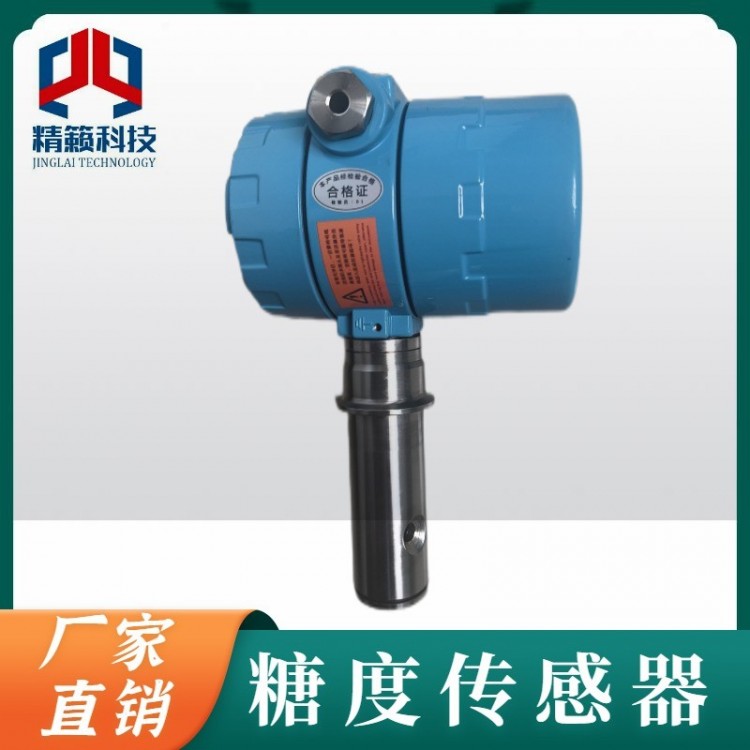
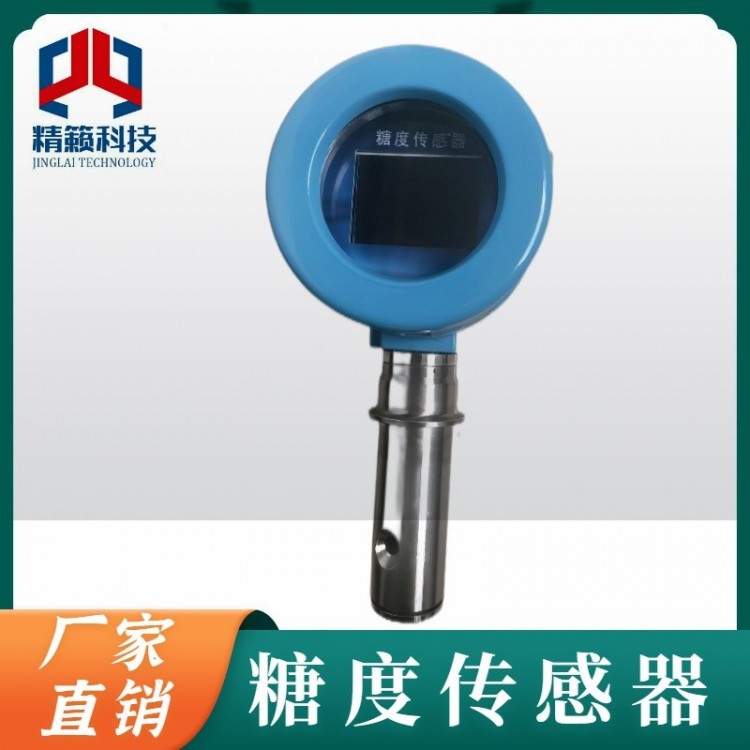
One,Product Overview
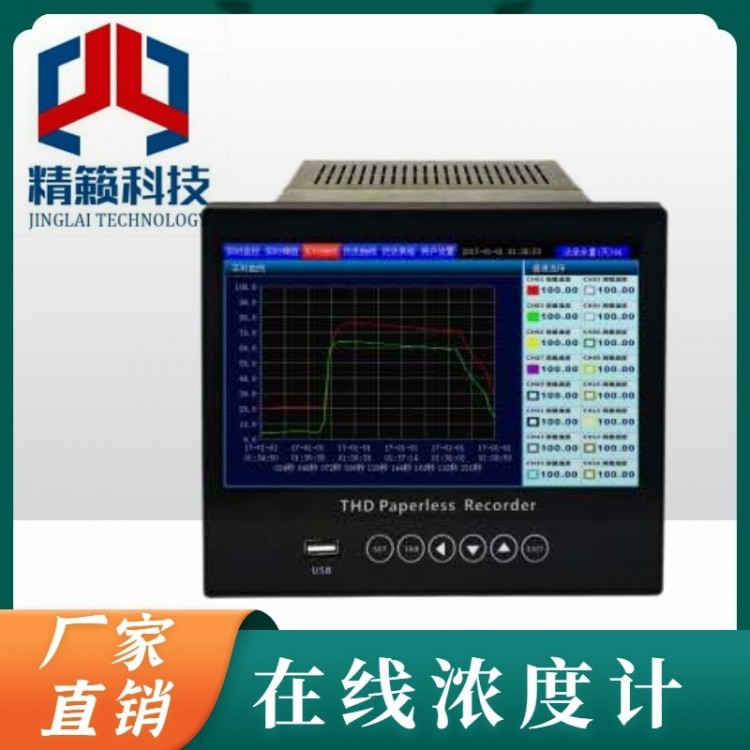
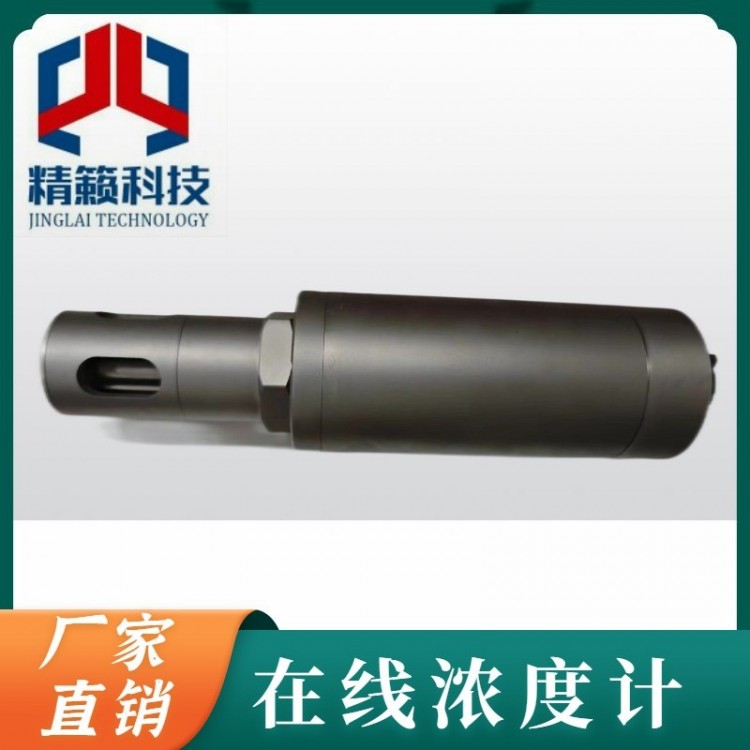
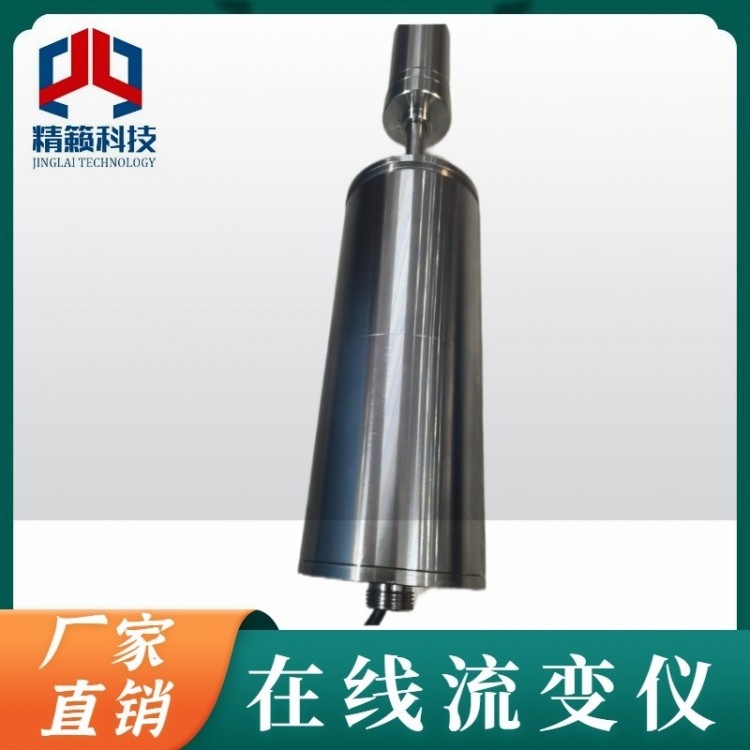
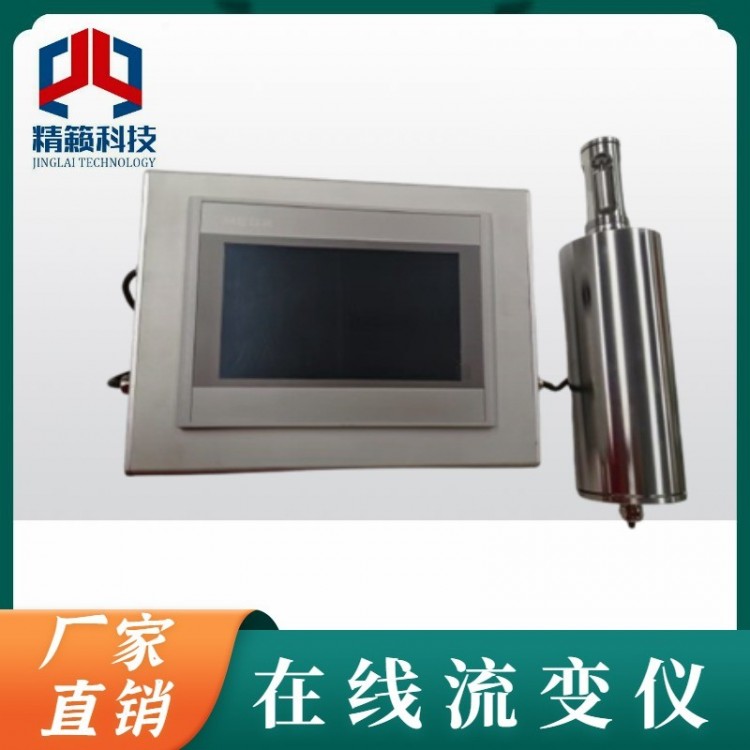
JS-N-YW Salt SprayConcentration Meters utilize imported sensors and microcomputer control for rapid measurement.Salt SprayThe concentration is measured using advanced sensors that collect signals and convert them into electronic frequency signals through an emulator. It features a wide measuring range, high accuracy, and easy operation. This instrument is crucial for improving product quality, reducing production costs, and conserving energy, making it an essential testing device.
Two、Key TechnologiesIndex
Measurement Range:0.00–5.00%
Temperature Range:-30~75℃
Temperature-sensitive components:PT100
Concentration accuracy:±0.2%
Temperature Accuracy: <1℃
Electricity Source:24VDC 0.5A
Input Out:RS485 (MODBUS-RTU)
Response Time:0.5s
Operating Environment:-30℃-75℃
Material Material: Transducer 316L stainless steel; Shell 304 stainless steel
Probe Connection: Threaded ConnectionM36*1.5
Protection Level: IP67
III.Installation and Cleaning
Mechanical Installation
Sensor mountableIn a salt spray test chamber orInstalled onSalt雾Measurement AreaEnsure the integrity of the sensor probeCan withstand salt sprayChineseMeasurementInstalled;BracketAt present, it is recommended to use the installedBracket as low as possibleKeep it as concise as possible.Salt SprayFlow direction is parallel to the horizontal direction of the probe; if notLevelInstallation Environment: Ensure optimal conditions during sensor installation.Salt雾Flowing Fork Surface AreaRecycling RatePlease provide the Chinese content you would like translated into American English.Prevent the formation between the fingers of forksWater dropletsImpacts the detection accuracy.
Electrical Installation
Brown:12~30VDC
Black:GND
White:TR+
Blue:TR-
Supply sensors with a DC stabilized power source, and utilizeRS485 to USB Serial Port Converter
Recommended to useCommunicate between the sensor and the computer host via the UT-890.
Test software installation steps are as follows:
(1) Double-click on SETUP.EXE, follow the steps to complete the installation, and create a shortcut
(2) Navigate to the main interface, click on the menu bar/Device Operation - Open Device, select the serial port number, port number
Please provide the Chinese content to be translated.- Check Device Manager on my computer。
Four: Communication Protocols
Viscosity Sensor Communication ProtocolV1.03
Transmission Method
Communication Parameters:
Port rate:9600
Data bits:8 pieces
Stop bit:1 piece
Parity Check: None
Communication Format:
Byte Number
Byte Meaning
3 Start Tag
4 Viscosity Code Value
5 Viscosity Code Value
6 Mid-value code
7 Temperature Code Value
8 Temperature Code Value
9 Retain0x01
0 End marker
1 Value
2 Value
V. Fault Analysis and Causes
Concentration value too high
Concentration value0Or less than0Sensor probe is not fully immersed in salt fog.
Air entering the detection area
Power supply circuit breaker
Temperature wire break
Temperature Output-256℃~+180℃
Six.JS-ZN Liquid Concentration Sensor Selection Chart
Housing material | 304 | A |
316 | B | |
Live Display | With | X |
N/A | F | |
Temperature | Room Temperature | C |
Above 150℃ | D | |
Output Signal | Switch Quantity | K |
Analog Signal | M | |
Digital quantity | S | |
Internal components | Domestic-made | G |
Internal Components | Imported | W |
Dental Floss Diameter | ||
Display Software | ||
SevenFeature
1. Measured Substance Concentration Display
2. Adjusted category of the item to be tested
3. Sample Concentration Value Calibration
4. Set horizontal adjustment for the measured concentration value.
Set a ceiling with light alarm.
Section 8: Extendable Technology by Jinglai Electronics
1. Connect with upper-level PLC control systems for automatic control (mainly recommended for Mitsubishi, Siemens, and Schneider PLCs).
2. Bluetooth mobile display function, displaying the liquid level height on the phone (within a Bluetooth range of 10 meters).
3. Supports GPRS remote transmission and GSM remote communication.
4. Supports 232, 485 communication, including MODBUS communication protocols, etc.
5. Supports DCS configuration display.
Section 9: Order Instructions
1. Model and Specifications
2. Measurement Range
3. Work Environment
4. Operating Temperature
5. Material Requirements