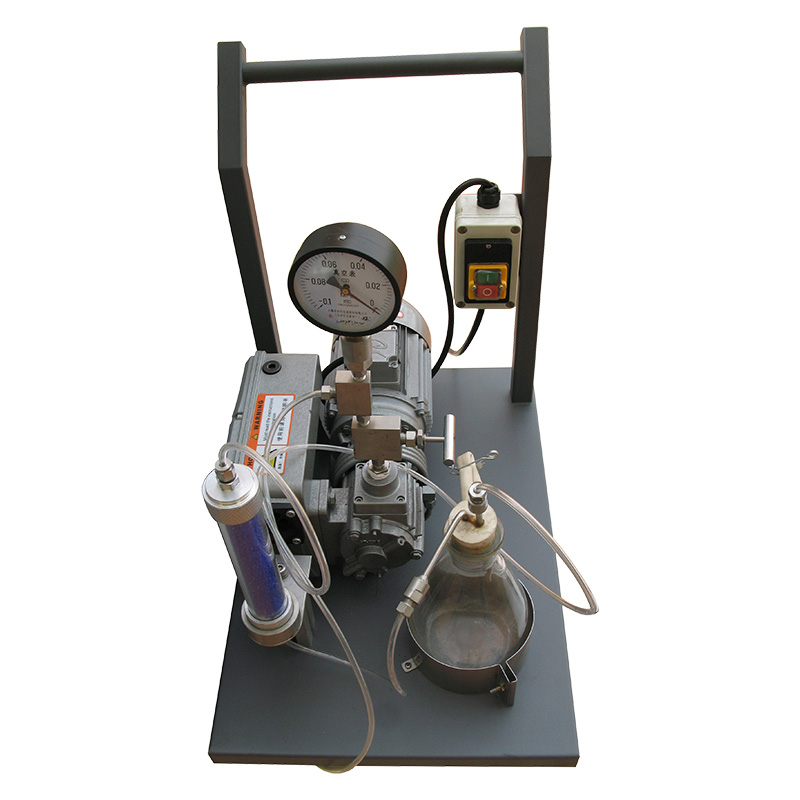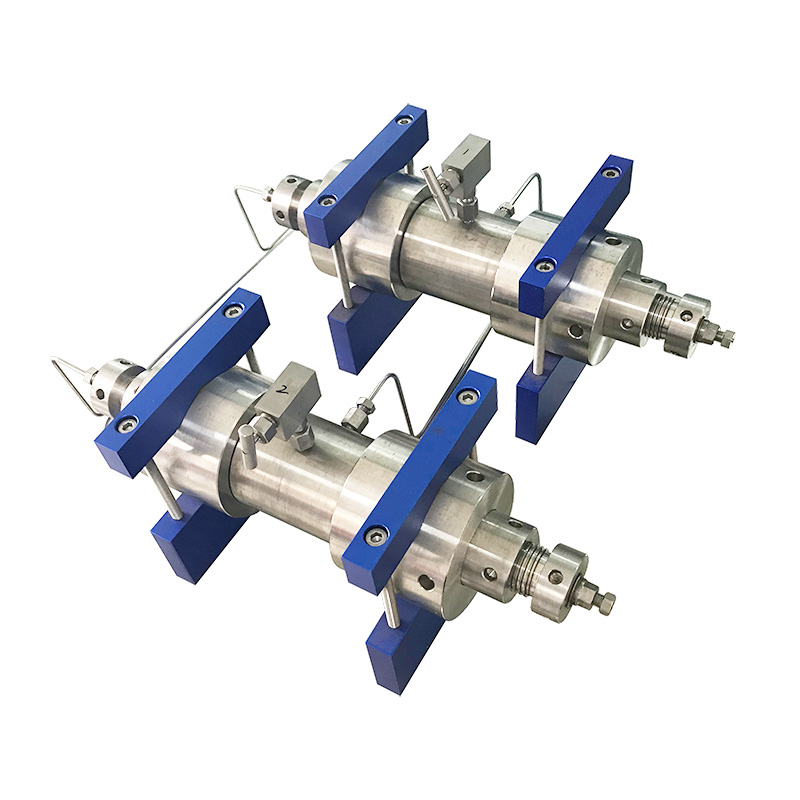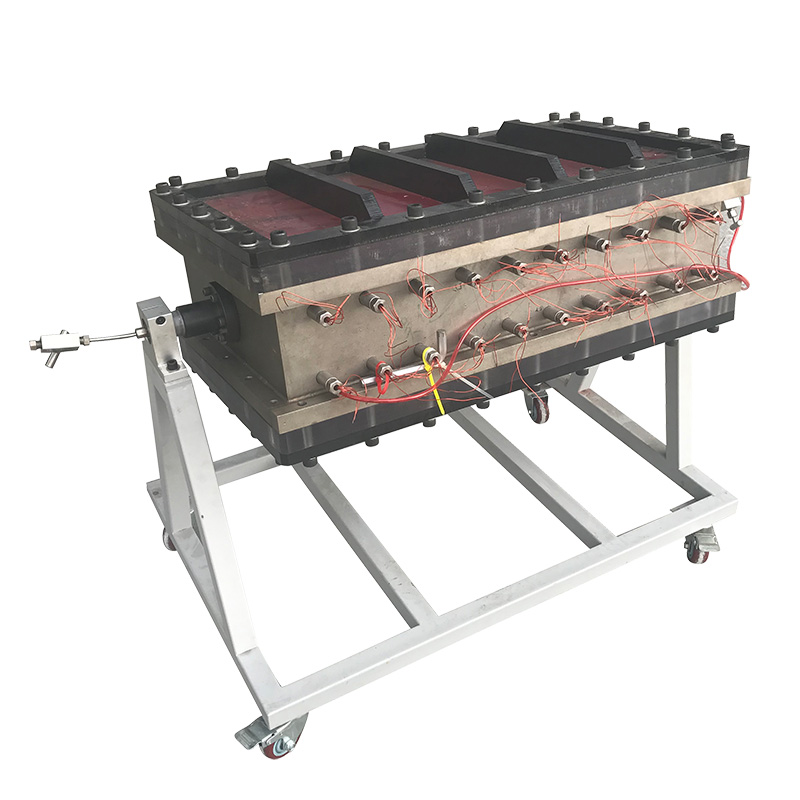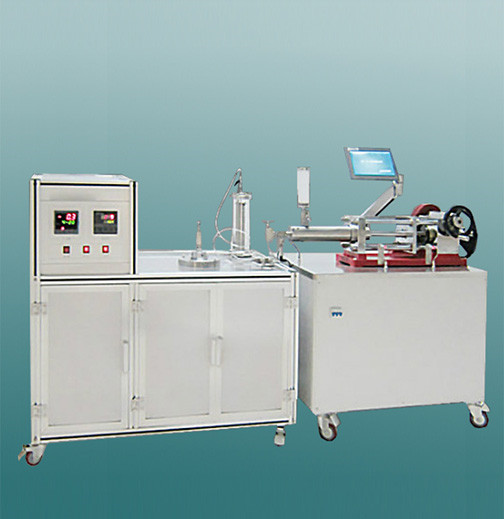

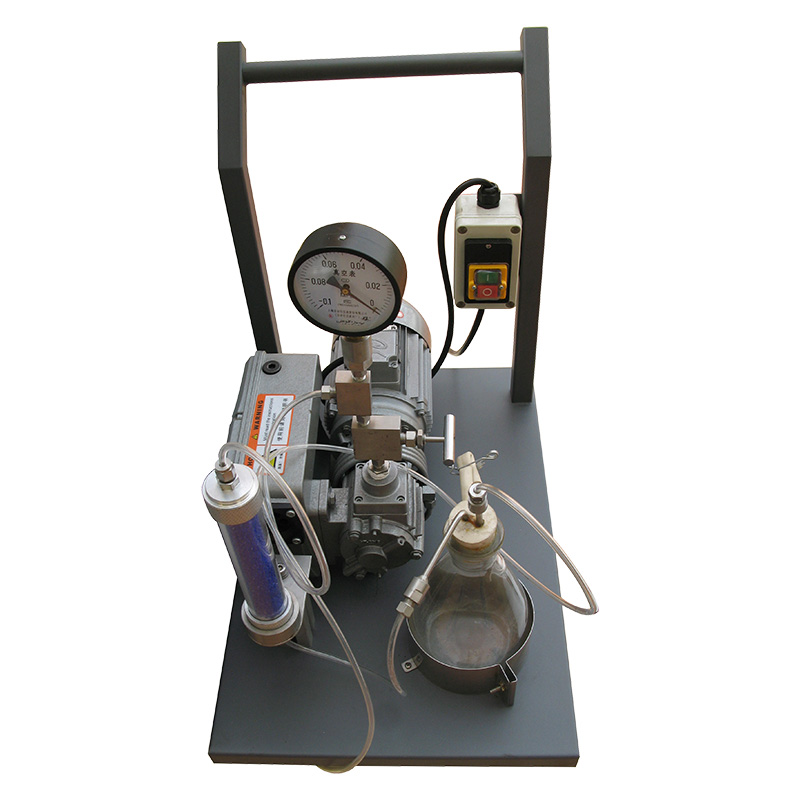
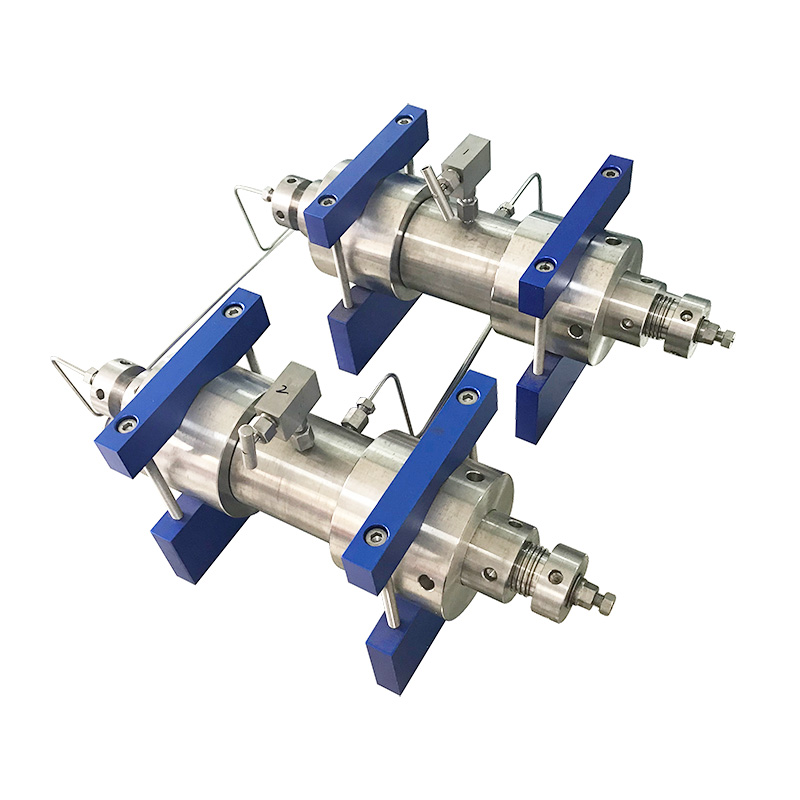


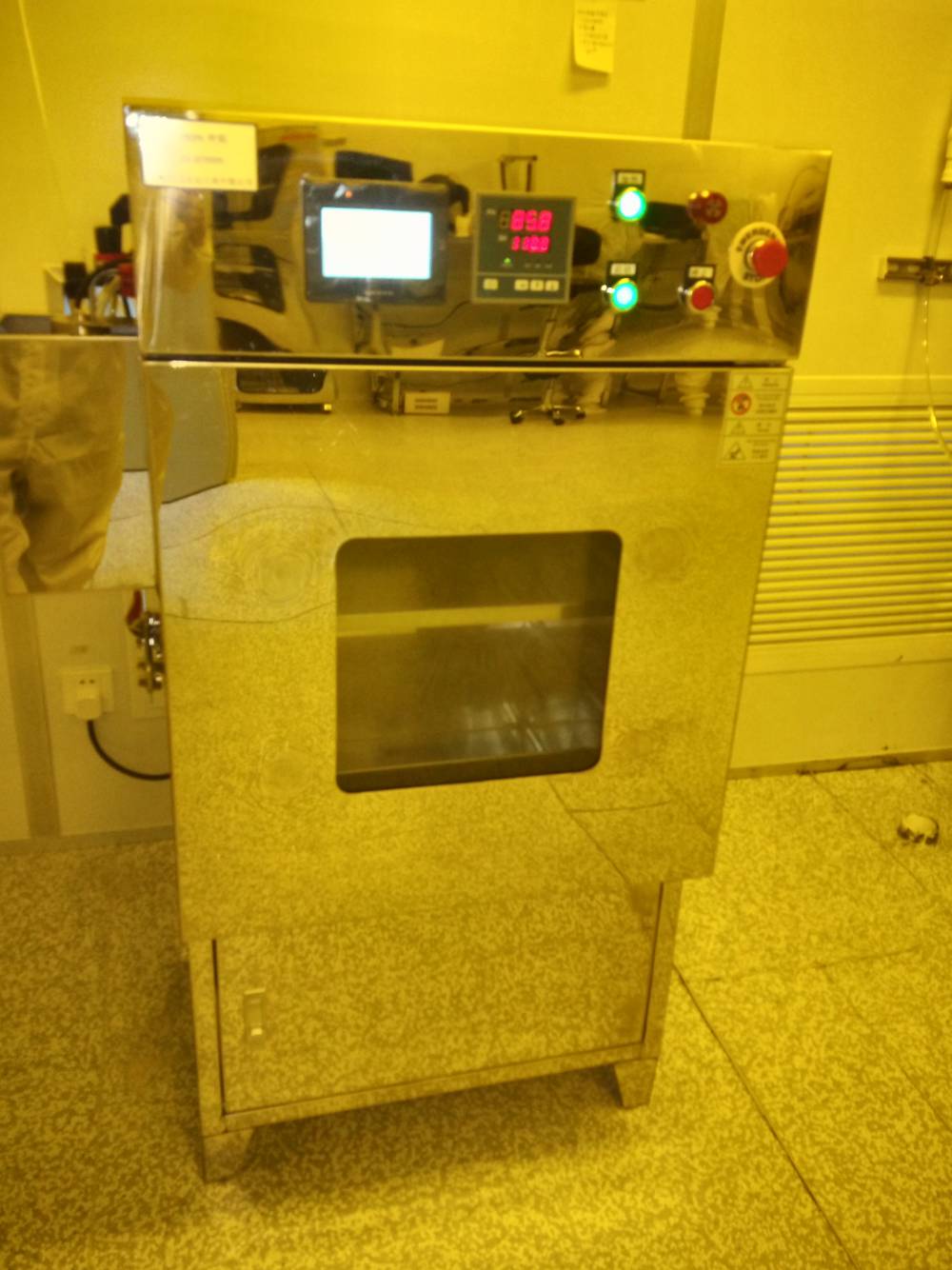
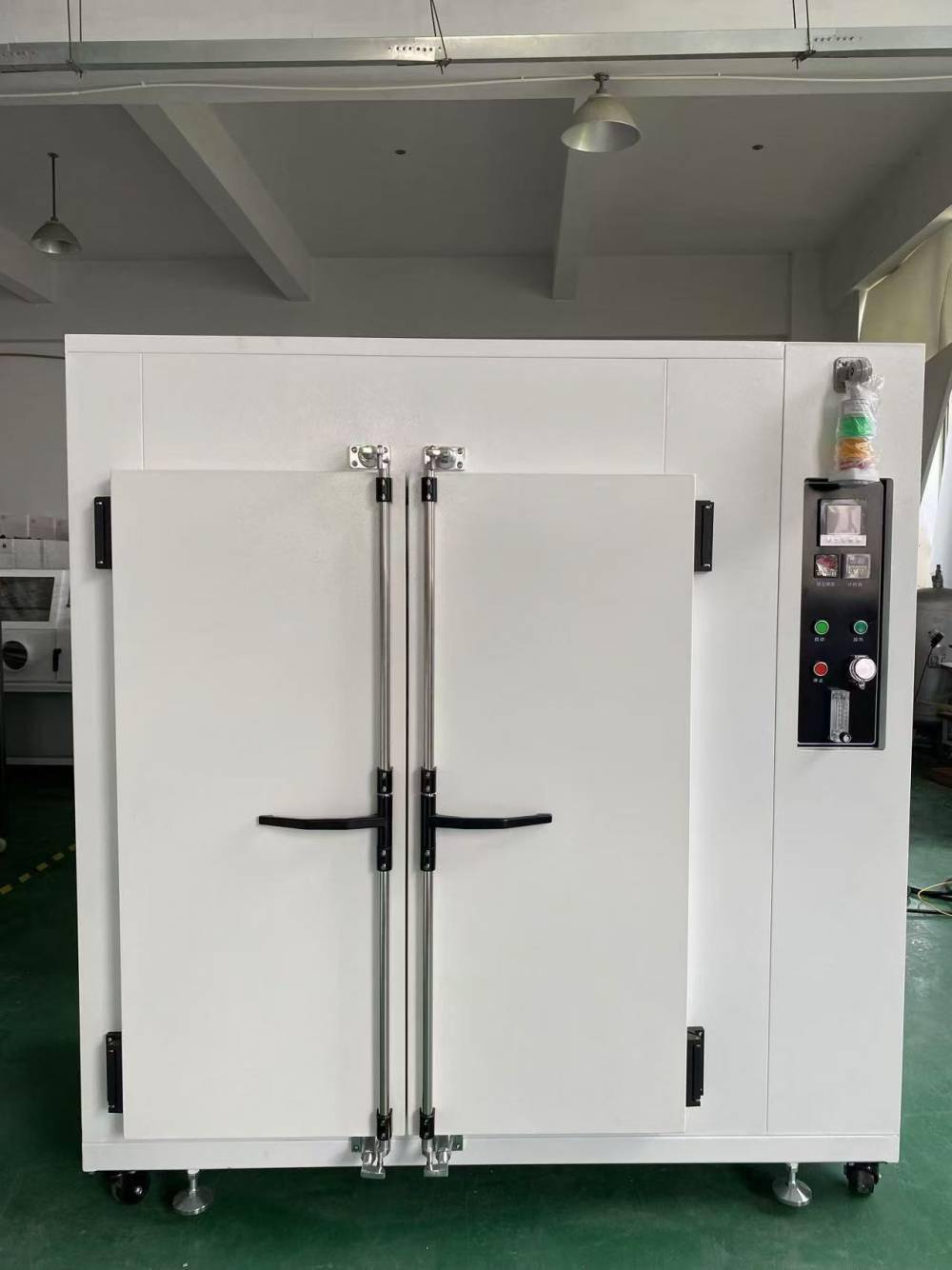
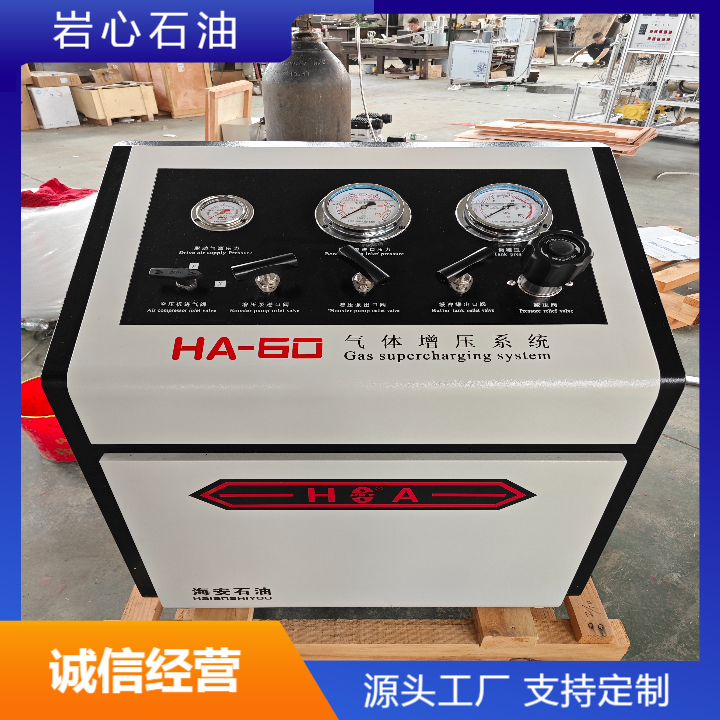
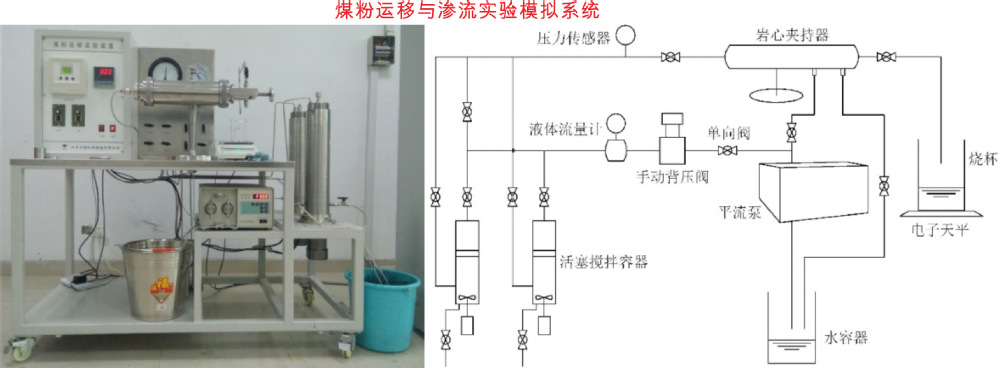






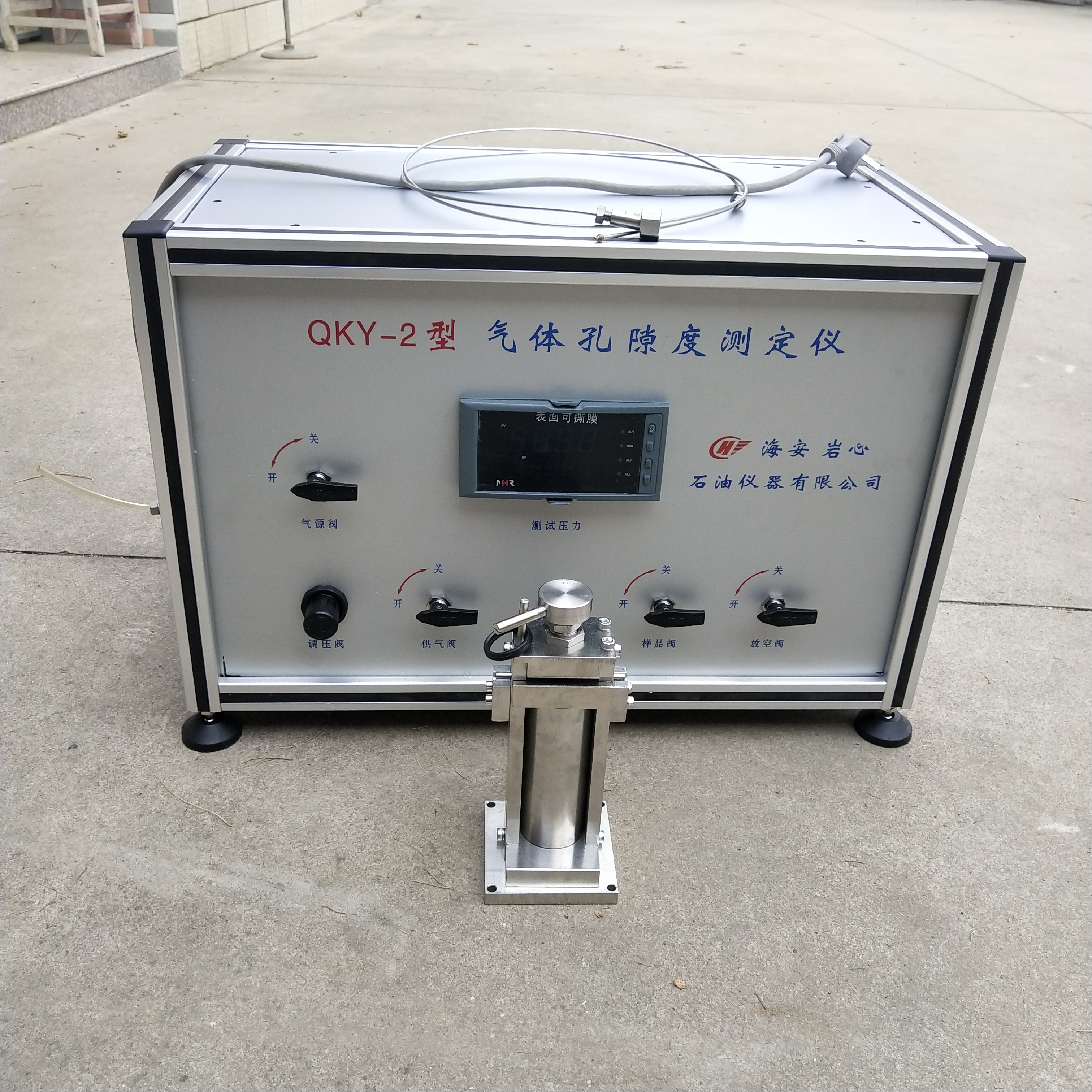
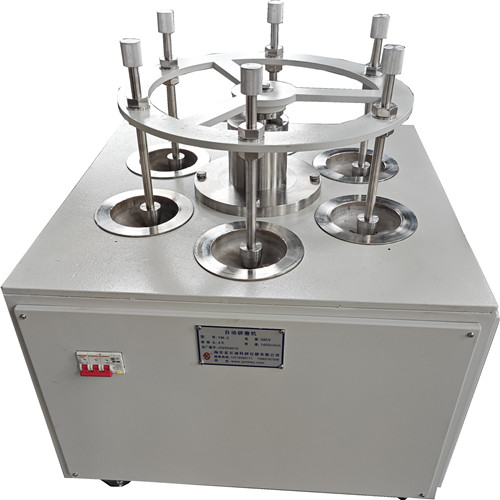
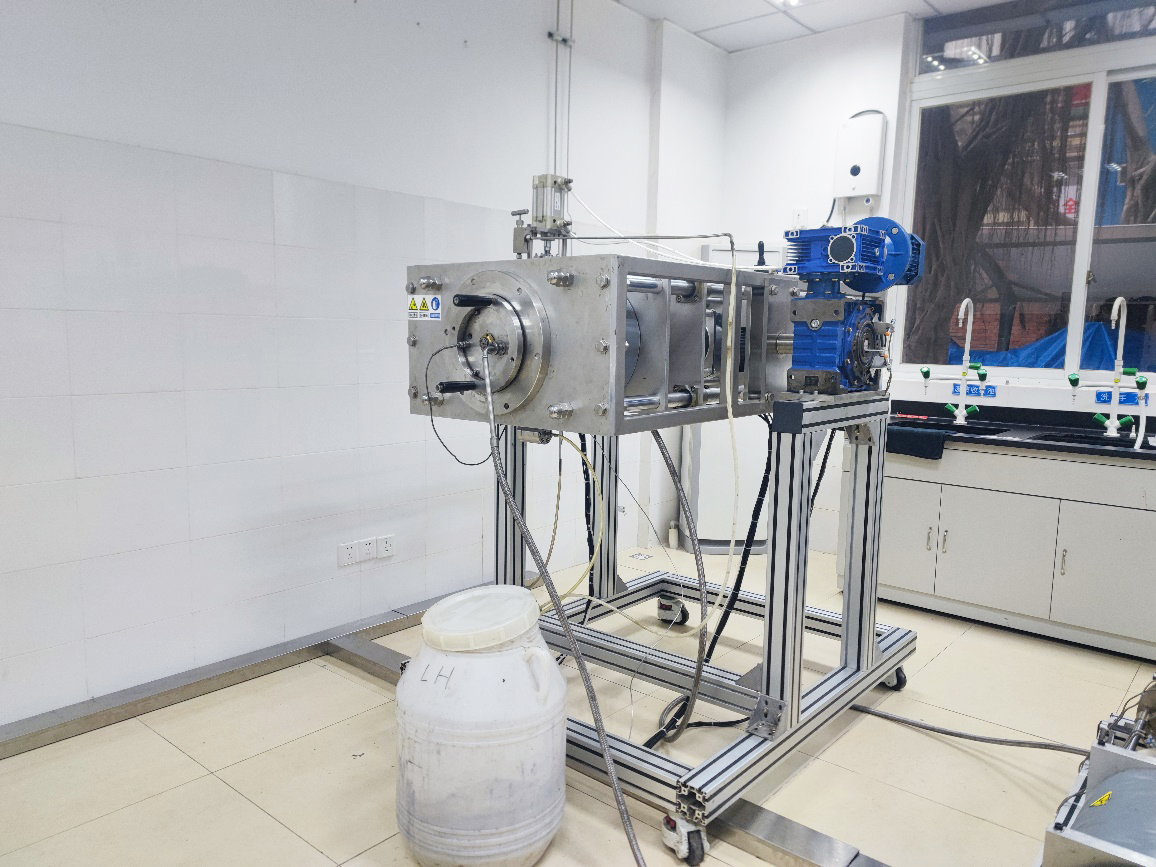

Rock casting technology has a history of nearly fifty years since its proposal and development. Domestic geological and petroleum departments primarily utilize rock castings and casting slices to study the porosity, type, and distribution of reservoir rocks. Its working principle involves injecting liquid dye into the rock pores under vacuum and pressure, then heating it to solidify. In the solidified rock, the spaces occupied by the dye represent the interconnected pore throat spaces. The rock injected with dye is further processed into rock thin sections, known as casting thin sections. If the rock injected with dye is treated with acid, eroding the碎屑 minerals, rock fragments, and cementing materials, it forms the spatial structure of rock porosity. Specifications and Parameters: 1. Operating Pressure: 80MPa; 2. Operating Temperature: 200℃; 3. Vacuum Degree: -0.098MPa; 4. Heating Power: 1KW; 5. Effective Volume of Casting Cylinder: φ40×260, φ27×260 (glass tube size); 6. Minimum Effective Pore Throat Radius for Casting Medium Injection: 0.2?m.