



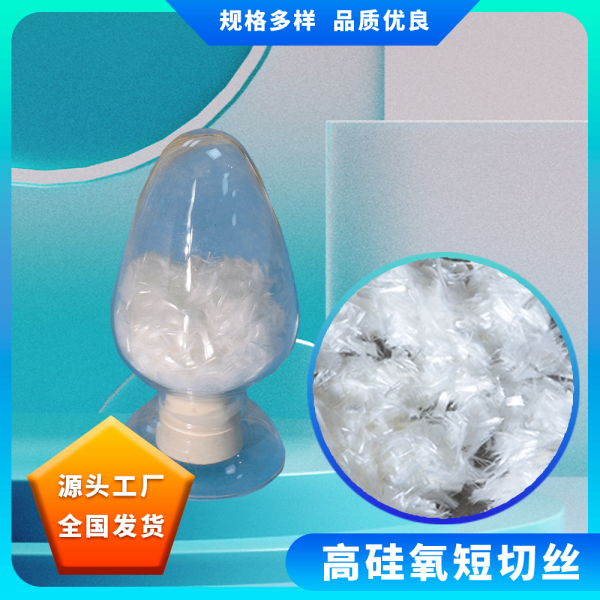











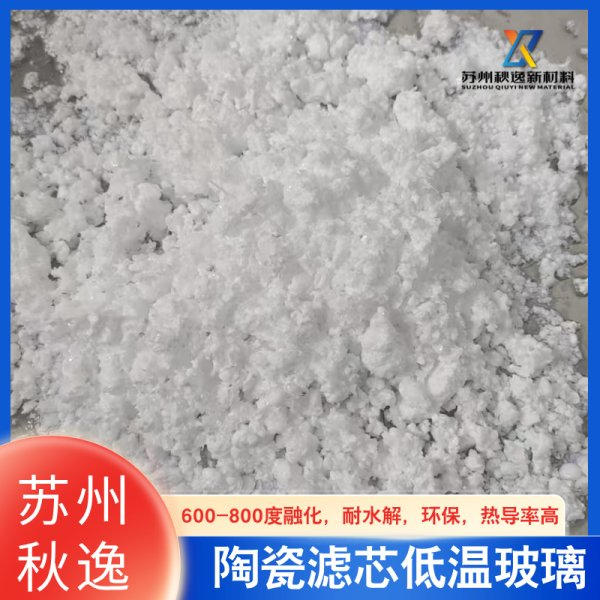
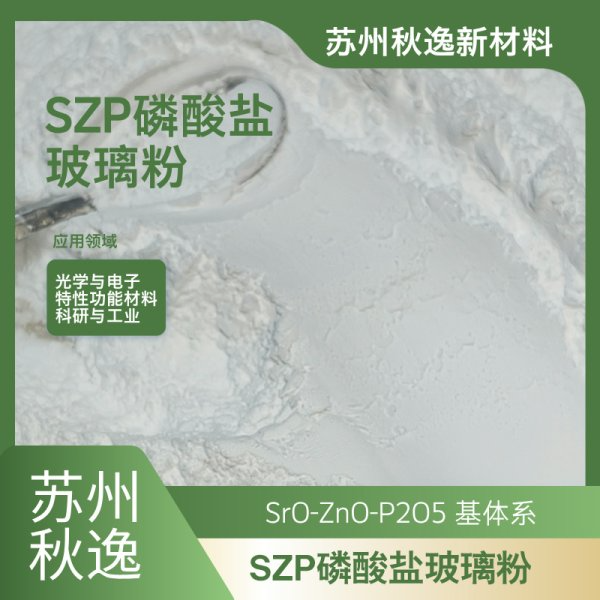
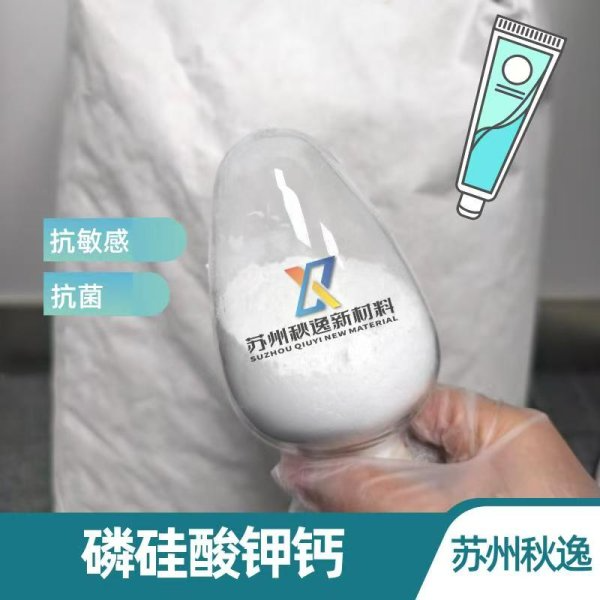
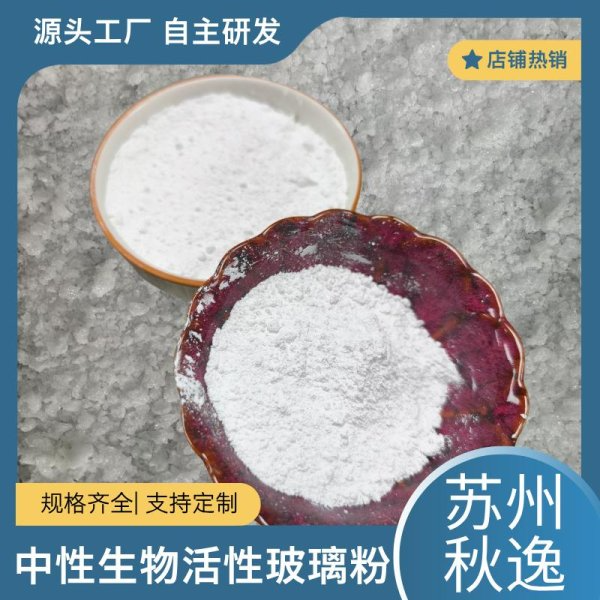
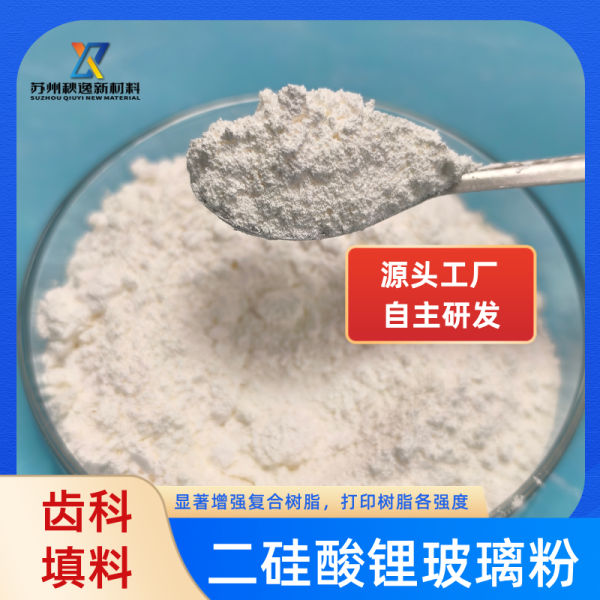
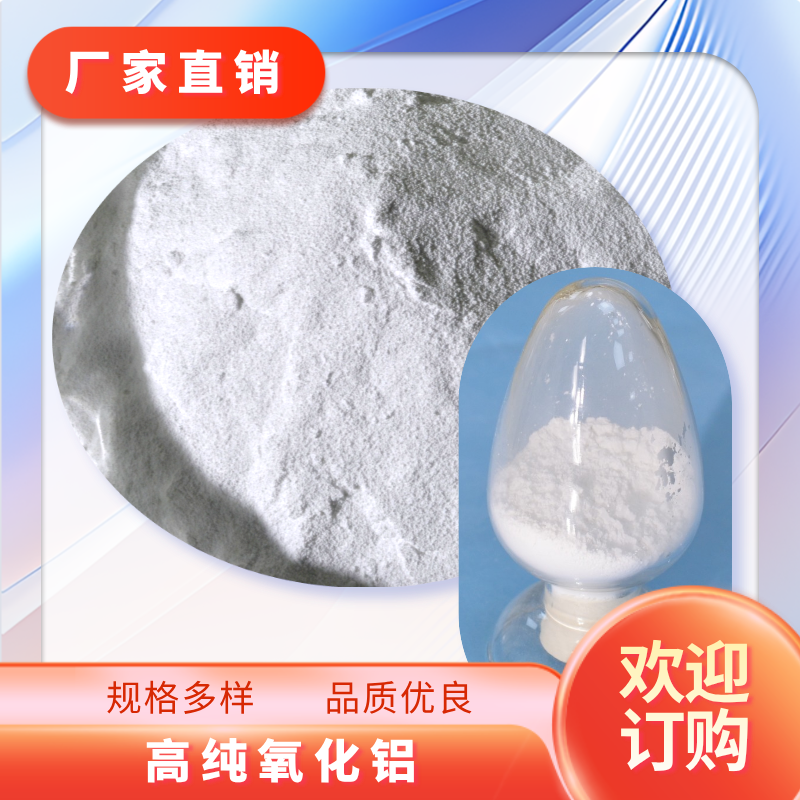
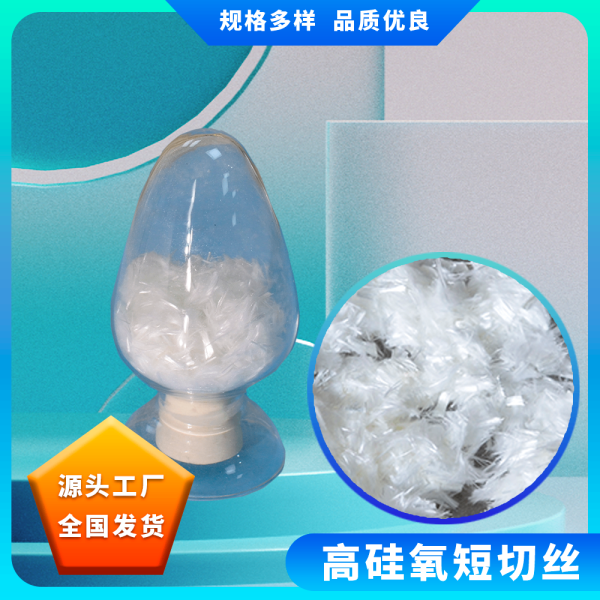
We offer various specifications; let's introduce one of them:
- Density: Typically around 2.254 g/cm³, some sources indicate a density above 2.2 T/m³.
- Moisture Content: Less than 0.5%.
- Fiber Diameter: Typically 9-13μm, but finer fiber powders are also available, with particle sizes up to 10-23μm.
- Length-to-diameter ratio: Typically between 4:1 to 8:1, but some ultra-fine glass fiber powders may have a higher length-to-diameter ratio, such as 37-52.
Glass fiber powder, with its superior performance, is widely used in various fields:
- Enhanced Materials: Adding to plastics, rubbers, resins, and other materials can significantly enhance their strength, rigidity, and wear resistance. For instance, adding 10% glass fiber powder to PP can increase its single fiber tensile strength by 20-22%.
- Insulating Materials: Utilizing its excellent insulating properties, glass fiber powder is commonly used to manufacture electrical insulation components, such as the insulating layer for wires and cables.
- Fire-retardant Materials: Glass fiber powder, due to its high-temperature resistance, is used to produce fire-retardant coatings and fire-resistant boards.
- Composite Materials: Mixed with other materials to form composites such as fiberglass, offering advantages like lightweight, high strength, and corrosion resistance. The fiberglass industry is one of the primary applications for glass fiber powder, accounting for about 70% of its total consumption.
- Building Materials: In the construction field, glass fiber powder is used for the production of insulation materials, waterproofing materials, and as a thermal insulation layer for building facades, interior wall decoration, and moisture-proof and fire-resistant materials for interior walls.
- Friction materials: Used in automotive brake pads, clutch discs, and other friction components to enhance friction performance and wear resistance.




















