













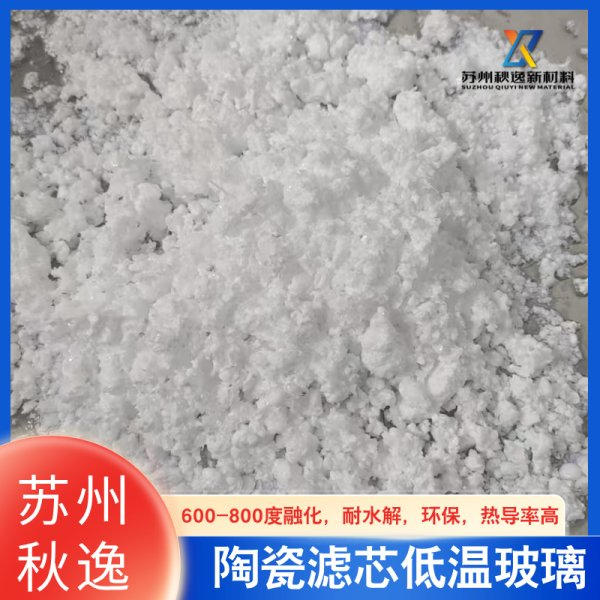
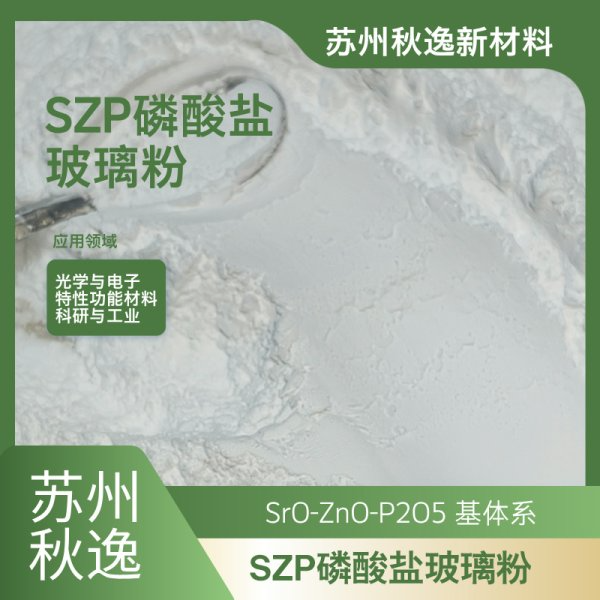
Generally, it is...Diphosphorus pentoxide(P2O5) serves as the primary glass-forming body, and it may also contain alkali metal oxides (such as Na2O, K2O), alkaline earth metal oxides (such as CaO, MgO), and other metal oxides (such as Al2O3, ZnO, etc.). The varying proportions of these components will lead toPhosphoric AcidSalt glass powder varies in performance.
Acidity: Due toPhosphoric AcidThe presence of salt carries a certain acidity.
Solubility: Generally, insoluble in water and most organic solvents; soluble in acidic solutions.PhosphorusThe dissolution rate of salt glass powder typically accelerates as acid can react with basic oxides in glass, disrupting its network structure. In contrast, its solubility is relatively lower in alkaline solutions.
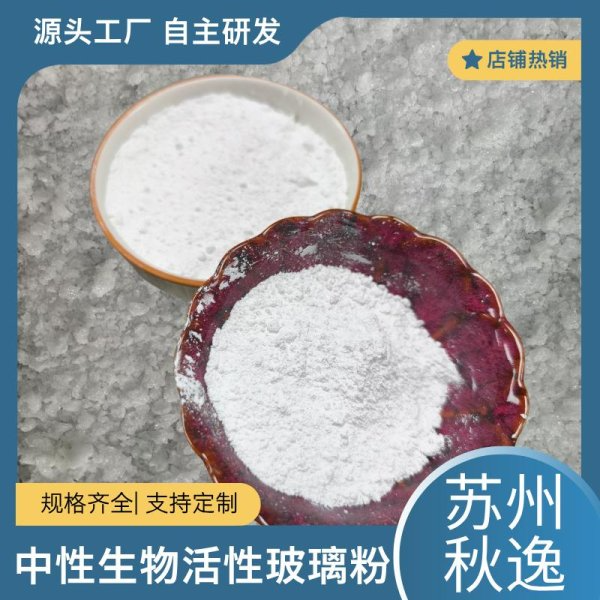
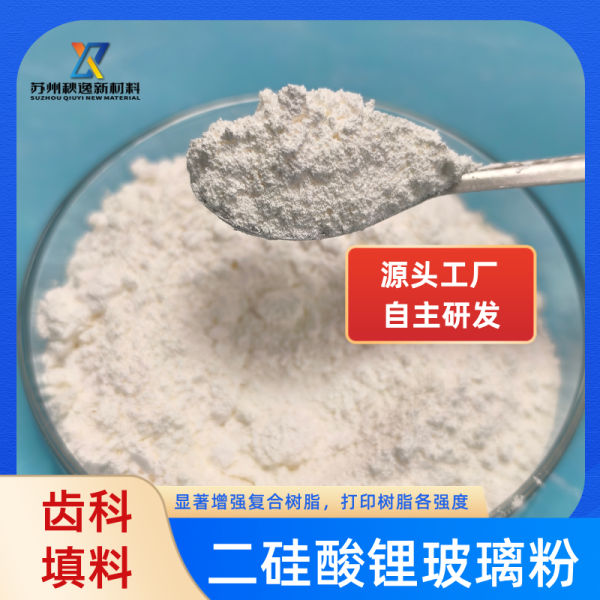
Appearance: Generally a white or colorless transparent powder, usually in the micron level or finer.
Density: The density is relatively high, typically around 2.5-3.0 g/cm³, due to the closely packed atomic arrangement and the relatively large atomic masses of elements like phosphorus and silicon.
Hardness: High hardness, Mohs hardness typically between 5-7, suitable for applications requiring good wear resistance.
Good thermal stability: Maintains its physical and chemical properties stable within a certain temperature range, can withstand high temperatures without significant deformation or melting.
Coefficient of Thermal Expansion: The coefficient of thermal expansion is relatively small and adjustable, typically around (5-10)×10⁻⁶/°C. This allows it to match well with many materials in terms of thermal expansion, making it suitable for applications requiring sealing or bonding with other materials.
Optical Performance
Refractive Index: The refractive index typically ranges between 1.5 to 1.7, which can be adjusted according to specific components. This makes it applicable in the optical field, such as for manufacturing optical lenses, prisms, and other optical components.
Transparency: Offers excellent transparency in the visible and near-infrared light regions, with a transmission rate exceeding 90%, suitable for components or materials requiring light transmission.
Insulation: Possesses excellent electrical insulation properties with high resistivity, typically ranging between 10¹²-10¹⁵ Ω・cm, suitable for applications in electrical insulation materials and similar fields.
Application Fields
Electronic Packaging: With its excellent insulation, sealing properties, and matching thermal expansion coefficient with electronic components, it has become the ideal material in the electronic packaging field. It is suitable for manufacturing insulating coatings for electronic components, encapsulation shells, substrate materials, etc., protecting the components from external environmental influences and enhancing the stability and reliability of electronic devices.
Coatings & Paints: Enhance the hardness, flexibility, and scratch resistance of coatings while maintaining high transparency. Suitable for producing scratch-resistant topcoats, crystal-clear primers, and other products, improving the quality and market competitiveness of paint products.
Optics Field: With its high transparency and stable optical properties, it holds potential applications in optical glass manufacturing and optical device encapsulation. It can be used to adjust the refractive index and dispersion of optical glass, meeting the special requirements of different optical instruments for glass optical performance.




















