





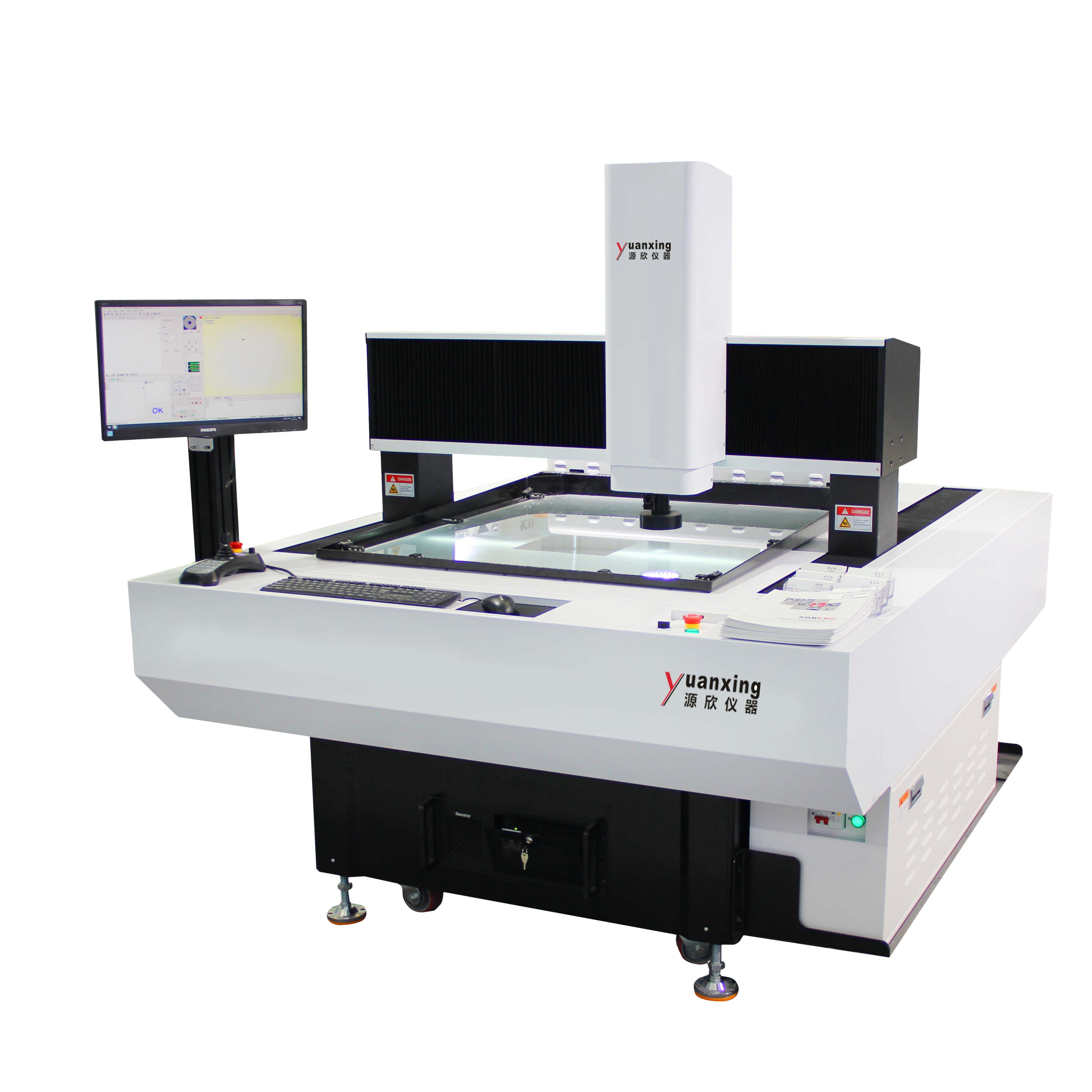





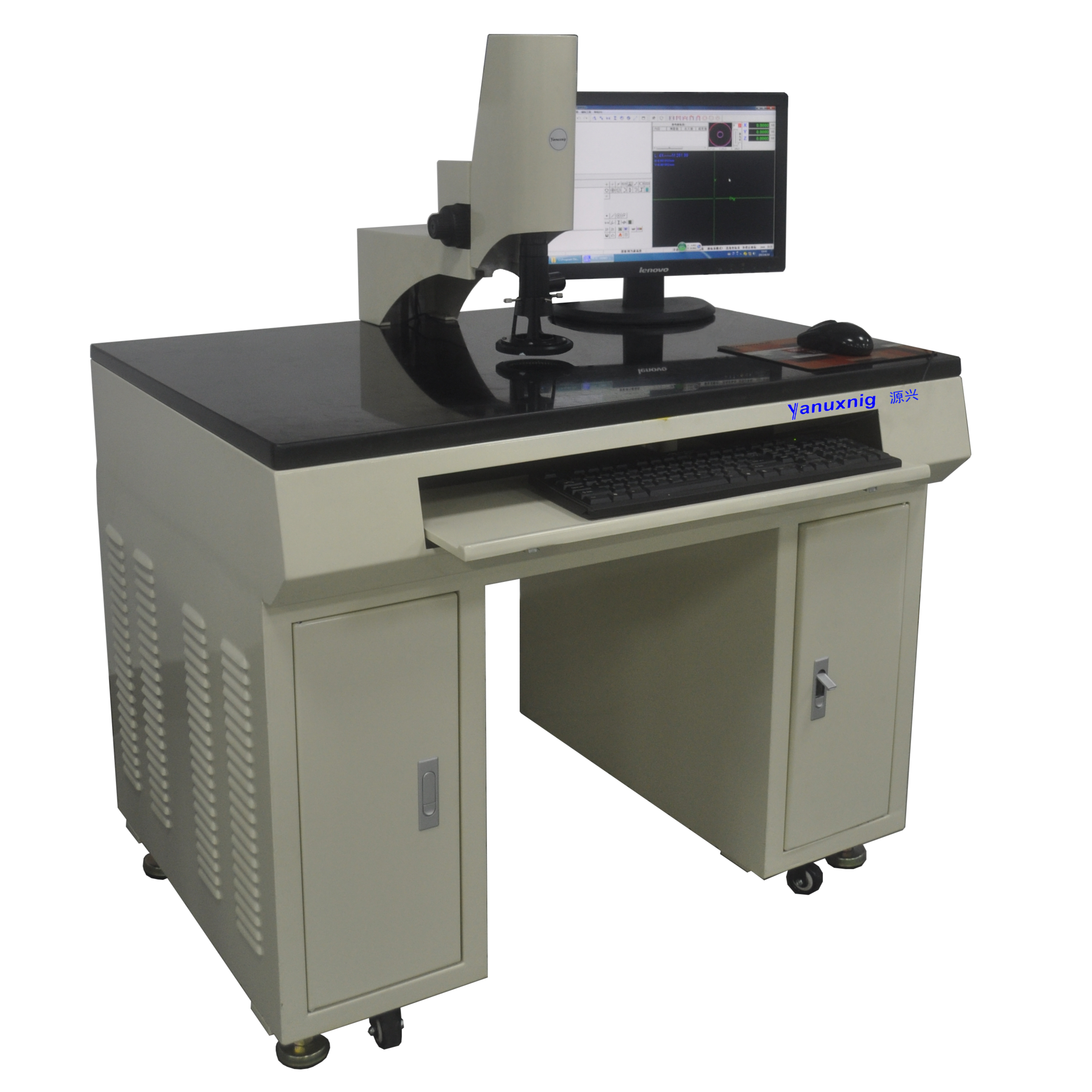
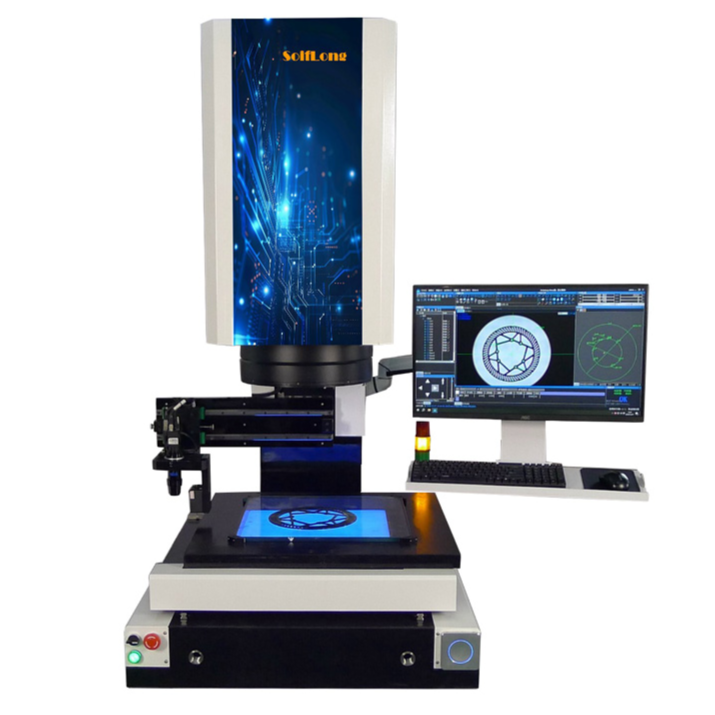
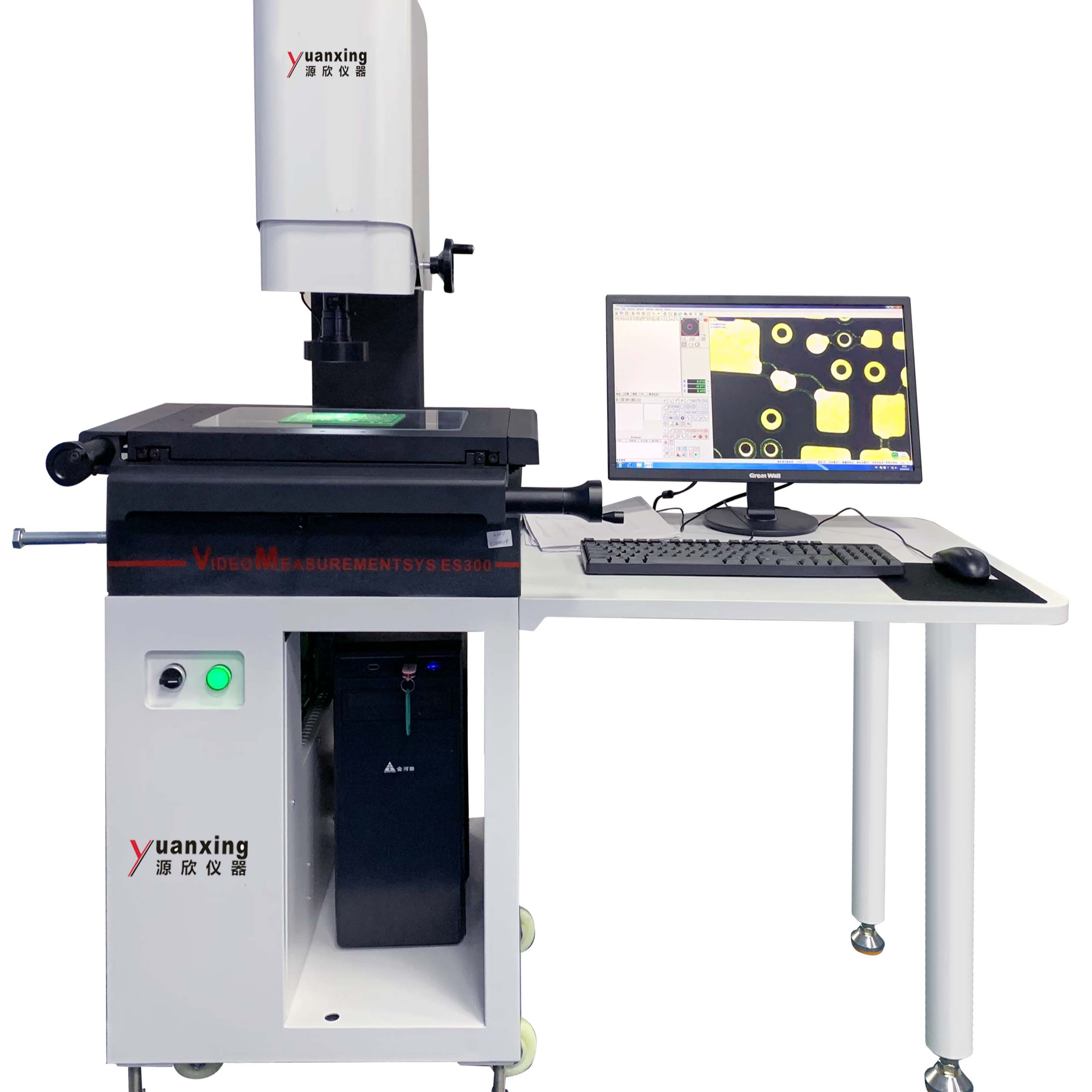
Product Introduction:
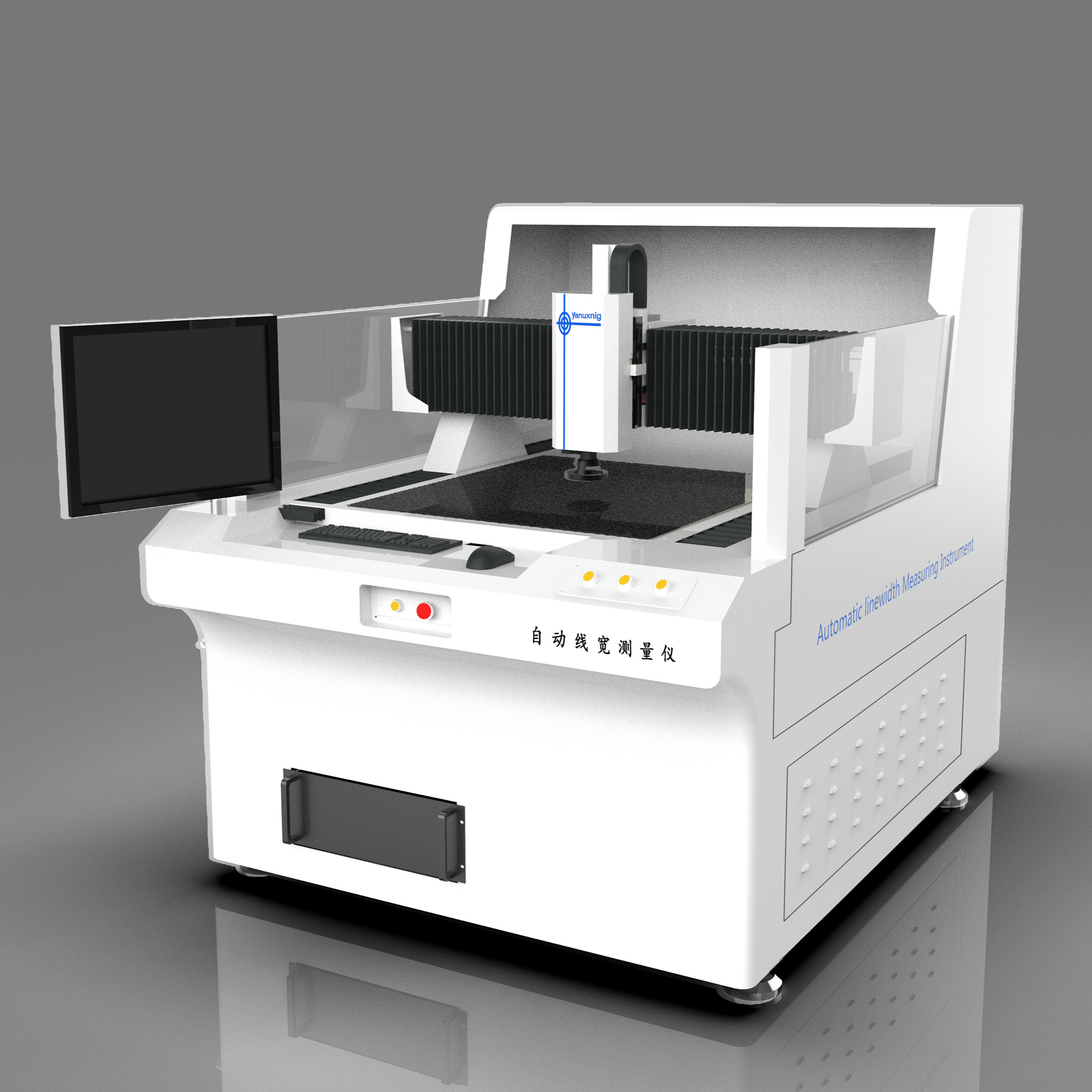
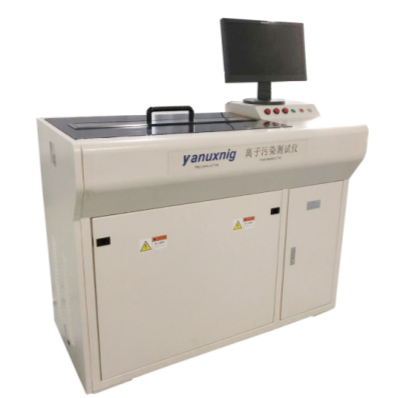
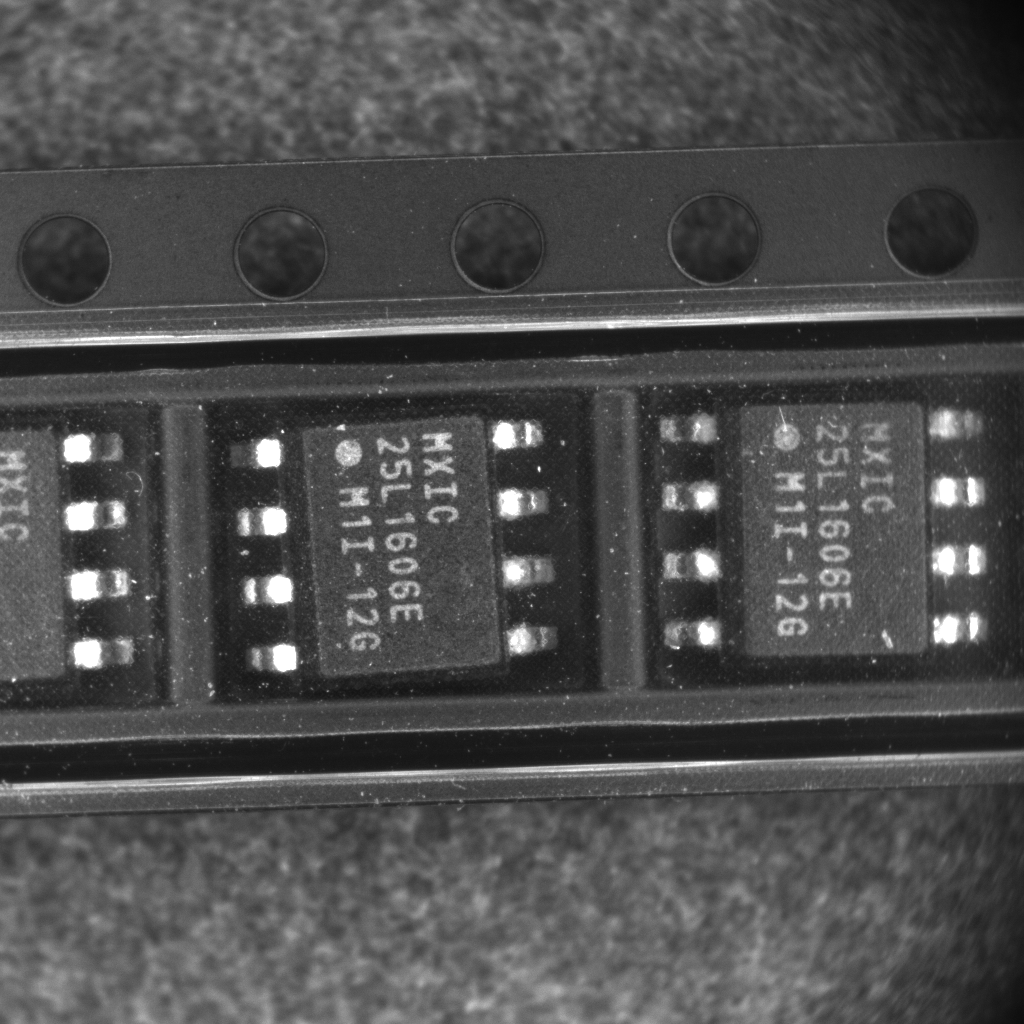
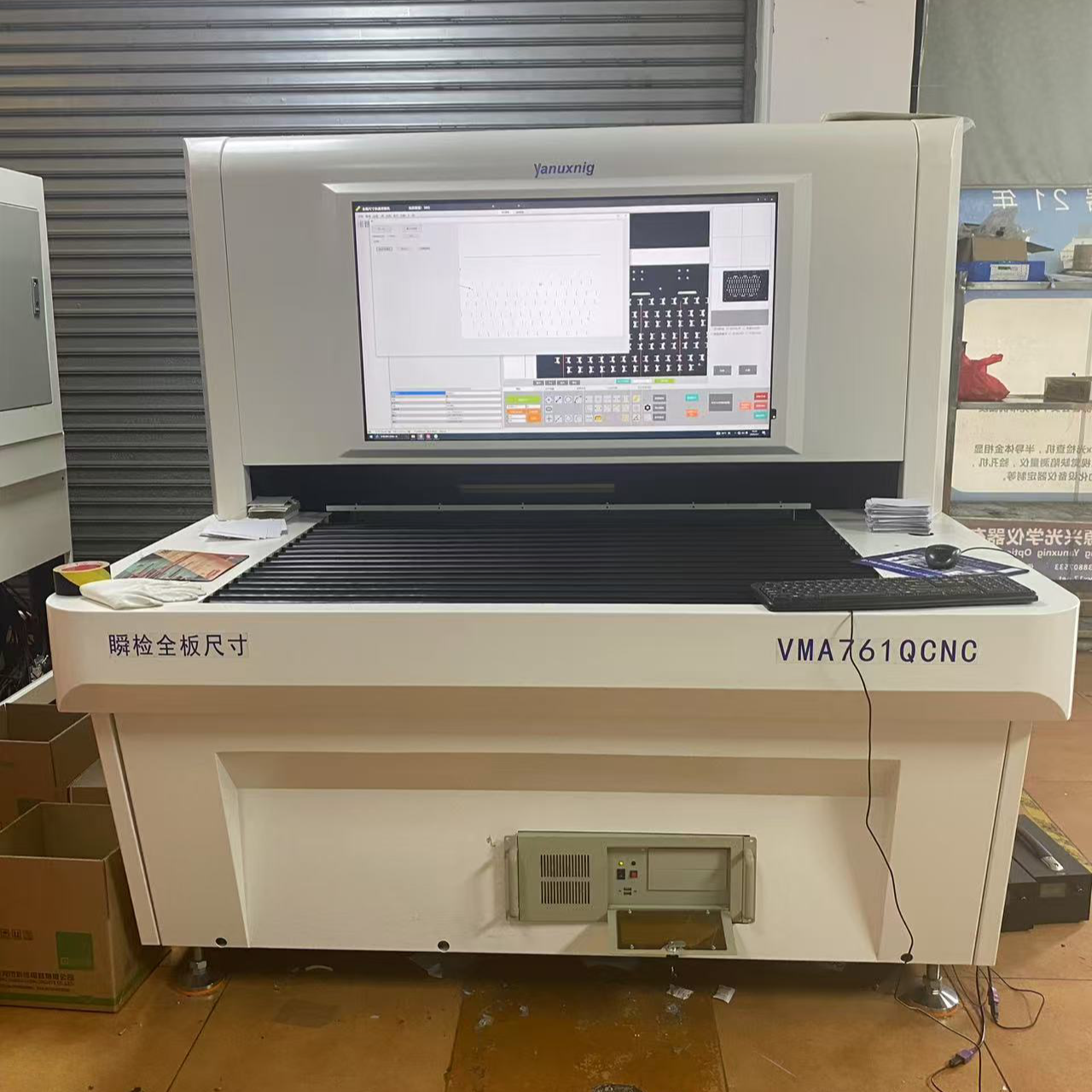
Visual defect detection is a process that uses computer vision technology to automatically identify anomalies on or within product surfaces (such as scratches, cracks, stains, size deviations, etc.). Its core goal is to enhance the efficiency and accuracy of quality control, replacing or supplementing traditional manual inspection, reducing production costs, and minimizing human errors.
Product Introduction:
1. Definition and Core Objectives
Visual Defect InspectionIt is a process that utilizes computer vision technology to automatically identify anomalies on or within product surfaces (such as scratches, cracks, stains, dimensional deviations, etc.). Its core objective is to enhance the efficiency and accuracy of quality control, replacing or supplementing traditional manual inspections, reducing production costs, and minimizing human errors.
2. Application Scenarios
ManufacturingWeld defects in electronic components, surface blemishes on automotive parts, and fabric color discrepancy detection.
· Food IndustryPackaging integrity check, foreign matter detection (e.g., metal fragments).
· Medical SuppliesFieldTablet defects and liquid impurities identification.
SemiconductorWafer cutting defects, PCB solder joint quality.
Printing IndustryCharacter blur and color matching deviation detection.
3. Technical Principles and Process
Image CaptureCapture images using high-resolution industrial cameras, 3D scanners, or multispectral sensors, complemented by customized lighting sources (such as ring-shaped LEDs) to minimize reflective interference.
· Pre-treatmentNoise reduction (Gaussian filtering), contrast enhancement (histogram equalization), geometric correction (affine transformation).
Feature Extraction:
o Traditional MethodsEdge detection (Canny operator), texture analysis (gray-level co-occurrence matrix), template matching.
Deep Learning TechniquesCNN (ResNet for deep feature extraction), object detection model (YOLOv5 for locating defect areas).
· Categories & DecisionsTraditional features for SVM or random forest classification; deep learning end-to-end output for defect categories and locations, combined with confidence threshold filtering for false positives.
4. Technical Advantages
EfficiencyInspect hundreds of parts per second (e.g., iPhone screen inspection speed is 0.5 seconds per piece).
High precisionAccuracy of over 99.99% (approximately 85% by human), micron-level defect recognition (such as chip linewidth detection).
Non-contactSuitable for fragile materials (such as solar cell silicon wafers).
7x24-hour operationContinuous inspection on the car production line, no fatigue issues.
5. Key Challenges
· Data scarcityRare defect samples are scarce; require data augmentation (GAN-generated simulated defects) or few-shot learning.
· Complex backgroundMetal reflective interference (polarized light solution), multi-material mixed scenarios.
· Real-time requirementHigh-speed production lines require millisecond-level response (model lightweightening, such as MobileNet deployment).
Generalization abilityModel performance degrades when transitioning across production lines, requiring transfer learning or domain adaptation techniques.
6. Application Cases
Semiconductor IndustryASML wafer inspection machines utilize EUV imaging and deep learning to identify defects in the 5nm process.
Automotive ManufacturingTesla Body Weld Spot AI Detection, false detection rate <0.01%.
· Food PackagingAmcor intelligent inspection line, foreign matter recognition accuracy up to 50μm.
Medical ImagingUnited Imaging Medical's CT imaging system automatically detects lung nodules, aiding in early screening.
7. Future Trends
Multimodal fusionCombine infrared thermal imaging (detecting internal voids) with visible light data.
Edge AINVIDIA Jetson Edge devices enable real-time detection, reducing reliance on the cloud.
Self-supervised learningUtilize unlabelled data pre-trained models to reduce annotation costs (such as the MAE framework).
Digital TwinVirtual simulation environment pre-trained detection system, accelerating industrial deployment.