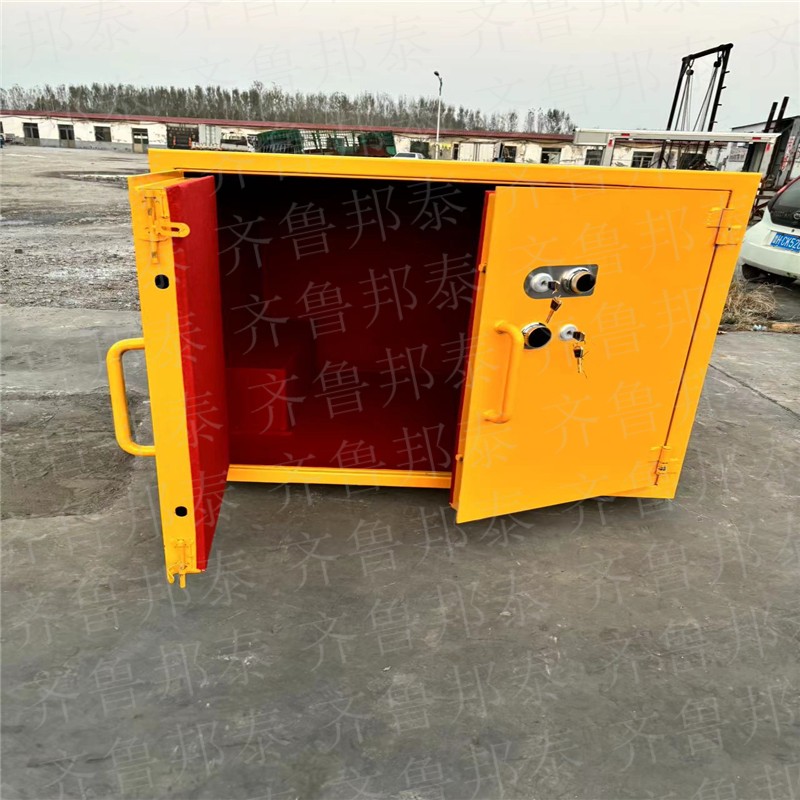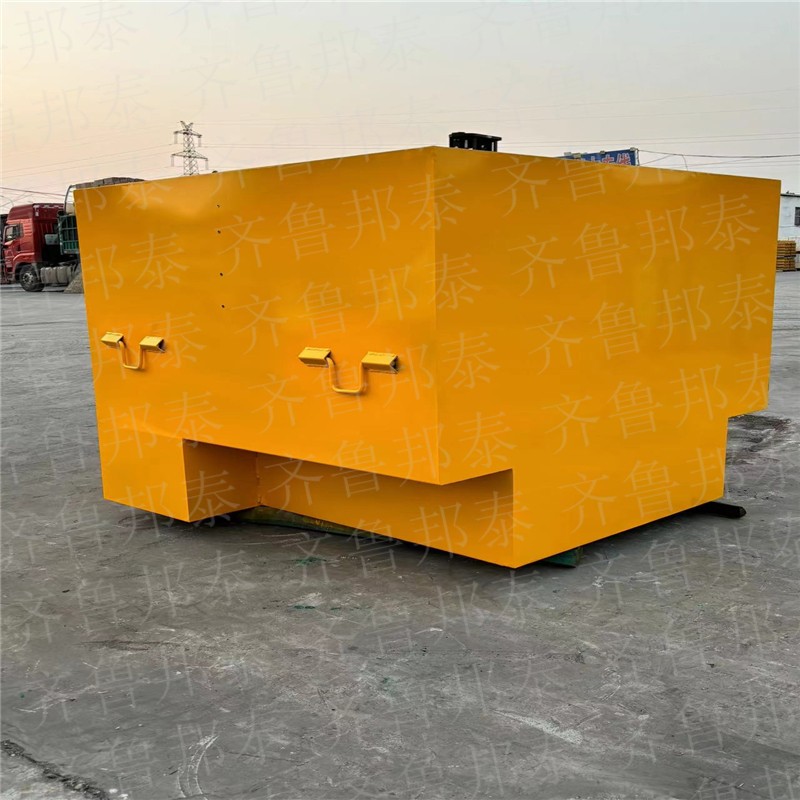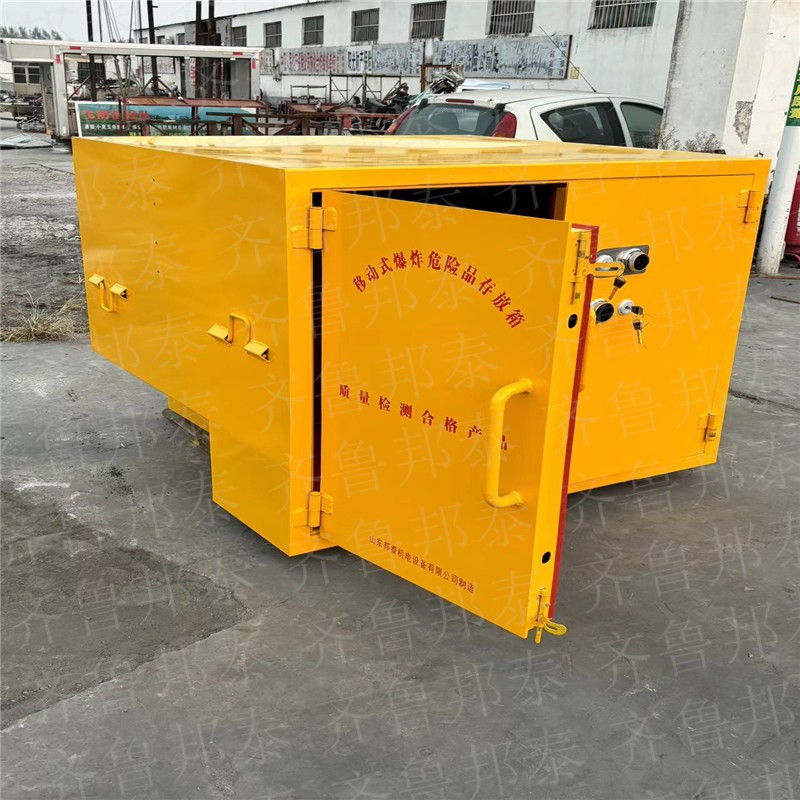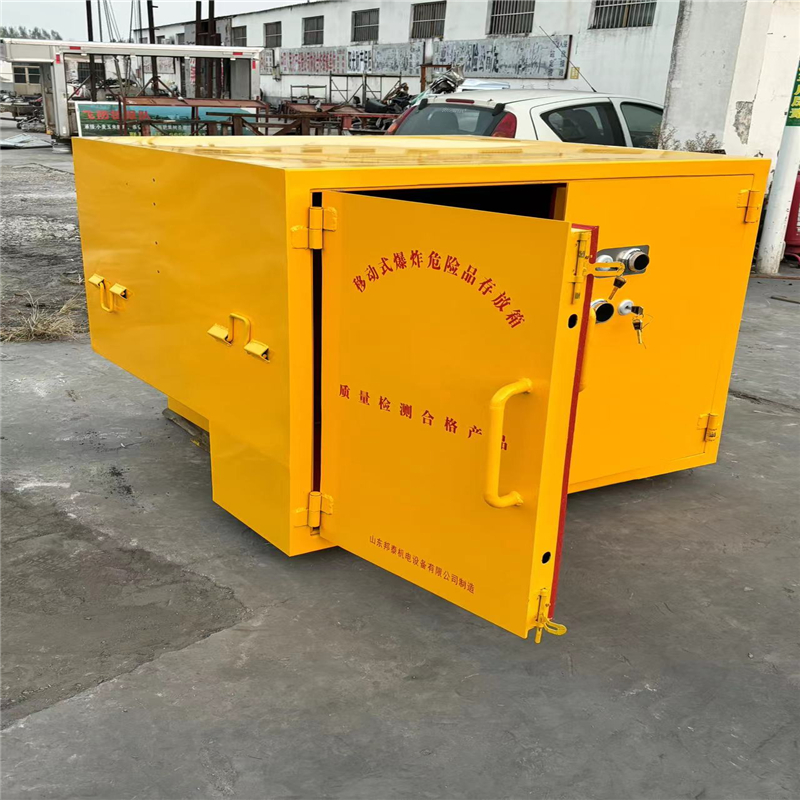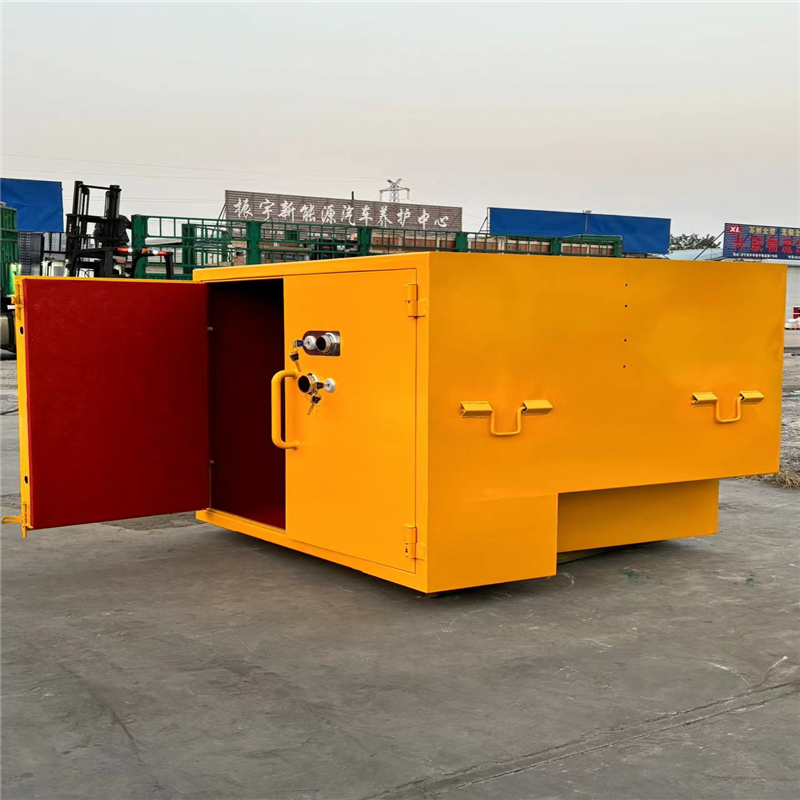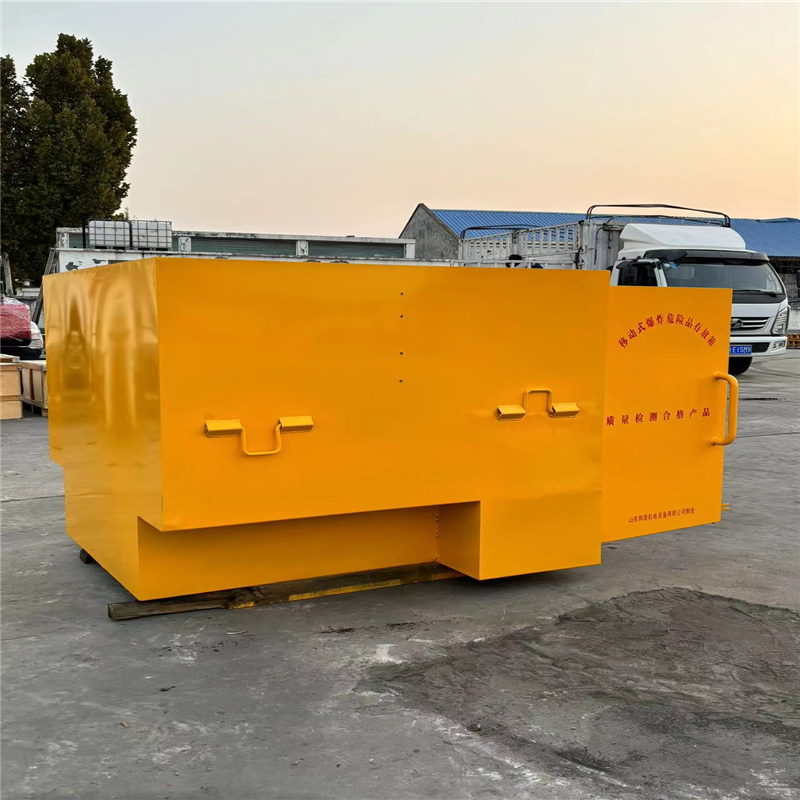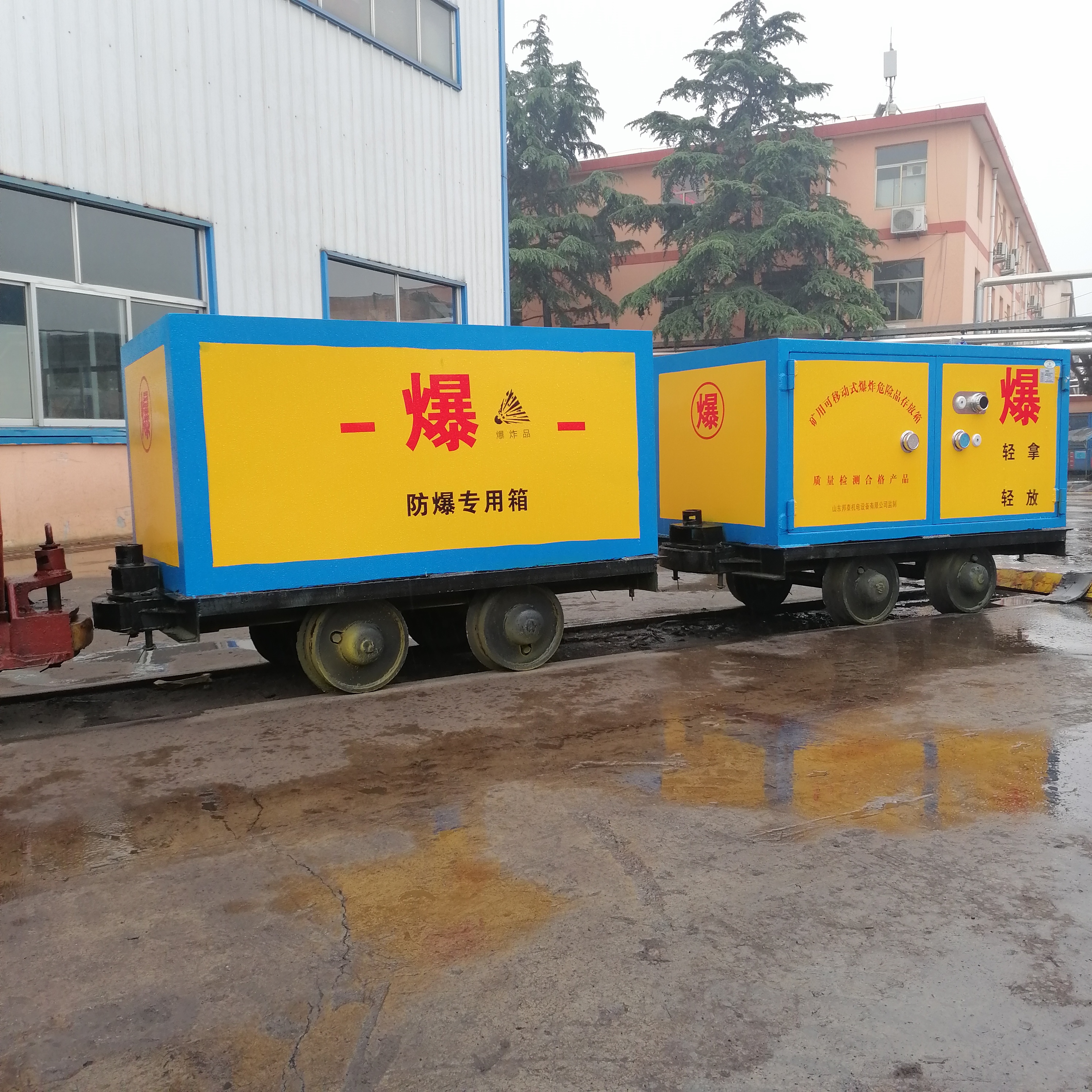

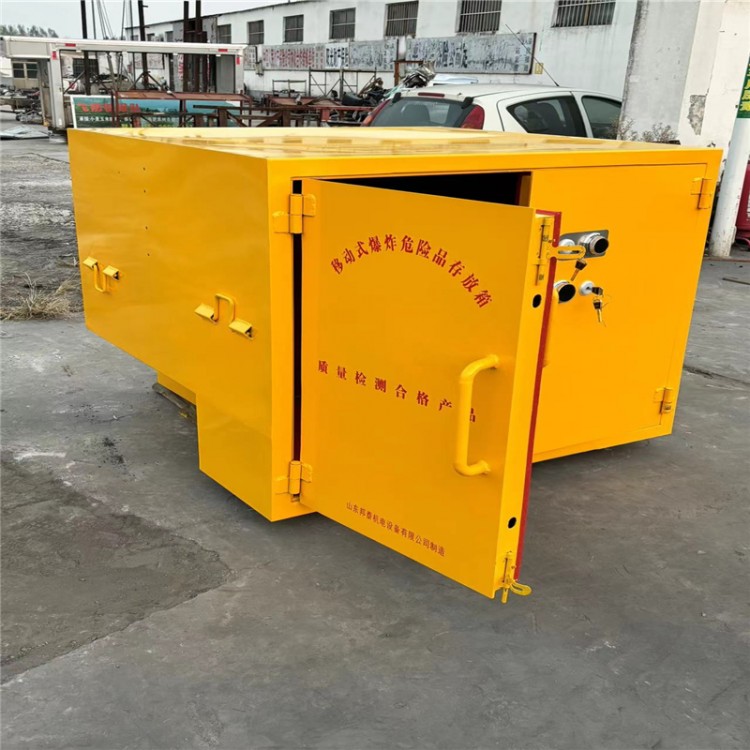

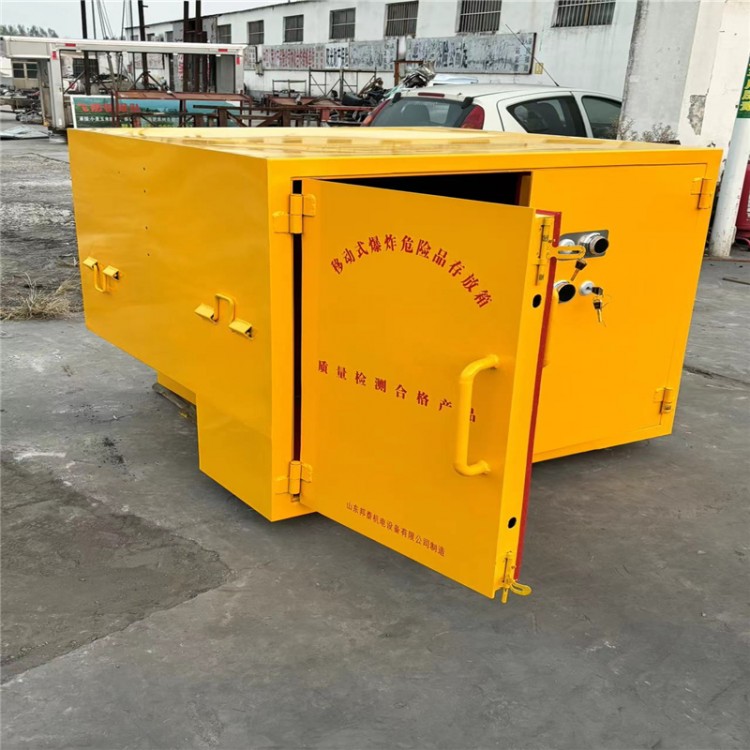
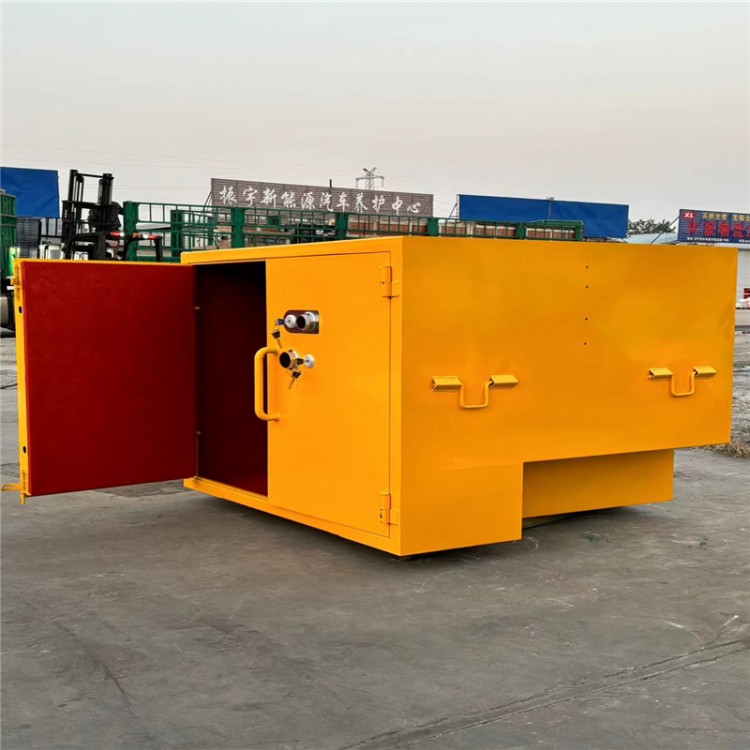
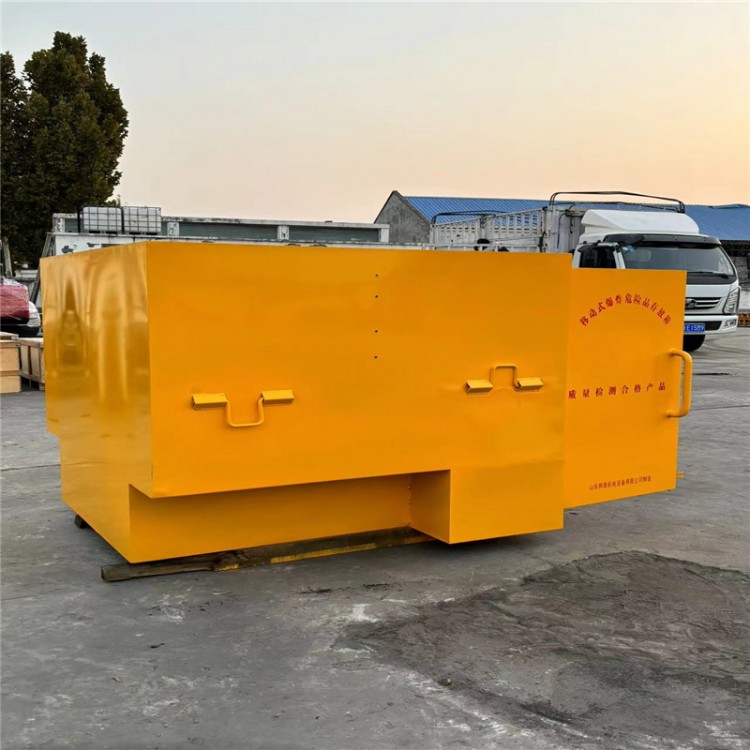


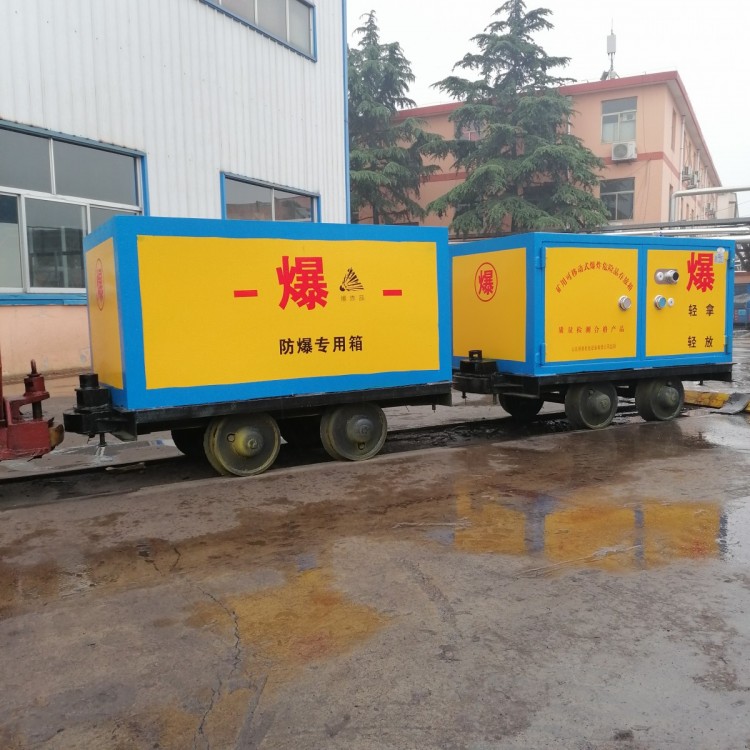






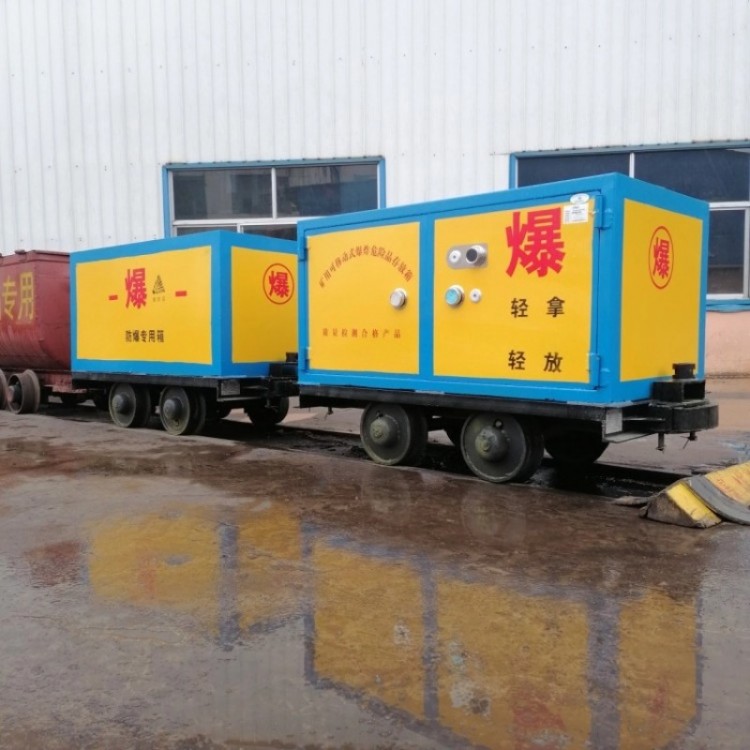
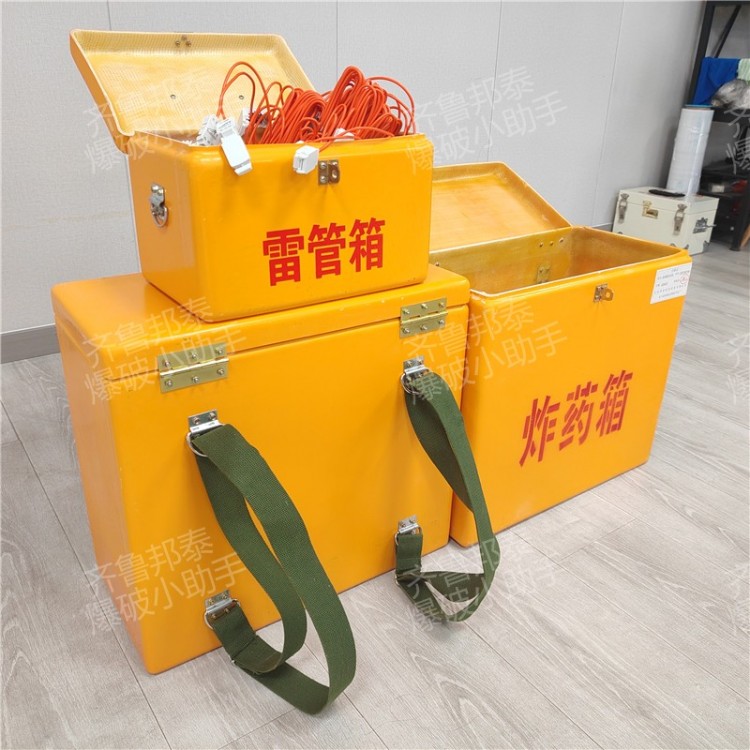
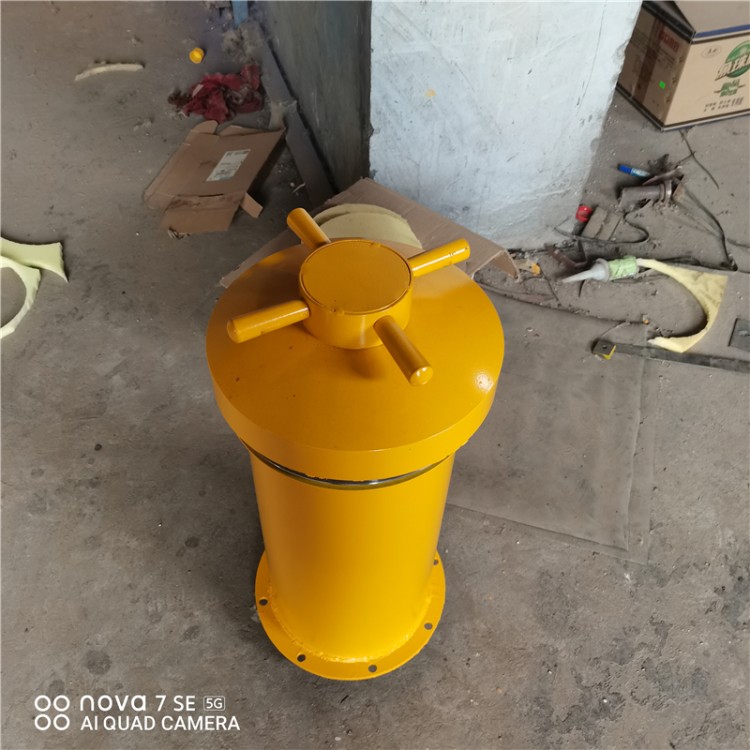
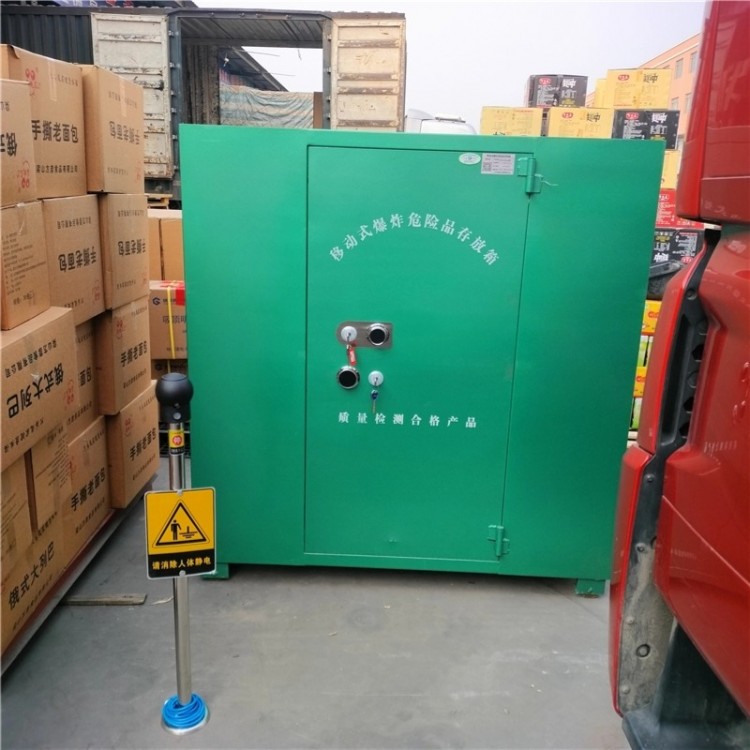
An Outdoor Truck-Mounted Explosion-Proof Box is designed for the short-distance transportation of explosive materials in outdoor blasting operations via pick-up trucks. It is an explosion-proof box mounted on the rear bed of a pick-up truck. Below is a detailed description of the Outdoor Truck-Mounted Explosion-Proof Box:
I. Basic Characteristics
Explosion-proof requirements: The explosion-proof boxes mounted on vehicles are made with special materials and design, including explosion-proof steel plates, insulated wood boards, and antistatic mats, etc. Particularly, the antistatic rubber pads laid inside the box are used to isolate static generation from within the box, thereby preventing explosion accidents.
2. Structural Features: Generally designed as mobile, equipped with a lifting ring at the top, and can be installed on the rear tray depending on the need for explosive materials on that day's operation.
3. Security Locks: Door locks are equipped with GB standard GA mechanical double locks. Bomb disposal experts and safety officers each hold a key and password, adhering to the standard dual-key custody regulation, ensuring safety.
Section II: Application Scenarios
Explosive-proof cabinets mounted on vehicles are widely used in outdoor construction, particularly in outdoor environments where mobile equipment or tools are required for operations. For instance, in mining operations, vehicle-mounted explosive-proof cabinets can be used to store and transport hazardous materials such as explosives, ensuring safety during the work process.
III. Usage Precautions
Regular Inspections: Conduct regular checks and maintenance on the outdoor explosion-proof cargo containers to ensure they remain in good working condition.
2. Proper Operation: During use, the explosion-proof box should be operated in accordance with the operating procedures to prevent accidents caused by improper handling.
3. Storage Environment: The explosion-proof box should be stored in a dry, well-ventilated area free of corrosive gases, to prevent dampness or damage.
Vehicular explosion-proof boxes produced by different manufacturers vary in production processes, material thickness, and pricing. According to the material thickness requirements specified in the explosion-proof inspection report of the product, the steel plate thickness used must not be less than 6mm, meaning the overall steel plate thickness (across all 6 sides) of the explosion-proof box must be ≥6mm. If the steel plate thickness is too thin, it fails to meet certain explosion-proof requirements.