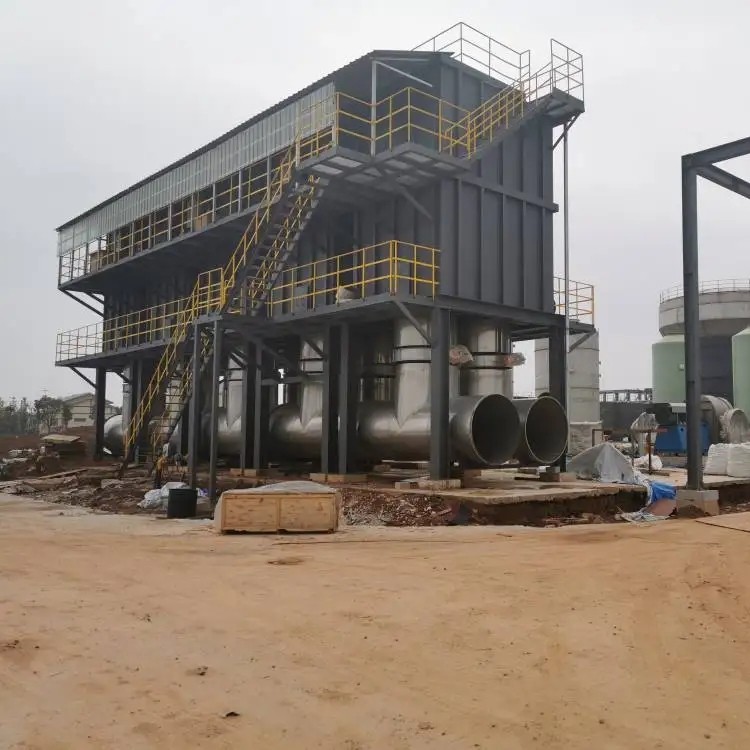

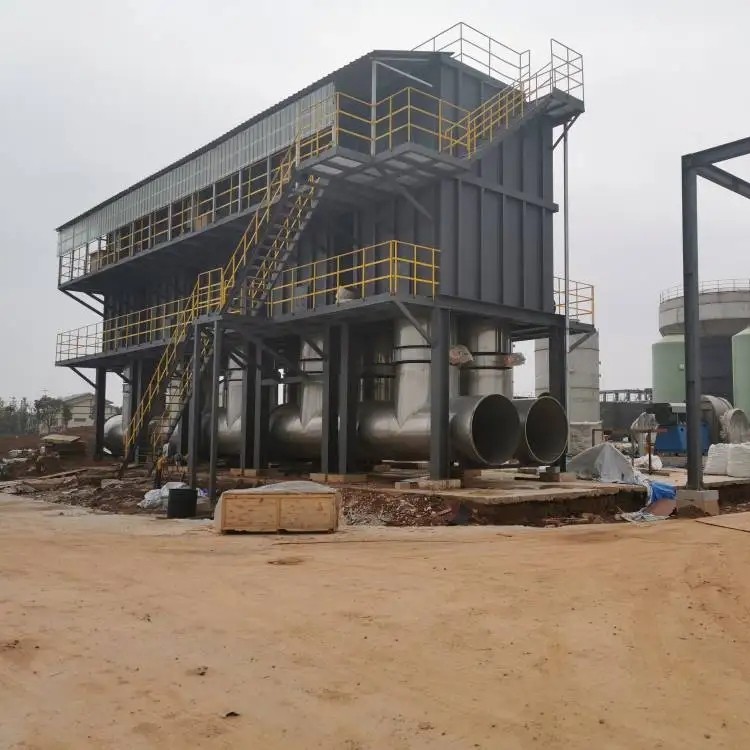


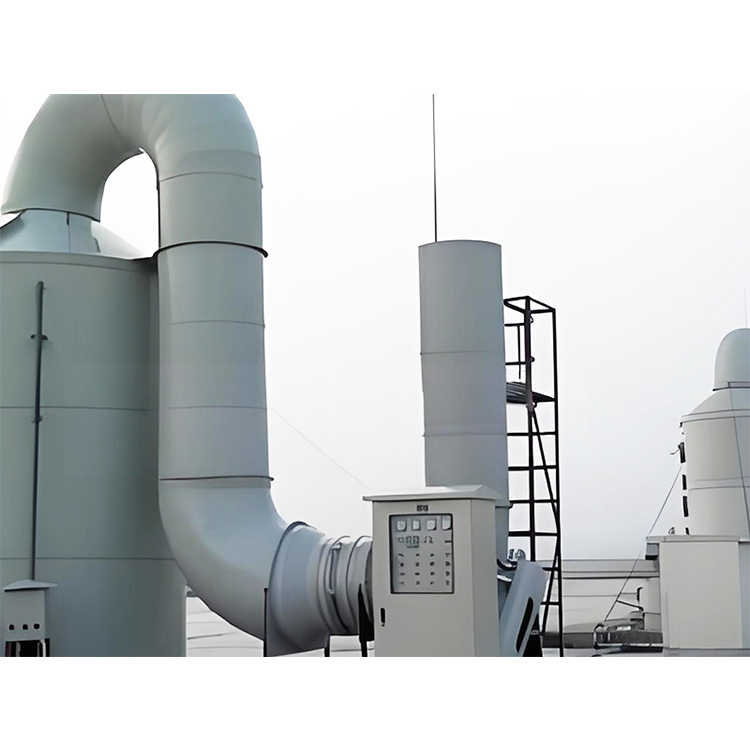
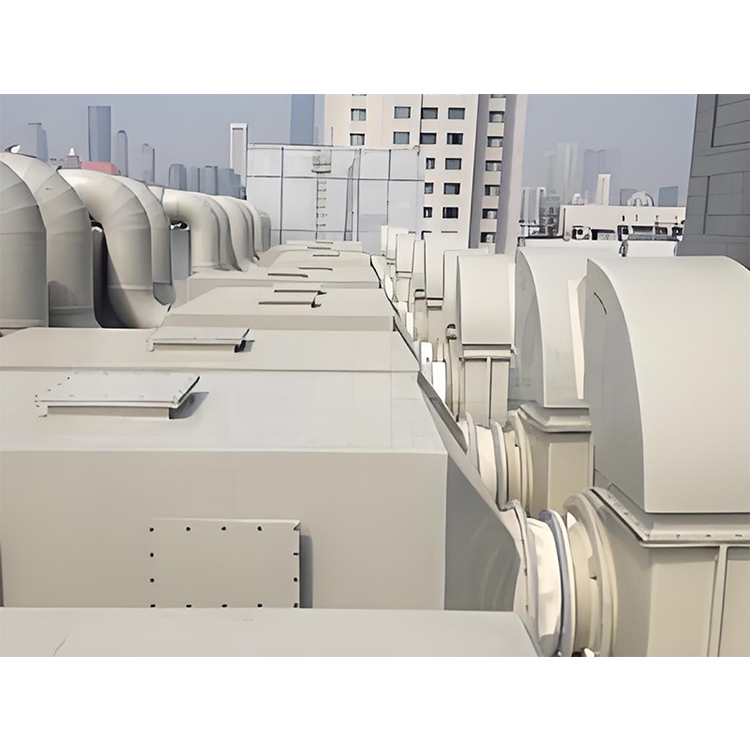
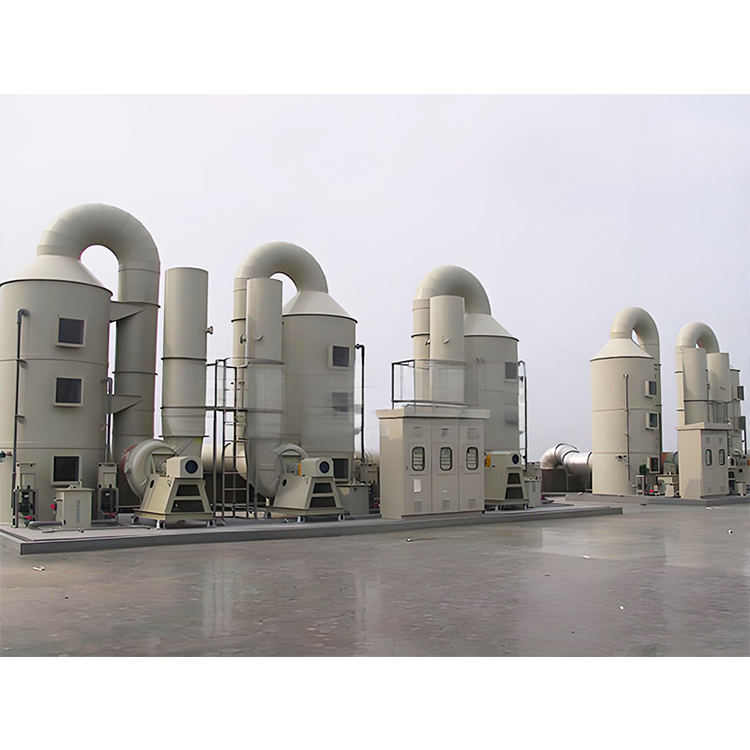
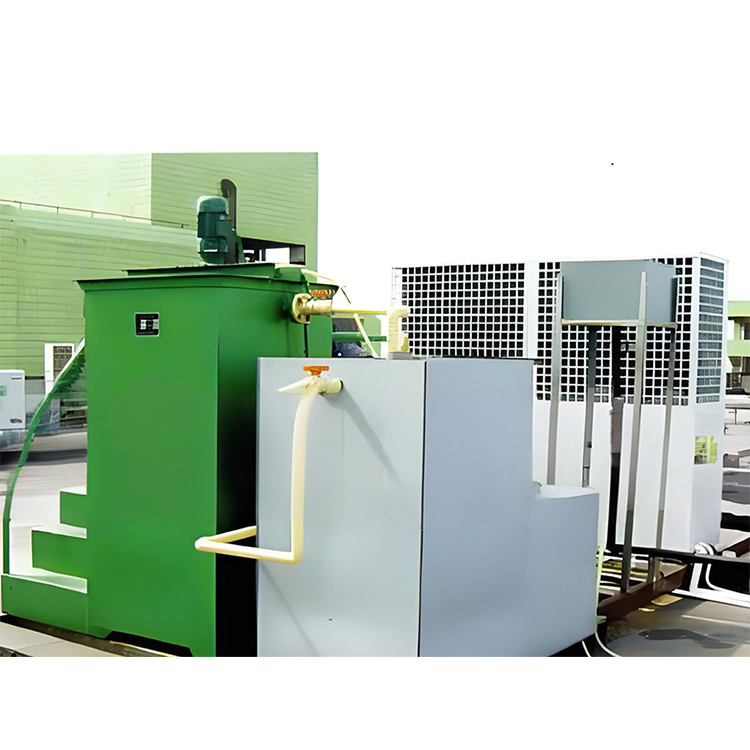





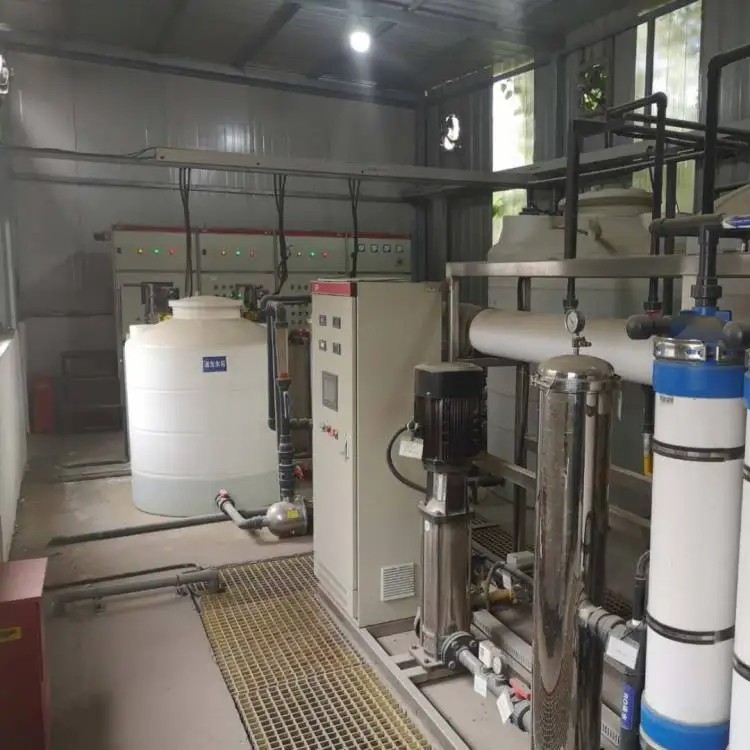
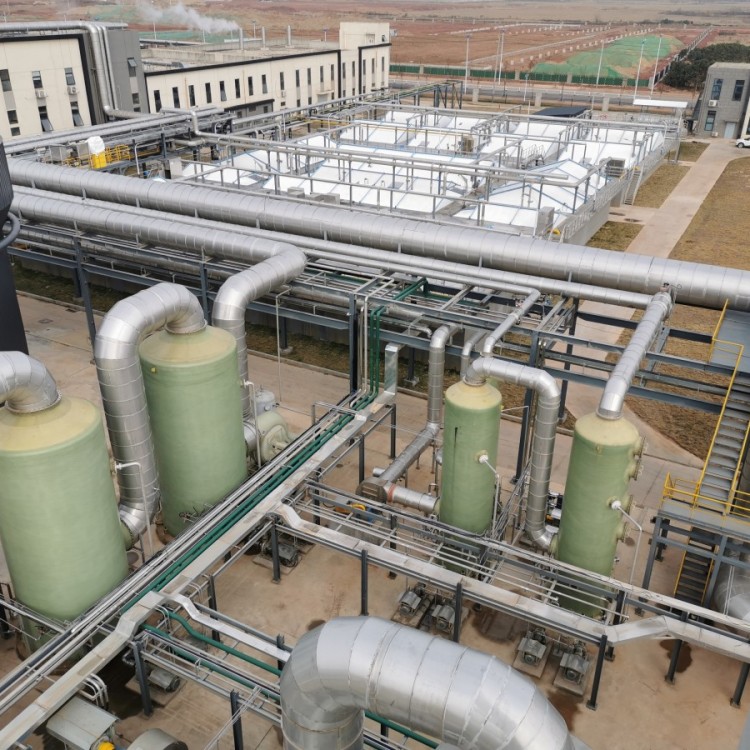
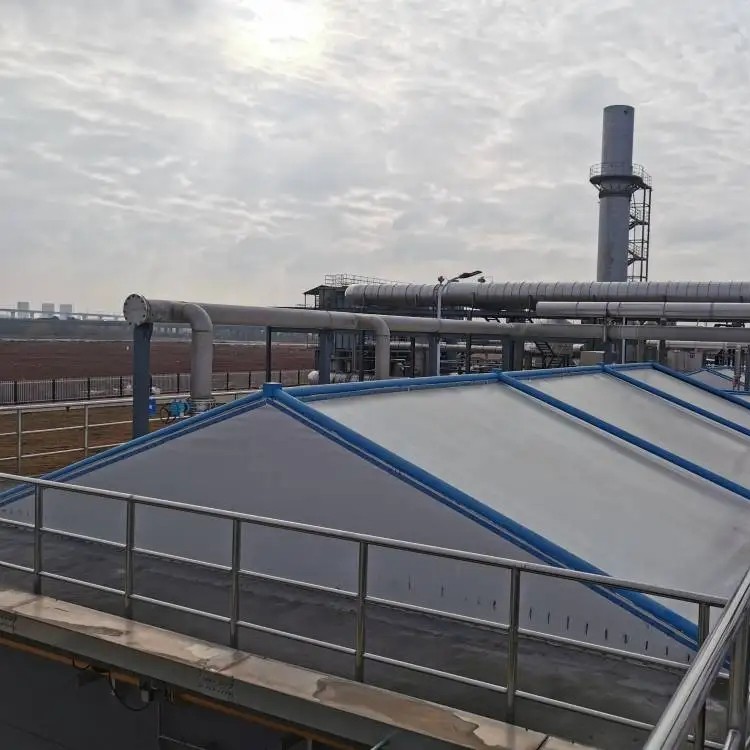
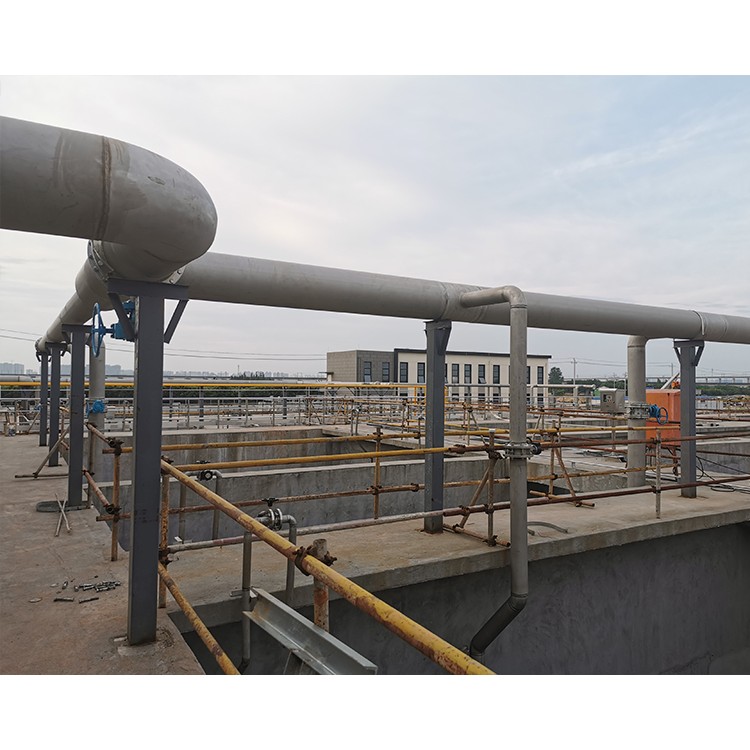

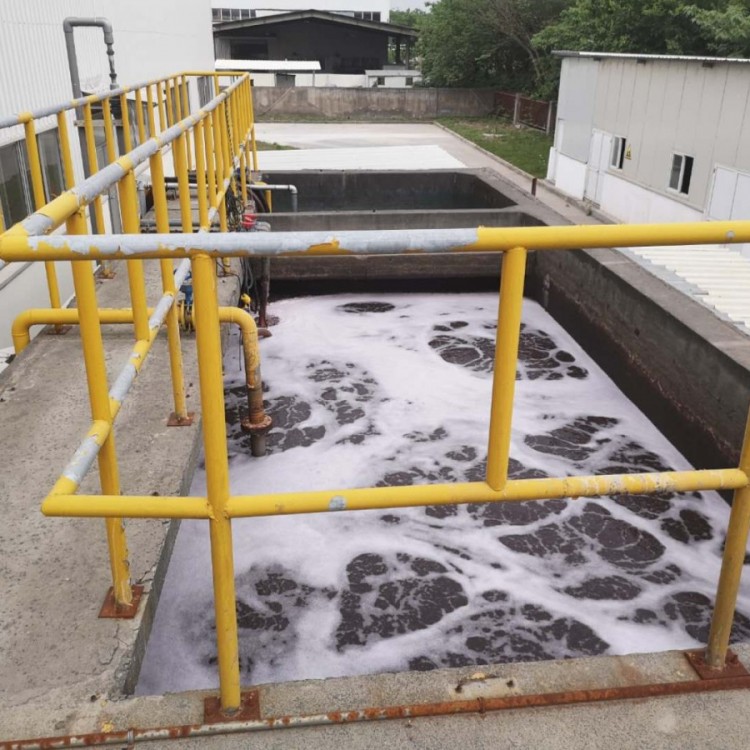
Textile Factory Emission Treatment Company, Chemical Fiber Plant Workshop Emission Control Environmental Unit, Chemical Workshop Atmospheric Pollution Control Manufacturer
Textile Mill Wastewater Treatment, Chemical Plant Wastegas Treatment, Nonwoven Fabric Workshop Wastegas Treatment, Purification, Environmental Compliance, Stable and Reliable
Textile Waste Treatment, Special for Nonwoven Plant, Purification, Chemical Plant Waste Treatment Equipment Manufacturer, Environmental Standard, Textile Waste Purification Equipment, Energy-Saving, Environmental Waste Treatment Equipment, Special for Textile Plant, Stable and Reliable, Chemical Plant Waste Treatment Equipment, Precision Filtration, Energy-Saving, Textile Waste Treatment Equipment, Customized, Environmental Standard, Nonwoven Plant Waste Treatment Equipment, Environmental, Purification, Chemical Waste Treatment Equipment Manufacturer, Stable and Reliable, Textile Plant Waste Treatment Machine, Precision Filtration, Environmental, Environmental Waste Treatment Equipment, Special for Textile Plant, Dust and Noise Reduction
Hangzhou Su Tai Technology Co., Ltd.: Organic waste gas treatment refers to the process of adsorption, filtration, and purification of organic waste gases generated during industrial production. Typically, organic waste gas treatment includes methods such as organic waste gas treatment, secondary organic waste gas treatment, oil mist organic waste gas treatment, resin organic waste gas treatment, additive organic waste gas treatment, paint mist organic waste gas treatment, and other air purification processes involving carbon-containing organic substances.
1. Condensation Recovery Method: Directly introduce organic waste gases into a condenser, where they are adsorbed, absorbed, desorbed, and separated to recover valuable organic substances. This method is suitable for conditions with high concentrations of organic waste gases, low temperatures, and low air volume, requiring auxiliary refrigeration equipment. It is primarily used in the pharmaceutical and chemical industries, with fewer enterprises adopting it.
2. Adsorption Method:
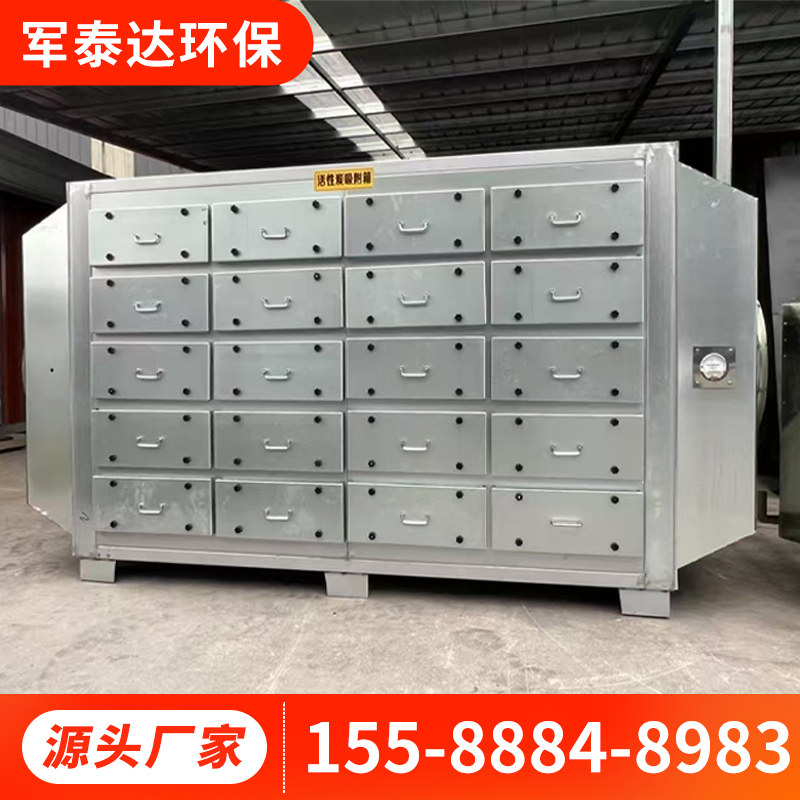
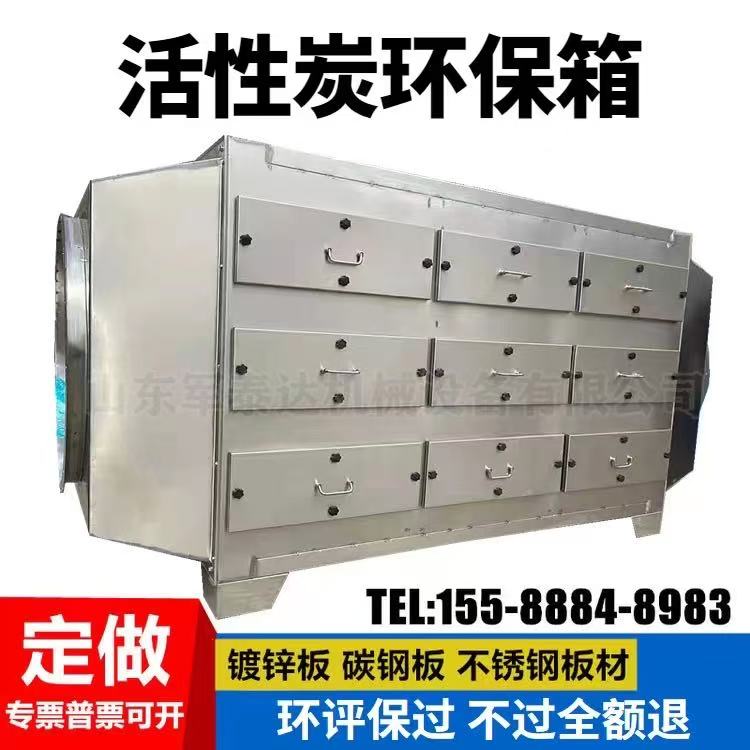
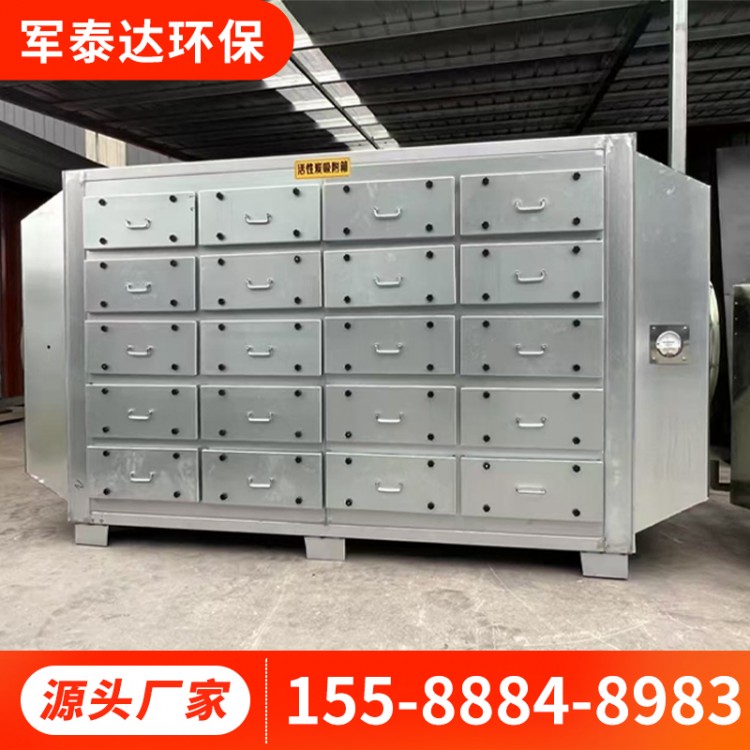
(1) Direct Adsorption Method: Organic waste gases are adsorbed by activated carbon, achieving a purification rate of over 95%. The equipment is simple and compact, but the frequent replacement of activated carbon increases the procedures for loading, transportation, and replacement, leading to higher operating costs.
(2) Adsorption-Recycling Method: Utilize fibrous activated carbon to adsorb organic waste gases, then use superheated steam for backflushing when nearing saturation to desorb and regenerate; this method requires the provision of adequate steam volume.
(3) Adsorption-Catalytic Combustion Method: This method combines the advantages of adsorption and catalytic combustion techniques. It uses adsorption materials (honeycomb activated carbon) to adsorb pollutants, then introduces hot air for desorption and pyrolysis when nearing saturation. The desorbed waste gas is then introduced into a catalytic combustion bed for flameless combustion, achieving purification. The heated gas is recycled within the system, significantly reducing operating costs. This method boasts excellent performance, simplicity, reduced operating costs, and ease of maintenance, making it suitable for treating large-volume, low-concentration waste gases. It is currently a mature and practical method for treating organic waste gases in China.
3. Direct Combustion Method: Utilizes gas or oil as auxiliary fuel for combustion, heating the mixed gas to convert harmful substances into harmless ones under high temperatures. This method is simple and compact, suitable for high-concentration, low-airflow waste gases; however, it requires higher safety and operational standards.
4. Catalytic Combustion Method: Converts waste gases into odorless and water-soluble substances by heating and catalytic combustion; features low ignition temperature, energy-saving, excellent purification effect, easy operation, small land occupation, and is suitable for high-temperature or high-concentration organic waste gases.
5. Absorption Method: Generally employs physical absorption, where the waste gas is introduced into an absorbent solution for purification. Once the absorbent solution becomes saturated, it is heated, decomposed, and condensed for recovery. This method is suitable for treating waste gases with large volumes, low temperatures, and low concentrations, but requires a heating decomposition recovery unit. The equipment is large in size and has a higher cost.
6. Nanometer Micro-electrolysis Method: The nano micro-electrolysis purification technology uses piezoelectric materials processed at the nano level. Under certain humidity, it can produce a micro-electrolysis electric field to electro-adsorb and release a large number of hydroxyl anions, which purify the gas by neutralizing pollutants such as . It can not only remove most organic matter in the air but also analyze and eliminate inorganic odors such as .
7. Thermal combustion method: Using regenerative thermal oxidizer (RTO) for organic waste gas treatment achieves good results. Commonly used in industries such as coating and spraying.