
















Item Objective | Measurement Standard | Ring Alkane Oil | Testing Method | |||
TC4006 Technical Specifications | TC4010 Technical Specifications | A7003 Technical Specifications | Technical Specifications of A7009 | |||
Kinematic Viscosity40℃) | ㎡/s | 53.53 | 127.7 | 32.66 | 98 | SYD-265B |
Kinematic Viscosity100℃) | ㎡/s | 5.97 | 9.967 | 4.654 | 8.579 | SYD-265B |
Flash Point (Open Cup) Not Less Than | ℃ | 212 | 228 | 194 | 198 | SYD-3536 |
Pour Point, not higher than | ℃ | -23 | -24 | -38 | -12 | SYD-510G-1 |
Corrosion Test (Grade) | 50℃、3H | 1 | 1 | 1 | 1 | SYD-11143 |
Please provide the Chinese content to be translated. Degree | (20℃)kg/m3 | 0.896 | 0.898 | 902.8 | 906.8 | SYD-1884 |
Water Please provide the Chinese content to be translated. | % | No content provided. | No content provided. | N/A | N/A | SYD-260 |
Mechanical impurities | % | N/A | No content provided. | No content provided. | N/A | SYD511B |
Acid Value | mgkoH/g | 0.15 | 0.13 | ≦0.14 | ≦0.15 | SYD-259 |
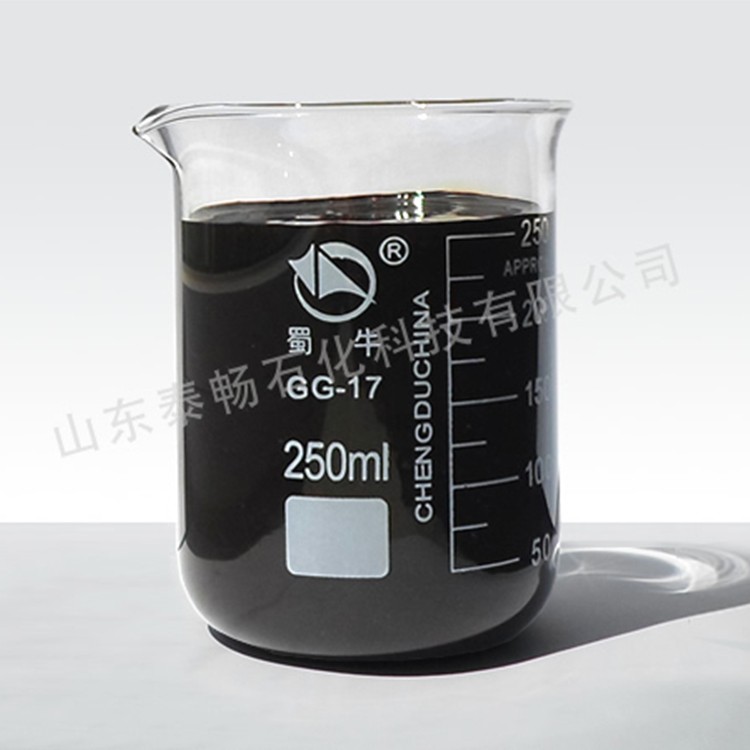
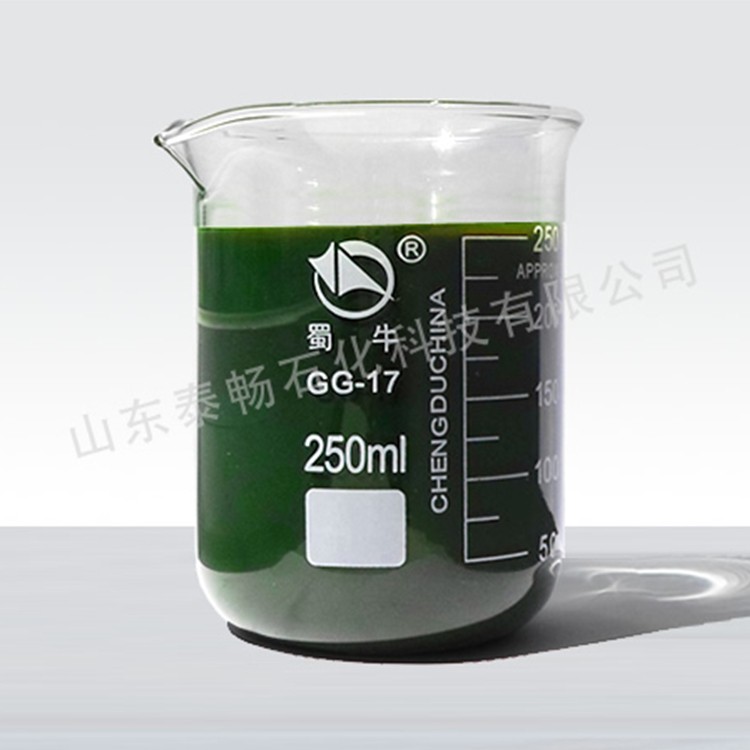
Outer Observe | Approximate assessment | Colorless and odorless Water white | Colorless and tasteless Light yellow transparent | |||
Naphthenic oil features a saturated cyclic carbon chain structure, with characteristics such as low pour point, high density, high viscosity, and non-toxic side effects. Moreover, its rings are often connected with saturated side chains. Due to this structure, naphthenic oil exhibits both partial properties of aromatic hydrocarbons and straight-chain hydrocarbons. Additionally, as naphthenic oil is derived from natural petroleum, it offers advantages like low cost and reliable sourcing. These factors determine its unique applications in many fields.
Paraffin oil is a reasonable choice for the following special properties:
High solubility
2. Excellent low-temperature performance
3. Excellent compatibility with certain resins and polymers
4. Good growth rate and compatibility with rubber
Typical application markets for naphthenic oil include:
Transformer oil, providing cooling and electrical insulation properties.
2. Process oil, used in large-scale chemical processes to provide excellent solvency.
3. Lubricants for manufacturing metalworking fluids, greases, and industrial oils.
4. Rubber Filling Oil: Can be used with various rubbers as plasticizers and filling oils to enhance the plasticity and elasticity of rubber.

















