














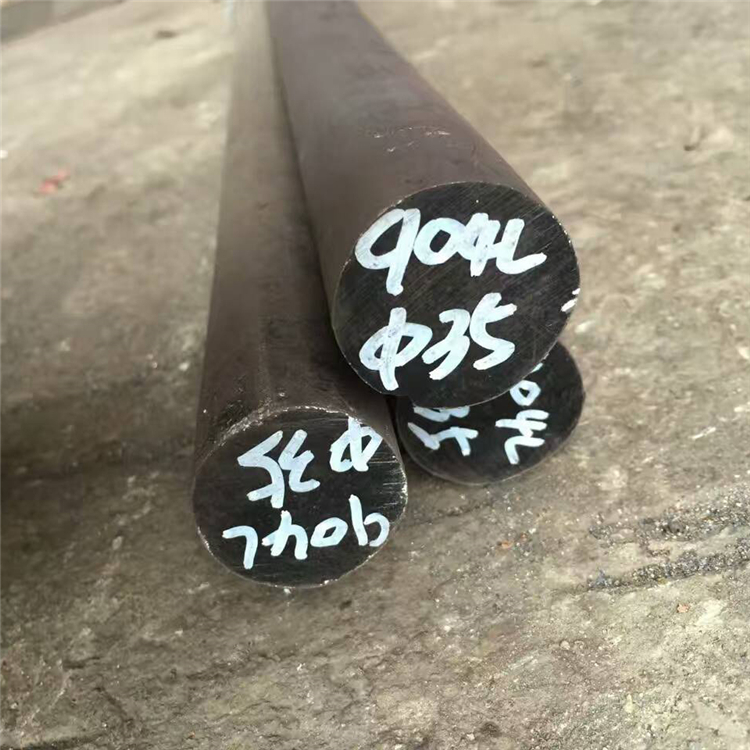
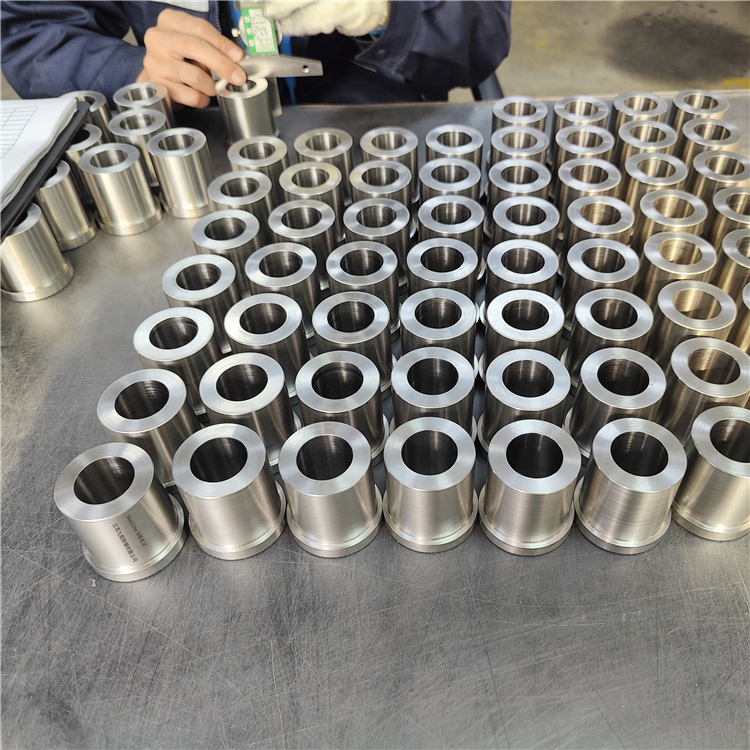
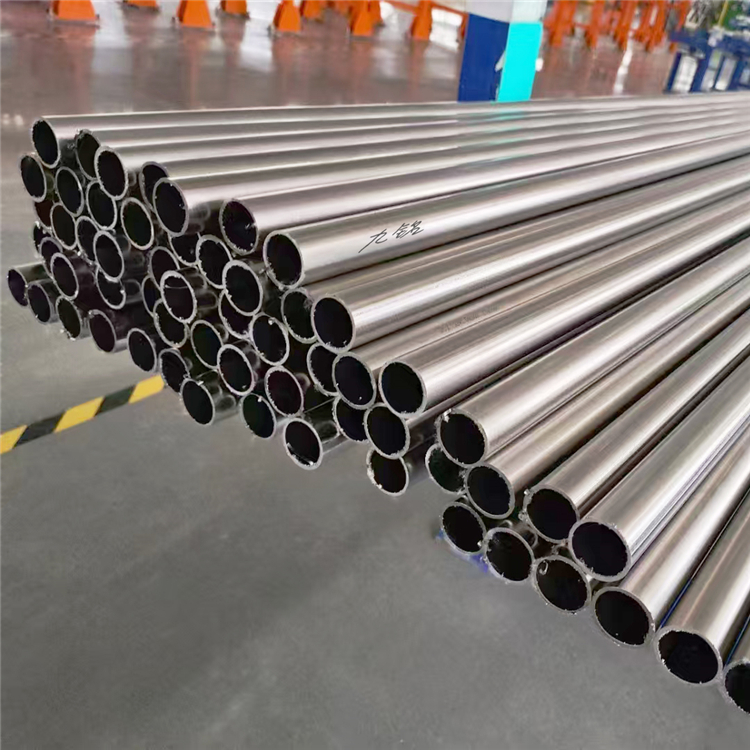
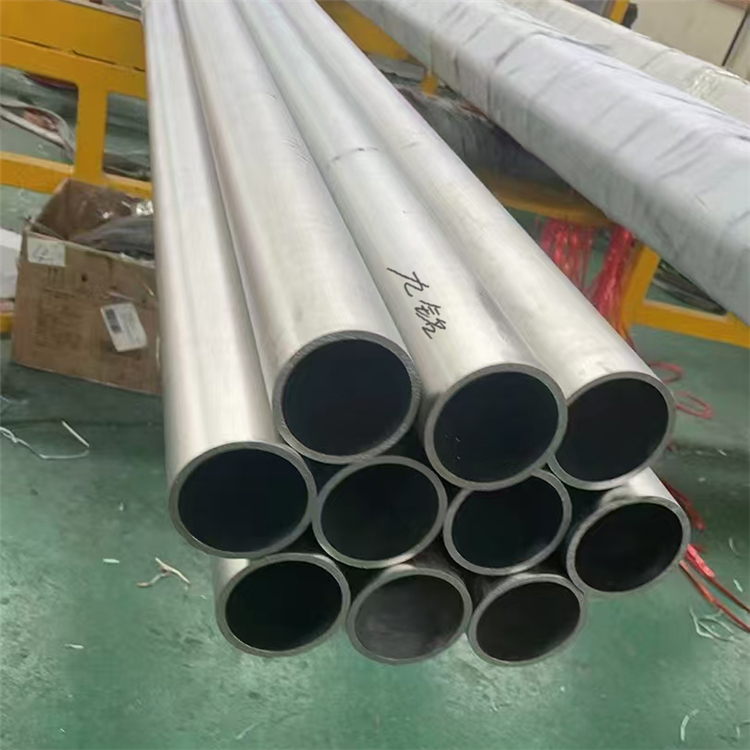
Hastelloy B3
Material Grade: Hastelloy B3 Alloy
U.S. Brand: UNS N10675
Hastelloy B3 (N10675) Hastelloy Overview:
Hastelloy B3 (N10675) is a nickel-based superalloy composed of elements like nickel, molybdenum, and cobalt, containing approximately 65% nickel. The Hastelloy B3 (UNS N10675) alloy material is an improved new material based on Hastealloy B2, enhancing thermal stability and, consequently, corrosion resistance. It also improves hot and cold forming properties. In recent years, it has been increasingly used in the production and manufacturing of chemical equipment.
Hastelloy B3 (N10675) Chemical Composition:
Carbon (C) | Silicon (Si) | Manganese (Mn) | Phosphorus | Sulfur | Chromium (Cr) |
≤0.01 | ≤0.10 | ≤3.00 | ~ | ~ | 1.0~ |
Nickel (Ni) | Molybdenum (Mo) | Nitrogen (N) | Copper (Cu) | Iron Fe | Niobium (Nb) |
Surplus | 27~32 | - | - | 1~3 | ≤0.20 |
Boron | Titanium (Ti) | Aluminum | Vanadium | Tungsten | Cerium |
~ | ≤0.20 | ≤0.50 | ~ | ~ | ~ |
Section 3: Key Properties, Welding, and Fabrication of Hastelloy B3 (N10675) Alloys
Material Analysis: The mechanical properties of Hastelloy B3 (N10675) plate in the solution heat-treated state: As the heating temperature increases, its tensile strength, yield strength, and modulus of elasticity decrease, while the elongation, coefficient of thermal expansion, thermal conductivity, and specific heat slightly increase. Conversely, with an increase in cold deformation rate, its hardness, tensile strength, and yield strength increase, while the elongation decreases.
2. Forming and Processing Characteristics: Upon analysis, the forming and processing characteristics of Hastelloy B3 mainly include:
(1) The elongation of Haste Alloy B3 material is high, which creates favorable conditions for cold pressing forming.
(2) The Haste alloy B3 material is harder than austenitic stainless steel and has a more pronounced tendency to work harden, thus requiring greater pressure for cold forming or step-by-step forming.
(3) When the cold forming deformation rate of Hastelloy B3 material is less than 10%, it will not affect the corrosion resistance of the workpiece. However, the presence of residual stresses during welding may cause thermal cracks in the weld. Therefore, for workpieces that require welding later on, it is still advisable to minimize the impact of residual stresses as much as possible.
(4) Severe cold forming can increase the yield strength ratio of Hastelloy B3 material and enhance the susceptibility to stress corrosion and cracking. Often, intermediate and Final heat treatment process.
(5) The Haste alloy B3 material is sensitive to oxidizing media and sulfur, phosphorus, lead, and other low-melting point metals at high temperatures.
(6) At temperatures between 600-800°C, excessive heating causes the Haste B3 alloy to develop brittle phases, resulting in reduced elongation. Moreover, outside this temperature range, when external forces or deformation are restricted, thermal cracks are more prone to occur. Therefore, when employing hot forming, the temperature must be controlled above 900°C.
(7) Prior to processing and pressing the Haste alloy B3 material, clean the mold surface in contact with the workpiece; during cold working, lubrication methods can be used, and after forming, degreasing treatment or cleaning is required.
(8) After the processed parts are cooled with water, the surface oxide film is thick, and it should be thoroughly cleaned. Any remaining oxide film may cause cracks during the next pressing. Sandblasting treatment can be applied before cleaning if necessary.
3. Welding and Forming:
(1) Prior to forming and processing, if the raw material requires welding seams to be joined. A good choice is to use Tungsten Inert Gas (TIG) welding (GTAW) method, as this better protects the weld from oxidation. If manual arc welding is used, it's easy to cause oxidation of the intermediate weld pass, even if each layer is ground and cleaned, it's hard to ensure complete cleaning; residual oxide layers might still affect the weld's forming and processing properties. Before welding the workpiece, it's essential to remove any attachments and oxide layers from the bevel and base material surface, as the presence of oxide films and impurities can affect the performance of the weld and heat-affected zone. When welding, it's best to use a low current, avoid a slow speed, do not oscillate, control the interlayer temperature below 100℃, and use both positive and negative side argon protection to prevent oxidation and burning of alloy elements at high temperatures. Before压制, the weld surface should be ground smooth and the thick oxide layer removed, followed by washing. Due to the hardness of the oxide layer on the Hastealloy B3 material weld, direct washing is difficult to remove, and it's easy to produce fine cracks during the forming process, which can affect the weld's performance.
(2) The advantages of hot forming include one-time shaping, avoidance of work hardening, and the elimination of heat treatment if the shaping temperature is controlled properly. However, temperature variations during hot forming are significant, and each area has different temperatures, even the surface in direct contact with the mold may be much lower than the temperature of the metal inside, making it difficult to measure and control. Once a local material in the processing enters a sensitive temperature zone, microcracks and other defects may occur, which are hard to eliminate in the subsequent solution heat treatment. Learning from the experience of manufacturing plants, cold forming technology is chosen. The preferred forming method is die pressing, and cold spinning should be used if spinning is necessary, or the temperature should not exceed 400℃ for warm spinning.
(3) In the cold forming process, when the deformation rate is high, a step-by-step forming technique should be used. Intermediate heat treatment is required for step-by-step forming, and it is preferable to choose solid solution heat treatment, with temperatures above 1000°C. For solid solution heat treatment, the temperature should reach 1060~1080°C. Workpiece After final forming, an additional solution heat treatment is required to eliminate residual stresses and prevent affecting the subsequent welding quality.
4. Heat Treatment:
Hastelloy B3 (N10675) alloy should always maintain the workpiece clean and free from contamination before and during heat treatment, which is crucial. During the heating process, the workpiece must not come into contact with sulfur, phosphorus, lead, and other low-melting-point metals, as this will impair the alloy's properties and make it brittle. Heating furnace Good for electric furnaces, for gas or oil furnaces, the lower the sulfur content of the fuel, the better. According to the manufacturer's recommendation, the total sulfur content in natural gas and liquefied petroleum gas should not exceed 0.1% (V), the sulfur content in city gas should not exceed 0.25g/m3, and the sulfur content in oil should be less than 0.5% (W) for optimal performance.






















