


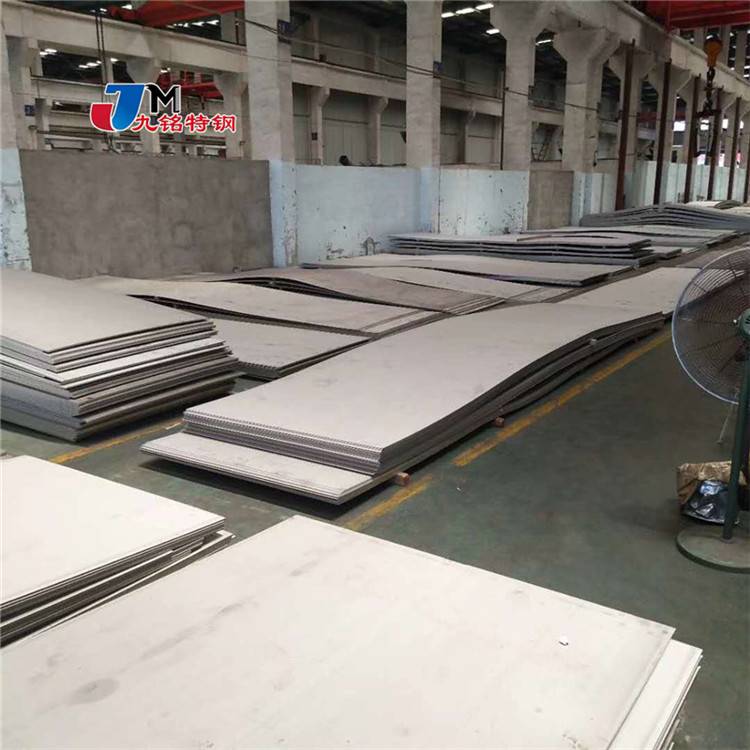

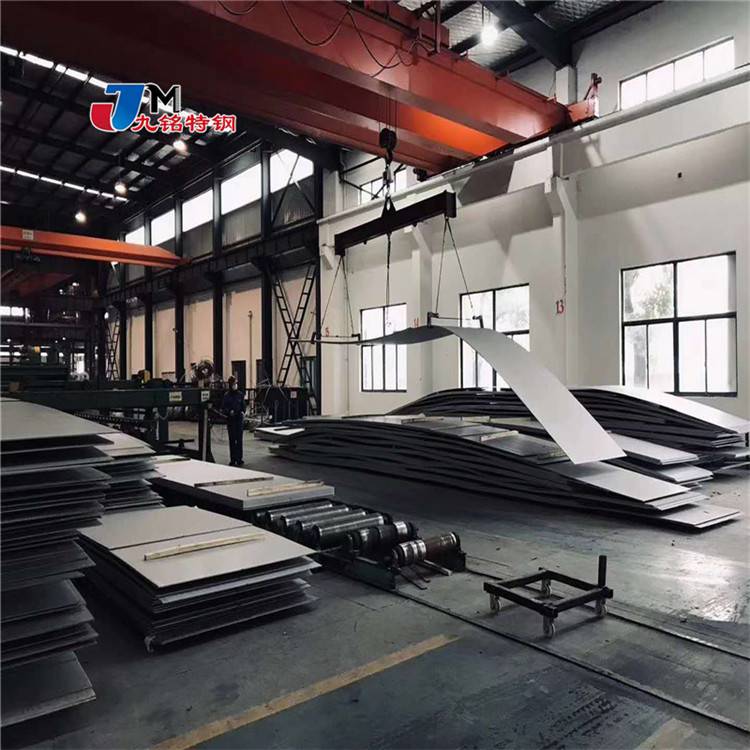
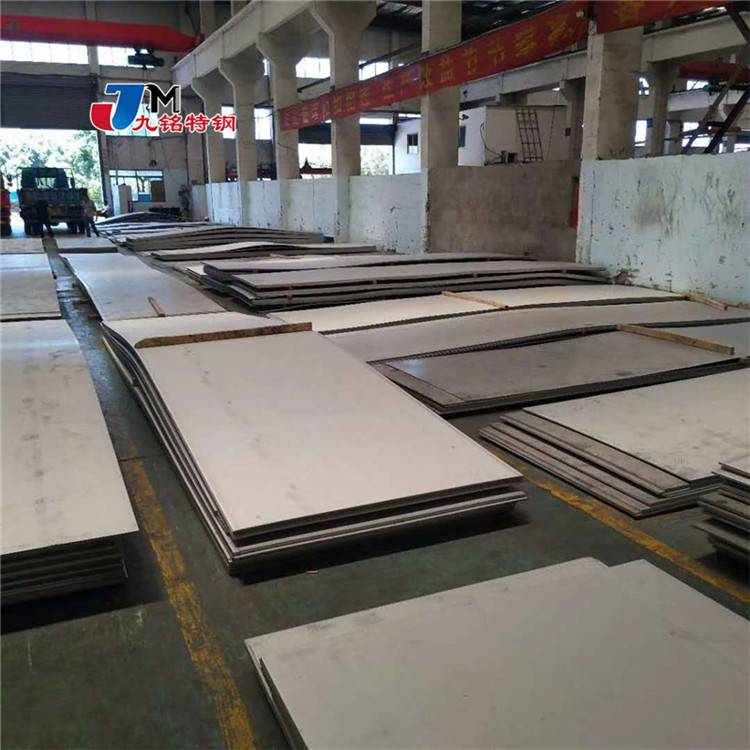











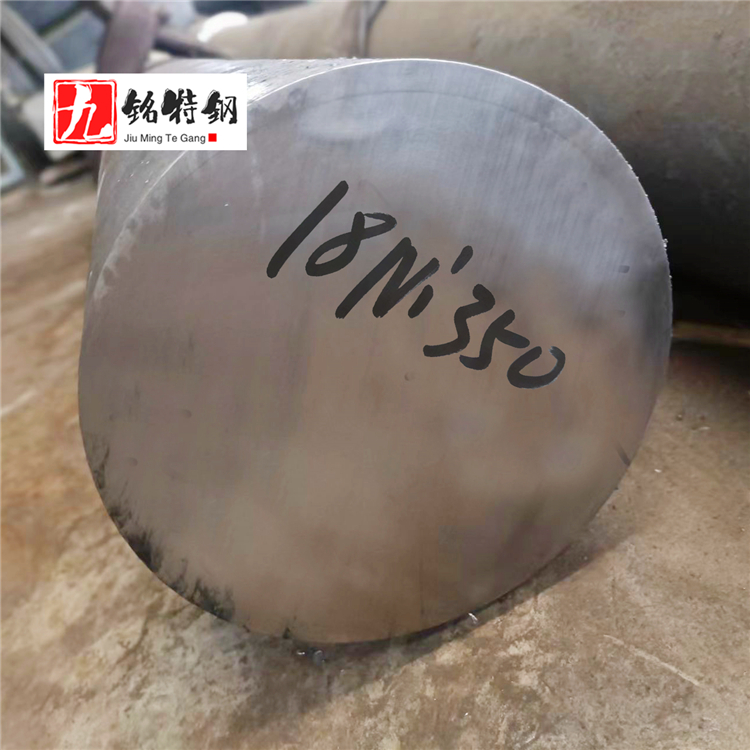
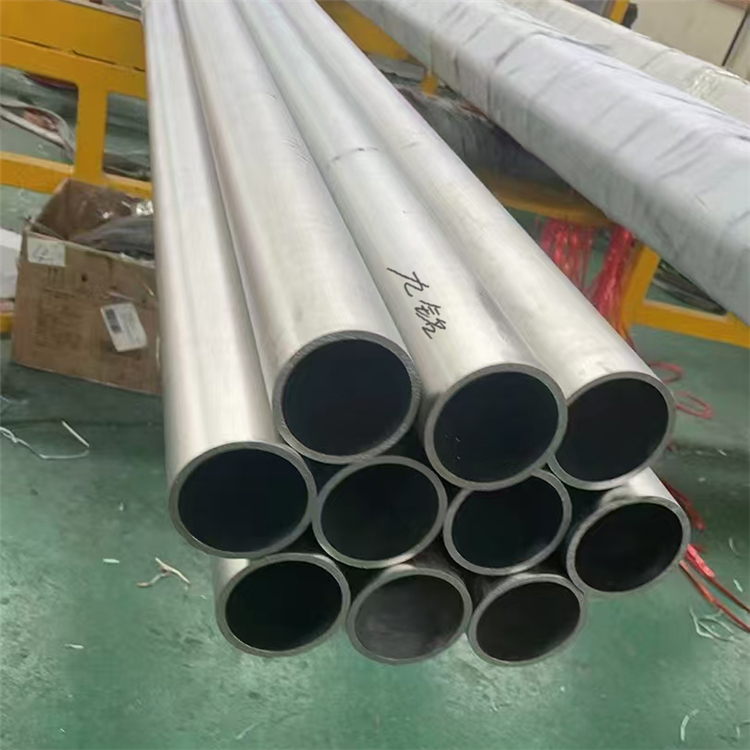
Jiangsu Jiuming sells Alloy625 Nickel-Iron Alloy Sheets, Stock Alloy625 Forged Rolling Sheets, Manufacturer
Inconel 625 is an alloy grade with a density of 8.4 g/cm³ and a melting point of 1290-1350°C, boasting excellent resistance to inorganic corrosion. It exhibits superior corrosion resistance against various corrosive media in both oxidizing and reducing environments. The 625 alloy demonstrates remarkable corrosion resistance in many media, including excellent resistance to pitting, crevice, intergranular corrosion, and erosion in chloride media.
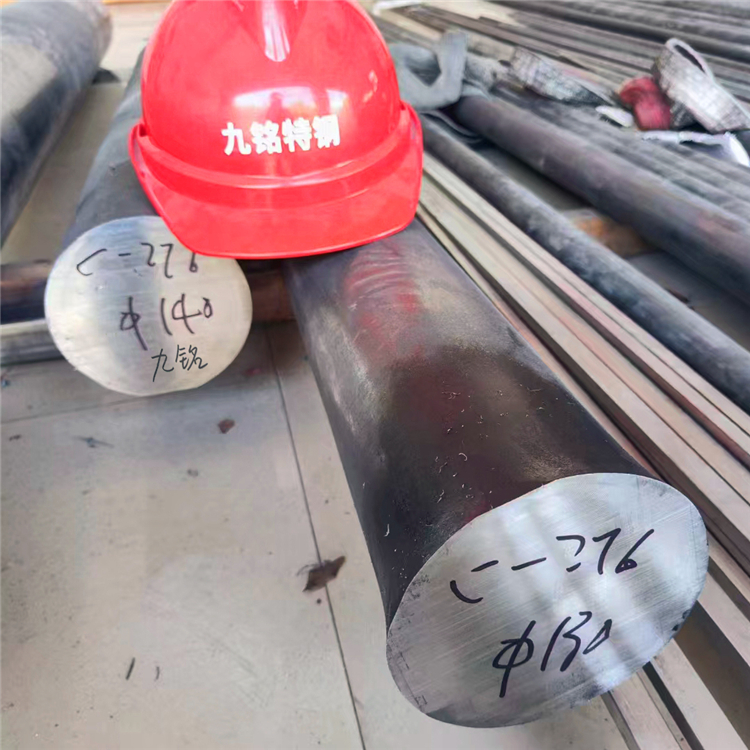
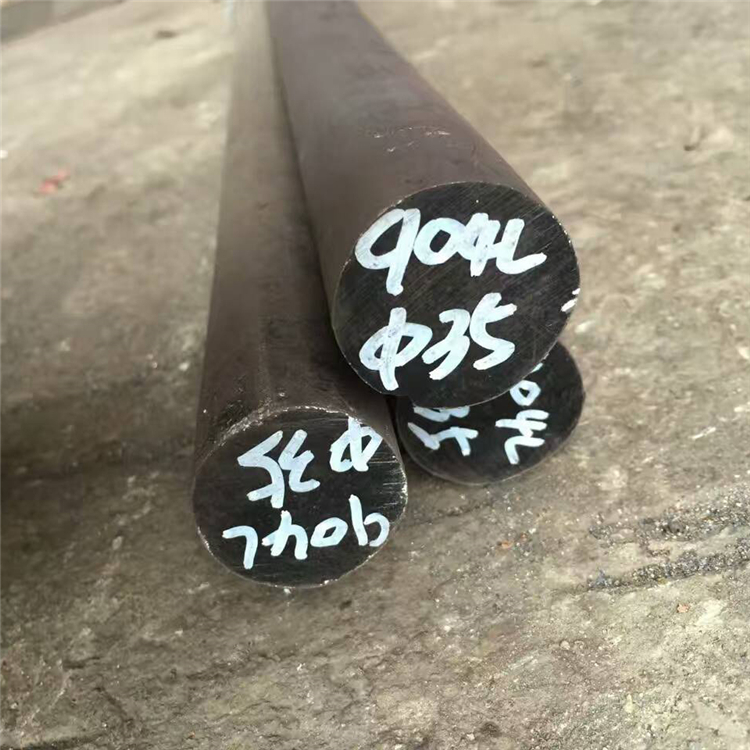
GH3625(GH625) alloy is a solid solution strengthened nickel-based deformed superalloy with molybdenum and niobium as the main strengthening elements, featuring excellent corrosion and oxidation resistance. It maintains good tensile and fatigue properties from low temperatures to 980°C and is resistant to stress corrosion in saline mist environments. Thus, it is suitable for manufacturing aerospace engine parts, aerospace structural components, and chemical equipment. N06625 Round Bar, N06625 Drawn Rod, Bright N06625 Forging, Inconel 625 Bar. Applications of Inconel 625 include: Low-carbon alloy 625, softened and annealed, is used in chemical process industries due to its good corrosion resistance and high strength, making it suitable for thin structural components. The 625 alloy can be applied in situations where it comes into contact with seawater and withstands high mechanical stresses. Typical applications: 1. Parts in organic chemical processes containing chlorides, especially in the presence of halogenating catalysts 2. Steamers and bleaching tanks for the pulp and paper industry 3. Absorbers, reheaters, inlet dampers, fans (wet), agitators, guide vanes, and flues in flue gas desulfurization systems 4. Equipment and components for applications in corrosive gas environments 5. Ethane and acetic anhydride reaction reactors 6. Condensers


1. Divided by chemical industry (HG) standards: Weld Neck (WN), Threaded (TH), Plate Flanged (PL), Socket Welding (SW), Flanged Socket Welding (SO), Blind Flange (BL(S)), Socket Welding Ring (PJ/SE), Flanged Ring (PJ/RJ), Lined Flange Cover (BL(S)), Flange Cover (BL). 2. Divided by petrochemical (SH) industry standards: Threaded Flange (PT), Weld Neck (WN), Socket Welding (SO), Flanged Socket Welding (SW), Loose Socket Flange (LJ), Flange Cover (not specified). 3. Divided by machinery (JB) industry standards: Weld Neck Flange, Socket Welding Flange, Plate Flanged Socket Welding Flange, Flanged Ring Plate Loose Socket Flange, Flanged Plate Loose Socket Flange, Rolled Ring Plate Loose Socket Flange, Flange Cover. 4. Divided by national standard (GB) standards: Weld Neck Flange, Threaded Flange, Socket Welding Flange, Flanged Socket Welding Flange, Flanged Socket Welding Ring, Weld Neck Loose Socket Flange, Plate Flanged Socket Welding Flange, Flanged Ring Plate Loose Socket Flange, Flanged Plate Loose Socket Flange, Rolled Ring Plate Loose Socket Flange, Flange Cover.
Chemical Composition of Inconel 625: Alloy % Nickel Chromium Molybdenum Niobium Iron Aluminum Titanium Carbon Manganese Silicon Cobalt Phosphorus Sulfur Inconel 625 Trace 20 8 3.15 23 10 4.15 5 0.4 0.4 0.1 0.5 0.5 1 0.015 0.015
Inconel 625 mechanical properties at room temperature: Alloy Condition, Tensile Strength Rm N/mm, Yield Strength RP0.2 N/mm, Elongation A5 %, Brinell Hardness HB, Solid Solution State - 827, 414, 30, ≤220


This alloy possesses the following characteristics:
Excellent corrosion resistance to various corrosive media in both oxidizing and reducing environments.
2. Excellent resistance to pitting and crevice corrosion, and no stress corrosion cracking caused by chlorides.
3. Resistance to inorganic corrosion, such as nitric acid, sulfuric acid, hydrochloric acid, and mixtures with salts.
4. Corrosion resistance to various inorganic mixed solutions
At 40℃ temperatures, excellent corrosion resistance is demonstrated in solutions of all concentrations.
6. Excellent workability and weldability, no post-weld cracking sensitivity
7. Certification for manufacturing pressure vessels with wall temperatures ranging from -196℃ to 450℃
8. Compliant with NACE (MR-01-75) certified standard for gas environment usage in accordance with American Corrosion Engineers
Inconel 625 microstructure
625 features a face-centered cubic lattice structure. After sufficient holding time at about 650°C, carbon particles and unstable tetragonal phases will precipitate and transform into a stable Ni3(Nb,Ti) trigonal lattice phase. Post-solution strengthening, the molybdenum and niobium content in the nickel-chromium matrix will enhance the material's mechanical properties, although plasticity will decrease.
Corrosion resistance of Inconel 625
The 625 alloy exhibits excellent corrosion resistance in many mediums. It has superior performance against pitting, crevice, intergranular corrosion, and erosion in chloride-containing mediums. It boasts excellent resistance to inorganic corrosion, such as nitric acid, salt, etc., and also has resistance to corrosion in both oxidizing and reducing environments. It effectively resists chloride ion-induced stress corrosion cracking. It shows minimal corrosion in seawater and industrial gas environments, offering high corrosion resistance to seawater and saline solutions, even at high temperatures. It is insensitive during the welding process. It has resistance to carbonization and oxidation in both static and cyclic environments and withstands corrosion by chloride-containing gases.


Application range and fields for Inconel 625:
After annealing, the low-carbon alloy 625 is used in the chemical process industry, its good corrosion resistance and high strength make it suitable for thin structural components. The 625 alloy is applicable in situations where it comes into contact with seawater and withstands high mechanical stresses. Typical application areas:
Components for organic chemical process technology containing chlorides, particularly in situations involving chlorinated catalysts
2. Steamers and bleaching tanks for the pulp and paper industry
3. Absorber towers, reheaters, flue gas inlet dampers, fans (wet), mixers, guide vanes, and flue ducts in the flue gas desulfurization system
4. Equipment and components for manufacturing applications in a sex gas environment
5. Acetaldehyde and acetic anhydride reactor
6. Condensation
Product Number: Inconel 625, Standard: ANSI B408, Chemical Composition: Elements NiCrMoFe, Min. Content: 20.8% for 23.1% for 5%, Applications: 1. Marine: Marine structures in marine environments, seawater desalination, mariculture, seawater heat exchange, etc. 2. Environmental Protection: Flue gas desulfurization devices for thermal power generation, wastewater treatment, etc. 3. Energy Sector: Comprehensive utilization of coal, tidal power generation, etc. 4. Petrochemical Industry: Refining, chemical equipment, etc. 5. Food Industry: Salt production, soy sauce brewing, etc. 6. High Concentration Chloride Ion Environment: Pulp and paper industry, various bleaching units, etc. Processing Technology: Cold Forming






















