









Factory partition walls are an essential component of internal space division within factories. They not only meet the needs of different functional areas such as production, storage, and management, but also enhance production efficiency and management levels. Below is a detailed introduction to factory partition walls:
The function of partition walls in factory buildings
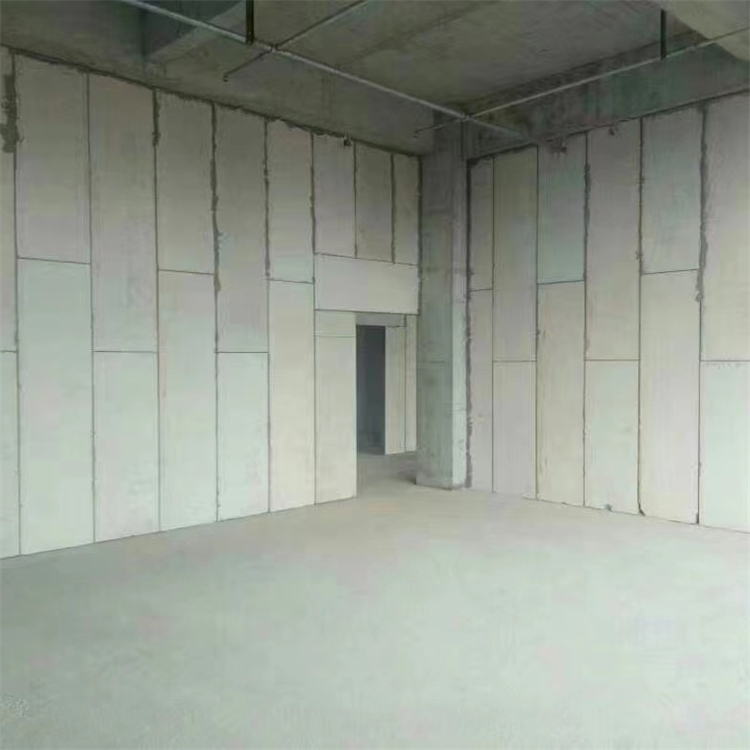
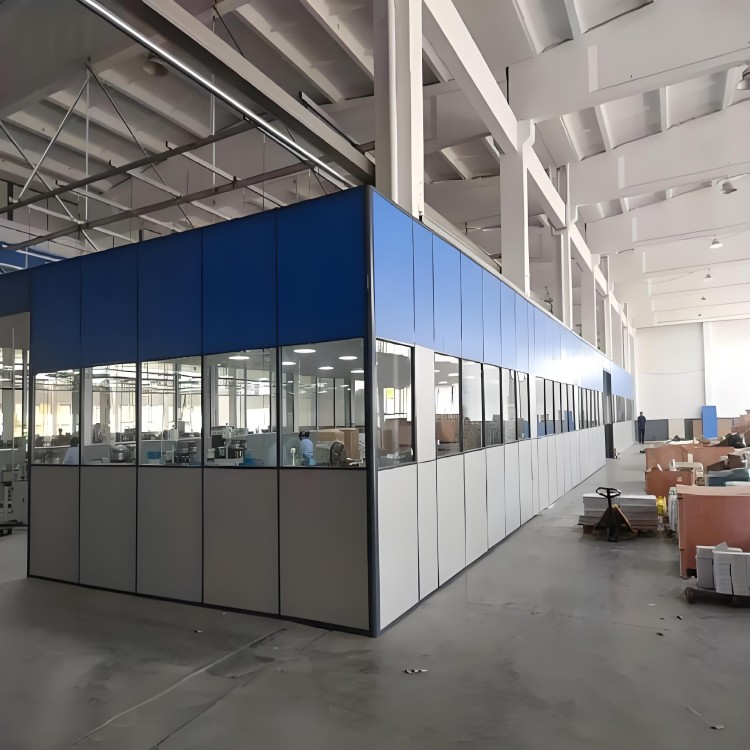
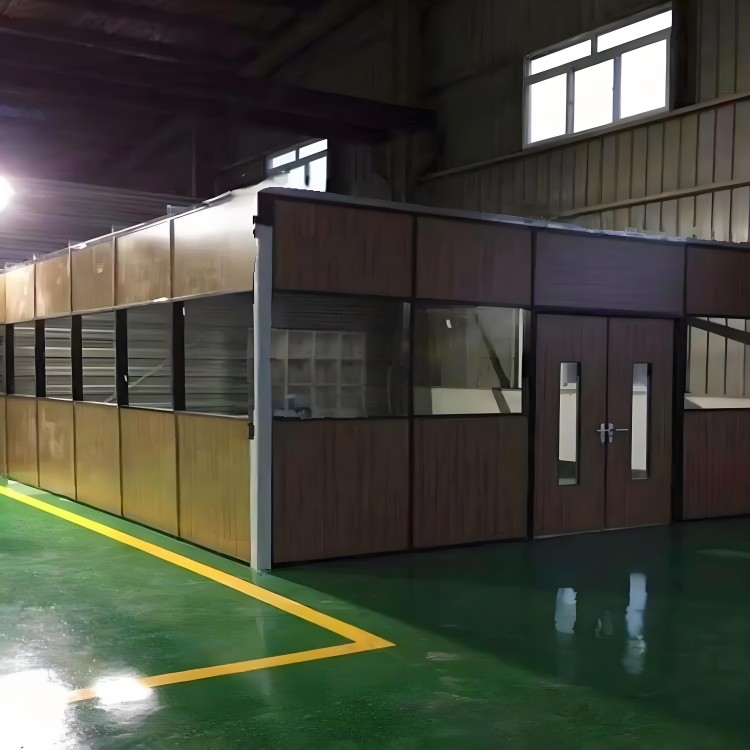
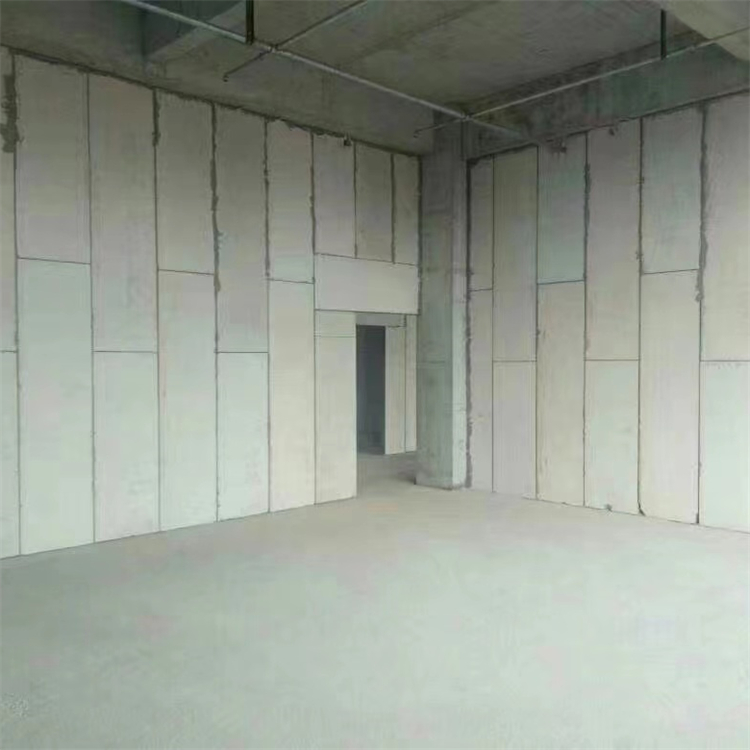
Space segmentation: Factory partition walls can divide large production areas into multiple small sections, allowing each section to operate independently for production, storage, or management activities, thereby enhancing space utilization and production efficiency.
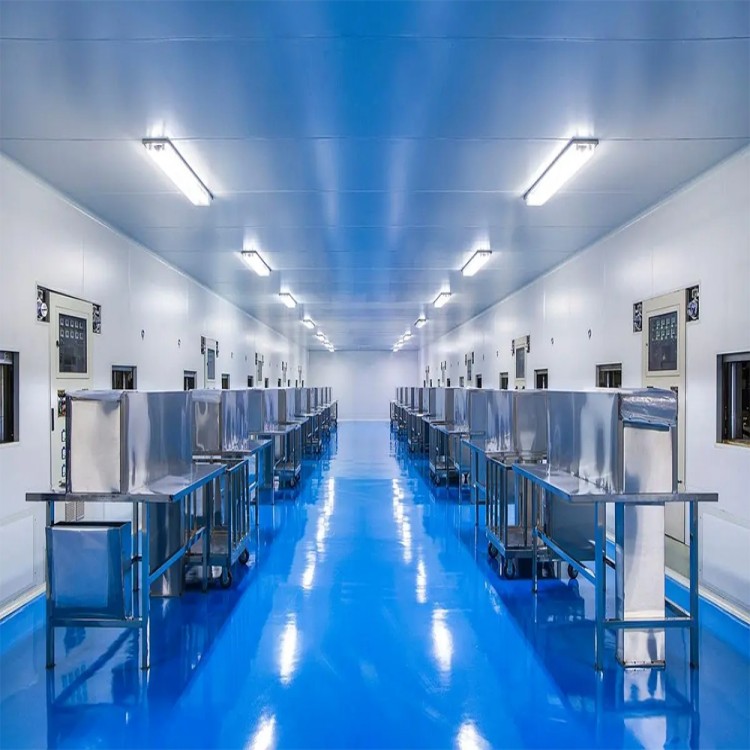
Function Division: By setting up partition walls, distinct functional areas such as production, storage, and office spaces can be clearly defined, making each area's function more explicit and facilitating management and operation.
Enhanced Safety: In certain instances, the factory partition walls can serve as fire and explosion-proof barriers, providing safety isolation to protect personnel and property.
Section II: Material Selection for Factory Partition Walls
Factory partition materials come in a variety of types, with the most common including:
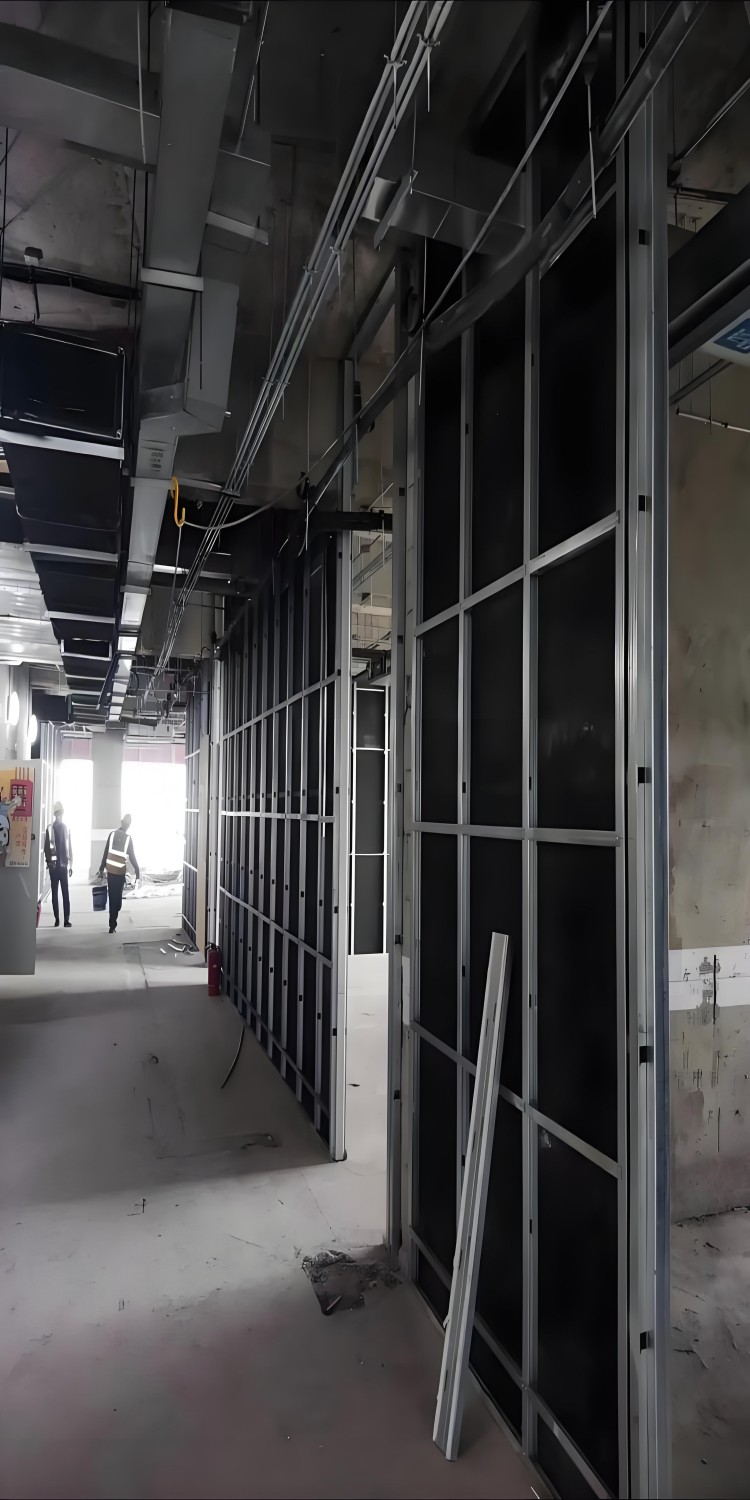
Gypsum Board: Gypsum board partitions offer advantages such as light weight, high strength, excellent fire resistance, ease of processing and installation, and are commonly used materials for dividing walls in factories.
Calcium Silicate Boards: These boards offer excellent fireproofing, moisture resistance, sound insulation, and weather resistance, making them suitable for factory walls with high performance requirements.
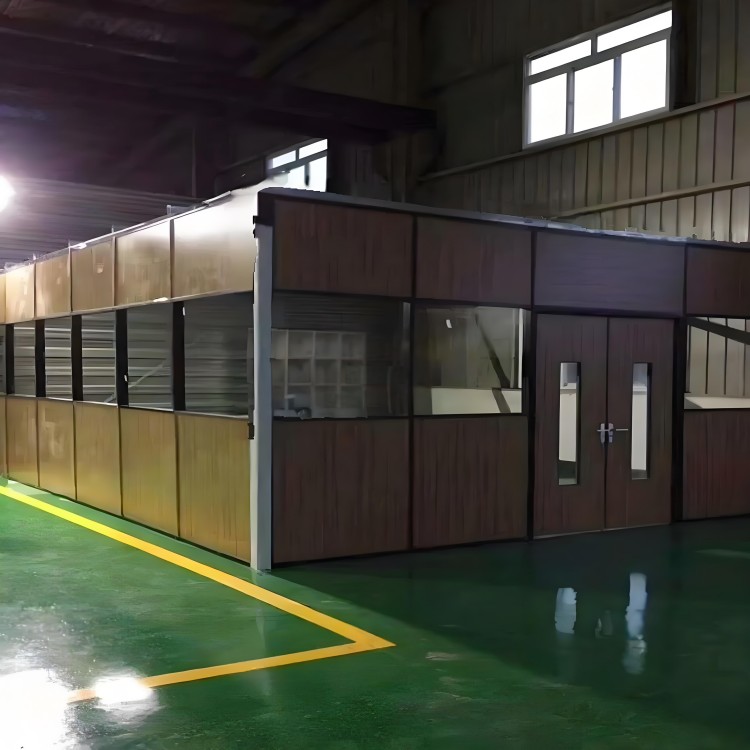
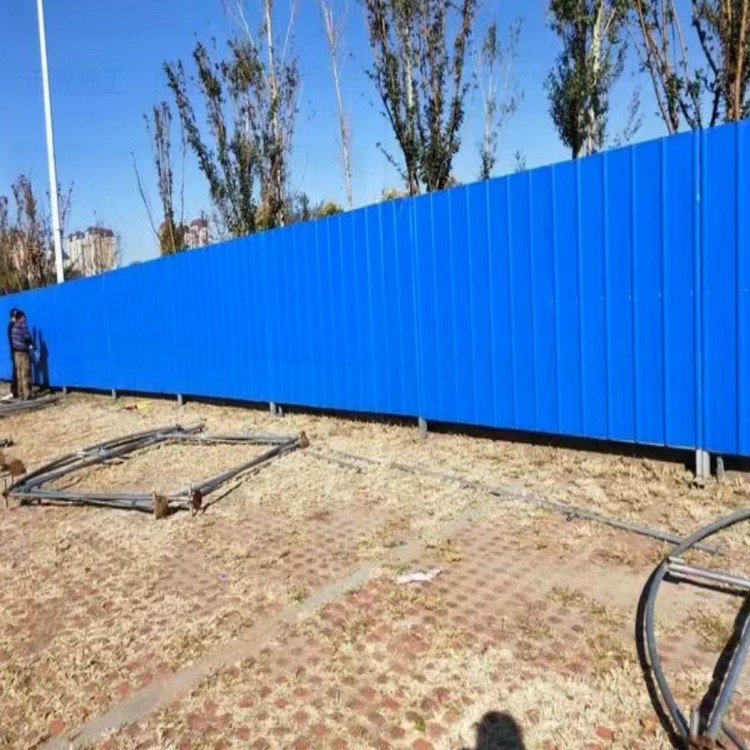
Color-steel panels: Color-steel partition walls offer advantages such as lightweight, high strength, corrosion resistance, and easy installation and disassembly, making them suitable for factories requiring frequent changes in space layout.
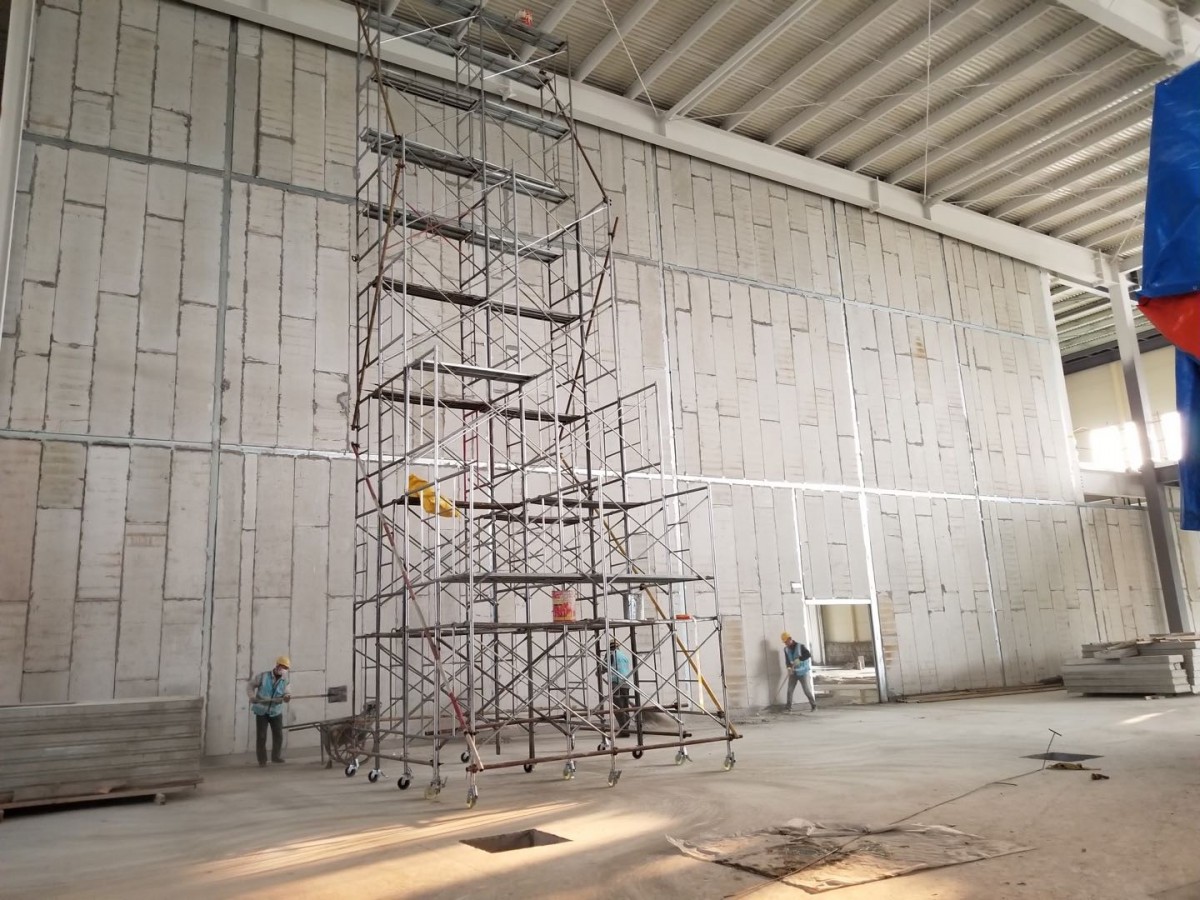
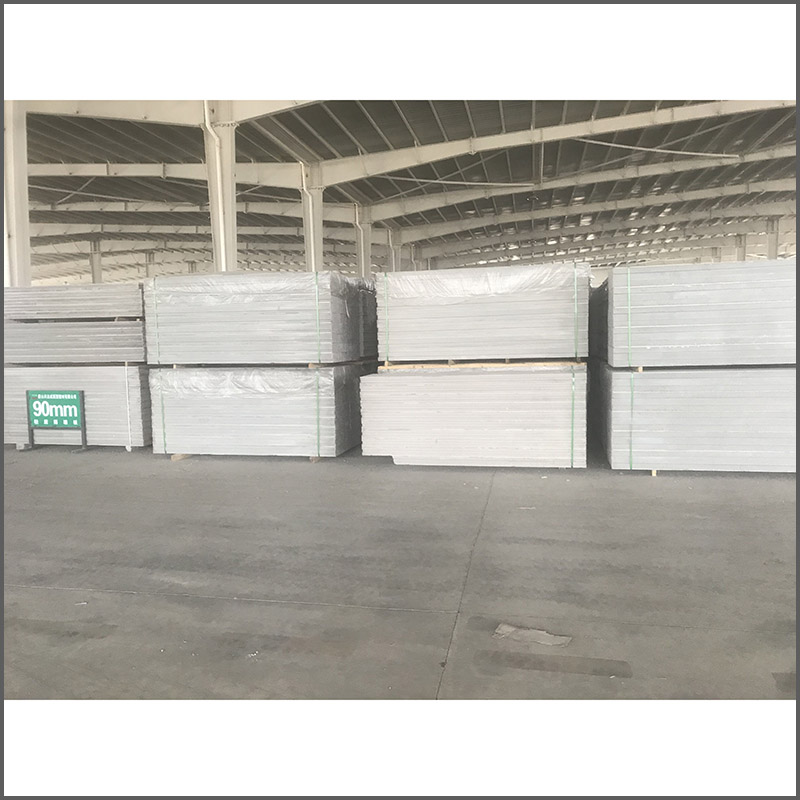
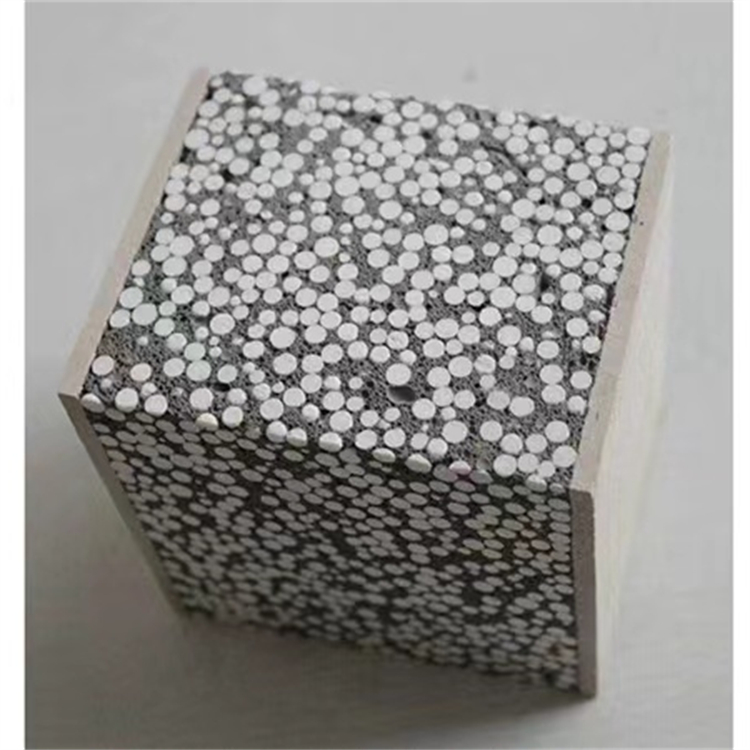
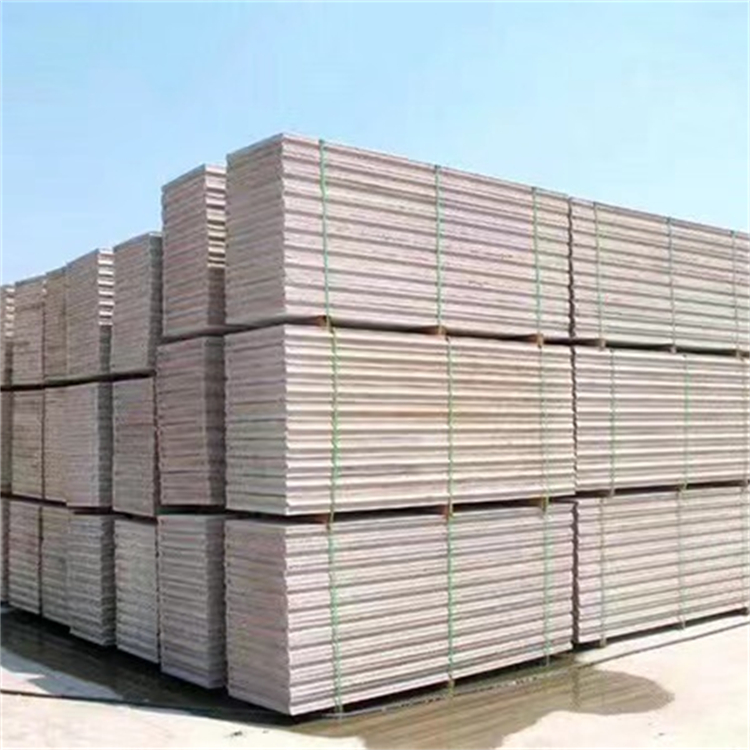
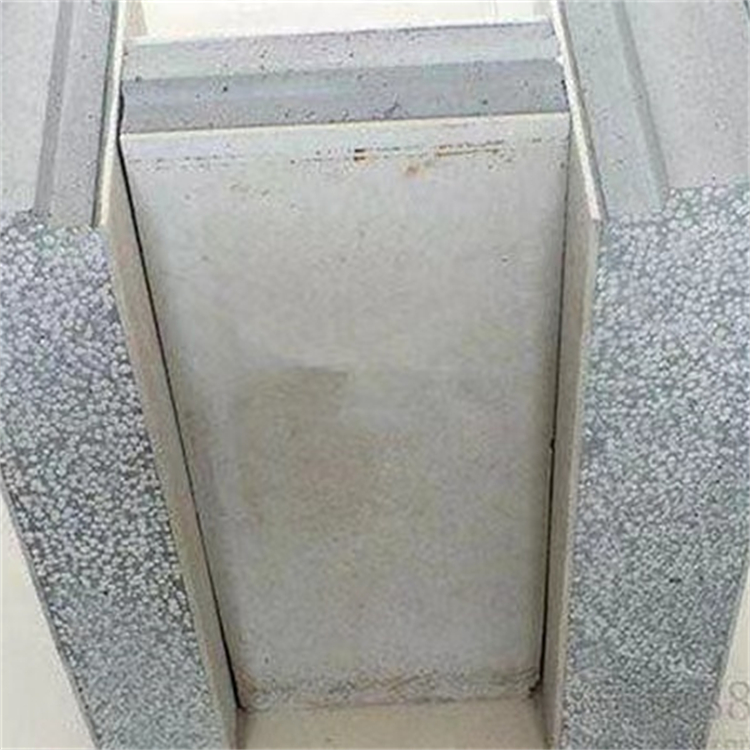
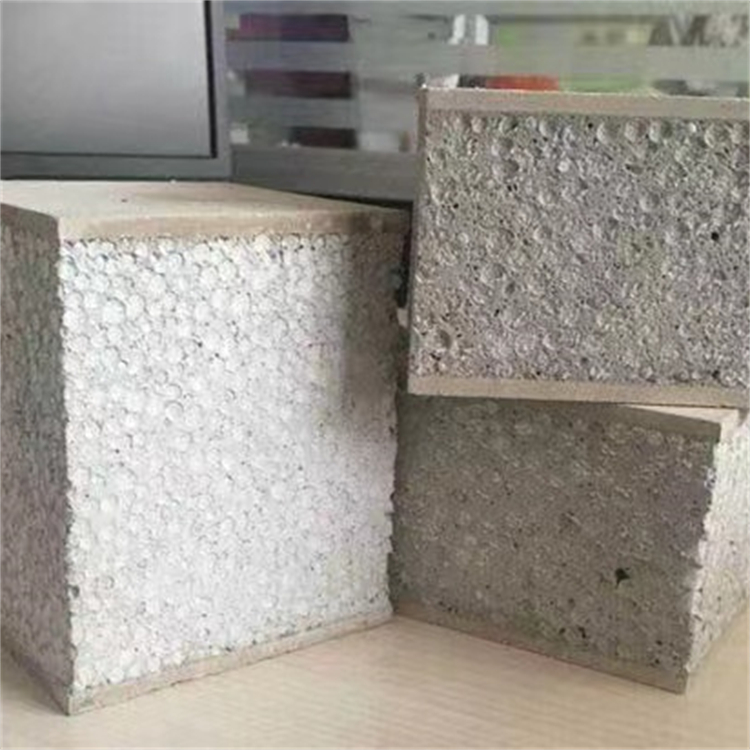
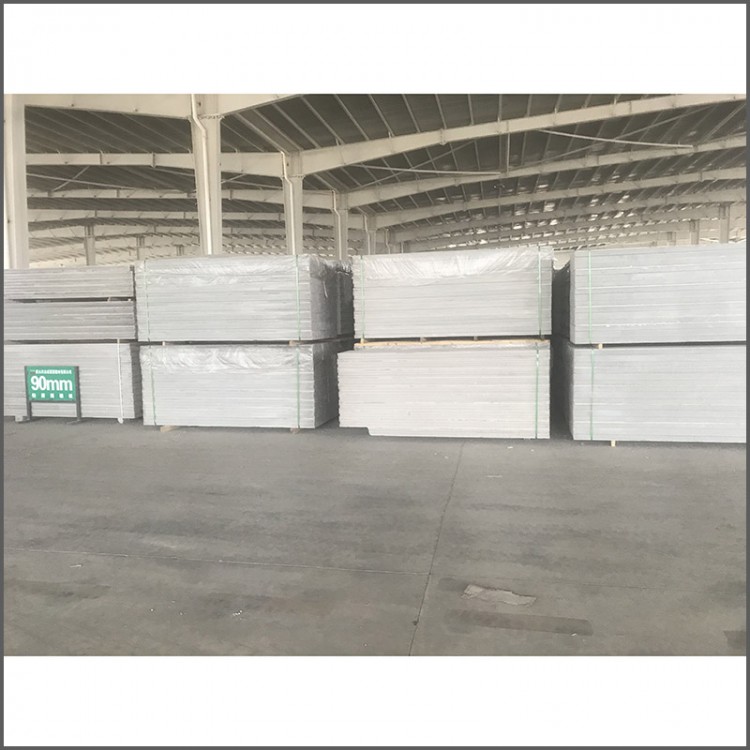
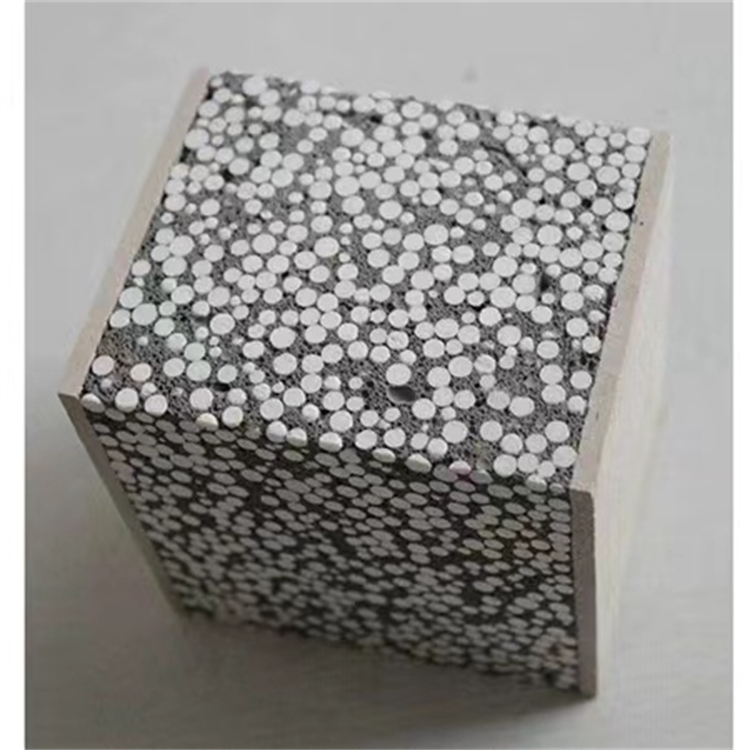
Lightweight Partition Boards: Lightweight partition boards are primarily made from light materials, featuring light weight, high strength, sound insulation, heat preservation, and fire resistance. They are suitable for factories of various scales.
Traditional Materials: Such as red bricks and aerated concrete blocks, these materials are heavier but offer high strength and good durability. They are still used in certain specific situations.
Section 3: Design Principles for Factory Partition Walls
Meet Usage Requirements: The design of partition walls should prioritize the needs of different functional areas such as production, storage, and management, ensuring rational space utilization and efficient operation.
Consider structural safety: The placement of partition walls should take into account the structural integrity of the factory, avoiding any damage or impact to the main structure.
Easy to disassemble and modify: As production requirements change, partition walls may need frequent modifications. Therefore, the design of the partition walls should be easy to disassemble and modify to accommodate various spatial layout needs.
Emphasis on Aesthetics and Environmental Protection: The design of partition walls should also prioritize aesthetics and environmental friendliness, selecting materials and colors that meet environmental standards and harmonize with the overall style of the factory.
Section 4: Construction and Maintenance of Factory Partition Walls
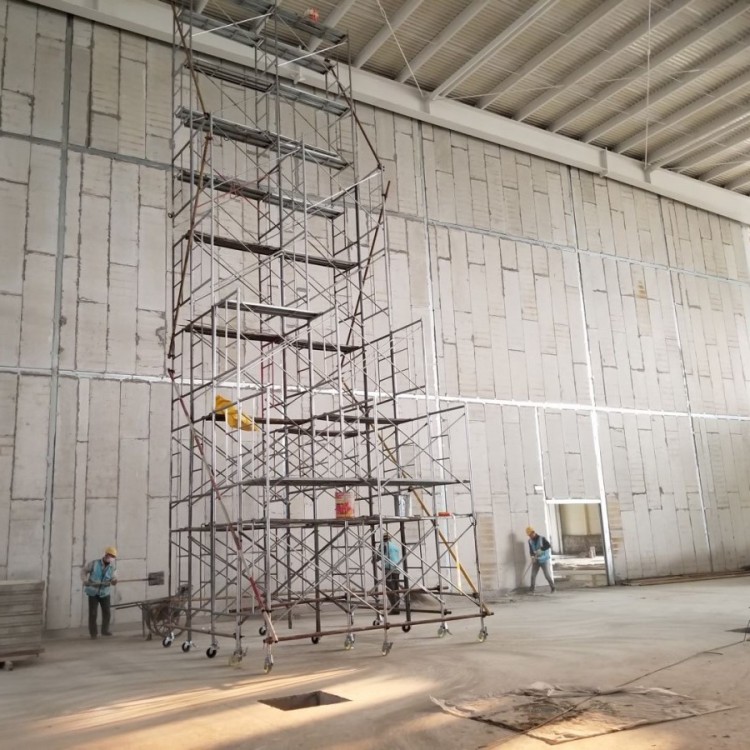
Construction Requirements: Wall construction must be strictly adhered to the design drawings and specifications, ensuring the wall's verticality, flatness, and stability. Simultaneously, attention should be given to protect the equipment and facilities at the construction site to avoid any damage.
Maintenance and Care: Partition walls may become contaminated, damaged, or deformed during use. Regular maintenance and care, such as cleaning, repairs, and replacements, are necessary to ensure normal operation and extend their service life.
In summary, partition walls play a crucial role in factory construction. By selecting appropriate materials, adhering to design principles, enforcing strict construction requirements, and paying attention to maintenance, the safety, stability, aesthetics, and practicality of factory partition walls can be ensured.