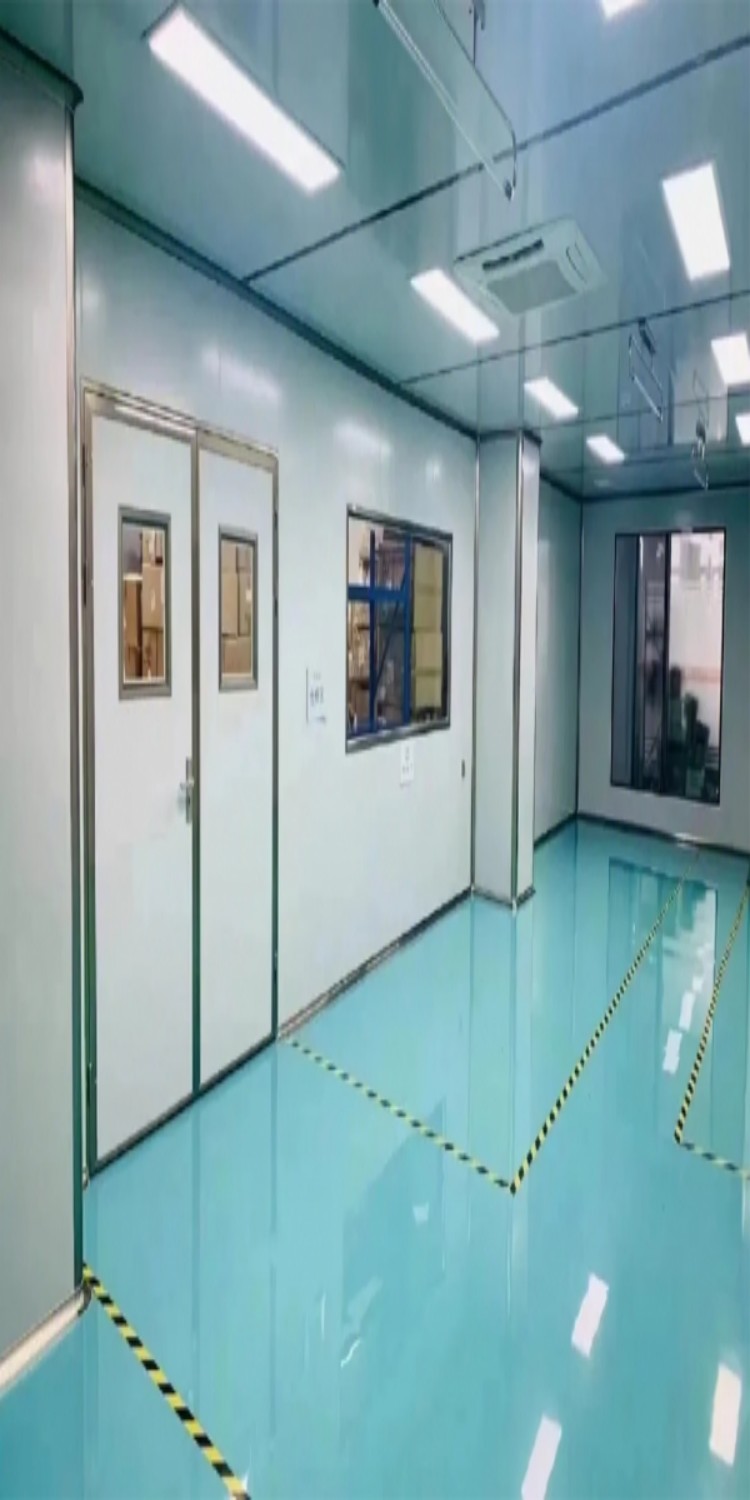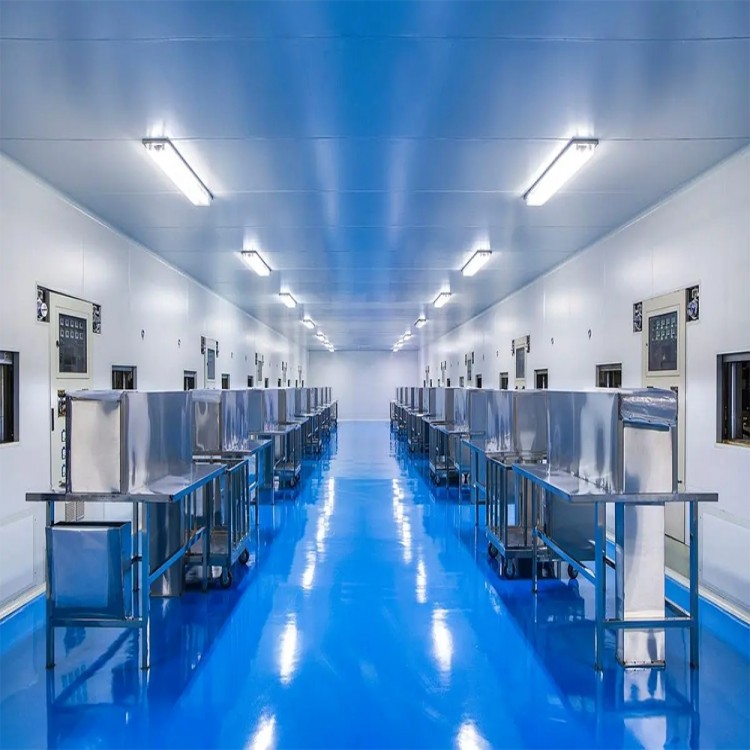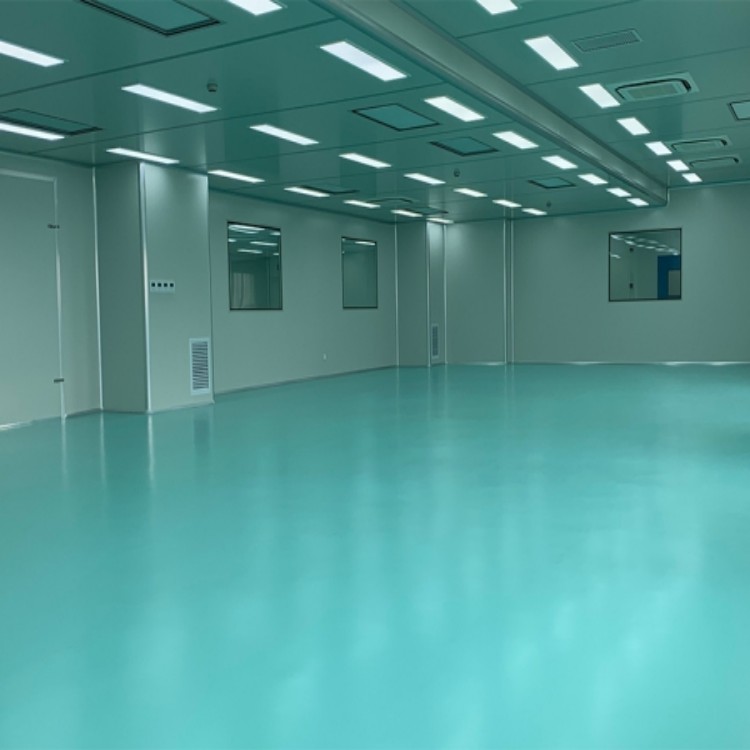


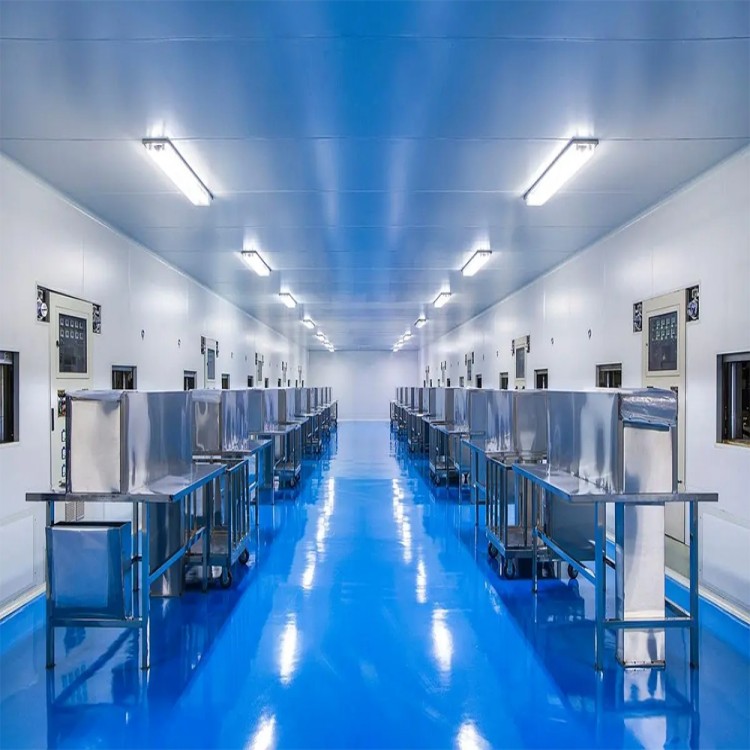
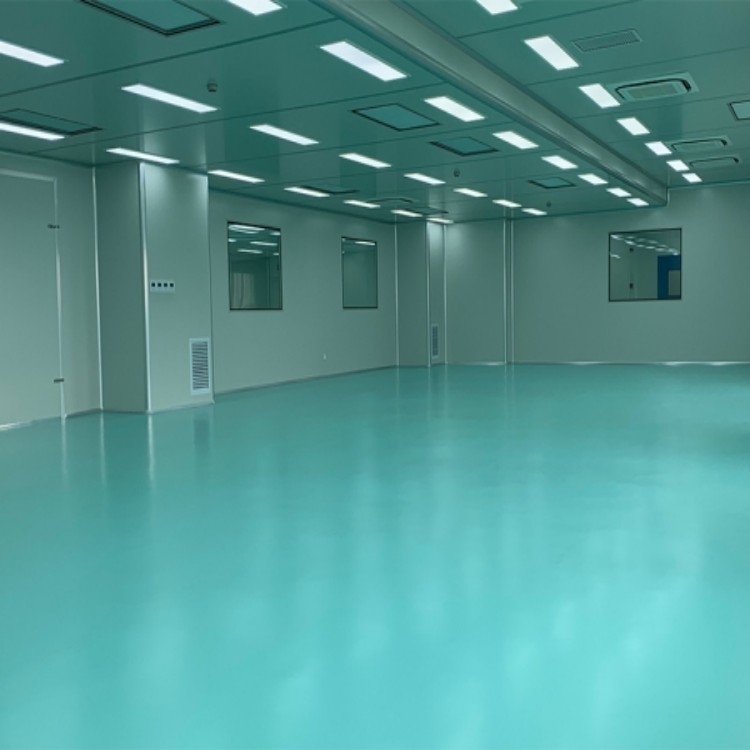







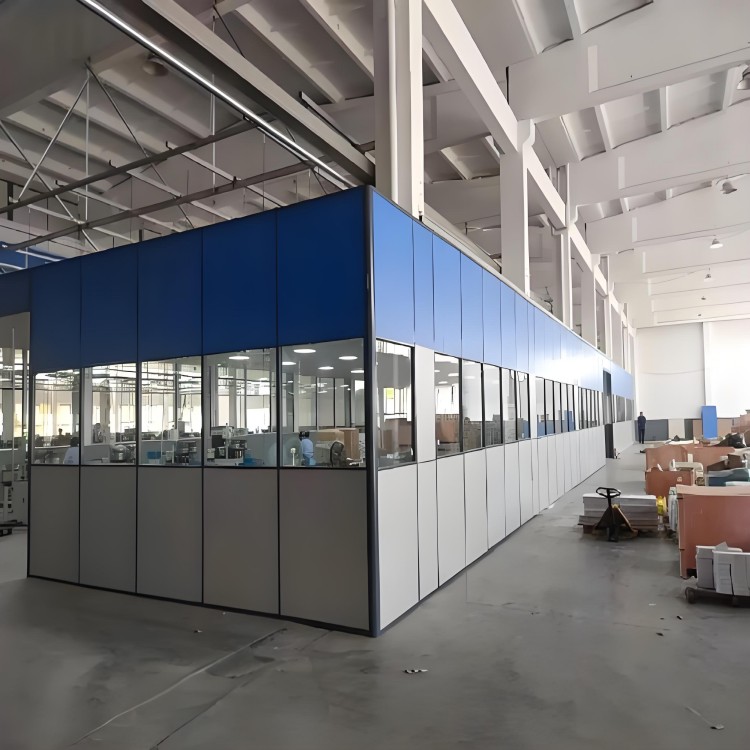

A cleanroom, also known as a clean workshop, clean room, clean factory, or purification workshop, is a highly clean production environment designed to exclude particulates, toxic gases, bacteria, and other pollutants within a certain space, while controlling humidity, temperature, cleanliness, and air flow within specified ranges. Below is a detailed introduction to cleanrooms:
I. Definition and Principle
The dust-free workshop achieves the required cleanliness of the air within the facility through indoor pollution control measures such as air filtration, air flow organization, and pressure control. Its working principle primarily involves using high-efficiency particulate air (HEPA) filters to purify the air entering the workshop, removing particles and bacteria, etc., from the air while maintaining a certain positive or negative pressure within the workshop to prevent external pollutants from entering or internal pollutants from escaping.
Section II: Application Fields
Cleanrooms are widely used in various fields due to their highly clean production environment:
Microelectronics Industry: In the manufacturing process of microelectronic devices, even the tiniest particle can affect product performance. A cleanroom provides a stable, pollution-free production environment, ensuring product quality and performance.
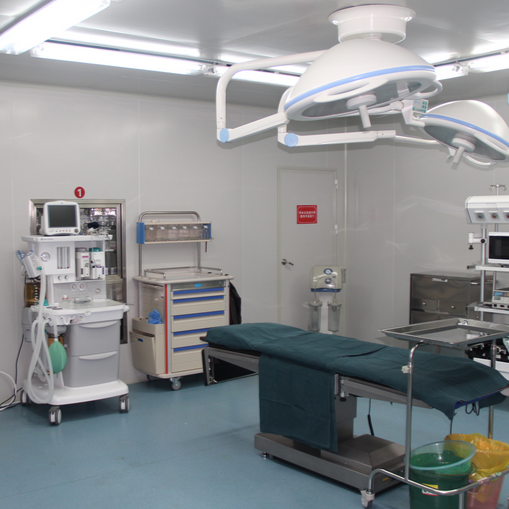
Biotechnology: During the research and development in biotechnology, stringent environmental requirements are also essential. A cleanroom can provide a sterile, pollution-free working environment, conducive to researchers' studies.
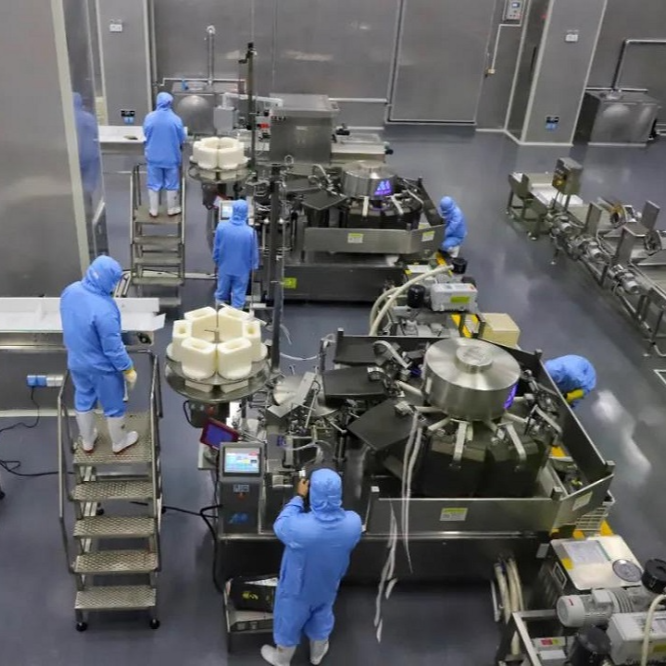
Food Processing: The food processing industry demands stringent hygiene standards. A dust-free workshop effectively controls bacteria and microorganisms in the air, ensuring food safety and hygiene.
Aerospace: In the manufacturing and R&D process of the aerospace industry, a high level of precision is required. A clean room can provide a stable, pollution-free production environment, ensuring product quality and performance.
In addition, dust-free workshops are widely used in industries such as semiconductor, precision machinery, and optical instruments.
Section 3: Maintenance and Care
To ensure the long-term stability and cleanliness of the cleanroom, regular maintenance and care are required.
Regular Cleaning: Regularly clean the floors, walls, ceilings, doors, and windows of the cleanroom to remove dust and contaminants. Use specialized cleaning tools and agents to avoid secondary contamination of the cleanroom environment.
Check and Replace Filters: Regularly inspect and replace high-efficiency air filters to ensure optimal filtration. Replace filters promptly when resistance increases or when they reach the end of their service life.
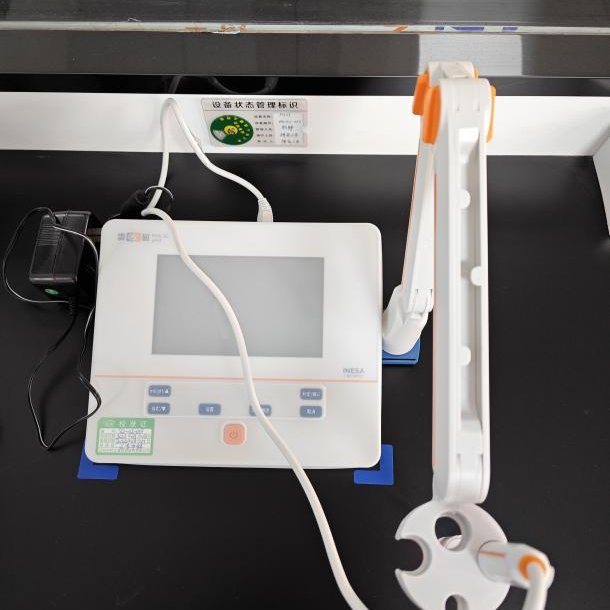
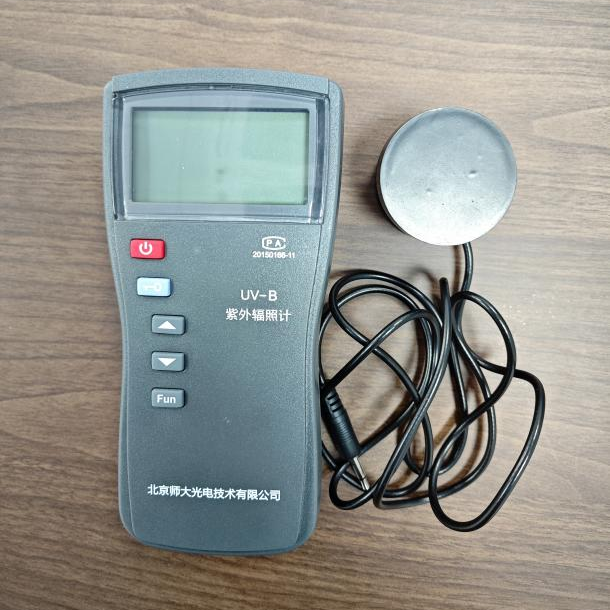
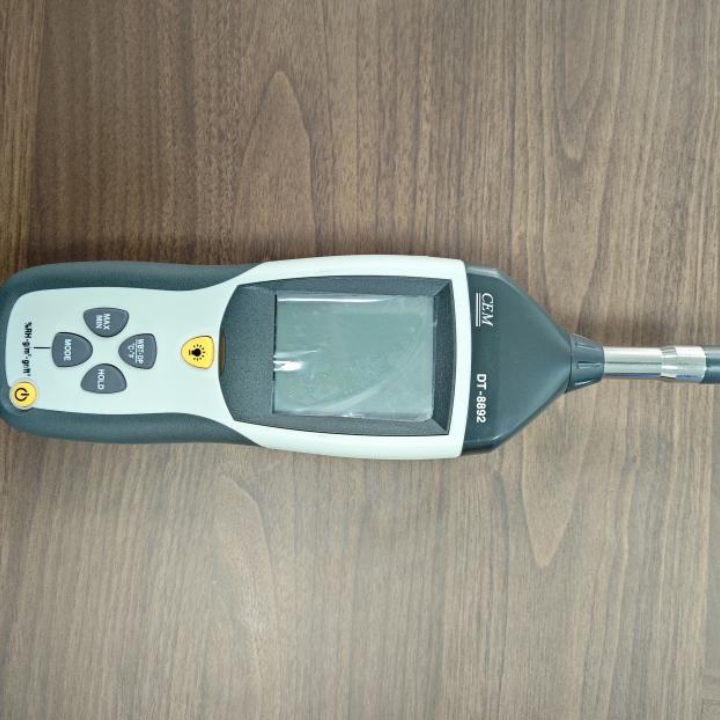
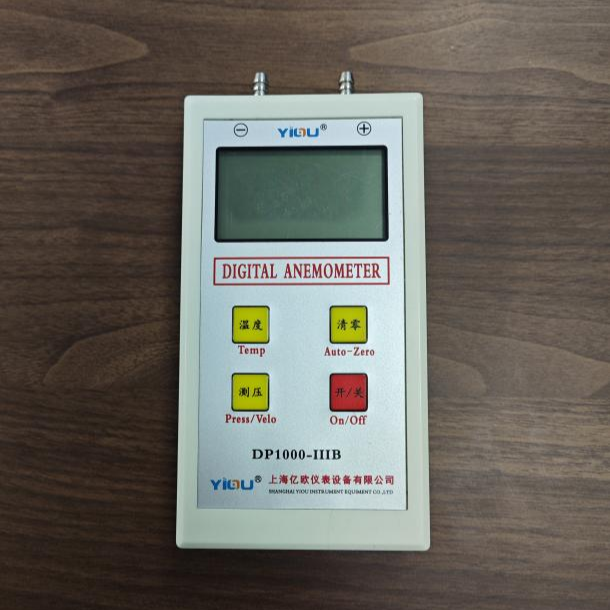
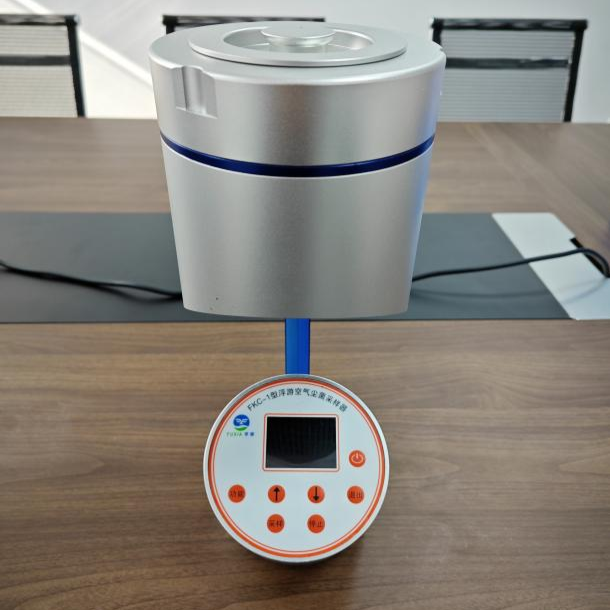
Monitoring and Control: Utilize professional monitoring equipment to conduct real-time monitoring and control of air cleanliness, temperature and humidity, and differential pressure within the cleanroom. Prompt action should be taken to adjust and handle any anomalies detected.
Training and Management: Conduct relevant training and management for all personnel entering the cleanroom to ensure they are aware of the standard requirements and operational procedures. Additionally, establish comprehensive management systems and workflows to ensure the smooth operation and maintenance of the cleanroom.
In summary, the dust-free workshop plays an increasingly important role in modern industrial production. It not only enhances product quality but also ensures the health and safety of staff. As technology continues to advance and the demand for clean environments grows, the application of dust-free workshops will become more widespread.